

 Pregledaj u prostoru
 Pošalji
 Podeli
 Detalji o delu

 Преузми
 Slični predmeti
 Rendgenski snimak
 Slajdovi
 Statistika
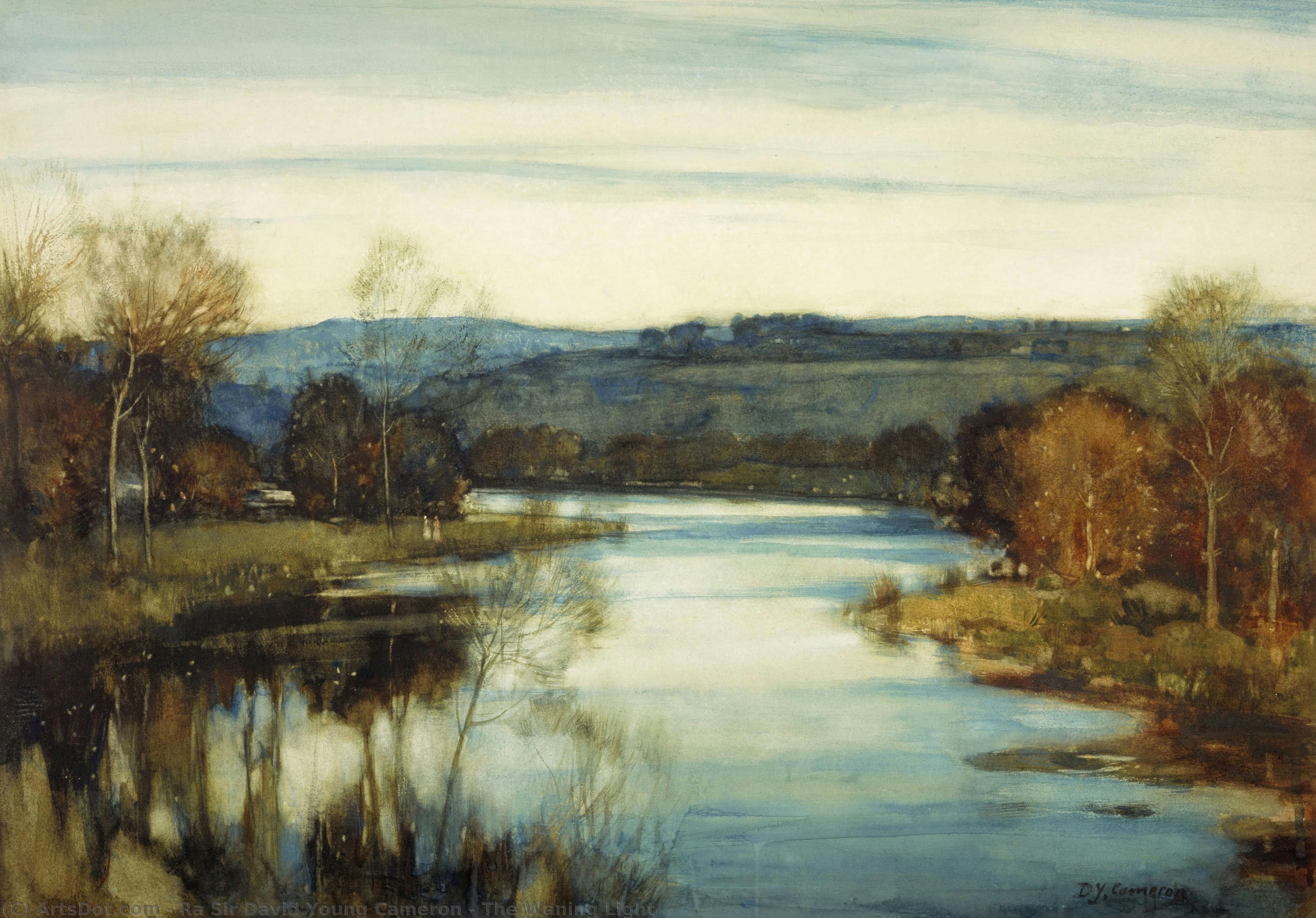
The Waning Light


 Pročitaj više
Ručno rađena uljana reprodukcija
Ručno oslikano uljanim bojama na platnu u dimenzijama i okviru po vašem izboru, izrađeno po porudžbini od strane naših umetnika. ( Pređi na štampu Pređi na digitalnu sliku)




P118B $10

P118H $10

P118W $10

P438Z $10

P508JH $12

P508YH $12

P805H $10

P805Z $10

P919BZ $10

P919G $10

P919XJ $10

P959ZH $10

P968JZ $12

W106C $8

W218G $10

W218JH $8

W218Y $10

W307PJ $10

W316G $10

W316PJ $8

W316Y $10

W398PJ $8

W4111J $10

W500HY $15

W500JH $15

W692G $12

W849H $8

W940BG $15

W953PJ $8




Izaberite jednu od naših unapred definisanih veličina koje odgovaraju originalnim proporcijama umetničkog dela.

Можете унети сопствене димензије како бисте прилагодили дело одређеном оквиру или простору. Ако одабрана величина не одговара пропорцијама оригинала, слика ће бити исечена или проширена додатним елементима који се ручно насликавају. Дигитални prikaz ће вам бити послат на одобрење пре почетка производње.
Имајте на уму да преглед на екрану не одражава стварно исецање или проширење. Само приказ (mockup) ће тачно приказати коначну композицију.
Иако су доступне прилагођене величине, препоручујемо да одаберете димензију из дефинисане листе како бисте сачували оригиналне пропорције.
Nakon narudžbine, tim ArtsDot.com će klijentu putem e-pošte poslati uputstva i dostaviti prikaz predloženog rešenja
Isporuka širom sveta () za 3/4 nedelje umesto uobičajenih 5 nedelja. (9 септембар). Bez kompromisa po pitanju kvaliteta.

Besplatna ekspresna dostava širom sveta

Visokokvalitetno laneno platno

Kompletno osiguranje transporta

Garancija povraćaja carine i uvoznih dažbina

Garancija vernosti boja

Politika povraćaja u roku od 100 dana (isključivo u slučaju nedostataka)

Garancija povrata novca od 100%

Popust pri grupnoj kupovini
 Opcija sa staklom dostupna je samo za dimenzije manje od 110 cm

The Waning Light
Tehnika reprodukcije
Dimenzije reprodukcije
-


Konačna cena
$ 263
A Symphony of Twilight: The Essence of The Waning Light
In the quiet transition between day and night, there exists a fleeting moment where the world seems to hold its breath. This is the profound atmosphere captured in Ra Sir David Young Cameron’s masterpiece, The Waning Light. Painted in 1905, this evocative landscape serves as a window into a serene era, inviting the viewer to witness a riverbank bathed in the soft, dying embers of a sunset. The composition is a delicate dance of light and shadow, where the water reflects the amber hues of the sky, and the silhouettes of trees stand as silent sentals over a tranquil scene. It is not merely a depiction of nature, but an invitation to experience the profound stillness that accompanies the end of a day.
The painting breathes with a sense of communal peace. Scattered throughout the landscape are figures, some positioned in the foreground and others drifting toward the distant river's edge, all engaged in the quiet rhythms of life. These figures do not dominate the scene; rather, they are integrated into the tapestry of the natural world, emphasizing the harmony between humanity and the environment. For the collector or interior designer, this piece offers a unique emotional anchor—a sense of nostalgia and tranquility that can transform a room into a sanctuary of reflection.
Mastery of the Etching Revival Style
As a prominent figure in the Scottish Etching Revival, Cameron brought a sophisticated understanding of tonal depth to his oil paintings. In The Waning Light, one can observe the influence of his mastery over line and light. The technique is characterized by a seamless blending of colors that mimics the atmospheric haze of dusk. There is a rhythmic quality to the way the light interacts with the foliage and the ripples of the river, creating a visual texture that feels both soft and structurally sound. His ability to balance areas of deep, velvety shadows with the luminous glow of the setting sun demonstrates a technical prowess that was highly celebrated during his era.
The historical context of this work is deeply rooted in the Scottish tradition of landscape painting, influenced by the Glasgow Boys and the Hague School. Cameron’s ability to capture architectural and natural subjects with such atmospheric precision makes this piece a cornerstone of early 20th-century Scottish art. When considering a high-quality reproduction for a curated collection, one must appreciate how the artist uses light not just as a physical phenomenon, but as a narrative tool to evoke the passage of time and the ephemeral beauty of the natural world.
A Timeless Addition to Sophisticated Interiors
For those seeking to infuse their living spaces with elegance and soul, The Waning Light offers unparalleled inspiration. The painting’s palette—rich with warm golds, deep greens, and muted blues—complements a wide variety of interior aesthetics, from classical traditionalism to modern organic styles. It functions beautifully as a focal point in a study, a calming presence in a bedroom, or a sophisticated accent in a grand hallway.
Owning a reproduction of such a significant work allows for the preservation of this historical moment within a contemporary home. The emotional impact of the piece lies in its ability to command attention through subtlety rather than noise. It is a painting that rewards long, contemplative gazes, offering new layers of light and shadow every time it is viewed. To display this artwork is to bring the timeless serenity of the Scottish landscape into the heart of the modern home, creating an enduring connection to the beauty of the natural world.
Srodna umetnička dela
Biografija umetnika
The Master of Light and Line: The Life of Sir David Young Cameron
Born in the vibrant atmosphere of Glasgow in 1865, Sir David Young Cameron RA emerged as one of the most distinguished figures of the British Etching Revival. The son of the Reverend Robert Cameron, his early years were shaped by the rigorous academic traditions of the Glasgow Academy and later the prestigious Glasgow School of Art and Edinburgh Schools of Fine Art. This formal foundation provided him with the technical precision that would become his hallmark, yet it was his innate ability to capture the ephemeral qualities of light and shadow that truly set him apart from his contemporaries. As a painter and etcher, Cameron possessed a rare sensitivity to the architectural soul of his subjects, transforming stone, wood, and water into poetic meditations on permanence and change.
The trajectory of Cameron’s career was marked by an extraordinary ascent within the artistic community of his era. By the 1890s, he had already garnered international acclaim, a feat solidified by his election as an Associate of the Royal Society of Painter-Etchers in 1889 and subsequently as a Fellow in 1895. His early work was deeply informed by the aesthetic movements of his time, drawing significant inspiration from the Glasgow Boys and the tonal mastery of the Hague School. These influences are evident in his ability to balance decorative elegance with a profound sense of atmospheric depth, particularly in his celebrated series of etchings such as "The Clyde Set," "The North Holland Set," and "The North Italian Set."
A Mastery of Etching and the Art of the State
While Cameron was a prolific painter in oils and watercolors, it was through the medium of printmaking that he achieved his most enduring legacy. He became a virtuoso of the etching needle, utilizing the technique of drypoint to create works of breathtaking delicacy. His prints are often characterized by a dramatic interplay between profound darkness and piercing highlights, a chiaroscuro effect that lends a spiritual weight to his architectural studies. In his later years, he turned toward the barren landscapes of Scotland, using the feathery, light touch of drypoint to contrast the rugged textures of rock and water with an almost ethereal softness.
One of the most fascinating aspects of Cameron’s technical prowess was his dedication to the evolution of a single image. He was known for producing an unprecedented number of states within his prints, exploring every possible nuance of line and tone. It is widely believed that he holds a remarkable record in this regard, having produced as many as twenty-eight different states for a single plate. This obsessive pursuit of perfection allowed him to capture the subtle shifts in light and mood, making each print a unique chapter in a larger visual narrative. His popularity among collectors was immense, sustained by this relentless experimentation and his ability to evoke deep emotion through minimal, yet masterful, linework.
Legacy and Historical Significance
The later years of Cameron’s life were shadowed by the economic volatility of the early 20th century. The Great Crash of 1929 brought a devastating collapse to the market for prints, significantly impacting the livelihoods of many etchers, including himself. Despite these challenges, his contribution to the history of British art remains unshakeable. He bridged the gap between the decorative traditions of the late 19th century and the more stark, atmospheric realism that would define much of early 20th-century printmaking.
Today, Sir David Young Cameron is remembered not merely as a skilled craftsman, but as an artist who could find the sublime within the structural. His work continues to resonate with those drawn to the quiet dignity of church interiors and the haunting beauty of the Scottish landscape. His legacy lives on through:
- Technical Innovation: His pioneering use of drypoint to achieve atmospheric lightness.
- Architectural Vision: A unique ability to imbue man-made structures with organic, emotional depth.
- The Etching Revival: His role as a central figure in elevating printmaking to a high art form alongside his peers.
- Tonal Mastery: The sophisticated use of contrast to create movement and drama within static subjects.
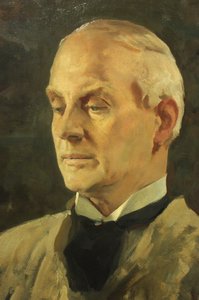
ra sir david young cameron
1865 - 1945
Osnovne informacije
- Artistic Movement Or Style: Etching Revival, Glasgow Boys, Hague School
- Artists Who Influenced This Artist:
- Glasgow Boys
- Hague School
- Date Of Birth: 1865
- Date Of Death: 1945
- Full Name: Sir David Young Cameron RA
- Nationality: Scottish
- Notable Artworks:
- The Clyde Set
- The North Holland Set
- The North Italian Set
- Place Of Birth: Glasgow, Scotland
Povezani članci
Serene Visions: Exploring Themes of Tranquility in Art History & Contemporary Practice
Explore the history of serene landscape art & discover artists who evoke tranquility. Find the perfect calming artwork for your home with expert guidance from ArtsDot.

Evocations of Place: A Historical Journey Through Landscape Art
Explore the rich history of landscape art with ArtsDot. Discover renowned artists, movements like Impressionism & Romanticism, and expert guidance for collecting timeless pieces. Find your perfect serene escape today!

25 Remek-dela Džona Konstebla: Lepota Engleske na Platnu | ArtsDot
Uronite u svet Džona Konstebla! Otkrijte 25 remek-dela engleskog pejzaža, romantizma i seoske idile. Kupite reprodukcije slika vrhunskog kvaliteta za dekoraciju enterijera na ArtsDot.com.
Top 10 Remek Dela Koja Su Definisala Hudson River School: Majstorski Priori Za Vaš Dom
Otkrijte 10 remek dela koja su definisala Hudson River School! Uronite u priče o Thomas Cole-u, Frederic Church-u i veličanstvenim pejzažima Amerike. Inspiracija za vaš dom – vrhunske reprodukcije na ArtsDot.com!

Glavna dela koja su definisala Romantični pejzaž: 10 remek-dela za vaš dom
Otkrijte 10 remek-dela romantičnog pejzažnog slikarstva! Uronite u svet Claude Lorraina, Caspara David Friedricha i Turnera. Ispričane priče umetnosti, inspiracija za dekoraciju doma. Kvalitetne reprodukcije na ArtsDot.com – istražite celu kolekciju online!