

 Pregledaj u prostoru
 Pošalji
 Podeli
 Detalji o delu

 Преузми
 Slični predmeti
 Rendgenski snimak
 Slajdovi
 Statistika
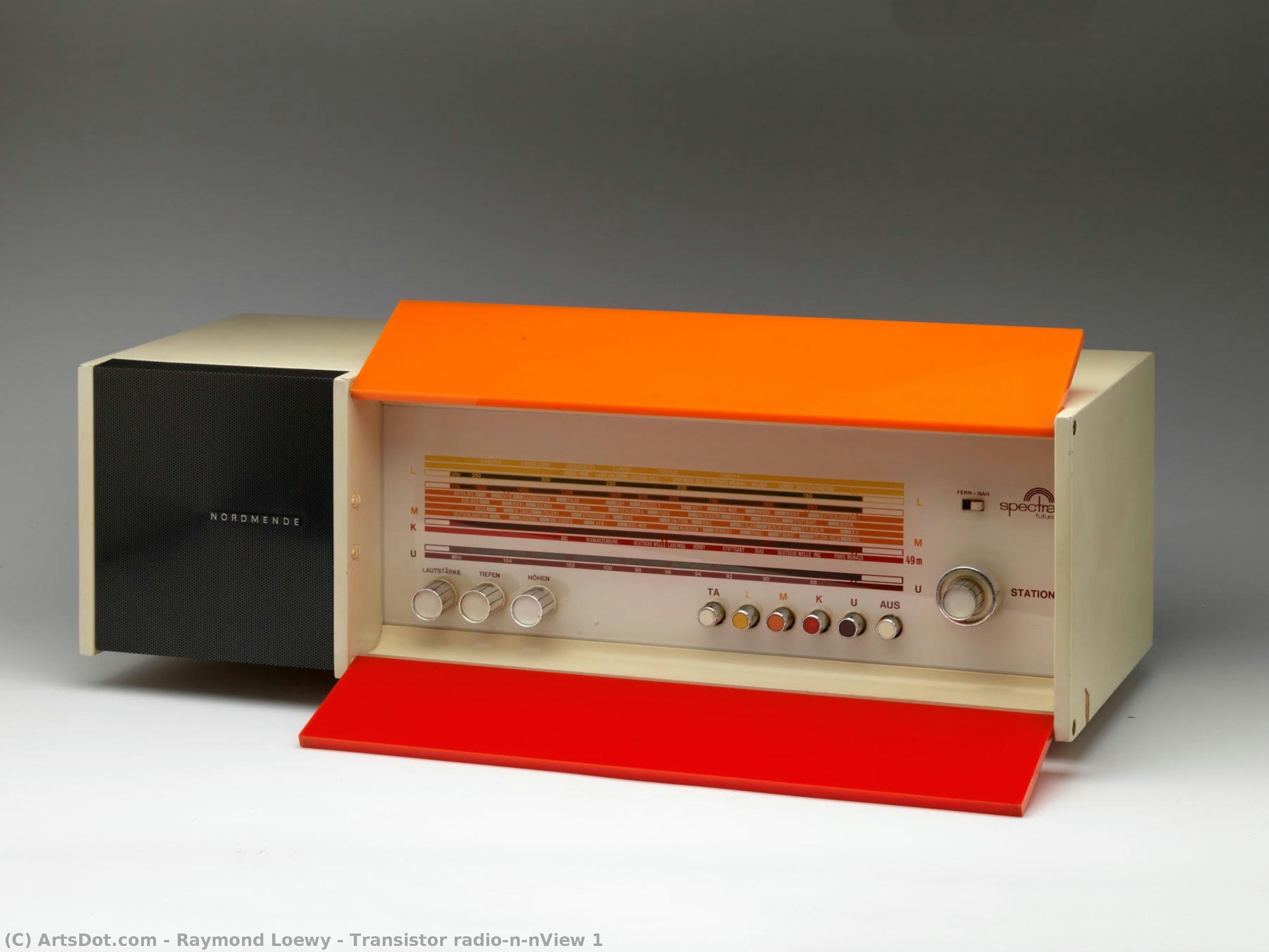
Transistor radio\n\nView 1
 1968
1968 20.0 x 58.0 cm
 NEMO Science Museum
 Pročitaj više
Giclee štampa / Umetnički otisak
Giclée štampa ili print na platnu muzejskog kvaliteta uz brzu proizvodnju i fleksibilne opcije završne obrade. ( Kupi ručno naslikanu sliku Pređi na digitalnu sliku)




































Izaberite jednu od naših unapred definisanih veličina koje odgovaraju originalnim proporcijama umetničkog dela.

Možete uneti sopstvene dimenzije kako biste umetničko delo prilagodili specifičnom okviru ili prostoru. Ako odabrani format ne odgovara proporcijama originalne slike, mi ćemo ili iscrtati deo dela ili proširiti sliku pomoću ogledane ivice ili jednobojnog popunjavanja. Digitalni prikaz će vam biti poslat na odobrenje pre početka proizvodnje.
Imajte na umu da pregled na ekranu ne odražava stvarno iscrtavanje ili proširivanje. Samo će prikaz (mockup) precizno pokazati finalnu kompoziciju.
Iako su prilagođene dimenzije dostupne, preporučujemo da odaberete dimenziju sa unapred definisane liste kako biste očuvali originalne proporcije.
Dostava širom sveta () za 2 nedelje umesto uobičajenih 4/5 nedelja. (10 септембар)

Besplatna ekspresna dostava širom sveta

Visokokvalitetno laneno platno

Kompletno osiguranje transporta

Garancija povraćaja carine i uvoznih dažbina

Garancija vernosti boja

Politika povraćaja u roku od 100 dana (isključivo u slučaju nedostataka)

Garancija povrata novca od 100%

Popust pri grupnoj kupovini
 Opcija sa staklom dostupna je samo za dimenzije manje od 110 cm

Transistor radio\n\nView 1
Giclee štampa / Umetnički otisak
Dimenzije reprodukcije
-


Konačna cena
$ 62
Srodna umetnička dela









Biografija umetnika
The Architect of Modern Aesthetics
Born in the heart of Paris on November 5, 1893, Raymond Loewy emerged as a figure whose vision would eventually transcend borders and redefine the very fabric of twentieth-century life. His journey began with a profound fascination for the intersection of engineering and art, a passion nurtured through his studies at the École Supérieure des Beaux-Arts. This rigorous foundation in classical aesthetics, paired with a natural aptitude for technical precision, allowed him to approach design not merely as decoration, but as a vital component of human progress. Before the world knew him as the "father of industrial design," Loewy’s early years were marked by the grit of the First World War, where his service in the French engineering corps instilled in him a disciplined understanding of structure and utility that would later become the hallmark of his professional philosophy.
Emigrating to the United States in 1919, Loewy brought with him a uniquely European sensibility—a blend of Gallic elegance and an enterprising spirit that found fertile ground in the burgeoning American market. His early career in New York saw him working as a window dresser for prestigious institutions like Macy’s and contributing illustrations to iconic fashion publications such as Vogue and Harper's Bazaar. These formative experiences in visual storytelling and commercial allure were crucial; they taught him how to capture the public imagination through imagery. It was during this period that he began to master the art of the "visual hook," a skill that would later allow him to transform mundane household objects into symbols of modern aspiration.
The Philosophy of Streamline Moderne
As the 1920s gave way to a new era of technological acceleration, Loewy became a primary architect of the Streamline Moderne movement. Rejecting the heavy, ornate clutter of previous decades, he championed a philosophy of aerodynamic grace and simplified forms. He believed that design should be "Most Advanced Yet Acceptable," a principle that sought to balance cutting-edge innovation with a sense of familiarity and comfort for the consumer. His work was characterized by smooth curves, sweeping lines, and an intentional reduction of extraneous detail, creating a visual language that suggested speed, efficiency, and the promise of the future.
This aesthetic revolution was not merely about style; it was about the psychological impact of the objects we inhabit. Loewy understood that a well-designed object could elevate the daily experience of the common person. Whether he was redesigning the Gestetner duplicating machine—the project that launched his independent consultancy in 1929—or shaping the sleek silhouettes of locomotives for the Pennsylvania Railroad, his goal remained consistent: to create products that felt both inevitable and beautiful. His ability to infuse industrial machinery with a sense of motion and elegance helped transition industrial design from a niche technical concern into a powerful driver of global economic interest.
A Legacy Written in Steel and Chrome
The sheer magnitude of Loewy’s impact on the visual landscape of the twentieth century is nearly impossible to overstate. His portfolio reads like a catalog of modern history, spanning from the domestic to the cosmic. He was the hand behind some of the most recognizable icons of American consumer culture, including:
- Corporate Identity: The creation of enduring logos for giants such as Shell, Exxon, BP, and the U.S. Postal Service, establishing the foundations of modern branding.
- Transportation: The aerodynamic mastery seen in the Greyhound Scenicruiser interiors, Studebaker automobiles, and the sleek livery of Air Force One.
- Domestic Life: The transformation of everyday appliances, most notably the Sears Coldspot refrigerator, which brought a sense of futuristic luxury into the modern kitchen.
- Aerospace and Exploration: His contributions to the interiors of NASA’s Apollo and Skylab missions, bridging the gap between Earthly design and the frontiers of space.
By the time he became the first designer to grace the cover of Time magazine in 1949, Raymond Loewy had fundamentally altered the relationship between humanity and the manufactured world. He did not simply create products; he created an era. His work remains a testament to the idea that functionality does not require the sacrifice of beauty, and that through thoughtful design, we can make the daily life of the modern age more profound, more efficient, and infinitely more beautiful.
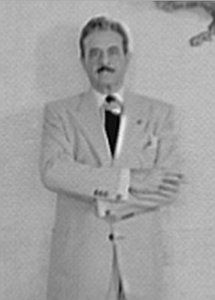
raymond loewy
1893 - 1986 , France
Osnovne informacije
- Artistic Movement Or Style: Streamline Moderne
- Artists Or Movements Influenced By This Artist: ['Art Deco design']
- Artists Who Influenced This Artist:
- Henry Dreyfuss
- Norman Bel Geddes
- Date Of Birth: November 5, 1893
- Date Of Death: July 14, 1986
- Full Name: Raymond Loewy
- Nationality: French-American
- Notable Artworks:
- Shell Logo
- Exxon Logo
- BP Logo
- Greyhound Scenicruiser interior
- Place Of Birth: Paris, France