

 Pregledaj u prostoru
 Pošalji
 Podeli
 Detalji o delu

 Преузми
 Slični predmeti
 Rendgenski snimak
 Slajdovi
 Statistika
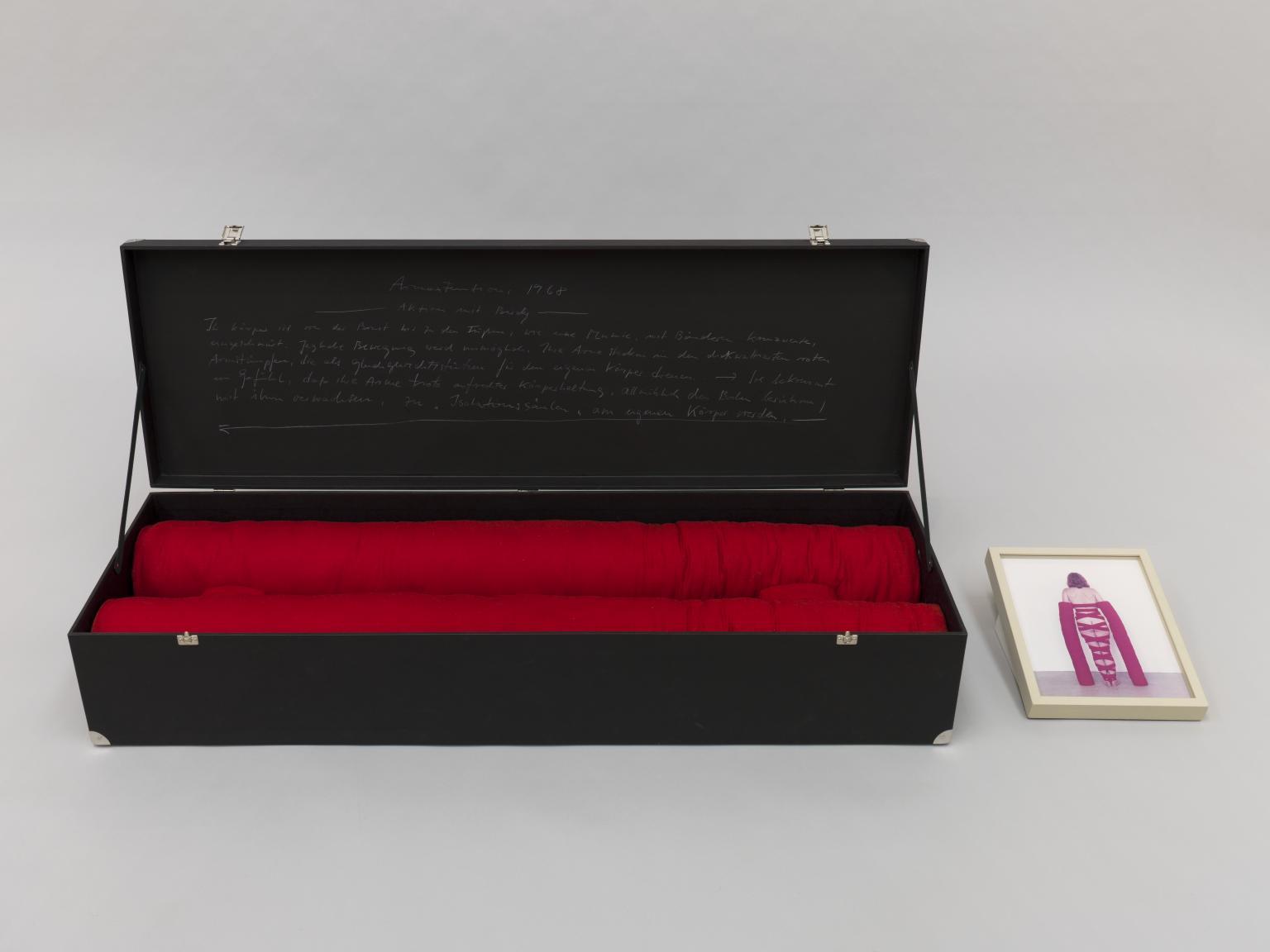
Arm Extensions

 Pročitaj više
Kupite digitalnu sliku visoke rezolucije i poboljšanog kvaliteta, koja je znatno superiornija od onoga što vidite u online prikazu.
Svaka datoteka je pedantno pripremljena od strane naših stručnjaka koristeći napredne alate i profesionalnu ručnu retušu. Osiguravamo da svaka slika ima izuzetnu oštrinu, preciznu reprodukciju boja i fine detalje.
Konačna datoteka se dostavlja putem e-pošte u roku od 72 sata, optimizovana za neposrednu upotrebu u profesionalnim, izdavačkim i štamparskim okruženjima. To je isti kvalitet kojem veruju vrhunski studiji dizajna, izdavači i galerije.
Digitalna slika
Preuzmite datoteku visoke rezolucije za ličnu upotrebu, štampanje i kreativne projekte. ( Pređi na štampu Kupi ručno naslikanu sliku)
Uključeno uz svaku porudžbinu digitalne slike
Profesionalna digitalna isporuka, zagarantovana
Kada odaberete ArtsDot.com, ne dobijate samo sliku – vi primate profesionalno unapređeno digitalno umetničko delo, izrađeno sa najvećom preciznošću i uz garanciju zadovoljstva. Evo svega što automatski dolazi uz vašu porudžbinu:

Brza dostava putem e-pošte
Vaša digitalna slika visoke rezolucije biće vam poslata putem e-pošte u roku od 72 sata od poručivanja – spremna za trenutnu upotrebu.

Digitalna datoteka unapređena veštačkom inteligencijom
Vaše umetničko delo je profesionalno optimizovano korišćenjem naprednih AI alata i ručne obrade, čime se osiguravaju maksimalni detalji, oštrina i preciznost boja.

Besplatna ponovna isporuka doživotno
Slučajno ste obrisali ili izgubili svoju datoteku? Ne brinite – poslaćemo vam je ponovo u bilo kom trenutku, potpuno besplatno.

Bez troškova uvoza – zauvek
Uživajte u svojim umetničkim delima trenutno, bez carine, dažbina ili troškova dostave – digitalni download je uvek bez poreza.

Garancija vernosti boja
Uz pomoć profesionalnih alata i upravljanja bojama, osiguravamo da vaša digitalna slika što vernije odražava originalne boje.

Garancija zadovoljstva od 100 dana
Ako niste zadovoljni svojom digitalnom slikom, izvršićemo reviziju ili ćemo vam vratiti 100% novca u roku od 100 dana – bez ikakvih pitanja.

100% garancija povrata novca
Niste zadovoljni? Dobijte puni povraćaj novca u roku od 100 dana od prijema digitalne datoteke – bez suvišnih pitanja.

Popusti na velike porudžbine
Kupite 3 slike, uštedite 10% - Kupite 5 slika, uštedite 15% - Kupite 10+ slika, uštedite 20%. Odlično za kreativne projekte, galerije i agencije.
Srodna umetnička dela





Biografija umetnika
A Life Shaped by Displacement and the Body
Rebecca Horn, a pivotal figure in post-war German art, passed away on September 6, 2024, leaving behind a legacy of intensely personal and profoundly innovative work. Born March 24, 1944, in Michelstadt, Germany, her life was immediately shadowed by the aftermath of conflict and displacement. The experience of growing up in a fractured world, coupled with a childhood spent largely within the confines of boarding schools after the age of nine, instilled in Horn a deep sensitivity to isolation and vulnerability – themes that would become central to her artistic explorations. Early communication proved challenging; taught to draw by a Romanian governess, she found solace and expression through art as a means of navigating language barriers and the emotional turbulence of a world rebuilding itself. This early reliance on visual language laid the foundation for a career dedicated to exploring the unspoken narratives of the body and its relationship to space.From Convalescence to Kinetic Sculpture
Horn’s formal artistic journey began with studies in economics, quickly abandoned for enrollment at the Hochschule für bildende Künste Hamburg in 1963. However, a pivotal moment arrived in 1964 when severe lung inflammation, contracted while working with fiberglass without proper protection, forced a year-long convalescence. This period of physical limitation proved transformative. Confined to her bed, Horn began creating body sculptures – delicate constructions of balsa wood and cloth that extended and altered the human form. These early works weren’t merely aesthetic exercises; they were born from necessity, a way to engage with the world when physical movement was restricted. This experience instilled in her a heightened awareness of sensory perception and the fragility of the human body, themes that would permeate her subsequent work. Emerging from this period, Horn's artistic direction shifted towards softer materials and an exploration of how external objects could become extensions of the self, blurring the boundaries between interiority and exterior reality.Performance, Film, and the Exploration of Boundaries
The 1970s saw Horn emerge as a leading figure in performance art, pushing the limits of bodily expression. Works like Einhorn (Unicorn) (1970-72), presented at Documenta 5 in Kassel, became iconic representations of her artistic vision. The performer, adorned with a large, phallic horn extending from their head, navigated both natural and constructed environments, embodying themes of myth, modernity, and the complexities of female identity. Simultaneously, sculptures like Pencil Mask (1972) and Finger Gloves (1972) extended the body’s reach and sensory capabilities, visually mapping movement and interaction with space. This exploration of bodily extension wasn't limited to sculpture and performance; Horn seamlessly transitioned into filmmaking, directing works such as Der Eintänzer (1978), La ferdinanda: Sonate für eine Medici-Villa (1982), and Buster’s Bedroom (1990). Her films often incorporated sculptural elements, further blurring the lines between disciplines and reinforcing her fascination with the body, space, and perception.Site-Specific Installations and a Lasting Legacy
Throughout the 1980s and beyond, Horn’s work evolved into large-scale, site-specific installations that responded to the history and memory of particular environments. These immersive experiences often incorporated kinetic elements – machines that moved and interacted with their surroundings, creating dynamic and engaging visual narratives. The intersection of human and machine became a recurring motif, exploring themes of control, vulnerability, and the potential for both harmony and discord between organic and inorganic forms. In 1989 she took over a professorship at the Berlin University of the Arts, mentoring young artists and solidifying her position as an influential figure in the art world. She founded the Moontower Foundation in Bad König, providing a space for artistic creation and exhibition. Horn’s contributions were widely recognized through numerous awards, including the Carnegie Prize (1988) and the Kaiserring Goslar (1992). Her work continues to resonate with audiences today, challenging conventional notions of art, body, and identity. Rebecca Horn's innovative spirit and unwavering commitment to exploring the human condition have secured her place as a pivotal figure in contemporary art history.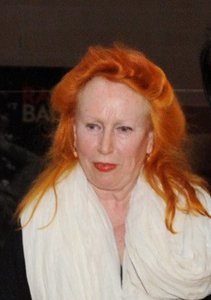
Rebecca Horn
1944 - , Germany
Kratke činjenice
- Artistic Movement Or Style: Installation, Performance Art
- Date Of Birth: March 24, 1944
- Date Of Death: September 6, 2024
- Full Name: Rebecca Horn
- Nationality: German
- Notable Artworks:
- Einhorn (Unicorn)
- Pencil Mask
- Finger Gloves
- Overflowing Blood Machine
- Place Of Birth: Michelstadt, Germany