

 Pregledaj u prostoru
 Pošalji
 Podeli
 Detalji o delu

 Преузми
 Slični predmeti
 Rendgenski snimak
 Slajdovi
 Statistika
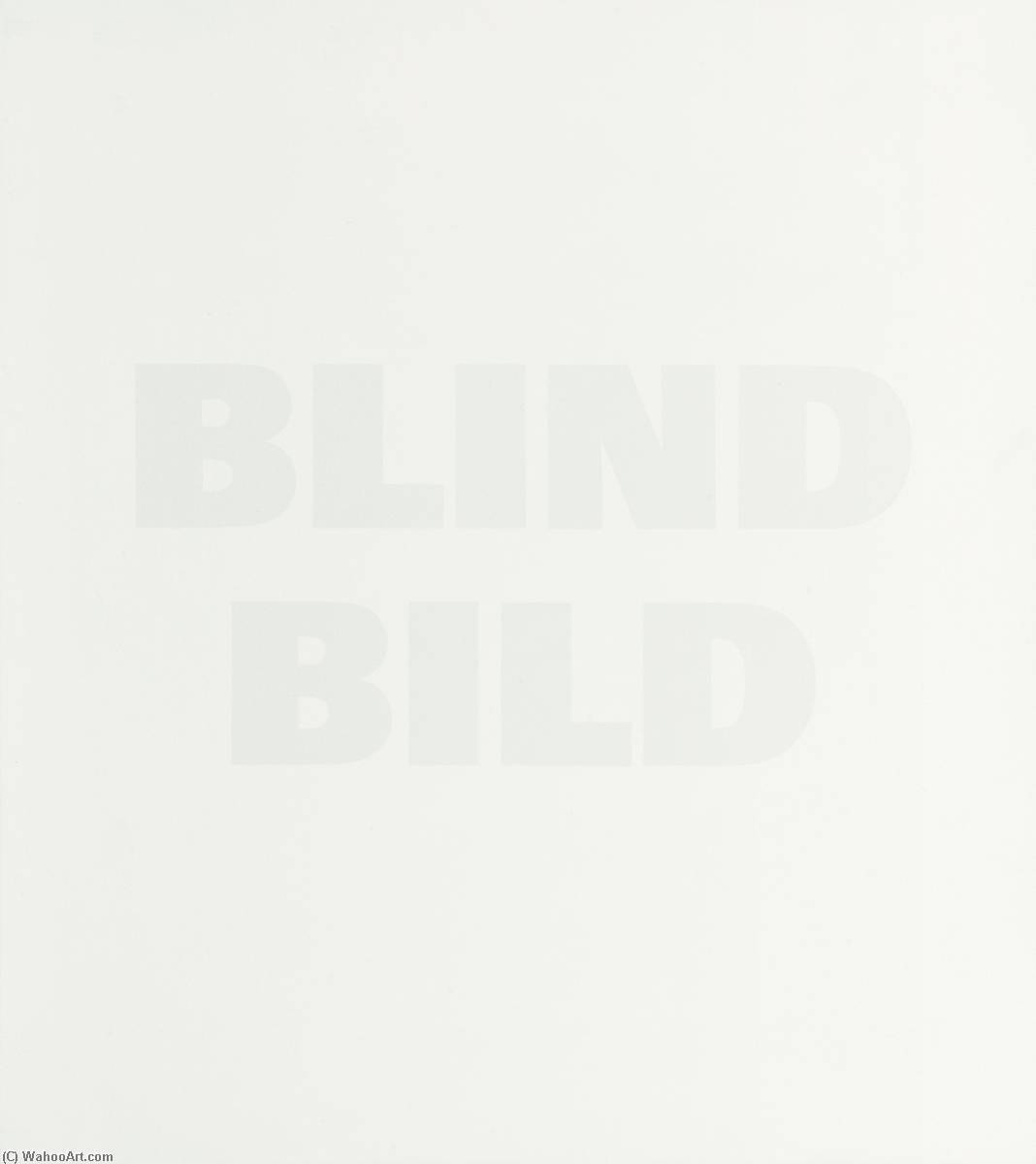
BLIND BILD, 1992 BLIND PAINTING , 1992
 Pročitaj više
Ručno rađena uljana reprodukcija
Ručno oslikano uljanim bojama na platnu u dimenzijama i okviru po vašem izboru, izrađeno po porudžbini od strane naših umetnika. ( Pređi na štampu Pređi na digitalnu sliku)




































Izaberite jednu od naših unapred definisanih veličina koje odgovaraju originalnim proporcijama umetničkog dela.

Можете унети сопствене димензије како бисте прилагодили дело одређеном оквиру или простору. Ако одабрана величина не одговара пропорцијама оригинала, слика ће бити исечена или проширена додатним елементима који се ручно насликавају. Дигитални prikaz ће вам бити послат на одобрење пре почетка производње.
Имајте на уму да преглед на екрану не одражава стварно исецање или проширење. Само приказ (mockup) ће тачно приказати коначну композицију.
Иако су доступне прилагођене величине, препоручујемо да одаберете димензију из дефинисане листе како бисте сачували оригиналне пропорције.
Nakon narudžbine, tim ArtsDot.com će klijentu putem e-pošte poslati uputstva i dostaviti prikaz predloženog rešenja
Isporuka širom sveta () za 3/4 nedelje umesto uobičajenih 5 nedelja. (9 септембар). Bez kompromisa po pitanju kvaliteta.

Besplatna ekspresna dostava širom sveta

Visokokvalitetno laneno platno

Kompletno osiguranje transporta

Garancija povraćaja carine i uvoznih dažbina

Garancija vernosti boja

Politika povraćaja u roku od 100 dana (isključivo u slučaju nedostataka)

Garancija povrata novca od 100%

Popust pri grupnoj kupovini
 Opcija sa staklom dostupna je samo za dimenzije manje od 110 cm

BLIND BILD, 1992 BLIND PAINTING , 1992
Tehnika reprodukcije
Dimenzije reprodukcije
-


Konačna cena
$ 263
Srodna umetnička dela
Biografija umetnika
Rémy Zaugg: A Philosopher of Perception
Rémy Zaugg (1943-2005) wasn’t merely a Swiss painter; he was a conceptual explorer, a provocateur of the visual, and a relentless interrogator of our relationship with space, architecture, and ultimately, reality itself. Born in Courgenay, Jura, Switzerland, his artistic journey began not within traditional academic confines but through a rigorous self-education fueled by an insatiable curiosity for mathematics, physics, semiotics, and archaeology – disciplines he believed offered crucial keys to unlocking the mysteries of perception. Zaugg’s work isn't about replicating the world; it’s about revealing how we *interpret* it, questioning the very act of seeing and translating that experience into a tangible form.
His early career saw him grappling with fundamental questions – what constitutes art? What is the role of the artist? How does language shape our understanding of the visual world? These inquiries manifested in his paintings, often characterized by stark minimalism: industrial-looking colors, prefabricated elements, and meticulously applied silkscreen typography. Yet, beneath this seemingly austere surface lay a profound intellectual depth, a deliberate distancing from conventional artistic practices. Zaugg sought to lead the viewer beyond mere observation, prompting an existential reflection on their own experience of the artwork and, by extension, the world around them.
The Language of Vision
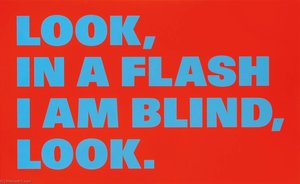
Zaugg’s most distinctive contribution lies in his utilization of language within his art. He didn't shy away from text; instead, he embraced it as a primary subject matter, exploring the inherent meaning and ambiguity embedded within words themselves. His paintings frequently featured phrases, single words, or snippets of sentences – often in multiple languages – presented with a deliberate lack of context. This wasn’t simply decorative; it was a calculated disruption of traditional visual hierarchies, forcing the viewer to actively engage with the text as an integral part of the artwork.
This approach stemmed from his belief that sight and consciousness are inextricably linked. He argued that our perception isn't a passive reception of external stimuli but an active construction shaped by our cognitive processes and linguistic frameworks. His seminal work, *Das Kunstmuseum, das ich mir erträume. Oder Der Ort des Werkes und des Menschen* (1987), articulated this philosophy with remarkable clarity, positioning the museum not as a repository of objects but as a dynamic space for interaction and interpretation – a place where the artwork and the viewer co-create meaning.
Major Works and Collaborations
Zaugg’s artistic output spanned various mediums, including paintings, works on paper, public sculptures, urban analysis, and architectural designs. His 1992 painting *Blind Bild* and *Blind Painting*, a striking monochrome work, exemplifies his exploration of the limits of perception – the moment when sight gives way to darkness, forcing a shift in consciousness. Similarly, *Mais moi je te vois, 2000* investigates the elusive nature of recognition, questioning whether true understanding is ever fully attainable.
In recent years, Zaugg’s work gained significant international attention through collaborations with renowned architects Herzog & de Meuron. These projects – including extensions to the Aargauer Kunsthaus in Aarau and his own studio, “Studio Rémy Zaugg” in Mulhouse-Pfastatt – weren't merely architectural endeavors; they were carefully considered environments designed to stimulate perception and provoke thought. The studio itself, included as a highlight at the 2001 Pritzker Prize ceremony, served as both a workspace and an exhibition space, embodying Zaugg’s holistic approach to art and architecture.
Legacy and Influence
Rémy Zaugg's influence extends far beyond his immediate artistic output. His theoretical writings, particularly *Das Kunstmuseum, das ich mir erträume*, have become essential texts for art historians and artists alike, providing a framework for understanding the complex relationship between perception, language, and representation. His questioning of established norms and his insistence on active viewer engagement continue to resonate within contemporary conceptual art practice.
Furthermore, his later work, particularly his collaboration with Xavier Douroux and the villagers of Blessey, exemplifies a commitment to social engagement and participatory art – a testament to Zaugg’s belief that art should not exist in isolation but rather contribute to a broader understanding of human experience. Rémy Zaugg remains a vital figure in 20th-century art, a philosopher who dared to challenge our assumptions about seeing, knowing, and the very nature of reality.
rémy zaugg
1943 - 2005
Osnovne informacije
- Artistic Movement Or Style: Conceptual art
- Artists Or Movements Influenced By This Artist: ['Herzog & de Meuron']
- Artists Who Influenced This Artist: ['Barnett Newman']
- Date Of Birth: January 11, 1943
- Date Of Death: August 23, 2005
- Full Name: Rémy Zaugg
- Nationality: Swiss
- Notable Artworks:
- BLIND BILD, 1992
- Mais moi je te vois, 2000
- Look, in a flash I am blind, look., 1998
- Place Of Birth: Courgenay, Jura, Switzerland