

 Pregledaj u prostoru
 Pošalji
 Podeli
 Detalji o delu

 Преузми
 Slični predmeti
 Rendgenski snimak
 Slajdovi
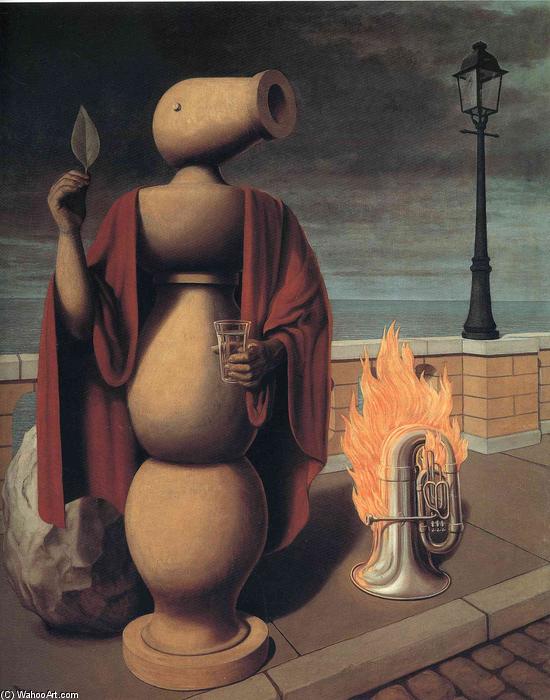
The Rights of Man


 Pročitaj više
Kupite digitalnu sliku visoke rezolucije i poboljšanog kvaliteta, koja je znatno superiornija od onoga što vidite u online prikazu.
Svaka datoteka je pedantno pripremljena od strane naših stručnjaka koristeći napredne alate i profesionalnu ručnu retušu. Osiguravamo da svaka slika ima izuzetnu oštrinu, preciznu reprodukciju boja i fine detalje.
Konačna datoteka se dostavlja putem e-pošte u roku od 72 sata, optimizovana za neposrednu upotrebu u profesionalnim, izdavačkim i štamparskim okruženjima. To je isti kvalitet kojem veruju vrhunski studiji dizajna, izdavači i galerije.
Digitalna slika
Preuzmite datoteku visoke rezolucije za ličnu upotrebu, štampanje i kreativne projekte. ( Kupi print Kupi ručno naslikanu sliku)
Uključeno uz svaku porudžbinu digitalne slike
Profesionalna digitalna isporuka, zagarantovana
Kada odaberete ArtsDot.com, ne dobijate samo sliku – vi primate profesionalno unapređeno digitalno umetničko delo, izrađeno sa najvećom preciznošću i uz garanciju zadovoljstva. Evo svega što automatski dolazi uz vašu porudžbinu:

Brza dostava putem e-pošte
Vaša digitalna slika visoke rezolucije biće vam poslata putem e-pošte u roku od 72 sata od poručivanja – spremna za trenutnu upotrebu.

Digitalna datoteka unapređena veštačkom inteligencijom
Vaše umetničko delo je profesionalno optimizovano korišćenjem naprednih AI alata i ručne obrade, čime se osiguravaju maksimalni detalji, oštrina i preciznost boja.

Besplatna ponovna isporuka doživotno
Slučajno ste obrisali ili izgubili svoju datoteku? Ne brinite – poslaćemo vam je ponovo u bilo kom trenutku, potpuno besplatno.

Bez troškova uvoza – zauvek
Uživajte u svojim umetničkim delima trenutno, bez carine, dažbina ili troškova dostave – digitalni download je uvek bez poreza.

Garancija vernosti boja
Uz pomoć profesionalnih alata i upravljanja bojama, osiguravamo da vaša digitalna slika što vernije odražava originalne boje.

Garancija zadovoljstva od 100 dana
Ako niste zadovoljni svojom digitalnom slikom, izvršićemo reviziju ili ćemo vam vratiti 100% novca u roku od 100 dana – bez ikakvih pitanja.

100% garancija povrata novca
Niste zadovoljni? Dobijte puni povraćaj novca u roku od 100 dana od prijema digitalne datoteke – bez suvišnih pitanja.

Popusti na velike porudžbine
Kupite 3 slike, uštedite 10% - Kupite 5 slika, uštedite 15% - Kupite 10+ slika, uštedite 20%. Odlično za kreativne projekte, galerije i agencije.
A Paradoxical Portrait: Unpacking the Enigmatic “Rights of Man”
René Magritte’s 1947 painting, "The Rights of Man," isn't a straightforward depiction of political advocacy. Instead, it presents a deliberately unsettling tableau—a clay statue holding a pipe in its mouth, positioned beside a fire hydrant against a backdrop of two simple cups. This seemingly mundane arrangement is, in fact, a masterful exercise in visual paradox and a profound meditation on representation, perception, and the elusive nature of reality – hallmarks of Magritte’s distinctive surrealist style. The work immediately challenges our assumptions about what we see, prompting us to question the relationship between image and object, symbol and meaning.
The choice of materials is crucial. The statue itself, rendered in a rough, almost primitive clay or ceramic texture, feels both ancient and vulnerable. Its stillness contrasts sharply with the implied activity of the pipe – an emblem of contemplation and perhaps even defiance. The fire hydrant, a commonplace urban fixture, introduces an element of jarring incongruity, disrupting any sense of serene order. The two cups, positioned in the background, could represent potential sustenance or simply serve as silent witnesses to this strange encounter. Magritte’s deliberate use of these ordinary objects elevates them into symbols, inviting viewers to project their own interpretations onto the scene.
The Shadow of Trauma and the Exploration of Hidden Realities
To understand "The Rights of Man," it's essential to consider René Magritte’s personal history. Born in Lessines, Belgium, in 1898, he experienced a deeply formative event at the age of thirteen: the suicide of his mother. The image of her body being recovered from the River Sambre, with her dress obscuring her face, became a recurring motif throughout his work – a veiled presence that hinted at loss, mystery, and the unseen aspects of human experience. This early trauma instilled within him a lifelong fascination with what remains hidden beneath the surface of things, a desire to expose the artificiality of our perceptions.
Magritte frequently employed this technique of obscuring figures or objects, creating a sense of unease and prompting viewers to actively engage in the process of interpretation. “The Rights of Man” can be seen as an extension of this strategy – a visual riddle designed to disrupt our comfortable assumptions about representation. The statue’s obscured face mirrors his mother's, subtly connecting the personal tragedy with broader themes of identity, memory, and the difficulty of truly knowing another person.
Surrealism, Symbolism, and the Questioning of Reality
Magritte was a key figure in the Surrealist movement, which sought to liberate art from the constraints of logic and reason. His work often juxtaposes unexpected elements – creating illogical scenarios that force us to confront the subjective nature of reality. “The Rights of Man” exemplifies this approach perfectly. It’s not about depicting a literal scene; it's about evoking an emotional response, prompting questions about how we perceive the world around us and what constitutes ‘truth.’
The painting’s composition is deliberately ambiguous. The lack of clear narrative or context encourages viewers to engage in active interpretation. Some scholars suggest that the statue represents a silent protest against injustice, while others see it as a commentary on the limitations of language and representation itself. Ultimately, Magritte offers no easy answers – he simply presents us with a provocative image that invites us to contemplate its deeper meaning.
A Legacy of Intrigue: Reproduction and Artistic Inspiration
René Magritte’s “The Rights of Man” continues to resonate with audiences today, influencing artists across various disciplines. Its enigmatic quality has inspired countless reproductions, offering a unique opportunity to bring this surrealist masterpiece into your home or studio. ArtsDot offers meticulously crafted hand-painted reproductions that faithfully capture the painting's intricate details and evocative atmosphere. Whether you’re an art enthusiast, collector, or simply seeking a captivating piece of décor, a reproduction of “The Rights of Man” is sure to spark conversation and add a touch of intellectual intrigue to your space.
Srodna umetnička dela
Biografija umetnika
Early Life and the Seeds of Surrealism
René Magritte, geboren René François Ghislain Magritte am 21. November 1898 in Lessines, Belgien, trat in eine Welt ein, die sein enigmatisches künstlerisches Sehen tiefgreifend prägen würde. Sein frühes Leben war geprägt von einem erschütternden Ereignis – dem Selbstmord seiner Mutter als er nur dreizehn Jahre alt war. Das Bild ihrer Leiche beim Wiederaufbau durch den Sambre Fluss mit ihrem Kleid, das ihr Gesicht verdeckte, wurde ein obsessives Motiv, das sich subtil in seinen späteren Arbeiten widerspiegelte und eine kontinuierliche Erforschung verborgener Realitäten zum Ausdruck brachte. Dieses frühe Trauma instillte ihm eine Faszination für Mysterium, Verlust und die erschreckende Macht dessen, was nicht gesehen wird. Obwohl Einzelheiten seines Kindeslebens nur schwer zu finden sind, ist klar, dass diese formative Erfahrung seinen lebenslangen Zweifel an Wahrnehmung und Darstellung begründete. Er begann mit Zeichnungen im Alter von zehn Jahren und offenbarte eine natürliche Neigung zum visuellen Ausdruck, erkundete aber zunächst Impressionismus bevor er einen Weg einschlug, der ihn dazu führte, einer der bedeutendsten Figuren in der Surrealistischen Kunst zu werden.
Artistic Development and Influences
Magrittes künstlerische Reise war nicht unmittelbar oder einfachweg erfolgreich. Er studierte an der Académie Royale des Beaux-Arts in Brüssel und fand ihre traditionellen Methoden erstickend. Sein frühes Werk experimentierte mit Futurismus und Kubismus und ließ sich Elemente dieser Avantgarde Bewegungen aufnehmen, lehnte aber deren ausschließlich formale Interessen ab. Es gelang ihm nicht bis zum Begegnen mit Giorgio de Chiricos Gemälde *Die Melodie der Liebe* im Jahr 1922, dass Magritte eine Resonanz entdeckte, die seinen künstlerischen Kurs für immer veränderte. De Chiricos traumhafte Landschaften und verstörende Kombinationen öffneten ihm einen neuen Blick – eine Welt, in der das Bekannte fremd erscheinen konnte und das Gewöhnliche tiefgreifende Mysterium aufnehmen konnte. Dieses Erlebnis entfachte sein Engagement für Surrealismus, obwohl er oft eine einzigartige Distanz zu seinen ausgeprägtesten psychologischen oder automatischen Ansätzen bewahrte. Er bevorzugte eine präzise Technik, um reale Szenarien darzustellen und ließ sich nicht von anderen Mitgliedern der Bewegung beeinflussen.
The Heart of Surrealism: Challenging Reality
Bis 1926 hatte Magritte sich vollständig dem Wesen des Surrealismus verschrieben und schuf *Le Jockey Perdu (Der Verlorene Jockey)*, das allgemein als sein erstes wirklich surrealistisches Werk angesehen wird. Allerdings war seine Art von Surrealismus einzigartig. Er interessierte sich nicht für die Erkundung des Unterbewusstseins durch frei assoziative oder traumhafte Bilder wie einige seiner Zeitgenossen. Stattdessen suchte Magritte nach einer neuen Möglichkeit zu sehen – eine Welt, in der das Bekannte fremd erscheinen konnte und das Gewöhnliche tiefgreifende Mysterium aufnehmen konnte. Er war nicht daran interessiert, die Oberfläche von Objekten zu erforschen oder eine bestimmte Perspektive einzunehmen wie andere Künstler seiner Zeit. Magritte konzentrierte sich darauf, die Wahrnehmung von Realität herauszufordern, indem er alltägliche Objekte in unerwarteten Kontexten präsentierte und damit dazu aufforderte, eigene Annahmen über die Welt um uns herum zu hinterfragen.
Iconic Works: Paradoxes of Perception
Magritte’s oeuvre is marked by a distinctive preoccupation with paradoxes – visual illusions that disrupt our understanding of reality and invite contemplation. *Les Amants (Die Liebenden)*, geschaffen zwischen 1927 und 1928, zeigt zwei Figuren hinter einem Vorhang, deren Gesichter verdeckt sind und somit eine zentrale Frage aufwirft: Wie können wir wirklich sehen? Diese berühmte Darstellung wird oft als ein Echo des frühen Traumas von Magrittes Mutter interpretiert – einer Figur, die sowohl eine Faszination für Geheimnis und Intimität als auch eine Reflexion über Verlust und Verbergenheit zum Ausdruck bringt. *The Treachery of Images (Dieses Bild ist kein Rohr)* (1929) ist ein Meisterwerk der Surrealistischen Kunst und stellt einen klassischen Fall von Dekonstruktion dar: Ein Bild wird nicht das Ding selbst, sondern lediglich eine Darstellung davon. Magritte nutzt eine hohe technische Präzision und eine sorgfältige Auswahl von Materialien, um diese paradoxe Aussage zu verstärken und uns daran zu erinnern, dass eine Repräsentation niemals die Sache ist.
Legacy and Influence
Despite initial difficulties in gaining recognition, Magritte’s work gradually gained prominence, insbesondere in den Vereinigten Staaten mit Ausstellungen im Jahr 1936 und später retrospektiven Veranstaltungen beim Museum of Modern Art (1965) und dem Metropolitan Museum of Art (1992). Er blieb politisch engagiert und setzte sich für künstlerische Autonomie ein. Er entwickelte weiterhin seinen unverwechselbaren Stil und erkundete Themen wie Wiederholung, Täuschung und die Macht der Sprache in Gemälden, die sowohl intellektuell anregend als auch visuell beeindruckend sind. Magritte starb am 15. August 1967 und hinterließ ein Werkkörper, das weiterhin Publikum weltweit fasziniert und herausfordert. Sein Einfluss reicht weit über die Malerei hinaus und umfasst Pop Art, Minimalismus und Konzeptkunst.
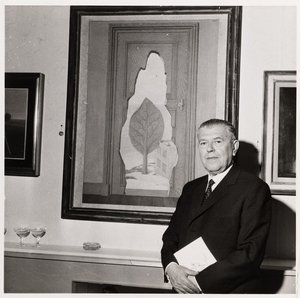
Рене Магрит
1898 - 1967 , Belgija
Kratke činjenice
- Artistic Movement Or Style: Surrealizam
- Artists Who Influenced This Artist: ['Žorž De Čiriko']
- Date Of Birth: 21 novembra 1898
- Date Of Death: 15 augusta 1967
- Full Name: René François Ghislain Magritte
- Nationality: Belgijac
- Notable Artworks:
- Les Amants
- Trešcarenj ulaga
- Vreme zamrzeno
- Čovečanstvo
- Place Of Birth: Lesennes, Belgiju