


 Pregledaj u prostoru
 Pošalji
 Podeli
 Detalji o delu

 Преузми
 Slični predmeti
 Rendgenski snimak
 Slajdovi
 Statistika
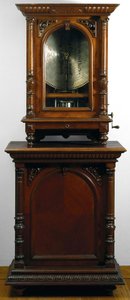
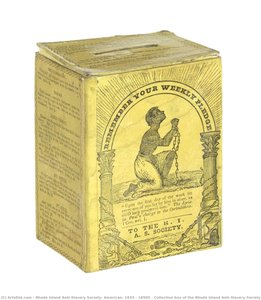
Collection box of the Rhode Island Anti-Slavery Society owned by Garrison family


 Pročitaj više
Giclee štampa / Umetnički otisak
Giclée štampa ili print na platnu muzejskog kvaliteta uz brzu proizvodnju i fleksibilne opcije završne obrade. ( Kupi ručno naslikanu sliku Pređi na digitalnu sliku)




































Izaberite jednu od naših unapred definisanih veličina koje odgovaraju originalnim proporcijama umetničkog dela.

Možete uneti sopstvene dimenzije kako biste umetničko delo prilagodili specifičnom okviru ili prostoru. Ako odabrani format ne odgovara proporcijama originalne slike, mi ćemo ili iscrtati deo dela ili proširiti sliku pomoću ogledane ivice ili jednobojnog popunjavanja. Digitalni prikaz će vam biti poslat na odobrenje pre početka proizvodnje.
Imajte na umu da pregled na ekranu ne odražava stvarno iscrtavanje ili proširivanje. Samo će prikaz (mockup) precizno pokazati finalnu kompoziciju.
Iako su prilagođene dimenzije dostupne, preporučujemo da odaberete dimenziju sa unapred definisane liste kako biste očuvali originalne proporcije.
Dostava širom sveta () za 2 nedelje umesto uobičajenih 4/5 nedelja. (15 септембар)

Besplatna ekspresna dostava širom sveta

Visokokvalitetno laneno platno

Kompletno osiguranje transporta

Garancija povraćaja carine i uvoznih dažbina

Garancija vernosti boja

Politika povraćaja u roku od 100 dana (isključivo u slučaju nedostataka)

Garancija povrata novca od 100%

Popust pri grupnoj kupovini
 Opcija sa staklom dostupna je samo za dimenzije manje od 110 cm

Collection box of the Rhode Island Anti-Slavery Society owned by Garrison family
Giclee štampa / Umetnički otisak
Dimenzije reprodukcije
-


Konačna cena
$ 62
Srodna umetnička dela

Biografija umetnika
Rhode Island Anti-Slavery Society: A Canvas for Abolitionist Ideals
The Rhode Island Anti-Slavery Society stands as a poignant testament to the fervent spirit of reform that gripped America during its formative years—specifically between 1833 and the mid-1850s. More than just an organization, it represented a collective commitment to challenging the entrenched institution of slavery and advocating for the fundamental rights of African Americans, achievements which are reflected in their artistic endeavors. Examining these works offers invaluable insight into the moral landscape of the era and illuminates the creative responses to pressing social concerns. Founded in Providence, Rhode Island, in 1833, the Society quickly gained momentum thanks to the tireless efforts of prominent abolitionists like William Lloyd Garrison and Frederick Douglass. Its mission was unambiguous: to dismantle slavery through legal reform, moral persuasion, and active resistance.
Recognizing that visual communication could powerfully convey their beliefs, members embarked on a project that transcended mere fundraising—they commissioned artistic creations designed to galvanize public opinion and solidify the Society’s commitment to its cause. Perhaps the most enduring symbol of the Rhode Island Anti-Slavery Society's artistic output is their ingenious cardboard coin collection box. Produced in two pieces—a top with a slot for donations and a base—this unassuming object served as more than just a receptacle for funds; it functioned as a visual declaration of intent. The centerpiece was a tableau depicting an enslaved figure kneeling before implements of bondage, skillfully rendered by the artist Robert Julian Onderdonk. This image powerfully conveyed the dehumanizing realities of slavery and underscored the Society’s determination to confront injustice head-on.
The Symbiosis of Art and Activism
The artistry produced under the auspices of the Society was never purely decorative; it was deeply embedded in the struggle for human dignity. The visual language used by the Society sought to bridge the gap between the abstract concept of injustice and the visceral reality of suffering. By utilizing accessible mediums like cardboard and print, they ensured that their message could permeate various levels of society, reaching beyond elite galleries into the hands of everyday citizens. This period of creative output is characterized by a profound sense of moral urgency, where every brushstroke and printed line served as an instrument of protest.
The historical significance of these works lies in their ability to act as both a mirror to the era's cruelty and a window into its hope. The Society’s artistic legacy includes:
- Visual Advocacy: Using imagery to humanize those affected by slavery and provoke empathy in the viewer.
- Material Innovation: Utilizing everyday objects, such as collection boxes, to turn fundraising tools into powerful propaganda for freedom.
- Collaborative Spirit: Bringing together prominent artists and political activists to create a unified front against oppression.
As we look back upon the contributions of the Rhode Island Anti-Slavery Society, we see more than just historical artifacts; we encounter a vibrant, breathing movement that used the power of the image to demand a more just world. Their work remains a vital chapter in American history, reminding us that art has always been a potent force in the pursuit of social transformation.
rhode island anti-slavery society, american, 1833 - 1850s
1833 - 1850 , United States of America
Osnovne informacije
- Artistic Movement Or Style: Abstract Expressionism, Academicism, Cubism
- Artists Or Movements Influenced By This Artist: ['European Academies']
- Artists Who Influenced This Artist: ['Robert Julian Onderdonk']
- Full Name: Rhode Island Anti-Slavery Society
- Nationality: American
- Notable Artworks: ['Morning in the Live Oaks']
- Place Of Birth: United States of America
Povezani članci

Academic Realism's Finest: 10 Masterpieces for Art Lovers & Home Decor
Explore 10 defining Academic Realism masterpieces by Bouguereau, Gérôme & Cabanel. Discover the stories behind these iconic paintings and bring timeless art into your home with museum-quality reproductions from ArtsDot.com. Explore the full collection online!

Romantic Realism's Finest: 10 Masterpieces for Your Home | ArtsDot
Explore 10 defining masterpieces of Romantic Realism! Discover Courbet, Millet & Daumier's powerful paintings—capturing emotion and social realities. Find museum-quality reproductions for your home at ArtsDot.com.

Echoes of Society: Exploring Social Realism's Enduring Legacy in Art
Explore the powerful world of Social Realism art! Discover key artists, masterpieces & its profound social commentary. Expert insights into this influential movement's history and enduring legacy.
The Evocative Embrace of Reality: Exploring Romantic Realism in 19th-Century Painting
Explore the captivating world of Romantic Realism! Discover key artists like Courbet & Millet, masterpieces, and the social context behind this influential art movement. Expert insights for collectors at ArtsDot.

The Poetic Truth of Observation: Exploring 19th-Century Realism in Painting
Explore the captivating world of 19th-century Realism! Discover key artists like Courbet & Millet, masterpieces, and the powerful social commentary behind this influential art movement. Expert insights at ArtsDot.