

 Pregledaj u prostoru
 Pošalji
 Podeli
 Detalji o delu

 Преузми
 Slični predmeti
 Rendgenski snimak
 Slajdovi
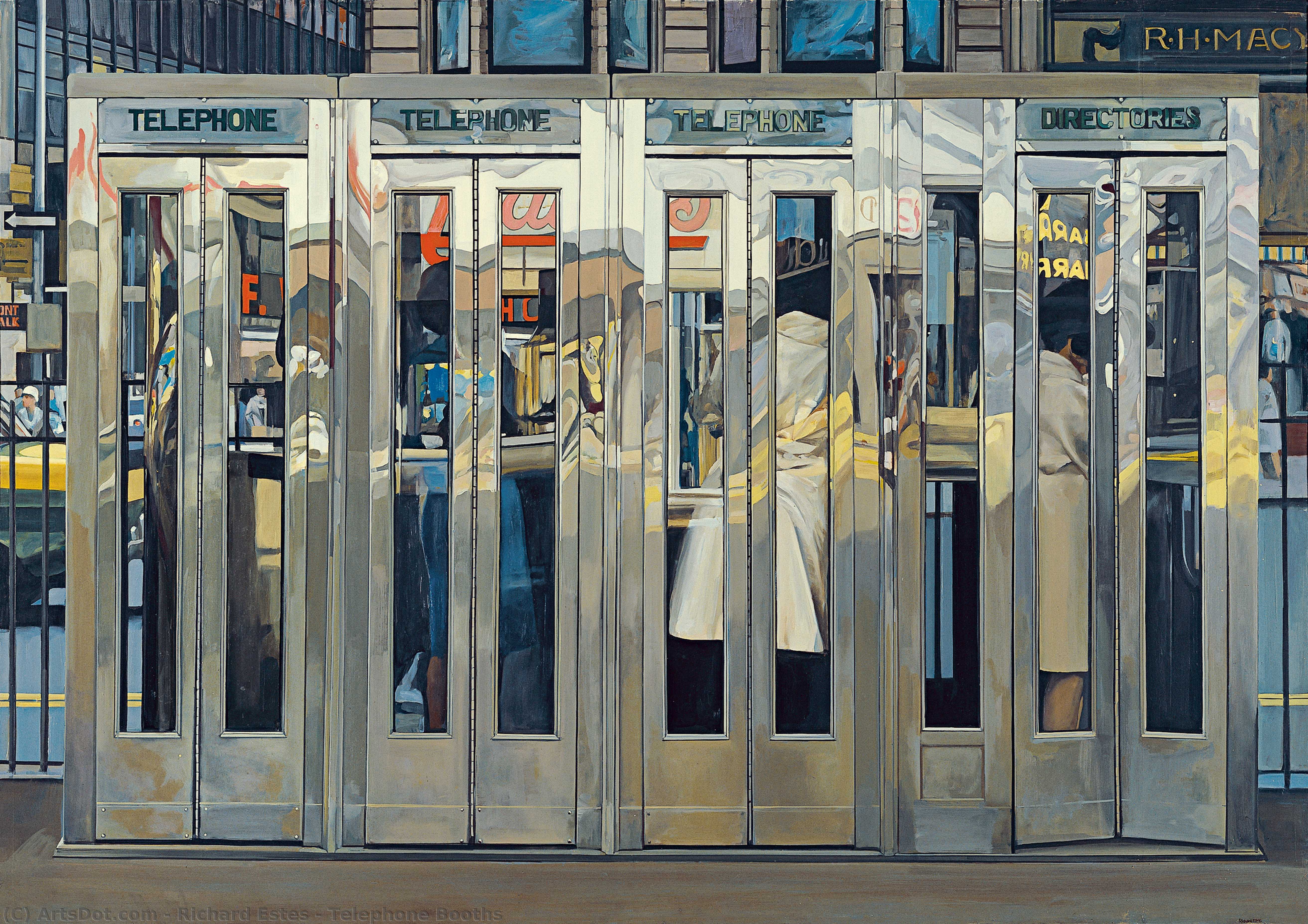
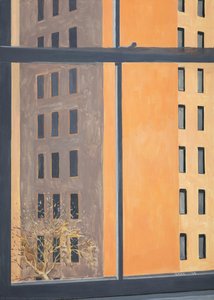
Telephone Booths


 Pročitaj više
Ručno rađena uljana reprodukcija
Ručno oslikano uljanim bojama na platnu u dimenzijama i okviru po vašem izboru, izrađeno po porudžbini od strane naših umetnika. ( Kupi print Kupi digitalnu sliku)




P118B $10

P118H $10

P118W $10

P438Z $10

P508JH $12

P508YH $12

P805H $10

P805Z $10

P919BZ $10

P919G $10

P919XJ $10

P959ZH $10

P968JZ $12

W106C $8

W218G $10

W218JH $8

W218Y $10

W307PJ $10

W316G $10

W316PJ $8

W316Y $10

W398PJ $8

W4111J $10

W500HY $15

W500JH $15

W692G $12

W849H $8

W940BG $15

W953PJ $8




Izaberite jednu od naših unapred definisanih veličina koje odgovaraju originalnim proporcijama umetničkog dela.

Можете унети сопствене димензије како бисте прилагодили дело одређеном оквиру или простору. Ако одабрана величина не одговара пропорцијама оригинала, слика ће бити исечена или проширена додатним елементима који се ручно насликавају. Дигитални prikaz ће вам бити послат на одобрење пре почетка производње.
Имајте на уму да преглед на екрану не одражава стварно исецање или проширење. Само приказ (mockup) ће тачно приказати коначну композицију.
Иако су доступне прилагођене величине, препоручујемо да одаберете димензију из дефинисане листе како бисте сачували оригиналне пропорције.
Nakon narudžbine, tim ArtsDot.com će klijentu putem e-pošte poslati uputstva i dostaviti prikaz predloženog rešenja
Isporuka širom sveta () za 3/4 nedelje umesto uobičajenih 5 nedelja. (7 септембар). Bez kompromisa po pitanju kvaliteta.

Besplatna ekspresna dostava širom sveta

Visokokvalitetno laneno platno

Kompletno osiguranje transporta

Garancija povraćaja carine i uvoznih dažbina

Garancija vernosti boja

Politika povraćaja u roku od 100 dana (isključivo u slučaju nedostataka)

Garancija povrata novca od 100%

Popust pri grupnoj kupovini
 Opcija sa staklom dostupna je samo za dimenzije manje od 110 cm

Telephone Booths
Tehnika reprodukcije
Dimenzije reprodukcije
-


Konačna cena
$ 363
A Window Into Urban Reflection: Exploring Richard Estes’ “Telephone Booths”
Richard Estes, born in 1932 in Kewanee, Illinois, represents a cornerstone of contemporary realism—a movement dedicated to portraying the world with uncompromising accuracy and capturing its subtle nuances. His singular approach distinguishes him from many of his peers; Estes doesn't merely depict what he observes but actively transforms it into an experience for the viewer, inviting contemplation on the beauty inherent in commonplace urban environments. This fascination began during his formative years at the Art Institute of Chicago (1952-1956), where he absorbed the influence of artistic titans like Edgar Degas, Edward Hopper, and Thomas Eakins—artists who instilled within him a deep appreciation for realism’s ability to convey profound narrative depth. This intellectual grounding fueled his subsequent decade as a graphic artist in Chicago and New York, providing invaluable experience alongside continuous refinement of his artistic vision.- Subject Matter: Estes' “Telephone Booths” presents a meticulously rendered tableau of vintage telephone booths nestled within an urban landscape—a scene deliberately chosen to encapsulate the essence of mid-century American life. The artist eschews grand narratives, focusing instead on capturing the quiet dignity and understated beauty of architectural spaces populated by ordinary individuals.
- Style: Estes’ style is undeniably rooted in geometric abstraction, albeit executed with breathtaking realism. He employs precise lines and shapes—primarily rectangles defining the booths and rounded windows—to construct a landscape that feels both meticulously planned and instinctively truthful. This stylistic choice isn't merely decorative; it serves to heighten the visual impact and emphasize the underlying structure of the scene.
- Technique: Estes’ mastery lies in his innovative use of optical illusion achieved through layering multiple coats of oil paint on canvas. He skillfully manipulates reflections—particularly those cast by glass windows—to create a convincing sense of depth and atmosphere. This technique demands painstaking attention to detail, capturing the subtle sheen of metal surfaces and the diffused light filtering into the booths with remarkable fidelity.
- Historical Context: Created in 1967, “Telephone Booths” emerged during a period of significant artistic experimentation following World War II. Estes’ work aligns itself with the broader trend toward geometric abstraction while simultaneously upholding the tenets of realism—a paradoxical combination that reflects the anxieties and aspirations of the era. It speaks to a desire for clarity and precision amidst the complexities of postwar society.
- Symbolism & Emotional Impact: Beyond its visual splendor, “Telephone Booths” carries symbolic weight. The telephone booths themselves represent communication – both literal and metaphorical – connecting individuals within a larger urban context. Estes’ deliberate use of reflection underscores themes of perception and illusion, prompting viewers to consider how our understanding of reality is shaped by external stimuli. Ultimately, the painting evokes a feeling of nostalgic contemplation—a yearning for simpler times while acknowledging the enduring beauty of everyday life.
Srodna umetnička dela



Povezani članci
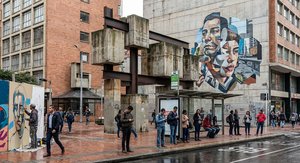
Concrete Narratives: Exploring Urban Life in Modern & Contemporary Art
Explore the evolution of cityscape painting with ArtsDot. Discover key artists from Realism to contemporary movements & invest in timeless urban visions. Expert guidance, museum-quality reproductions.

Concrete Visions: Exploring Representations of Urban Life in Modern & Contemporary Art
Explore the evolution of cityscape painting from Realism to contemporary art. Discover key artists & invest in timeless urban visions with ArtsDot's expert guidance and museum-quality reproductions.
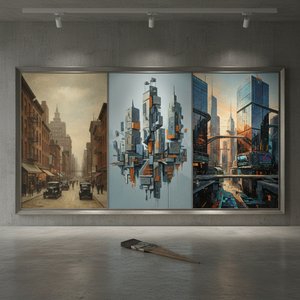
Concrete Visions: Exploring the Urban Landscape in Painting – From Realism to Contemporary Art
Explore the evolution of cityscape painting from Realism to contemporary art with ArtsDot. Discover key artists & invest in timeless urban visions. Expert guidance, museum-quality reproductions.

William Trost Richards: Luminism, Spirituality & the American Landscape Tradition
Explore the captivating landscapes of William Trost Richards, a master of Luminism associated with both the Hudson River School & American Pre-Raphaelite movements. Discover his spiritual connection to nature and lasting influence on American art.
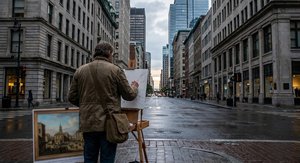
Urban Visions: A Historical & Artistic Exploration of the Cityscape in Painting
Explore the evolution of cityscape painting from historical maps to Impressionist masterpieces. Discover artists like Caillebotte & Utrillo. Find museum-quality reproductions at ArtsDot.