 Pregledaj u prostoru
 Pošalji
 Podeli
 Detalji o delu

 Преузми
 Slični predmeti
 Rendgenski snimak
 Slajdovi
 Statistika
Кухня с петлицей
 Akril na platnu
- Umetnost za zidove
- Synthetism and Breton Modernism
 1896
1896 26.0 x 11.0 cm
 Nemački istorijski muzej
 Pročitaj više
Ručno rađena uljana reprodukcija
Ručno oslikano uljanim bojama na platnu u dimenzijama i okviru po vašem izboru, izrađeno po porudžbini od strane naših umetnika. ( Pređi na štampu Pređi na digitalnu sliku)




P118B $10

P118H $10

P118W $10

P438Z $10

P508JH $12

P508YH $12

P805H $10

P805Z $10

P919BZ $10

P919G $10

P919XJ $10

P959ZH $10

P968JZ $12

W106C $8

W218G $10

W218JH $8

W218Y $10

W307PJ $10

W316G $10

W316PJ $8

W316Y $10

W398PJ $8

W4111J $10

W500HY $15

W500JH $15

W692G $12

W849H $8

W940BG $15

W953PJ $8




Izaberite jednu od naših unapred definisanih veličina koje odgovaraju originalnim proporcijama umetničkog dela.

Можете унети сопствене димензије како бисте прилагодили дело одређеном оквиру или простору. Ако одабрана величина не одговара пропорцијама оригинала, слика ће бити исечена или проширена додатним елементима који се ручно насликавају. Дигитални prikaz ће вам бити послат на одобрење пре почетка производње.
Имајте на уму да преглед на екрану не одражава стварно исецање или проширење. Само приказ (mockup) ће тачно приказати коначну композицију.
Иако су доступне прилагођене величине, препоручујемо да одаберете димензију из дефинисане листе како бисте сачували оригиналне пропорције.
Nakon narudžbine, tim ArtsDot.com će klijentu putem e-pošte poslati uputstva i dostaviti prikaz predloženog rešenja
Isporuka širom sveta () za 3/4 nedelje umesto uobičajenih 5 nedelja. (9 септембар). Bez kompromisa po pitanju kvaliteta.

Besplatna ekspresna dostava širom sveta

Visokokvalitetno laneno platno

Kompletno osiguranje transporta

Garancija povraćaja carine i uvoznih dažbina

Garancija vernosti boja

Politika povraćaja u roku od 100 dana (isključivo u slučaju nedostataka)

Garancija povrata novca od 100%

Popust pri grupnoj kupovini
 Opcija sa staklom dostupna je samo za dimenzije manje od 110 cm

Кухня с петлицей
Tehnika reprodukcije
Dimenzije reprodukcije
-


Konačna cena
$ 263
Richard Riemerschmid i „Jajko kukurica“ – Odsjek umjetnosti
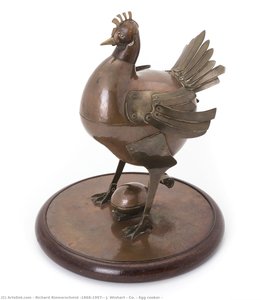
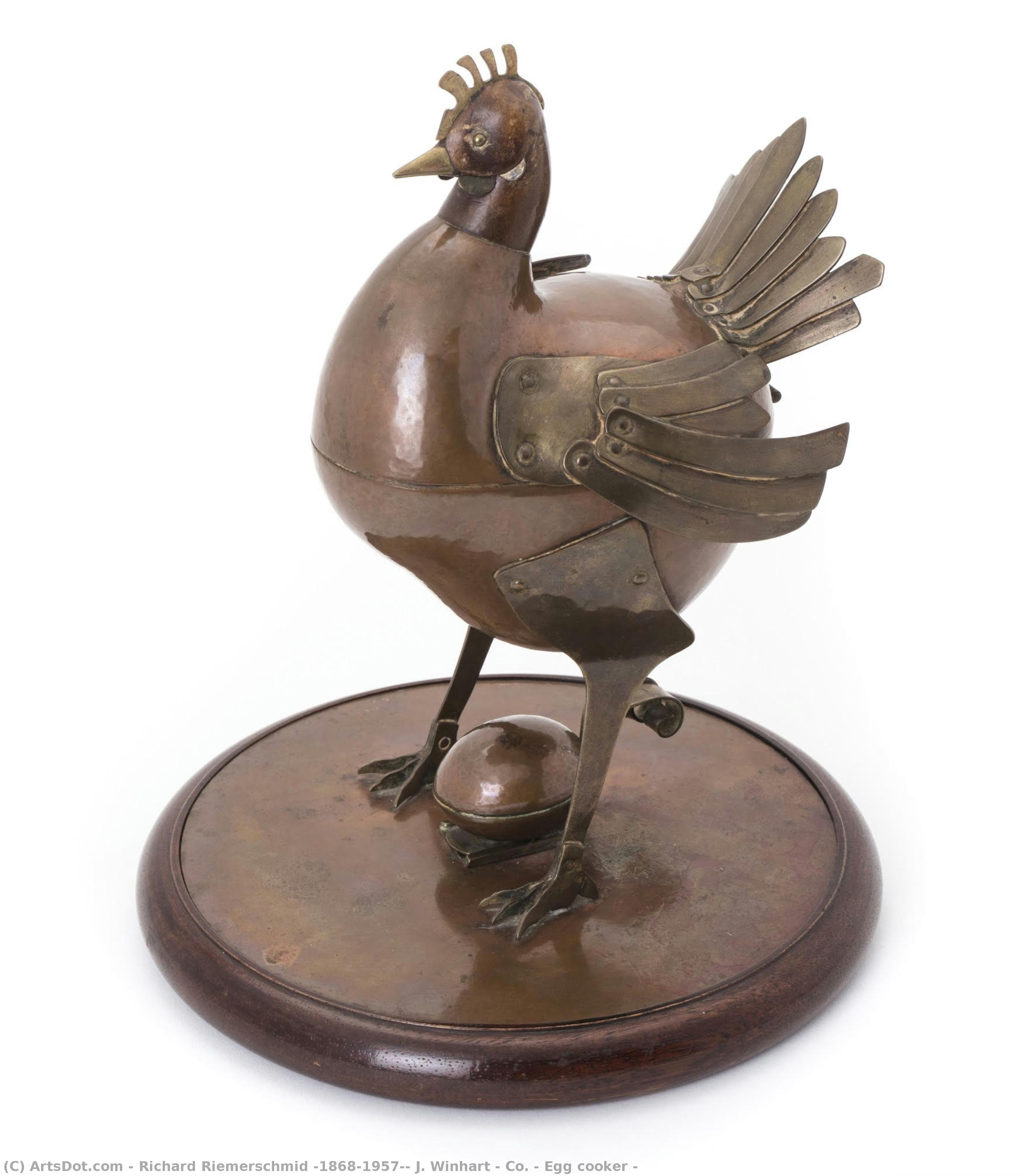
Koju je umjetničku vrijednost ovaj komad treba gledati kroz prizmicu jednostavne slike kokošiće koja stoji na jednoj nogi, uzdignutom stopalom u zrak. Ovo nije samo životinja nego simbol koji je izraženo u sofisticiranom materijalu – bronce ili željeza – što mu daje izgled starih vremena i podsjeća na arhitektonsku estetiku Art Nouveau.
- Naziv umjetvića: „Jajko kukurica“
- Umjetnik: Richard Riemerschmid (1868–1957), J. Winhart & Co.
- Godina stvaranja: 1896
- Dimenzije: 26 x 11 cm
Komad je nastao u zlatnoj eri njemačke umjetnosti Art Nouveau, odnosno Jugendstila. Ovaj stil karakterizira estetiku elegancije i prirodnih motiva koji su se pojavljivali u arhitekturi, dekoraciji i umjetničkim predmetima toga vremena. Bernard Riemerschmid bio je jedan od vodećih arhitekti tog doba koji je koristio inovativne tehnike kako bi stvarao djela koja su bila istinski impresivna.
Željnoća za prikazom prirodnih elemenata kao što su životinje i ptice nije slučajna. Kokošiće, simbol plodnosti i novog početka, često su korišteni u dekoraciji Art Nouveau kako bi se evocirao osjećaj harmonije i lepote prirode. Ova figura je izražena u detaljnom materijalu koji koristi Riemerschmid – bronza ili željezo – što dodatno pojačava njegov umjetnički pečat.
- Materijal: Bronza ili Željezo
- Stil: Art Nouveau / Jugendstil
- Tehnika: Sculpturing
„Jajko kukurica“ nije samo dekorativni predmet; predstavlja filozofiju umjetnosti koja je bila dominantna u svojim vremenima. Kako umjetnici pokušavaju prenijeti ljepotu svijeta oko sebe i njegovu unutarnju harmoniju, ovaj komad Riemerschmidova djela potvrđuje važnost korištenja prirodnih motiva i sofisticiranih tehnika kako bi se postigao maksimalan efekt.
Ako želite dodati umjetničku vrijednost svom prostoru ili pronaći inspiraciju za novi projekt dekoracije, reprodukcija ovog komada će biti odlična opcija. Kvalitetna kopija omogućava vam da uživate u ljepoti originala bez cijene i komplikacija koje bi se pojavile prilikom stvaranja vlastite umjetnosti.
Srodna umetnička dela

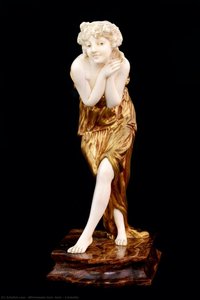
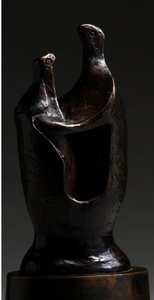
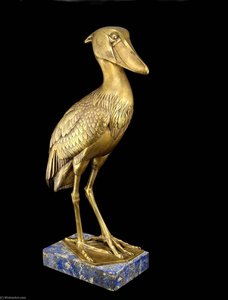
Biografija umetnika
Émile Bernard: A Pioneer of Synthetism and Breton Modernism
Émile Henri Bernard (1868-1941) was a French painter whose career, though relatively brief, profoundly impacted the trajectory of modern art. Born in Lille, France, into a family marked by hardship – his mother’s laundry business providing a modest but vital income – Bernard's early life instilled within him a deep appreciation for craftsmanship and a keen awareness of social realities. This background would later inform his artistic vision, shaping his commitment to portraying the lives of ordinary people and exploring themes of poverty, spirituality, and the transformative power of art itself. His journey through the vibrant Parisian art scene during the late 19th and early 20th centuries intertwined him with some of the most influential figures of the era, including Vincent van Gogh, Paul Gauguin, and Eugène Boch, ultimately leading him to develop a unique artistic style known as synthetism.Early Influences and Artistic Training
Bernard’s formal training began at the École des Arts Décoratifs in Paris, where he initially experimented with Impressionistic techniques under the guidance of Jean-Léon Gérôme. However, it was his time at the Atelier Cormon that proved pivotal. Here, he encountered a more radical approach to painting, influenced by the Pointillist theories of Georges Seurat and the burgeoning interest in Japanese art. This period saw him develop a meticulous attention to detail and an exploration of color theory, laying the groundwork for his later stylistic innovations. Crucially, it was during this time that Bernard formed close friendships with fellow artists Louis Anquetin and Henri de Toulouse-Lautrec, forging a network of artistic exchange that would prove invaluable throughout his career.The Rise of Synthetism and Breton Modernism
Bernard’s most significant contribution to the art world lies in the development of synthetism – a style characterized by its deliberate simplification of form, flattened perspective, and emphasis on color as an independent expressive element. Rejecting the Impressionist pursuit of capturing fleeting moments of light and atmosphere, Bernard sought to create paintings that were more akin to symbolic representations, conveying emotional states and spiritual ideas through abstract forms and vibrant hues. This approach aligned him with a group of artists known as “Breton Modernists,” including Gauguin, Boch, and van Gogh, who shared a desire to break free from traditional academic conventions and explore new modes of artistic expression. Bernard’s work became deeply intertwined with the burgeoning Breton avant-garde movement, which championed experimentation, social critique, and a rejection of bourgeois values. His paintings often depicted scenes of poverty and hardship, reflecting his own experiences and his empathy for the marginalized members of society.Key Works and Artistic Techniques
Bernard’s oeuvre is remarkably compact, considering the intensity of his artistic output during his relatively short career. Notable works include *Émile Bernard et Paul Gauguin à Atzè* (1897), a poignant depiction of his friendship with Gauguin in Tahiti; *The Breton Women in a Green Pasture* (1888), showcasing his early interest in depicting rural life; and numerous studies of the Parisian working class. His technique involved layering thin washes of color, often applied directly from the tube, to create luminous surfaces and achieve a sense of immediacy. He frequently employed a limited palette, prioritizing complementary colors to heighten visual impact. Bernard’s use of line was equally distinctive, characterized by bold, gestural strokes that conveyed both energy and emotional intensity.Legacy and Historical Significance
Despite his relatively short career, Émile Bernard left an indelible mark on the development of modern art. His pioneering work in synthetism paved the way for later abstract movements, while his commitment to social realism and Breton Modernism contributed significantly to the broader cultural context of the early 20th century. His exploration of spirituality and symbolism resonated with a generation grappling with profound societal changes and seeking new ways to express their beliefs. Today, Bernard’s paintings are recognized as important examples of late-19th and early-20th-century art, offering valuable insights into the complex dynamics of artistic innovation and social transformation. His legacy continues to inspire artists who seek to challenge conventional notions of representation and explore the expressive potential of color and form.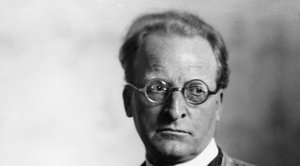
richard riemerschmid (1868–1957), j. winhart & co.
1868 - 1957 , Germany
Osnovne informacije
- Artistic Movement Or Style:
- Post-Impressionism
- Cloisonnism
- Synthetism
- Artists Or Movements Influenced By This Artist:
- André Derain
- Maurice Denis
- Artists Who Influenced This Artist:
- Vincent van Gogh
- Paul Gauguin
- Eugène Boch
- Paul Cézanne
- Date Of Birth: April 28, 1868
- Date Of Death: April 16, 1941
- Full Name: Émile Henri Bernard
- Nationality: French
- Notable Artworks:
- Émile Bernard in a Green Pasture
- The Breton Women in a Green Pasture
- Place Of Birth: Lille, France
Povezani članci

The Enduring Legacy of Bronze Sculpture: A Collector's Guide to Form & Cultural Significance
Explore the rich history & enduring appeal of bronze sculpture with expert insights for collectors at ArtsDot. Learn about casting techniques, iconic artists, and collecting tips to build a discerning art collection.

The Enduring Legacy of Bronze: A Historical & Artistic Exploration for the Collector
Explore the rich history & enduring appeal of bronze sculpture with expert insights for collectors at ArtsDot. Learn about casting techniques, iconic artists, collecting tips & contemporary interpretations.

Bronze Age to Modern Masters: 10 Sculptures That Redefined Art | ArtsDot
Journey through art history with 10 legendary bronze sculptures – from Michelangelo's David to Rodin’s Thinker. Explore the stories, techniques & timeless beauty of these masterpieces. Find museum-quality reproductions & elevate your home decor on ArtsDot.com.
The Enduring Legacy of Bronze: History, Technique & Artistic Expression for the Collector
Explore the rich history & enduring appeal of bronze sculpture with expert insights for collectors at ArtsDot. Learn about casting techniques, iconic artists, and collecting tips.

Bronze Sculptures That Defined Art History | ArtsDot
Journey through art history with our Top 10 bronze sculptures! Explore masterpieces by Rodin, Michelangelo & more. Discover stories behind iconic statues and find museum-quality reproductions for your home decor at ArtsDot.com.