

 Pregledaj u prostoru
 Pošalji
 Podeli
 Detalji o delu

 Преузми
 Slični predmeti
 Rendgenski snimak
 Slajdovi
 Stats
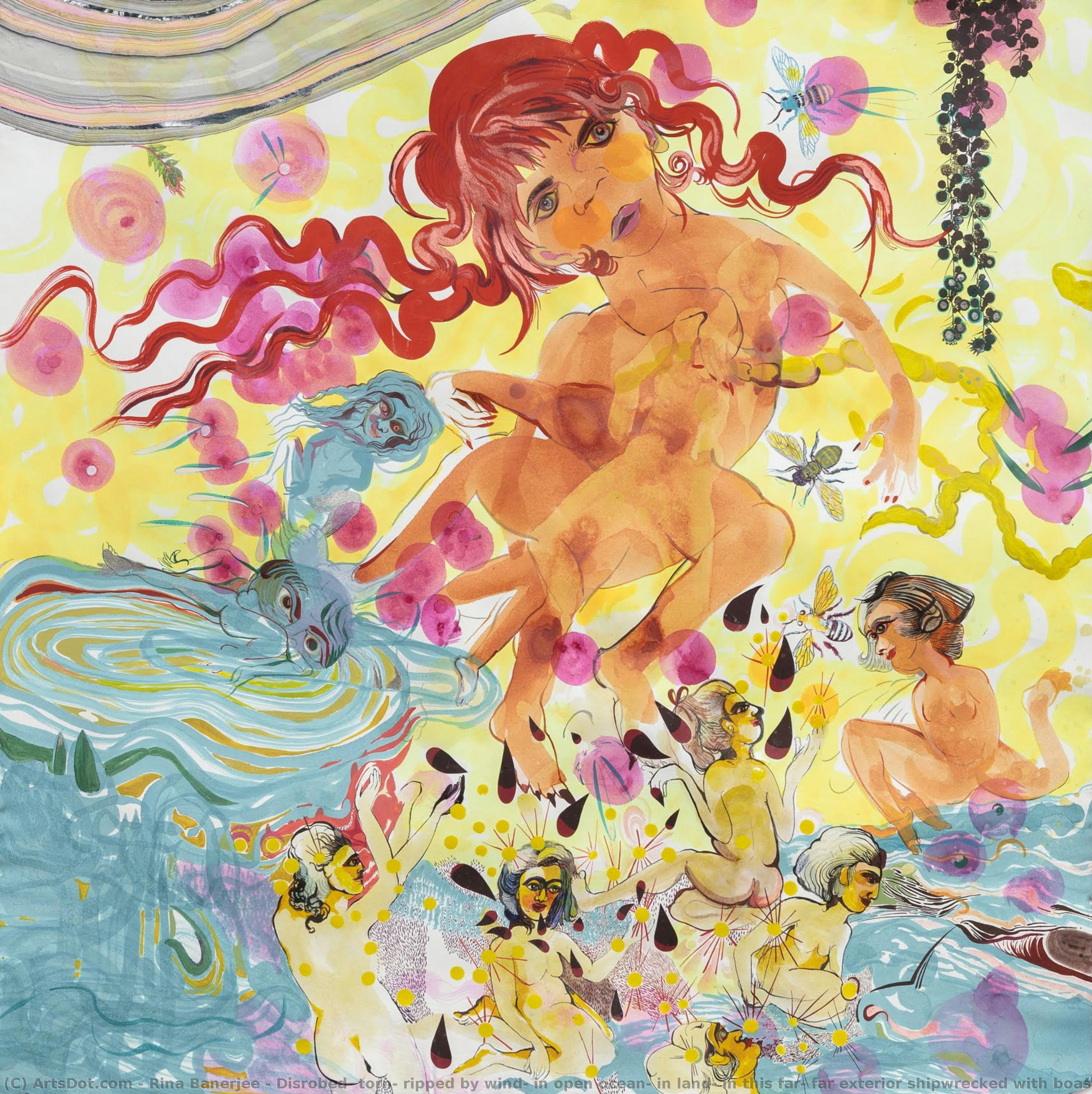
StatsDisrobed, torn, ripped by wind, in open ocean, in land, in this far, far exterior shipwrecked with boastful flesh on land


 Pročitaj više
Ručno rađena uljana reprodukcija
Ručno oslikano uljanim bojama na platnu u dimenzijama i okviru po vašem izboru, izrađeno po porudžbini od strane naših umetnika. ( Switch to Print Switch to Digital Image)




P118B $10

P118H $10

P118W $10

P438Z $10

P508JH $12

P508YH $12

P805H $10

P805Z $10

P919BZ $10

P919G $10

P919XJ $10

P959ZH $10

P968JZ $12

W106C $8

W218G $10

W218JH $8

W218Y $10

W307PJ $10

W316G $10

W316PJ $8

W316Y $10

W398PJ $8

W4111J $10

W500HY $15

W500JH $15

W692G $12

W849H $8

W940BG $15

W953PJ $8




Izaberite jednu od naših unapred definisanih veličina koje odgovaraju originalnim proporcijama umetničkog dela.

Можете унети сопствене димензије како бисте прилагодили дело одређеном оквиру или простору. Ако одабрана величина не одговара пропорцијама оригинала, слика ће бити исечена или проширена додатним елементима који се ручно насликавају. Дигитални prikaz ће вам бити послат на одобрење пре почетка производње.
Имајте на уму да преглед на екрану не одражава стварно исецање или проширење. Само приказ (mockup) ће тачно приказати коначну композицију.
Иако су доступне прилагођене величине, препоручујемо да одаберете димензију из дефинисане листе како бисте сачували оригиналне пропорције.
Nakon narudžbine, tim ArtsDot.com će klijentu putem e-pošte poslati uputstva i dostaviti prikaz predloženog rešenja
Isporuka širom sveta () za 3/4 nedelje umesto uobičajenih 5 nedelja. (8 септембар). Bez kompromisa po pitanju kvaliteta.

Besplatna ekspresna dostava širom sveta

Visokokvalitetno laneno platno

Kompletno osiguranje transporta

Garancija povraćaja carine i uvoznih dažbina

Garancija vernosti boja

Politika povraćaja u roku od 100 dana (isključivo u slučaju nedostataka)

Garancija povrata novca od 100%

Popust pri grupnoj kupovini
 Opcija sa staklom dostupna je samo za dimenzije manje od 110 cm

Disrobed, torn, ripped by wind, in open ocean, in land, in this far, far exterior shipwrecked with boastful flesh on land
Tehnika reprodukcije
Dimenzije reprodukcije
-


Konačna cena
$ 263
Rina Banerjee’s Sculptural Explorations of Displacement and Memory
Rina Banerjee's artistic vision transcends mere visual representation; it delves into the profound complexities of identity formation amidst historical upheaval and migration experiences. Her sculptural assemblages stand as powerful testimonies to the enduring influence of trauma on cultural consciousness, prompting viewers to confront uncomfortable truths about colonialism and diaspora. This distinctive approach distinguishes her work from conventional art history narratives, prioritizing emotional resonance over chronological precision.A Material Dialogue: Layers of Texture and Symbolism
Banerjee’s signature technique involves meticulously layering disparate materials—textiles sourced from various cultures, colonial artifacts imbued with legacies of exploitation, and fragments of fashion items reflecting shifting societal norms—creating intricate visual tapestries that defy categorization. These assemblages aren't simply sculptures; they are dialogues between histories, embodying the fragmented memories of individuals displaced by circumstance. The juxtaposition of opulent fabrics alongside weathered relics speaks volumes about the tension between heritage and loss, beauty and decay. Consider the deliberate inclusion of birds – often symbols of freedom and aspiration – juxtaposed against the stillness of draped textiles, furthering the artwork’s exploration of resilience amidst vulnerability.The Influence of Colonial History: Fragments of Empire
Banerjee's artistic impetus stems from a deep engagement with the narratives surrounding colonialism in India and its subsequent diaspora. Her sculptures frequently incorporate objects recovered from colonial sites—fragments of porcelain, ivory carvings, and textiles bearing emblems of imperial power—serving as visual anchors to historical events. These elements aren’t merely decorative; they actively interrogate the psychological impact of colonization on colonized populations, highlighting themes of subjugation, appropriation, and resistance. The artist skillfully utilizes these artifacts to disrupt idealized representations of history, forcing audiences to confront uncomfortable realities about cultural dominance.A Poetic Exploration of Femininity and Vulnerability
The recurring presence of female figures within Banerjee’s sculptures underscores her preoccupation with notions of femininity and vulnerability—concepts inextricably linked to experiences of displacement and trauma. These figures are often depicted in poses that convey both strength and fragility, embodying the paradoxical nature of resilience amidst suffering. The artist employs a deliberately ambiguous aesthetic, eschewing explicit narratives in favor of evocative imagery that invites contemplation about identity, memory, and the enduring legacy of historical injustices. Her sculptures resonate with an emotional depth that transcends stylistic conventions, capturing the essence of human experience across cultures and generations.Concluding Reflections: Beyond Representation – Towards Emotional Resonance
Ultimately, Banerjee’s art compels us to reconsider our understanding of representation itself. Rather than striving for literal accuracy, she seeks to evoke profound emotional responses in viewers—a visceral acknowledgment of shared humanity amidst the scars of history. Her sculptures are not merely objects to be admired; they are conduits for confronting uncomfortable truths about cultural identity and fostering empathy for those who have endured displacement and trauma. They stand as enduring reminders that art possesses the capacity to transcend boundaries of time and place, communicating universal themes of loss, longing, and the transformative power of memory.Srodna umetnička dela

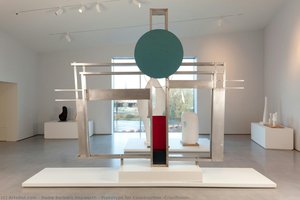

Biografija umetnika
The Alchemist of Assemblage: The Transnational Vision of Rina Banerjee
In the sprawling, sensory-rich landscapes of contemporary sculpture, few voices resonate with as much intricate complexity as that of Rina Banerjee. Born in 1963 in the vibrant, historic city of Kolkata, India, Banerjee’s life and art are defined by a profound sense of movement and the beautiful, often turbulent, intersections of disparate worlds. Her journey—stretching from the cultural heart of Bengal to the cosmopolitan energy of London and eventually to New York City—has gifted her with a unique perspective on what it means to exist within the post-colonial diaspora. This biographical tapestry is not merely a personal history but the very foundation of an artistic practice that seeks to map the splintered experiences of identity, migration, and memory.
Before she became a master of sculptural assemblage, Banerjee’s intellectual path was marked by a rigorous scientific curiosity; she earned a degree in Polymer Engineering and worked as a research chemist. This background in the structural and the molecular perhaps informs the meticulous way she deconstructs and reconstructs her materials. Her formal artistic training at the College of Santa Fe and later at the Pratt Institute provided the technical scaffolding for her burgeoning vision, but it was her MFA from Yale University that truly refined her ability to weave complex narratives through medium and form. In her hands, the act of creation becomes a form of alchemy, where the discarded and the precious are fused into something entirely new.
A Material Language of Memory and Displacement
To encounter a work by Rina Banerjee is to enter a dreamscape where the boundaries between the organic and the manufactured, the ancient and the contemporary, begin to dissolve. Her primary method—assemblage—is far more than a technical choice; it is a conceptual necessity. She gathers a vast, eclectic array of materials: textiles, feathers, beads, epoxy horns, glass bottles, and antique porcelain dolls. By juxtaposing mass-produced trinkets from the tourist trade with rare ethnographic specimens and colonial artifacts, she creates a tension that mirrors the friction of globalized commerce and historical power dynamics.
Her sculptures are often described as hyper-ornamented and lushly seductive, yet beneath this surface of beauty lies a deeper, more unsettling exploration of trauma and transformation. Through her use of layered fabrics and found objects, she evokes the physical and emotional residue of colonialism. Her work does not merely represent migration; it embodies the very sensation of being "disrobed, torn, or ripped by wind," reflecting the precariousness of the expatriated experience. In her paintings and drawings, this theme continues through chimerical landscapes where female figures float in states of metamorphosis, often blending with the features of birds or beasts to suggest a fluid, ever-changing sense of self.
Global Recognition and Artistic Legacy
The significance of Banerjee’s contribution to contemporary art is reflected in her monumental presence on the international stage. Her career has been marked by prestigious exhibitions that have brought her complex narratives to the world's most esteemed institutions. Notable achievements include:
- Major Retrospectives: Her mid-career retrospective at the Pennsylvania Academy of the Fine Arts (PAFA), which traveled to the Frist Art Museum in Nashville and the San Jose Museum of Art, solidified her status as a leading figure in contemporary sculpture.
- Biennale Participation: Her inclusion in the 55th and 57th Venice Biennales placed her work at the epicenter of global art discourse, showcasing her ability to engage with universal themes of climate change, femininity, and identity.
- Institutional Presence: Her works are held and exhibited in premier collections including the Centre Pompidou in Paris, the Whitney Museum of American Art, and the Metropolitan Museum of Art in New York.
Ultimately, Rina Banerjee’s legacy lies in her ability to reject the hierarchies of material and culture. By treating a cheap piece of plastic with the same reverence as an antique textile, she challenges the viewer to reconsider what we value and how we remember. Her art serves as a vital bridge between East and West, creating a language that is both deeply personal and profoundly universal—a summary of a world that is constantly being unmade and remade.
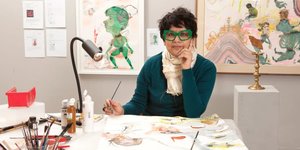
Rina Banerjee
1963 - , India
Osnovne informacije
- Artistic Movement Or Style: Mixed media sculpture
- Artists Who Influenced This Artist:
- Louise Bourgeois
- Marcel Duchamp
- Date Of Birth: 1963
- Full Name: Rina Banerjee
- Nationality: Indian-American
- Notable Artworks:
- Make me a summary of the world
- Disrobed, torn, ripped by wind
- Place Of Birth: Kolkata, India
Povezani članci

Bronze Sculptures That Defined Art History | ArtsDot
Journey through art history with our Top 10 bronze sculptures! Explore masterpieces by Rodin, Michelangelo & more. Discover stories behind iconic statues and find museum-quality reproductions for your home decor at ArtsDot.com.

The Enduring Form: Sculpture Across History, Technique & Emotional Resonance
Explore the rich history of sculpture with ArtsDot. Discover key techniques, influential artists & investment potential for discerning collectors. Expert insights into valuing and collecting timeless masterpieces.

Bronze Age to Modern Masters: 10 Sculptures That Redefined Art | ArtsDot
Journey through art history with 10 legendary bronze sculptures – from Michelangelo's David to Rodin’s Thinker. Explore the stories, techniques & timeless beauty of these masterpieces. Find museum-quality reproductions & elevate your home decor on ArtsDot.com.
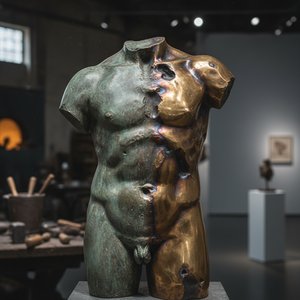
Nasleđe bronze: Istorija, tehnike i savremene interpretacije skulpture – vodič za kolekcionare
Istražite bogatu istoriju bronze i tehnike livenja skulptura. Saveti za kolekcionare, investiciono vrednovanje i savremene interpretacije aluminijumske bronze. ArtsDot – stručnjaci za umetnost.

The Enduring Form: Exploring Themes & Techniques in Sculpture Across Historical Periods
Explore the rich history of sculpture from ancient masterpieces to contemporary innovations. Discover key techniques, influential artists & investment potential for discerning art collectors.