 Pošalji
 Podeli
 Detalji o delu

 Преузми
 Slični predmeti
 Slajdovi
 Statistika
Untitled (Free/Still)


 Pročitaj više
Giclee štampa / Umetnički otisak
Giclée štampa ili print na platnu muzejskog kvaliteta uz brzu proizvodnju i fleksibilne opcije završne obrade. ( Kupi ručno naslikanu sliku Pređi na digitalnu sliku)




































Izaberite jednu od naših unapred definisanih veličina koje odgovaraju originalnim proporcijama umetničkog dela.

Možete uneti sopstvene dimenzije kako biste umetničko delo prilagodili specifičnom okviru ili prostoru. Ako odabrani format ne odgovara proporcijama originalne slike, mi ćemo ili iscrtati deo dela ili proširiti sliku pomoću ogledane ivice ili jednobojnog popunjavanja. Digitalni prikaz će vam biti poslat na odobrenje pre početka proizvodnje.
Imajte na umu da pregled na ekranu ne odražava stvarno iscrtavanje ili proširivanje. Samo će prikaz (mockup) precizno pokazati finalnu kompoziciju.
Iako su prilagođene dimenzije dostupne, preporučujemo da odaberete dimenziju sa unapred definisane liste kako biste očuvali originalne proporcije.
Dostava širom sveta () za 2 nedelje umesto uobičajenih 4/5 nedelja. (10 септембар)

Besplatna ekspresna dostava širom sveta

Visokokvalitetno laneno platno

Kompletno osiguranje transporta

Garancija povraćaja carine i uvoznih dažbina

Garancija vernosti boja

Politika povraćaja u roku od 100 dana (isključivo u slučaju nedostataka)

Garancija povrata novca od 100%

Popust pri grupnoj kupovini
 Opcija sa staklom dostupna je samo za dimenzije manje od 110 cm

Untitled (Free/Still)
Giclee štampa / Umetnički otisak
Dimenzije reprodukcije
-


Konačna cena
$ 62
The Essence of Presence: A Moment Captured in Time
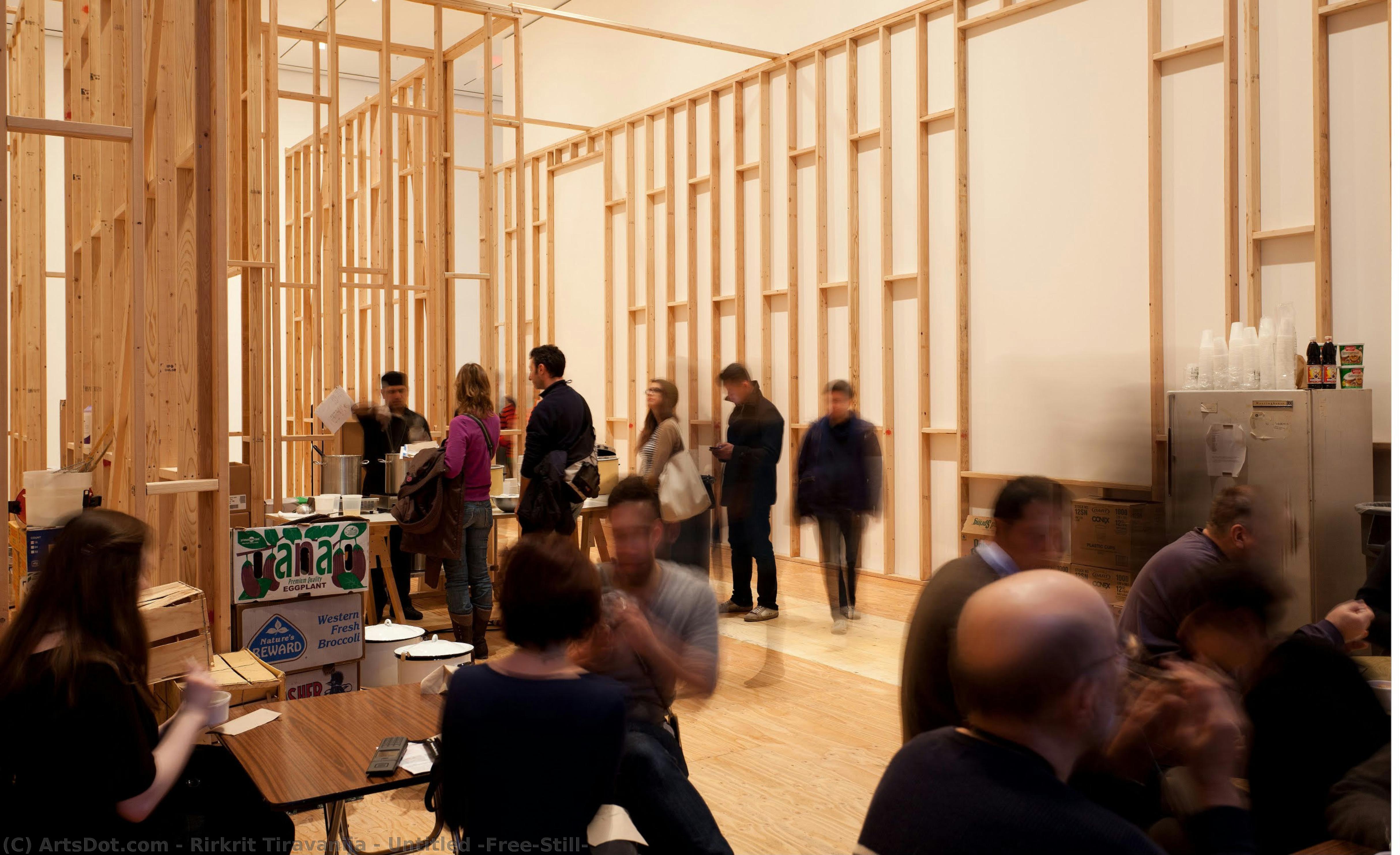
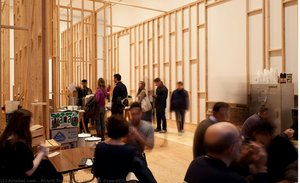
In the evocative photograph Untitled (Free/Still), we are invited into a profound meditation on the intersection of art and human existence. Captured in 2011, this black and white composition transcends the mere documentation of an exhibition, offering instead a poignant glimpse into the communal soul of the museum space. The image presents a tableau of life unfolding around a central artwork, where the boundaries between the observer and the observed begin to dissolve. Through the monochromatic lens, the textures of the room—the soft light hitting the figures, the stark contrast of shadows, and the quiet geometry of the dining table—create a timeless atmosphere that feels both intimate and expansive.
The composition is masterfully layered, drawing the eye through a crowd of at least twelve individuals who inhabit the space with varying degrees of engagement. Some figures are anchored in deep conversation, while others drift through the periphery, their forms softened by the depth of field. The presence of a dining table near the center, complete with a solitary cup, introduces a domestic, almost ritualistic element to the gallery setting. This subtle detail suggests that art is not merely something to be viewed from a distance, but something to be lived with, shared, and even nourished by. It transforms the sterile museum environment into a living room for the collective consciousness.
The Philosophy of Relational Aesthetics
To understand this work, one must look toward the visionary spirit of its creator, Rirkrit Tiravanija. As a pioneer of relational aesthetics, Tiravanija’s practice has long been defined by the concept of "bringing people together." His work often eschews the creation of permanent objects in favor of creating temporary, social situations where the true medium is human interaction itself. In Untitled (Free/Still), we see this philosophy manifested visually; the artwork is not just the painting on the wall, but the very energy generated by the gathering of people around it.
The choice of black and white photography serves to strip away the distractions of color, forcing the viewer to focus on the structural rhythm of the crowd and the emotional weight of the encounter. There is a profound symbolism in the "stillness" mentioned in the title, contrasted against the "free" movement of the participants. It captures that rare, fleeting moment where time seems to suspend itself, allowing for a shared experience that is as much about the people as it is about the art. For collectors and designers, this piece offers more than just visual beauty; it provides a conceptual anchor, a conversation starter that celebrates the beauty of community and the enduring power of human connection.
A Timeless Addition to the Curated Space
For the discerning interior designer or art enthusiast, Untitled (Free/Still) represents a sophisticated choice for a curated collection. Its monochromatic palette allows it to integrate seamlessly into diverse aesthetic environments, from minimalist modern galleries to classic, richly textured studies. The image possesses a unique ability to add depth and narrative weight to a room, acting as a window into a moment of shared humanity.
Owning a high-quality reproduction of this work means bringing a piece of contemporary art history into one's personal sanctuary. It is an invitation to reflect on our own connections to the world around us. Whether placed in a professional setting to inspire collaboration or in a private residence to foster contemplation, this photograph remains a powerful testament to the idea that art is most vibrant when it is lived.
Srodna umetnička dela
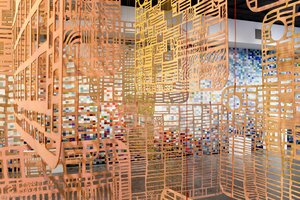
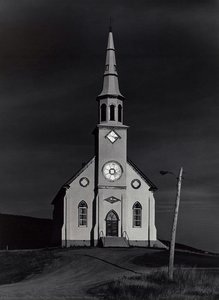
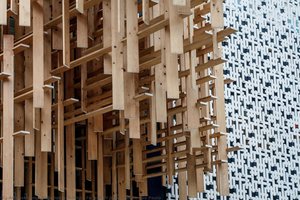
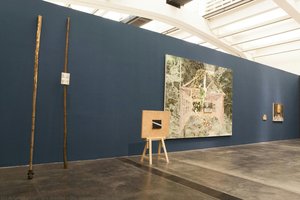
Biografija umetnika
The Art of Shared Experience: The Life and Vision of Rirkrit Tiravanija
To encounter the work of Rirkrit Tiravanija is to step away from the silent, sterile halls of traditional galleries and into a living, breathing space of human connection. Born in Buenos Aires, Argentina, in 1961, Tiravanija’s identity was forged through a nomadic childhood that spanned the diverse landscapes of Thailand, Ethiopia, and Canada. This global upbringing instilled in him a profound understanding of cultural fluidity and the universal language of shared existence. His artistic journey, while academically rooted in history and fine arts—spanning institutions from Carleton University to the School of the Art Institute of Chicago—eventually transcended the boundaries of the canvas and the sculpture to embrace the very essence of social interaction.
Tiravanija’s practice is famously defined by the concept of Relational Aesthetics, a term coined by curator Nicolas Bourriaud to describe art that takes as its theoretical horizon the realm of human interactions and its social context. Rather than producing static objects for passive observation, Tiravan andija creates environments that function as stages for living. His work rejects the idea of the artwork as an isolated commodity, instead prioritizing the ephemeral magic that occurs when strangers become participants in a shared moment. Through his lens, art is not something to be looked at, but something to be lived, tasted, and felt.
Breaking Bread: The Radicalism of the Everyday
The early 1990s marked a seismic shift in contemporary art with the arrival of Tiravanija’s groundbreaking installations. In his seminal work, “Pad Thai,” presented at the Paula Allen Gallery, he famously abandoned the traditional gallery object entirely. Instead of hanging paintings or placing pedestals, he transformed the exhibition space into a communal kitchen, preparing and serving Pad Thai to visitors. This audacious act of hospitality turned the gallery into a site of nourishment and dialogue, blurring the line between the artist’s labor and the audience's experience. This practice was not merely a performance but an invitation to engage with the conviviality of the everyday.
This theme of culinary connection continued through subsequent projects, such as his 1995 Carnegie International exhibition, where he provided instructions for cooking South-East Asian green curry. By utilizing familiar, domestic tasks like cooking and eating, Tiravanija strips away the pretension often associated with high art, replacing it with a sense of ritual and intimacy. His work serves as a powerful reminder that the most profound artistic experiences can be found in the simplest acts of togetherness, echoing his childhood memories of his grandmother’s garden restaurant where food was always a catalyst for community.
A Legacy of Connection and Social Dialogue
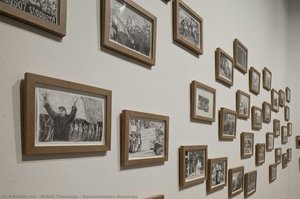
Beyond the sensory delights of shared meals, Tiravanija’s work carries a deep sociopolitical resonance. His more recent endeavors, such as his “Demonstration Drawings,” showcase a different facet of his practice—one that uses visual imagery to reflect on mass uprisings, power, and global capital. By commissioning Thai artists to translate photojournalistic images into drawings, he bridges the gap between historical documentation and contemporary social critique, proving that his commitment to "bringing people together" also extends to fostering critical awareness of the world around us.
The historical significance of Rirkrit Tiravanija lies in his ability to redefine the role of the artist from a creator of objects to a facilitator of experiences. His influence can be seen across generations of artists who seek to dismantle the walls between art and life. As he continues to work between New York, Berlin, and Chiang Mai, his practice remains an enduring testament to the power of relationality—a belief that in an increasingly fragmented world, the most radical act an artist can perform is to create a space where we might truly encounter one another.
Rirkrit Tiravanija
1961 -
Osnovne informacije
- Artistic Movement Or Style: Relational Aesthetics
- Artists Or Movements Influenced By This Artist: ['Social Sculpture']
- Artists Who Influenced This Artist:
- Minimalism
- Conceptual Art
- Date Of Birth: 1961
- Full Name: Rirkrit Tiravanija
- Nationality: Thai
- Notable Artworks:
- Pad thai
- Untitled (free/still)
- Tom kha soup
- Place Of Birth: Buenos Aires, Argentina
Povezani članci

White on Canvas: 10 Masterpieces & Timeless Elegance for Your Home Decor
Explore 10 iconic white paintings by Monet, Whistler & Rothko! Discover the stories behind these serene masterpieces and their impact on art history. Find museum-quality reproductions for your home decor at .

Dark Masterpieces: 10 Iconic Paintings Dominated by Black Tones |
Explore 10 iconic paintings dominated by black tones, from Rembrandt’s chiaroscuro to Goya's dark expressions. Discover the stories behind these masterpieces & find museum-quality art reproductions for your home at .
Chromatic Absence: Exploring the Aesthetic Power of Black & White Art
Explore the captivating world of monochrome art! Discover its rich history, influential artists like Malevich & Klein, and profound emotional impact. Expert insights for collectors & design enthusiasts.

Monochrome Visions: Exploring the Aesthetic & Historical Significance of Black & White Photography
Explore the rich history & artistic power of black and white photography. From early techniques to iconic masters like Ansel Adams, discover why monochrome continues to captivate art lovers today. Expert insights for collectors.
Beyond the Lens: Photography's Enduring Influence on Modern & Contemporary Art
Explore photography's pivotal role in shaping modern & contemporary art. Discover key movements, influential artists like Stieglitz, and expert collecting advice from ArtsDot.