

 Pregledaj u prostoru
 Pošalji
 Podeli
 Detalji o delu

 Преузми
 Slični predmeti
 Rendgenski snimak
 Slajdovi
 Statistika
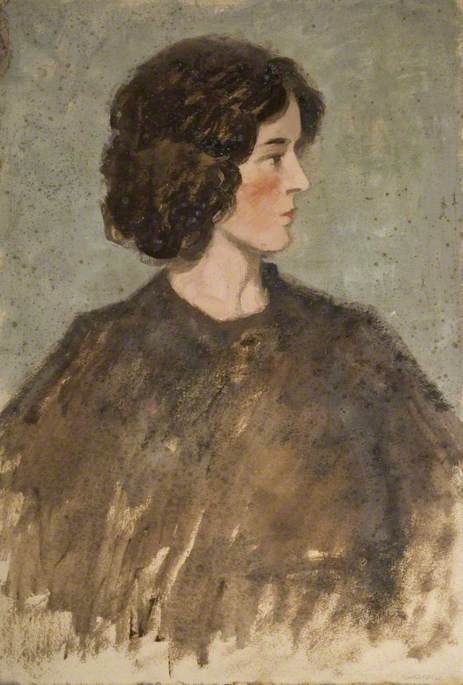
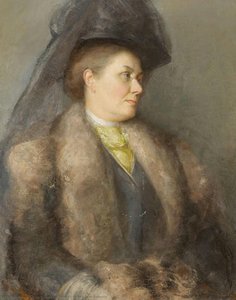
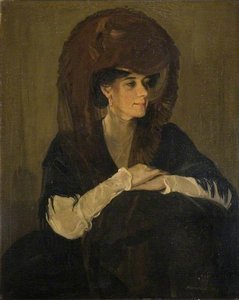
Portrait of a Lady
 Romanticism
 61.0 x 40.0 cm
 Pročitaj više
Ručno rađena uljana reprodukcija
Ručno oslikano uljanim bojama na platnu u dimenzijama i okviru po vašem izboru, izrađeno po porudžbini od strane naših umetnika. ( Pređi na štampu Pređi na digitalnu sliku)




































Izaberite jednu od naših unapred definisanih veličina koje odgovaraju originalnim proporcijama umetničkog dela.

Можете унети сопствене димензије како бисте прилагодили дело одређеном оквиру или простору. Ако одабрана величина не одговара пропорцијама оригинала, слика ће бити исечена или проширена додатним елементима који се ручно насликавају. Дигитални prikaz ће вам бити послат на одобрење пре почетка производње.
Имајте на уму да преглед на екрану не одражава стварно исецање или проширење. Само приказ (mockup) ће тачно приказати коначну композицију.
Иако су доступне прилагођене величине, препоручујемо да одаберете димензију из дефинисане листе како бисте сачували оригиналне пропорције.
Nakon narudžbine, tim ArtsDot.com će klijentu putem e-pošte poslati uputstva i dostaviti prikaz predloženog rešenja
Isporuka širom sveta () za 3/4 nedelje umesto uobičajenih 5 nedelja. (9 септембар). Bez kompromisa po pitanju kvaliteta.

Besplatna ekspresna dostava širom sveta

Visokokvalitetno laneno platno

Kompletno osiguranje transporta

Garancija povraćaja carine i uvoznih dažbina

Garancija vernosti boja

Politika povraćaja u roku od 100 dana (isključivo u slučaju nedostataka)

Garancija povrata novca od 100%

Popust pri grupnoj kupovini
 Opcija sa staklom dostupna je samo za dimenzije manje od 110 cm

Portrait of a Lady
Tehnika reprodukcije
Dimenzije reprodukcije
-


Konačna cena
$ 263
A Glimpse into Quiet Contemplation: Robert Ernest Mceune's "Portrait of a Lady"
This evocative oil painting by Robert Ernest Mceune offers a poignant glimpse into the introspective world of a young woman. Executed around the early 20th century, this portrait captures her in profile, presenting a study in quiet dignity and subtle melancholy. The artwork’s strength lies not in flamboyant detail but in its ability to convey a profound sense of mood through restrained color and expressive brushwork – hallmarks of the Romantic style that influenced Mceune's work. The subject’s gaze is averted, inviting viewers to project their own interpretations onto her expression, fostering a deeply personal connection with the artwork.Style & Technique: A Blend of Academic Tradition and Romantic Sensibility
Mceune demonstrates a mastery of oil painting techniques within a framework that blends academic portraiture with the emotional depth characteristic of Romanticism. The application of paint is loose and textured, evident in the visible brushstrokes which contribute to the artwork’s aged appearance and imbue it with a sense of immediacy. Thin glazes of oil paint are layered meticulously to build up tones and create subtle shifts in light and shadow. This technique allows for a remarkable depth despite the composition's two-dimensional nature. The muted palette, dominated by browns and earth tones, further enhances the somber and contemplative atmosphere. The absence of sharp outlines emphasizes the organic forms of the face and clothing, creating a soft, flowing aesthetic.Historical Context & Artistic Influences
Robert Ernest Mceune (1876-1952) was a British artist known for his serene landscapes, still lifes, and character studies, often depicting scenes from Switzerland. While this portrait doesn't depict a landscape, it shares with his other works a quiet observation of human form and emotion. The early 20th century witnessed a shift away from the rigid formality of Victorian portraiture towards more expressive and psychologically nuanced representations. Mceune’s work reflects this transition, drawing inspiration from earlier Romantic masters while forging his own distinct style. The focus on capturing mood and inner life aligns with broader artistic trends emphasizing emotional authenticity over strict realism.Symbolism & Emotional Resonance
Beyond the purely aesthetic qualities of the painting, "Portrait of a Lady" carries subtle symbolic weight. The subject’s downcast gaze and slightly melancholic expression suggest introspection or perhaps a quiet sadness. The somber color scheme reinforces this feeling, evoking a sense of nostalgia or peaceful contemplation. While no overt narrative is presented, the portrait invites viewers to consider the woman's story – her thoughts, her feelings, her place in the world. This ambiguity contributes to the artwork’s enduring appeal and allows for multiple interpretations, making it a captivating piece for both art enthusiasts and those seeking to add a touch of quiet elegance to their space.- Materials: Oil paints on canvas
- Size: 61 x 40 cm
- Date: Unknown (Early 20th Century)
Srodna umetnička dela
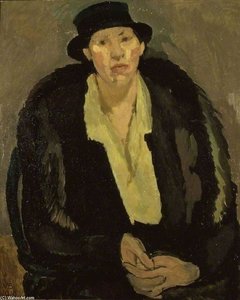
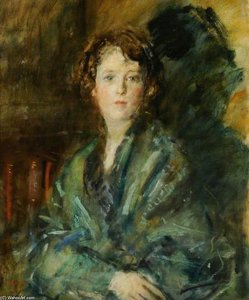
Biografija umetnika
Robert Ernest McEune: A Quiet Observer of the British Landscape
Robert Ernest McEune (1876-1952) was a largely unsung British artist whose career spanned nearly half a century, marked by a consistent dedication to capturing the serene beauty of the English countryside and offering intimate portraits of his subjects. Though he never achieved widespread fame during his lifetime, his work—primarily oil paintings and watercolours—now resides in public collections across Britain, revealing a subtle yet compelling artistic voice deeply rooted in the traditions of academic art while possessing a distinctly personal sensibility.
Born in Gateshead, County Durham, in 1876, McEune’s early life was shaped by his family's modest circumstances. His father, Robert McEune, a grocer, faced financial difficulties and declared bankruptcy in 1881, an event that likely influenced the young artist’s pragmatic approach to his profession. Despite this challenging beginning, McEune pursued artistic training at the Gateshead School of Art and later at Kings College, Newcastle, honing his skills in various mediums. He initially worked as a clerk for a local coal company, balancing his art with the demands of a working life – a pattern that would continue throughout much of his career.
McEune’s artistic development is particularly notable through his work for Milner & Co., a prominent Halifax publishing house specializing in affordable children's books. From around 1900 until the early 1920s, he illustrated numerous titles, including adaptations of classic stories like *Alice’s Adventures in Wonderland* and *Tom Brown’s Schooldays*. These illustrations, characterized by their detailed realism and subtle tonal variations, demonstrate a mastery of watercolour techniques and a keen eye for capturing human character. While the exact dates of these commissions remain somewhat elusive, they represent a crucial period in McEune's artistic journey, providing him with valuable experience and exposure.
Following his retirement from employment, McEune settled in Penrith, Cumberland, where he continued to paint prolifically. He also took on the role of art teacher at Newcastle’s Royal Grammar School, sharing his knowledge and passion with a new generation of artists. His later works often focused on landscapes – particularly scenes from Northumberland – rendered with a quiet dignity and an appreciation for the subtle shifts in light and colour. These paintings reflect a mature artistic perspective, imbued with a sense of peace and contemplation. McEune’s style evolved over time, moving away from the more illustrative techniques of his earlier work towards a greater emphasis on capturing atmospheric effects and conveying mood through brushwork.
A Portfolio of Landscapes and Portraits
McEune's oeuvre is remarkably diverse, encompassing landscapes, portraits, still lifes, and studies of plaster busts. His landscape paintings are particularly noteworthy for their ability to evoke the tranquility of the English countryside. Works like “Cottage Lane in Winter” and “The Thames at Windsor” capture the essence of rural life with a delicate sensitivity, revealing an intimate understanding of light, texture, and composition. His portraits, often characterized by their understated realism and psychological depth, offer glimpses into the lives of ordinary people – fishermen mending lobster pots, old men, and young boys.
The Shipley Art Gallery in Newcastle holds a significant collection of McEune’s work, including several key pieces that exemplify his artistic style. These paintings—ranging from intimate studies to expansive landscapes—provide valuable insights into the artist's creative process and his enduring fascination with the beauty of the British Isles. The gallery’s holdings also include numerous watercolours, showcasing McEune’s versatility and his ability to capture fleeting moments of light and colour.
Influences and Artistic Style
McEune’s artistic style is best described as a blend of academic tradition and personal observation. He was undoubtedly influenced by the prevailing artistic conventions of his time, particularly the emphasis on realism and meticulous detail that characterized much of 19th-century British art. However, he also possessed a distinctive sensibility—a quietness and restraint that set him apart from more flamboyant or expressive artists. His use of muted tones, subtle brushwork, and careful attention to detail create paintings that are both visually appealing and emotionally resonant.
The artist’s work can be seen as a reflection of the broader cultural context in which he lived—a period of social change and artistic experimentation. While McEune never actively engaged with avant-garde movements, his paintings nonetheless embody a sense of quiet dignity and understated beauty that resonated with many viewers during his lifetime.
Legacy and Historical Significance
Despite his relative obscurity during his lifetime, Robert Ernest McEune’s work has gained increasing recognition in recent years. His paintings are now appreciated for their quiet charm, technical skill, and subtle emotional depth. McEune's contribution to British art lies not in groundbreaking innovation but rather in his consistent dedication to capturing the beauty of everyday life and offering intimate portraits of a bygone era.
His work serves as a reminder that artistic excellence can be found in unexpected places—in the hands of artists who quietly pursued their craft with passion and integrity. The collection held by the Shipley Art Gallery, along with other public collections across Britain, ensures that McEune’s legacy will continue to inspire and delight future generations of art lovers.
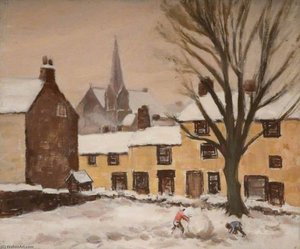
robert ernest mceune
1876 - 1952
Osnovne informacije
- Artistic Movement Or Style: Academic Realism
- Artists Or Movements Influenced By This Artist: ['Ernest Hébert']
- Artists Who Influenced This Artist: ['William Fitzjames White']
- Date Of Birth: 1876-09-12
- Date Of Death: 1952-03-24
- Full Name: Robert Ernest McEune
- Nationality: British
- Notable Artworks:
- Portrait of a Lady
- Head of a Young Man
- Oil Study Plaster Bust
- Place Of Birth: Gateshead, England
Povezani članci

The Enduring Power of Painting: A Historical & Contemporary Exploration of Form and Emotion
Explore the rich history & enduring techniques of oil painting with ArtsDot. Discover masterpieces, learn about art collecting, and find authentic handmade reproductions crafted by skilled artists.

Trajnu Ostavština Uljanih Boja na Platnu: Tehnika, Istorija i Savremena Praksa
Istražite bogatu istoriju i savremene tehnike uljanog slikarstva. Saveti stručnjaka, analiza radova velikih majstora i vodiči za biranje kvalitetnih materijala. Otkrijte tajne očuvanja umetničkih dela!

Oil on Canvas: A Historical & Technical Exploration of a Timeless Artistic Medium
Explore the rich history & enduring techniques of oil painting on canvas. Discover the science behind its longevity, conservation practices, and contemporary relevance. Expert insights for art enthusiasts.

The Enduring Legacy of Oil on Canvas: Technique, History & Aesthetic Impact
Explore the rich history & techniques of oil painting – from Renaissance masters to Impressionism. Discover pigments, layering methods, and why this timeless medium endures. Expert insights for artists & art enthusiasts.
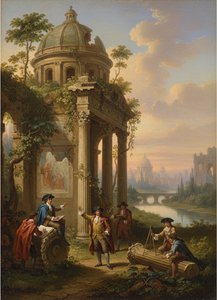
Hubert Robert: Picturing Ruins, Preserving Memory – A Study of Romantic Antiquarianism & Artistic Innovation
Explore the captivating world of Hubert Robert, master of Romantic landscape painting & 'capriccio' ruins. Discover his historical context, artistic innovations, and collecting insights with ArtsDot.