

 Pregledaj u prostoru
 Pošalji
 Podeli
 Detalji o delu

 Преузми
 Slični predmeti
 Rendgenski snimak
 Slajdovi
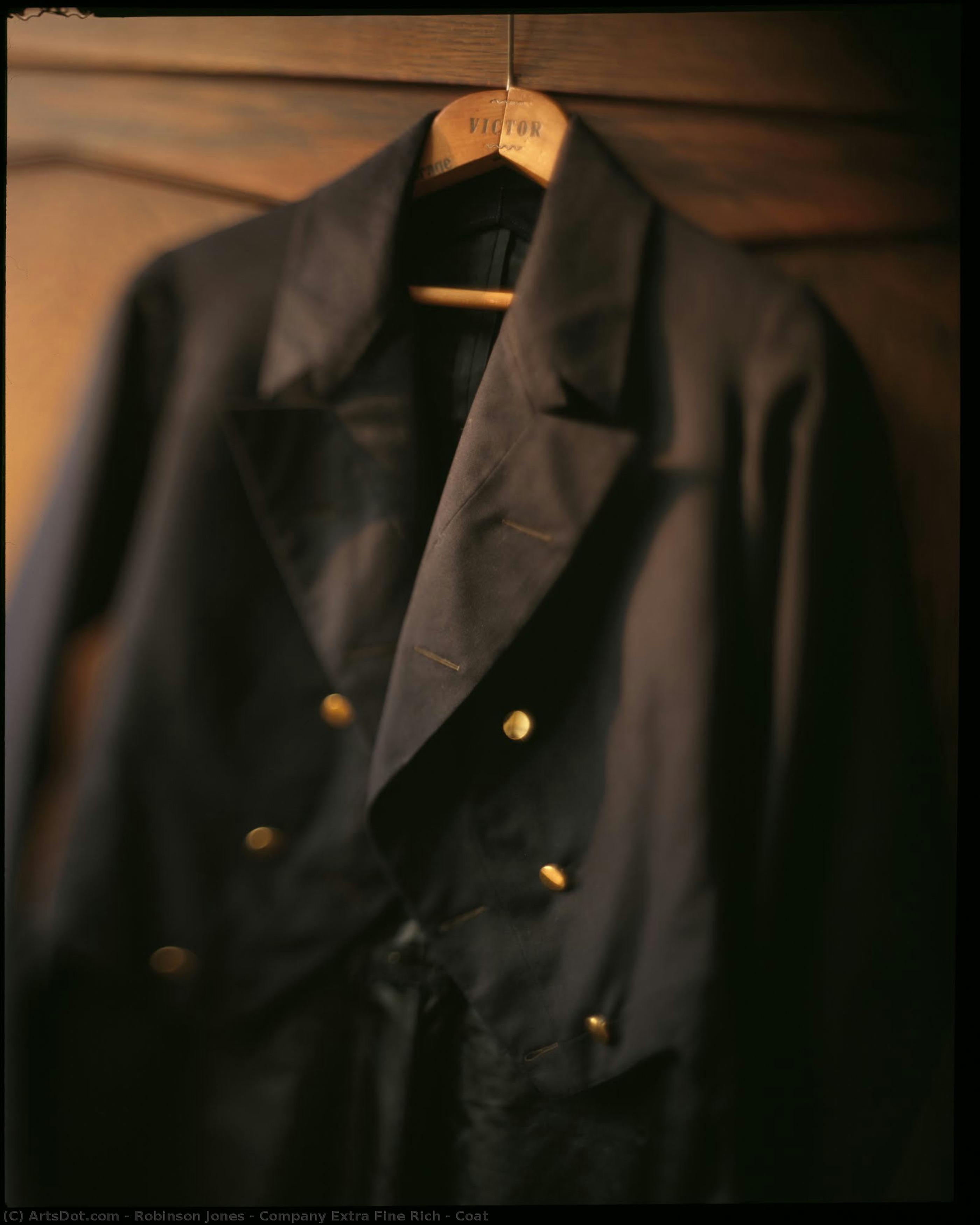
Coat


 Pročitaj više
Giclee štampa / Umetnički otisak
Giclée štampa ili print na platnu muzejskog kvaliteta uz brzu proizvodnju i fleksibilne opcije završne obrade. ( Kupi ručno naslikanu sliku Kupi digitalnu sliku)




































Izaberite jednu od naših unapred definisanih veličina koje odgovaraju originalnim proporcijama umetničkog dela.

Možete uneti sopstvene dimenzije kako biste umetničko delo prilagodili specifičnom okviru ili prostoru. Ako odabrani format ne odgovara proporcijama originalne slike, mi ćemo ili iscrtati deo dela ili proširiti sliku pomoću ogledane ivice ili jednobojnog popunjavanja. Digitalni prikaz će vam biti poslat na odobrenje pre početka proizvodnje.
Imajte na umu da pregled na ekranu ne odražava stvarno iscrtavanje ili proširivanje. Samo će prikaz (mockup) precizno pokazati finalnu kompoziciju.
Iako su prilagođene dimenzije dostupne, preporučujemo da odaberete dimenziju sa unapred definisane liste kako biste očuvali originalne proporcije.
Dostava širom sveta () za 2 nedelje umesto uobičajenih 4/5 nedelja. (7 септембар)

Besplatna ekspresna dostava širom sveta

Visokokvalitetno laneno platno

Kompletno osiguranje transporta

Garancija povraćaja carine i uvoznih dažbina

Garancija vernosti boja

Politika povraćaja u roku od 100 dana (isključivo u slučaju nedostataka)

Garancija povrata novca od 100%

Popust pri grupnoj kupovini
 Opcija sa staklom dostupna je samo za dimenzije manje od 110 cm

Coat
Giclee štampa / Umetnički otisak
Dimenzije reprodukcije
-


Konačna cena
$ 62
Srodna umetnička dela









Biografija umetnika
The Enigmatic World of Robinson Jones & Company Extra Fine Rich
Robinson Jones & Company Extra Fine Rich remains a fascinating, yet elusive figure in the history of decorative arts. While not a painter or sculptor in the traditional sense, their impact is profoundly felt through the exquisite coats they produced during the mid-19th century. Their story isn't one of artistic innovation born from individual vision, but rather a testament to the power of craftsmanship, quality materials, and a keen understanding of evolving fashion sensibilities within the burgeoning American economy. The company’s existence is largely documented through surviving examples of their work – primarily men’s frock coats – and tantalizing fragments found in historical records like advertisements, tailoring ledgers, and personal correspondence. They operated during a period when ready-to-wear clothing was beginning to challenge bespoke tailoring, and Robinson Jones & Company carved out a niche by offering superior quality garments that appealed to a discerning clientele.
A Flourishing Business in the Age of Industrial Change
The mid-19th century witnessed significant shifts in American manufacturing. The rise of factories and mechanized production began to transform industries, including clothing. While bespoke tailors still catered to the elite, a growing middle class sought affordable yet well-made garments. Robinson Jones & Company Extra Fine Rich emerged during this transitional period, likely establishing themselves in major urban centers like New York or Philadelphia – cities that served as hubs for both textile production and fashionable society. Their name itself—"Extra Fine Rich"—was a deliberate branding strategy, signaling a commitment to luxury and quality. They weren’t simply making coats; they were offering a statement of status and refinement.
- Materials & Techniques: The hallmark of Robinson Jones & Company coats was the exceptional quality of their materials. They favored fine wool broadcloth, often imported from England, known for its durability, drape, and luxurious feel. Their coats were meticulously constructed using traditional tailoring techniques – hand-stitching, careful pattern cutting, and precise attention to detail. The use of gilt brass buttons stamped with the company’s name further emphasized their brand identity.
- The Frock Coat Style: Their specialization in frock coats is significant. The frock coat was *the* dominant style for men's formal wear during much of the 19th century, evolving from a practical riding garment to a symbol of respectability and social standing. Robinson Jones & Company expertly crafted these coats, adapting them to changing silhouettes and incorporating fashionable details like notched collars, fitted waists, and varying skirt lengths.
- Distribution & Clientele: While the exact distribution network remains unclear, it’s likely they sold through established retailers in major cities. Their clientele would have included merchants, professionals, politicians, and other members of the upper middle class – individuals who valued quality and sought to project an image of success.
Symbolism Woven into Cloth: The Chapin Coat as a Case Study
Perhaps the most well-documented example of Robinson Jones & Company’s work is the coat worn by N.W. Chapin, now housed in the RISD Museum collection. This coat, dating to around 1840, provides invaluable insight into their craftsmanship and the social context of their garments. The coat's construction reveals a dedication to quality that went beyond mere functionality. The wool broadcloth is exceptionally fine, and the hand-stitching demonstrates a level of skill rarely seen in mass-produced clothing of the era.
More than just an article of clothing, the Chapin coat represents a moment in time – a reflection of American society’s evolving values and aspirations. The buttons bearing the Robinson Jones & Company name served as subtle signifiers of status and taste, communicating the wearer's position within the social hierarchy. The very act of owning such a well-made garment was a statement about one’s economic standing and commitment to respectability.Legacy and Historical Significance
Robinson Jones & Company Extra Fine Rich didn’t leave behind a vast body of artistic work in the traditional sense, but their legacy lies in the enduring quality of their coats and the insights they offer into 19th-century American fashion and manufacturing. They represent a crucial link between bespoke tailoring and the rise of ready-to-wear clothing – a period when craftsmanship began to coexist with industrial production.
- Preservation & Study: The surviving examples of their coats, like the Chapin coat at RISD Museum, are invaluable resources for historians and costume scholars. They provide tangible evidence of 19th-century tailoring techniques, materials, and fashion trends.
- A Reflection of American Identity: Robinson Jones & Company’s success speaks to a growing sense of American identity and the desire for domestically produced goods – even if some materials were imported. Their coats represent a blend of European craftsmanship and American entrepreneurial spirit.
- The Enduring Appeal of Quality: In an age of fast fashion, the coats of Robinson Jones & Company serve as a reminder of the enduring appeal of quality, craftsmanship, and timeless style. They are testaments to a bygone era when clothing was made to last – not simply to be discarded.
While much about Robinson Jones & Company remains shrouded in mystery, their coats continue to captivate and inspire, offering a glimpse into the lives of those who wore them and the world they inhabited. They stand as silent witnesses to a period of profound change – a time when American fashion was evolving, and a commitment to quality craftsmanship still held paramount importance.
Osnovne informacije
- Date Of Death: Living
- Full Name: Robinson Jones & Company Extra Fine Rich
- Notable Artworks: ['Coat']