

 Pošalji
 Podeli
 Detalji o delu

 Преузми
 Slični predmeti
 Slajdovi
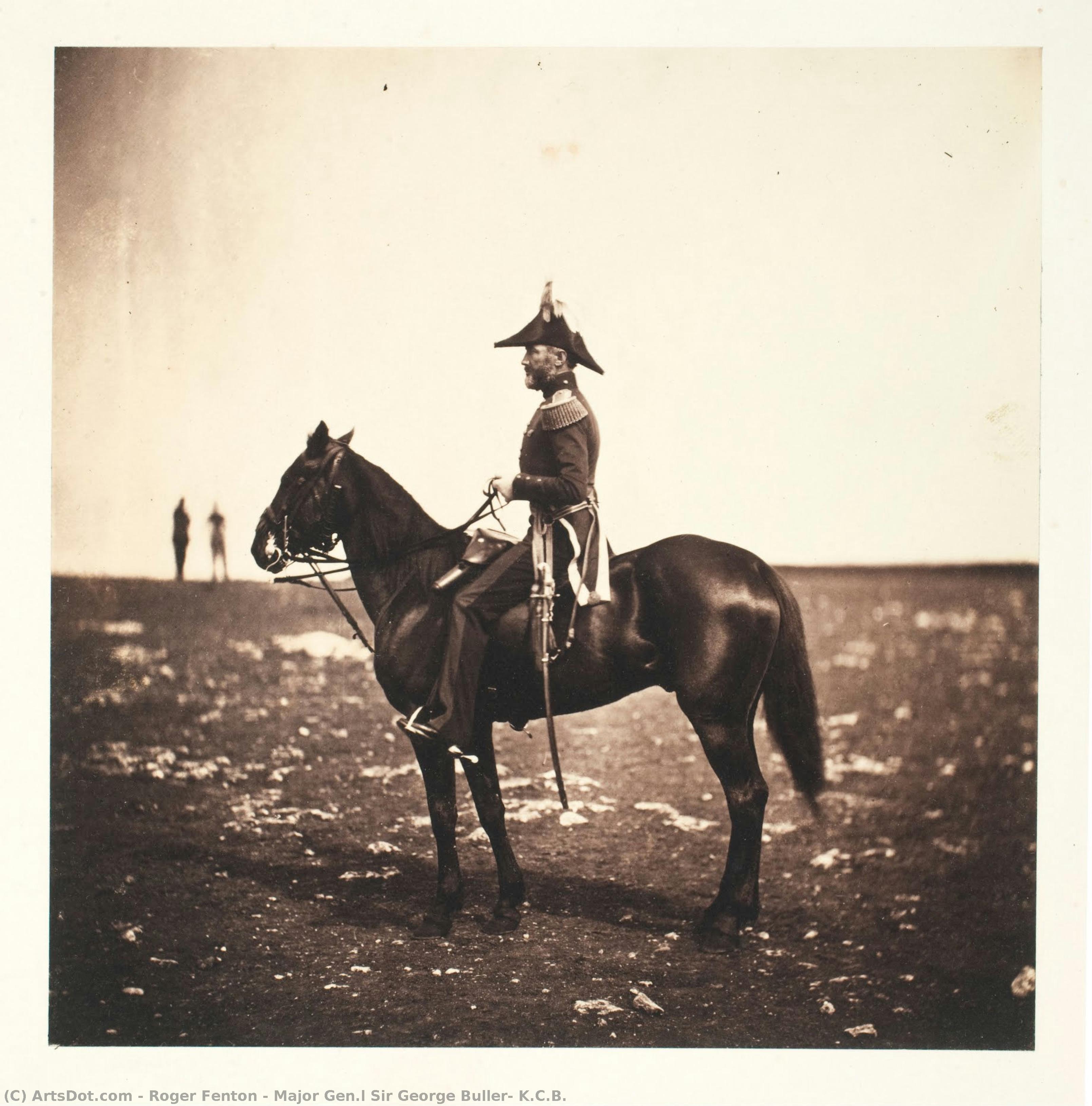
Major Gen.l Sir George Buller, K.C.B.
 Giclée Print
- Digital
- Romantic Realism
 1856
1856 16.0 x 16.0 cm
 George Eastman Museum
 Pročitaj više
Ručno rađena uljana reprodukcija
Ručno oslikano uljanim bojama na platnu u dimenzijama i okviru po vašem izboru, izrađeno po porudžbini od strane naših umetnika. ( Kupi print Kupi digitalnu sliku)




































Izaberite jednu od naših unapred definisanih veličina koje odgovaraju originalnim proporcijama umetničkog dela.

Можете унети сопствене димензије како бисте прилагодили дело одређеном оквиру или простору. Ако одабрана величина не одговара пропорцијама оригинала, слика ће бити исечена или проширена додатним елементима који се ручно насликавају. Дигитални prikaz ће вам бити послат на одобрење пре почетка производње.
Имајте на уму да преглед на екрану не одражава стварно исецање или проширење. Само приказ (mockup) ће тачно приказати коначну композицију.
Иако су доступне прилагођене величине, препоручујемо да одаберете димензију из дефинисане листе како бисте сачували оригиналне пропорције.
Nakon narudžbine, tim ArtsDot.com će klijentu putem e-pošte poslati uputstva i dostaviti prikaz predloženog rešenja
Isporuka širom sveta () za 3/4 nedelje umesto uobičajenih 5 nedelja. (24 август). Bez kompromisa po pitanju kvaliteta.

Besplatna ekspresna dostava širom sveta

Visokokvalitetno laneno platno

Kompletno osiguranje transporta

Garancija povraćaja carine i uvoznih dažbina

Garancija vernosti boja

Politika povrata u roku od 60 dana (samo u slučaju nedostataka)

Garancija povrata novca od 100%

Popust pri grupnoj kupovini
 Opcija sa staklom dostupna je samo za dimenzije manje od 110 cm

Major Gen.l Sir George Buller, K.C.B.
Tehnika reprodukcije
Dimenzije reprodukcije
-


Konačna cena
$ 263
Opis umetničkog dela
A Pioneer's Gaze: Roger Fenton’s ‘Major General Sir George Buller’
This meticulously crafted hand-painted reproduction captures a pivotal moment in the history of photography and Victorian art – Roger Fenton’s iconic image of Major General Sir George Buller. Executed with painstaking detail, this artwork transports us to the Crimean War, offering a rare glimpse into the realities of military life during the mid-19th century. Fenton's work wasn't merely documentation; it was a deliberate attempt to elevate photography to the level of fine art, challenging conventional notions of artistic representation and paving the way for modern war photography.
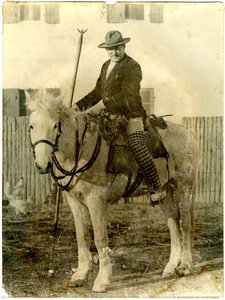
- Subject Matter: The scene depicts Major General Sir George Buller, a prominent figure in the British Army, astride a powerful horse. The composition emphasizes both the military authority of the general and the inherent power of the animal – a common motif reflecting Victorian ideals of strength and control.
- Historical Context: Created in 1856, this photograph was part of Fenton’s groundbreaking ‘Photographs of the Crimean War,’ published during a period of immense social and political upheaval. The war itself was a brutal conflict, shaping British public opinion and influencing future military strategies. Fenton's images offered a stark contrast to romanticized depictions of warfare, presenting a gritty and often unsettling view of the realities faced by soldiers.
- Technique: The reproduction faithfully recreates Fenton’s original salt print technique, utilizing the subtle tonal variations and delicate textures characteristic of early photographic processes. The monochrome palette enhances the dramatic effect, emphasizing the starkness of the landscape and the solemnity of the scene.
The Artist's Vision: Roger Fenton and the Rise of War Photography
Roger Fenton (1819-1869) was a truly remarkable figure. His journey began with a classical education at Oxford, followed by legal studies, demonstrating a breadth of intellectual curiosity that would later inform his artistic pursuits. Fenton’s time in Paris, studying under Paul Delaroche, proved crucial; he absorbed the principles of Romantic painting – particularly the dramatic use of light and shadow – which he then applied to his photographic work. He was not simply a technician; he possessed an artist's eye, carefully composing each shot to maximize its impact.
Fenton’s ambition extended beyond mere documentation. He sought to create images that would resonate with viewers on an emotional level, capturing the psychological toll of war and the courage of those who fought it. His work was initially met with mixed reactions – some praised his technical skill, while others dismissed photography as a mere mechanical process incapable of genuine artistic expression. However, Fenton persisted, ultimately establishing himself as one of the pioneers of modern war photography.
Symbolism and Emotional Impact
The image is rich in symbolic meaning. The horse itself represents power, nobility, and military prowess – qualities highly valued during the Victorian era. The rider’s posture, gazing into the distance, suggests contemplation, strategic observation, and perhaps a sense of isolation amidst the chaos of war. The stark landscape, rendered with meticulous detail, reinforces the themes of hardship and resilience.
- Composition: Fenton's masterful use of composition – particularly the diagonal lines created by the horse and rider – draws the viewer’s eye into the scene, creating a sense of dynamic movement.
- Mood: The overall mood is one of solemnity and quiet determination. Despite the inherent tension of the subject matter, there's a certain dignity in the portrayal of Major General Buller, reflecting Fenton’s desire to elevate photography beyond simple record-keeping.
A Timeless Masterpiece – Perfect for Your Space
This hand-painted reproduction offers an exceptional opportunity to own a piece of photographic history. Its 16 x 16 cm size makes it ideal for displaying in a variety of settings, from a study or office to a hallway or bedroom. The meticulous attention to detail and the faithful recreation of Fenton’s original technique ensure that this artwork will be admired for generations to come. More than just an image, it's a window into a pivotal moment in history – a testament to the vision and skill of one of photography’s earliest pioneers.
Srodna umetnička dela

Biografija umetnika
The Visionary Lens: The Life and Legacy of Roger Fenton
Roger Fenton (1819–1869) stands as a monumental figure in the annals of photography and Victorian art, recognized unequivocally as one of the earliest practitioners to document conflict on a grand scale. Born into a prosperous Lancashire merchant family—his grandfather a cotton manufacturer and banker, his father a financier—Fenton’s formative years instilled within him an appreciation for both commerce and intellectual pursuits. Following graduation from Oxford with honors in English, mathematics, Greek, and Latin, he embarked upon a path combining artistic inclination with legal studies, ultimately securing a solicitor’s qualification in 1847. This multifaceted background would prove instrumental in shaping his distinctive approach to visual storytelling, blending the precision of a scholar with the eye of an aesthete.
Fenton's fascination with painting began during his Oxford years and deepened considerably during his subsequent soint in Paris, where he briefly studied under the tutelage of Michel Martin Drolling at the École nationale supérieure des beaux-arts. This Parisian exposure undoubtedly nurtured his artistic sensibilities and provided him with invaluable insight into the techniques employed by leading painters of the era, notably Gustave Courbet and Jean-François Millet. These influences would permeate his photographic compositions, characterized by a meticulous attention to detail and an expressive use of light and shadow—qualities that mirrored the Romantic aesthetic prevalent in Victorian Britain. His transition from the brush to the camera was not a rejection of his painterly roots but rather an evolution, as he sought to harness the transformative potential of this new technology to capture reality with unprecedented clarity.
A Witness to War: The Crimean Revelation
The true breakthrough for Fenton arrived with his commission from Thomas Agnew & Sons to chronicle the Crimean War (1853–1856). This assignment would forever alter the course of photographic history, positioning him as a pioneer of war photography. Moving through the landscapes of conflict, Fenton sought to convey both factual information and emotional resonance, a conviction bolstered by his ability to find profound stillness amidst the chaos of battle. His work during this period was not merely documentation; it was a deliberate attempt to elevate photography to the level of fine art, challenging conventional notions of artistic representation.
Among his most hauntingly beautiful and historically significant works is The Valley of the Shadow of Death. Taken on April 23, 1855, this albumen print captures a desolate landscape of cannonball-scarred roads, serving as a stark, silent testament to the devastation of war. While some critics have noted the absence of overt carnage in his images—a result of the technical limitations of early photographic processes and perhaps a desire to maintain a certain decorum—the power of his compositions lies in their atmospheric gravity. Through his lens, the viewer experiences the heavy silence of the battlefield, where the landscape itself becomes a character imbued with memory and loss.
Artistic Innovation and Historical Significance
Beyond the battlefield, Fenton’s contributions to the medium were foundational to the development of photography as a respected discipline. He was instrumental in the establishment of the Photographic Society, which later became the prestigious Royal Photographic Society, demonstrating his commitment to the growth of the photographic community. His technical mastery extended across various subjects, from intimate portraits of military figures like Major General Sir George Buller to architectural studies and landscapes that captured the shifting light of the nineteenth century.
The enduring significance of Roger Fenton lies in his ability to bridge the gap between the traditional fine arts and the emerging mechanical eye. His legacy is defined by several key achievements:
- Pioneering War Documentation: He established the visual language for conflict photography, moving beyond mere illustration to create evocative, atmospheric records of history.
- Technical Mastery: His use of salt prints and daguerreotypes showcased a sophisticated understanding of light, texture, and composition inherited from his training as a painter.
- Institutional Leadership: Through his role in founding photographic societies, he helped provide the structural support necessary for photography to emerge from a scientific curiosity into a recognized art form.
- Aesthetic Synthesis: He successfully integrated the Romantic sensibilities of the Victorian era with the stark, unvarnished reality of the camera's gaze.
Though his career was relatively brief, ending with his death in 1869, the impact of Roger Fenton continues to resonate. He remains a towering figure whose work serves as a vital bridge between the classical traditions of the past and the modern era of photojournalism, reminding us that even through the most rigid technical constraints, the human spirit can find a way to capture the profound essence of truth.
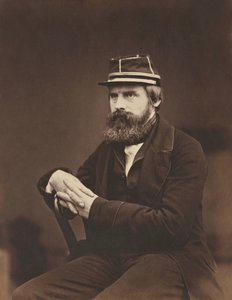
Roger Fenton
1819 - 1869
Osnovne informacije
- Artistic Movement Or Style: Victorian Photography
- Artists Or Movements Influenced By This Artist: ['Romanticism']
- Artists Who Influenced This Artist:
- Paul Delaroche
- Charles Lucy
- Date Of Birth: 1819
- Date Of Death: 1869
- Full Name: Roger Fenton
- Nationality: British
- Notable Artworks:
- Major General Lockyer and Two of His Staff
- Valley of the Shadow of Death
- Place Of Birth: Lancashire, England
Povezani članci

Monochrome Visions: Exploring the Aesthetic & Historical Significance of Black & White Photography
Explore the rich history & artistic power of black and white photography. From early techniques to iconic masters like Ansel Adams, discover why monochrome continues to captivate art lovers today. Expert insights for collectors.

Beyond the Lens: Photography's Enduring Influence on Modern & Contemporary Art
Explore photography's pivotal role in shaping modern & contemporary art. Discover key movements, influential artists like Stieglitz, and expert collecting advice from ArtsDot.
Witnessing History Through Lens & Light: Documentary Photography's Enduring Legacy
Explore the powerful history of documentary photography – from its origins to contemporary masters like Gordon Parks & W. Eugene Smith. Discover how this art form shapes our understanding of society and witness pivotal moments in time.

Dark Masterpieces: 10 Iconic Paintings Dominated by Black Tones |
Explore 10 iconic paintings dominated by black tones, from Rembrandt’s chiaroscuro to Goya's dark expressions. Discover the stories behind these masterpieces & find museum-quality art reproductions for your home at .

Pictorialism: A Search for Artistic Photography's Soul – Aesthetics, Techniques & Legacy
Explore the captivating world of Pictorialism – a pivotal movement that transformed photography into fine art. Discover key artists like Stieglitz & Käsebier, techniques, and collecting tips from experts.

