

 Pošalji
 Podeli
 Detalji o delu

 Преузми
 Slični predmeti
 Slajdovi
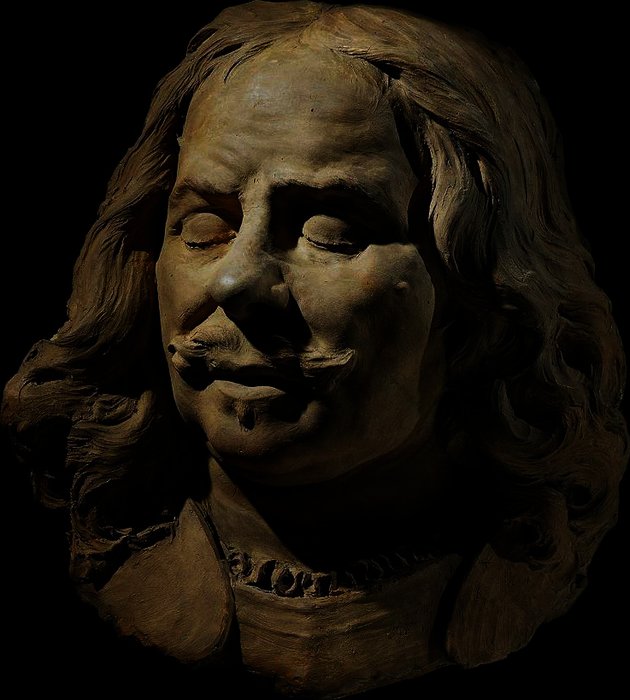
Bust of Admiral Michiel Adriaensz. de Ruyter


 Pročitaj više
Kupite digitalnu sliku visoke rezolucije i poboljšanog kvaliteta, koja je znatno superiornija od onoga što vidite u online prikazu.
Svaka datoteka je pedantno pripremljena od strane naših stručnjaka koristeći napredne alate i profesionalnu ručnu retušu. Osiguravamo da svaka slika ima izuzetnu oštrinu, preciznu reprodukciju boja i fine detalje.
Konačna datoteka se dostavlja putem e-pošte u roku od 72 sata, optimizovana za neposrednu upotrebu u profesionalnim, izdavačkim i štamparskim okruženjima. To je isti kvalitet kojem veruju vrhunski studiji dizajna, izdavači i galerije.
Digitalna slika
Preuzmite datoteku visoke rezolucije za ličnu upotrebu, štampanje i kreativne projekte. ( Kupi print Kupi ručno naslikanu sliku)
Uključeno uz svaku porudžbinu digitalne slike
Profesionalna digitalna isporuka, zagarantovana
Kada odaberete ArtsDot.com, ne dobijate samo sliku – vi primate profesionalno unapređeno digitalno umetničko delo, izrađeno sa najvećom preciznošću i uz garanciju zadovoljstva. Evo svega što automatski dolazi uz vašu porudžbinu:

Brza dostava putem e-pošte
Vaša digitalna slika visoke rezolucije biće vam poslata putem e-pošte u roku od 72 sata od poručivanja – spremna za trenutnu upotrebu.

Digitalna datoteka unapređena veštačkom inteligencijom
Vaše umetničko delo je profesionalno optimizovano korišćenjem naprednih AI alata i ručne obrade, čime se osiguravaju maksimalni detalji, oštrina i preciznost boja.

Besplatna ponovna isporuka doživotno
Slučajno ste obrisali ili izgubili svoju datoteku? Ne brinite – poslaćemo vam je ponovo u bilo kom trenutku, potpuno besplatno.

Bez troškova uvoza – zauvek
Uživajte u svojim umetničkim delima trenutno, bez carine, dažbina ili troškova dostave – digitalni download je uvek bez poreza.

Garancija vernosti boja
Uz pomoć profesionalnih alata i upravljanja bojama, osiguravamo da vaša digitalna slika što vernije odražava originalne boje.

Garancija zadovoljstva u roku od 60 dana
Ako niste zadovoljni svojom digitalnom slikom, revidirat ćemo je ili vratiti 100% novca u roku od 60 dana – bez ikakvih pitanja.

100% garancija povrata novca
Niste zadovoljni? Obezbedite pun povrat novca u roku od 60 dana od trenutka kada ste primili svoju digitalnu datoteku – bez suvišnih pitanja.

Popusti na velike porudžbine
Kupite 3 slike, uštedite 10% - Kupite 5 slika, uštedite 15% - Kupite 10+ slika, uštedite 20%. Odlično za kreativne projekte, galerije i agencije.
A Portrait of Command: The Soul in Terracotta
In the quiet presence of Rombout Verhulst’s Bust of Admiral Michiel Adriaensz. de Ruyter, one does not merely encounter a likeness, but a profound encounter with history itself. Created in 1677, this masterful terracotta sculpture serves as a breathtaking window into the seventeenth century, capturing the very essence of a man who stood as the maritime heartbeat of the Dutch Republic. Verhulst, a sculptor of unparalleled sensitivity, achieved something far more complex than a simple anatomical study; he captured the psychological weight of leadership. As the viewer gazes upon the Admiral’s stern countenance, there is an immediate sense of the turbulent era—the Anglo-Dutch Wars and the high-stakes naval maneuvers that defined an age of imperial ambition and national survival.
The emotional resonance of the piece lies in its ability to bridge the gap between the viewer and a long-passed hero. There is a palpable tension held within the Admiral's resolute expression, a silent defiance that speaks to his legendary role in defending Dutch waters. To possess or display a reproduction of such a work is to invite a sense of gravity and historical continuity into a space, making it an ideal centerpiece for those who appreciate art that tells a story of courage and unyielding spirit.
Mastery of Form and the Baroque Light
Technically, the bust is a triumph of the Baroque aesthetic. Verhulseb utilized the medium of terracotta—a versatile, earthy clay—to execute a level of detail that rivals the finest marble carvings. The process was one of meticulous layering: beginning with the raw modeling of clay to establish the underlying musculature and bone structure, followed by precise sculpting to define the intricate textures of the Admiral's beard and mustache. A subtle glazing with vibrant yellow pigment was applied, lending a luminous quality to the surface that allows light to dance across the contours of the face.
This manipulation of light and shadow, known as chiaroscuro, is central to the work's impact. The deep recesses around the eyes and the sharp edges of the facial hair create dramatic shadows, heightening the theatricality characteristic of the period. For the discerning collector or interior designer, this interplay of texture and tone offers a sophisticated visual depth. Whether placed in a sunlit study or a more dimly lit gallery setting, the bust maintains a commanding presence, its surfaces catching the light to reveal new nuances of the Admiral's formidable character with every change in perspective.
A Legacy Carved in Clay
Beyond its physical beauty, the sculpture is steeped in the cultural significance of the Dutch Golden Age. Rombout Verhulst, having been influenced by the grandeur of Italian masters like Bernini, brought a monumental sensibility to much smaller-scale works. In this bust, he successfully translated the epic scale of historical heroism into an intimate, tactile form. The Admiral’s gaze, fixed and unwavering, symbolizes the steadfastness of a nation grappling with existential threats, making the piece not just a portrait, but a monument to resilience.
Integrating such a high-quality reproduction into a curated collection allows for a sophisticated dialogue between classical history and modern elegance. It serves as an evocative conversation starter, offering a touch of Old World prestige and a profound connection to the artistic mastery of the Flemish and Dutch traditions. For those seeking to decorate with purpose, this work provides more than mere ornamentation; it offers a piece of the human spirit, frozen in the eternal grace of Baroque sculpture.
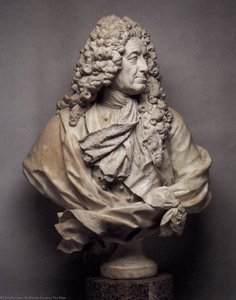
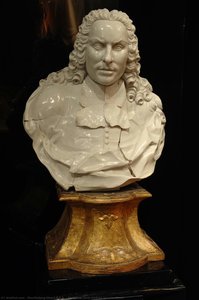
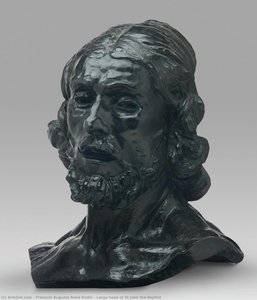
Srodna umetnička dela

Biografija umetnika
Rombout Verhulst: The Baroque Sculptor of Amsterdam and Beyond
Rombout Verhulst (15 January 1624 – buried 27 November 1698) stands as a pivotal figure in the artistic landscape of seventeenth-century Flanders and the Dutch Republic, marking a significant contribution to the burgeoning Baroque style within sculpture. Born in Mechelen, he embarked on his artistic journey under the tutelage of esteemed sculptors Rombout Verstappen and Frans van Loo, establishing a foundation rooted in classical tradition yet swiftly embracing the dramatic expressive qualities characteristic of the era. His formative years instilled an appreciation for meticulous craftsmanship and anatomical accuracy—skills that would prove invaluable throughout his prolific career.- Early Life & Training: Verhulst’s education solidified his understanding of sculptural techniques, notably honed through collaborations with Frans van Loo, a master known for his refined approach to marble carving. This exposure undoubtedly influenced his subsequent stylistic choices and cemented his commitment to achieving unparalleled realism in his works.
- Journey to Italy & Artistic Influences: Between 1646 and 1654, Verhulst undertook a transformative voyage to Italy—a pilgrimage that profoundly impacted his artistic sensibilities. Witnessing the grandeur of Roman sculpture ignited within him an ardent desire to emulate its monumental scale and emotive power. The influence of artists like Bernini became palpable in his later sculptures, particularly evident in the dynamism and theatricality of his compositions.
- Amsterdam & Collaboration with Artus Quellinus: Recognizing Amsterdam’s burgeoning artistic milieu, Verhulst relocated there in 1646, where he joined forces with Artus Quellinus the Elder—a sculptor who would become a mentor and collaborator. Their partnership on the decoration of the Nieuwe Stadhuys (New Town Hall) exemplifies Verhulst's dedication to innovation and his willingness to experiment with new techniques. Notably, Verhulst was the sole sculptor to sign individual works within this ambitious project, demonstrating his independent artistic vision amidst a collective effort.
Sculptural Achievements & Notable Commissions
Verhulst’s reputation soared during the 1660s thanks to patronage from influential families like the Van Reygersberghs. This support enabled him to relocate to Leiden and produce a remarkable array of sculptures—primarily funerary monuments and tomb sculptures—that showcased his mastery of material and form. His groundbreaking commission for Maria van Reygersbergh’s funeral monument in Katwijk-binnen stands as the first private sculptural undertaking of its kind during this period, establishing Verhulst as a pioneer in addressing the evolving tastes of aristocratic clientele. Furthermore, he established himself in The Hague where he became a guild member in 1668 and continued to produce impressive sculptures for urban buildings and memorial sites.- Iconic Monuments: Among Verhulst’s most celebrated works are monumental sculptures commemorating Admiral Michiel de Ruyter, reflecting the heroic spirit of the Dutch Golden Age. These sculptures exemplify his ability to convey emotion and grandeur through meticulous detail.
- Decorative Artworks: His contributions to the Nieuwe Stadhuys included striking reliefs depicting Venus, Fidelity, and Silence—pieces that embody the Baroque aesthetic’s emphasis on allegory and symbolism. Similarly, Verhulst crafted terracotta studies for the bronze doors of Amsterdam's Town Hall, demonstrating his versatility as a sculptor.
- Portrait Sculpture: Although Verhulst produced relatively few portrait sculptures compared to other artists of his time—primarily due to limited demand—his busts of Jacob van Reygersberg and Antonio Lopes Suasso remain exceptional examples of Baroque sculptural realism, capturing the sitter’s likeness with remarkable accuracy.
Legacy & Artistic Significance
Rombout Verhulst's influence extended beyond his immediate commissions; he served as a teacher to Jan Blommendael and Jan Ebelaer, nurturing the talents of future sculptors and perpetuating Baroque artistic traditions. His enduring legacy resides in his pioneering role in introducing the Baroque style into Dutch sculpture—a stylistic shift characterized by dramatic movement, emotional intensity, and opulent ornamentation. Verhulst’s sculptures continue to inspire admiration for their technical brilliance and expressive power, securing his place as one of the foremost sculptors of his era and a cornerstone of Dutch artistic history.
Rombout Verhulst
1624 - 1698 , Italy
Kratke činjenice
- Artistic Movement Or Style: Baroque sculpture
- Artists Who Influenced This Artist:
- Lucas Faydherbe
- Frans van Loo
- Artus Quellinus
- Date Of Birth: Mechelen, Italy (1624)
- Date Of Death: 1698
- Full Name: Rombout Verhulst
- Nationality: Flemish
- Notable Artworks:
- Monument to Admiral Michiel de Ruyter
- Bust of Marie von Reygersberg
- Bust of Jacob van Reygersberg
- Place Of Birth: Mechelen

