

![Vivir Con Ilusión [living In Illusion] — Rómulo Macció](/media/artworks/images-full/e7/ee/e7ee2832a14ba6b2843f20bad8dc4134.jpg)
 Pregledaj u prostoru
 Pošalji
 Podeli
 Detalji o delu

 Преузми
 Slični predmeti
 Rendgenski snimak
 Slajdovi
 Stats
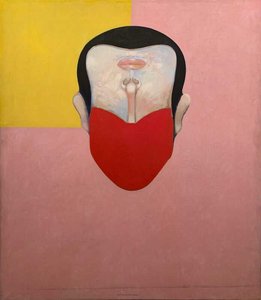
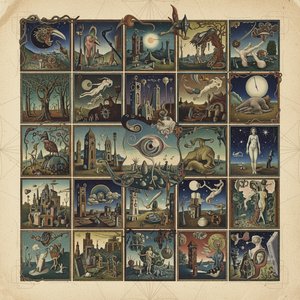
StatsVivir con ilusión [Living in Illusion]
 Oil On Canvas
- WallArt
- Nueva Figuración
 1963
1963- Modern
 96.0 x 130.0 cm
 MAM Rio
 Pročitaj više
Ručno rađena uljana reprodukcija
Ručno oslikano uljanim bojama na platnu u dimenzijama i okviru po vašem izboru, izrađeno po porudžbini od strane naših umetnika. ( Switch to Print Switch to Digital Image)




































Izaberite jednu od naših unapred definisanih veličina koje odgovaraju originalnim proporcijama umetničkog dela.

Можете унети сопствене димензије како бисте прилагодили дело одређеном оквиру или простору. Ако одабрана величина не одговара пропорцијама оригинала, слика ће бити исечена или проширена додатним елементима који се ручно насликавају. Дигитални prikaz ће вам бити послат на одобрење пре почетка производње.
Имајте на уму да преглед на екрану не одражава стварно исецање или проширење. Само приказ (mockup) ће тачно приказати коначну композицију.
Иако су доступне прилагођене величине, препоручујемо да одаберете димензију из дефинисане листе како бисте сачували оригиналне пропорције.
Nakon narudžbine, tim ArtsDot.com će klijentu putem e-pošte poslati uputstva i dostaviti prikaz predloženog rešenja
Isporuka širom sveta () za 3/4 nedelje umesto uobičajenih 5 nedelja. (8 септембар). Bez kompromisa po pitanju kvaliteta.

Besplatna ekspresna dostava širom sveta

Visokokvalitetno laneno platno

Kompletno osiguranje transporta

Garancija povraćaja carine i uvoznih dažbina

Garancija vernosti boja

Politika povraćaja u roku od 100 dana (isključivo u slučaju nedostataka)

Garancija povrata novca od 100%

Popust pri grupnoj kupovini
 Opcija sa staklom dostupna je samo za dimenzije manje od 110 cm

Vivir con ilusión [Living in Illusion]
Tehnika reprodukcije
Dimenzije reprodukcije
-


Konačna cena
$ 263
Srodna umetnička dela


Biografija umetnika
Frank Auerbach: A Life Painted in Thick Emotion
Born in Berlin in 1931, Frank Auerbach’s life was profoundly shaped by the tumultuous events of the 20th century. His early years were marked by upheaval – a refugee from Nazi Germany, he arrived in England with his parents as a child, only to witness their tragic deaths during World War II. This experience of loss and displacement became a central, unspoken theme throughout his prolific career, informing the raw emotionality that permeates every brushstroke.
Auerbach’s artistic journey began at St Martin's School of Art in London, where he found mentorship under David Bomberg, a key figure in the School of London movement. This group, characterized by its rejection of academic formality and embrace of subjective expression, provided a fertile ground for Auerbach’s development. He honed his skills at the Royal College of Art but quickly gravitated away from the prevailing trends, forging his own distinctive style – one defined by intensely layered paint, often applied with palette knives and fingers, creating a tactile, almost sculptural surface.
His early models were deeply personal: his wife, Julia; Juliet Yardley Mills ('J.Y.M.'); and later, Stella West ('E.O.W.'), a close friend who served as the subject of many of his most intimate nudes and portraits. These figures weren’t rendered with photographic accuracy but rather imbued with Auerbach's own emotional state – a sense of vulnerability, loneliness, and quiet contemplation. He rarely left London, establishing a studio that remained his constant throughout his life, a space where he could immerse himself in the process of creation.
The Language of Thick Paint
Auerbach’s technique is instantly recognizable. He eschewed traditional blending methods, instead building up layers upon layers of paint – often using a thick impasto that dominates the surface of his canvases. This physicality isn't merely decorative; it’s integral to the expressive power of his work. The ridges and peaks of the paint seem to vibrate with emotion, conveying a sense of urgency and immediacy.
Critics initially struggled to categorize Auerbach’s art. Some dismissed it as “sculpture,” pointing to the sheer volume of paint applied, while others saw it as a departure from conventional painting. However, figures like David Sylvester recognized its profound psychological impact, arguing that despite the apparent density, these were undeniably paintings – ‘painterly images, not sculptural ones,’ capturing a deeply felt emotional landscape.
His use of color is equally significant. Auerbach favored dark, muted tones—browns, ochres, and blacks—often punctuated by flashes of red or yellow. These colors aren’t used to create realistic representations but rather to evoke mood and atmosphere, contributing to the overall sense of introspection.
The School of London and Beyond
Auerbach was a key member of the “School of London,” a group of British artists who emerged in the post-war era. Alongside figures like Leon Kossoff and Roger Hilton, they rejected the dominant trends of European modernism and developed a distinctly English style—characterized by its focus on urban landscapes, working-class subjects, and intensely personal expression.
His work gained recognition through exhibitions at the Beaux-Arts Gallery and later the Marlborough Gallery. A retrospective at the Hayward Gallery in 1978 solidified his place as one of Britain’s most important post-war painters. Auerbach's influence extends beyond the School of London, with artists like Bridget Riley acknowledging his impact on their own development.
Legacy and Enduring Emotion
Frank Auerbach died in 2016 at the age of 84, leaving behind a vast body of work that continues to resonate with viewers. His paintings are not merely representations of figures or landscapes; they are windows into the artist’s soul—a testament to the power of art to express profound human emotions.
His legacy lies in his uncompromising commitment to personal expression, his innovative use of paint, and his ability to create works that are both intensely intimate and universally relatable. Auerbach's paintings remain a powerful reminder of the enduring capacity of art to confront difficult truths and illuminate the complexities of the human experience.
rómulo macció
1931 - 2016 , Argentina
Osnovne informacije
- Artistic Movement Or Style: Op art
- Artists Or Movements Influenced By This Artist:
- Bridget Riley
- Op art
- Artists Who Influenced This Artist:
- Jackson Pollock
- Yves Klein
- Date Of Birth: 24 April 1931
- Full Name: Bridget Louise Riley
- Nationality: British
- Notable Artworks:
- Prism Structure
- Cornwall Sequence
- The Red Series
- Place Of Birth: Norwood, London
Povezani članci
Francis Bacon: 25 Remek-dela Ikoničnog Ekspresioniste | Reprodukcije i Inspiracija za Dom
Istražite 25 remek-dela Francis Bacon-a – ikona ekspresionizma. Otkrijte priče iza njegovih snažnih portreta, triptiha i tamne palete boja. Reprodukcije slika vrhunskog kvaliteta za vaš dom na ArtsDot.com!

Pop Surrealism: A Collision of Culture, Dreams & the Subconscious in Post-War Art
Explore the captivating world of Pop Surrealism with ArtsDot. Discover key artists like George Condo & Robert Williams, investment potential, and the movement's cultural impact. Expert insights for collectors.
Surrealizam u Umima Majstora: Top 10 Delo Koja Su Definisala Pokret
Uronite u svet surrealizma! Otkrijte Top 10 remek-dela Dalija, Magrita i drugih majstora. Analiza umetnosti, inspiracija za dekoraciju doma i vrhunske reprodukcije na ArtsDot.com. Istražite podsvest i snovi kroz umetnost!
Dreamscapes & Disrupted Realities: Exploring Surrealism's Enduring Influence
Explore the fascinating world of Surrealism! Discover its origins, key artists like Dalí & Magritte, and enduring influence on art & culture. Expert insights & high-quality reproductions at ArtsDot.
25 Remek-dela Maksa Ernsta: Surrealistička Vizija za Vaš Dom | ArtsDot
Istražite 25 remek-dela Maksa Ernsta, ikona surrealizma. Otkrijte priče iza apstraktnih slika, inovativnih tehnika i psiholoških vizija ovog nemačkog umetnika. Kupite reprodukcije vrhunskog kvaliteta za dekoraciju enterijera na ArtsDot.com!