

 Pregledaj u prostoru
 Pošalji
 Podeli
 Detalji o delu

 Преузми
 Slični predmeti
 Rendgenski snimak
 Slajdovi
 Statistika
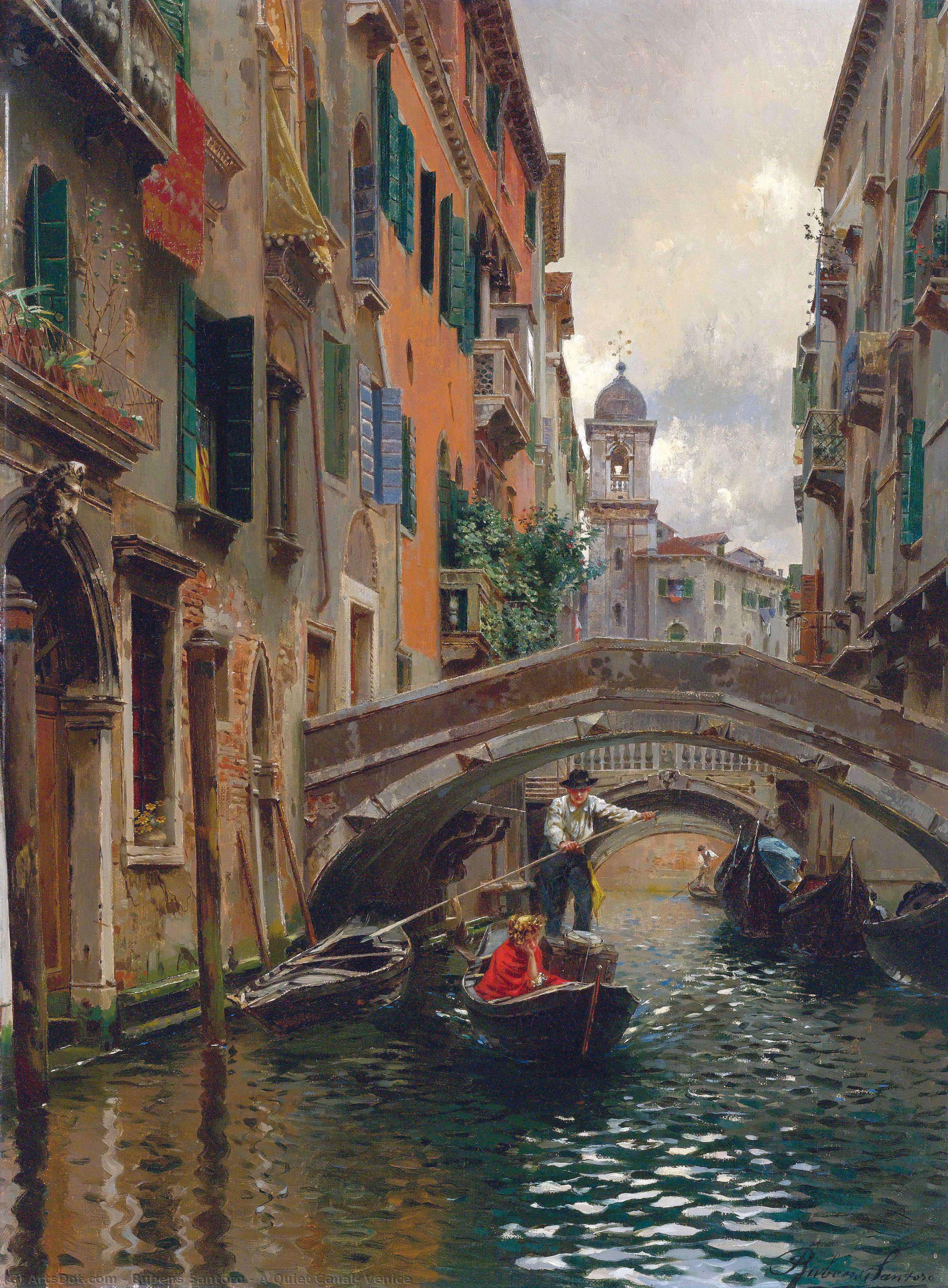
A Quiet Canal, Venice
 49.0 x 36.0 cm
 Pročitaj više
Ručno rađena uljana reprodukcija
Ručno oslikano uljanim bojama na platnu u dimenzijama i okviru po vašem izboru, izrađeno po porudžbini od strane naših umetnika. ( Pređi na štampu Pređi na digitalnu sliku)




































Izaberite jednu od naših unapred definisanih veličina koje odgovaraju originalnim proporcijama umetničkog dela.

Можете унети сопствене димензије како бисте прилагодили дело одређеном оквиру или простору. Ако одабрана величина не одговара пропорцијама оригинала, слика ће бити исечена или проширена додатним елементима који се ручно насликавају. Дигитални prikaz ће вам бити послат на одобрење пре почетка производње.
Имајте на уму да преглед на екрану не одражава стварно исецање или проширење. Само приказ (mockup) ће тачно приказати коначну композицију.
Иако су доступне прилагођене величине, препоручујемо да одаберете димензију из дефинисане листе како бисте сачували оригиналне пропорције.
Nakon narudžbine, tim ArtsDot.com će klijentu putem e-pošte poslati uputstva i dostaviti prikaz predloženog rešenja
Isporuka širom sveta () za 3/4 nedelje umesto uobičajenih 5 nedelja. (8 септембар). Bez kompromisa po pitanju kvaliteta.

Besplatna ekspresna dostava širom sveta

Visokokvalitetno laneno platno

Kompletno osiguranje transporta

Garancija povraćaja carine i uvoznih dažbina

Garancija vernosti boja

Politika povraćaja u roku od 100 dana (isključivo u slučaju nedostataka)

Garancija povrata novca od 100%

Popust pri grupnoj kupovini
 Opcija sa staklom dostupna je samo za dimenzije manje od 110 cm

A Quiet Canal, Venice
Tehnika reprodukcije
Dimenzije reprodukcije
-


Konačna cena
$ 263
Srodna umetnička dela








Biografija umetnika
Rubens Santoro: Capturing the Soul of the Amalfi Coast
Rubens Santoro, born in Mongrassano, Calabria, on October 26th, 1859, and passing away in Naples on December 30th, 1941, was an Italian painter whose evocative landscapes and scenes of Southern Italy – particularly the dramatic beauty of the Amalfi Coast and the vibrant energy of Naples and Venice – secured his place as a significant figure in late 19th and early 20th-century art. Unlike many artists of his time who rigorously adhered to academic training, Santoro’s artistic journey was deeply rooted in direct observation and an intensely personal connection with the world around him. His early life, spent immersed in the rugged landscapes of Calabria alongside his artist father, instilled a profound appreciation for nature's power and beauty – a foundation that would inform every brushstroke he later created.Early Years and Influences
Santoro’s formal artistic education was brief and somewhat unconventional. He enrolled briefly at the Neapolitan Academy of Fine Arts but quickly found its rigid structure stifling. Instead, he embraced a more fluid approach, learning primarily through direct experience. This decision proved pivotal, allowing him to develop an intensely realistic style characterized by meticulous detail and a remarkable ability to capture the nuances of light and atmosphere. Domenico Morelli, a respected critic and art historian, recognized Santoro’s talent early on, offering encouragement and guidance that helped shape his artistic vision. Notably, he was profoundly influenced by Mariano Fortuny, whose work demonstrated a masterful use of color and a sensitivity to the effects of light – particularly evident in Fortuny's own depictions of the Mediterranean landscape. Santoro’s travels throughout Italy, absorbing the diverse regional styles and techniques, further broadened his artistic horizons.A Life Dedicated to Observation
Santoro’s artistic practice was defined by a relentless pursuit of authentic representation. He eschewed idealized or romanticized depictions in favor of capturing the raw beauty and everyday life of the places he visited. His subjects ranged from bustling cityscapes – the vibrant streets of Naples, the canals of Venice – to serene coastal vistas along the Amalfi Coast, including Torre Annunziata, Granatello, Procida, and Resina. He frequently incorporated elements of local culture into his paintings, depicting fishermen, vendors, and women engaged in daily activities with remarkable accuracy and sensitivity. He was known for taking long walks, often accompanied by playing the mandolin, allowing him to observe and sketch directly from life – a practice that informed his meticulous attention to detail and his ability to convey the essence of each location. His work wasn’t simply about recording scenery; it was about capturing the *feeling* of being there.Major Works and Recognition
Santoro's artistic career spanned several decades, during which he exhibited extensively throughout Italy and Europe. Early successes included “A Girl who Laughs,” exhibited in Venice in 1875, which garnered critical acclaim and secured him a commission from Domenico Morelli. His landscapes of the Amalfi Coast, such as *Marina di Maiuri* and *Grotta degli Zingari*, were particularly popular with collectors and gained recognition through sales to the Goupil Gallery. He produced numerous vedute (city views) for Venice, including *Cloister of San Gregorio*, *Via di Piccioni*, and *Blue House*, each rendered with a keen eye for architectural detail and atmospheric perspective. In 1911, his painting *Verona* was awarded a silver medal at the Barcelona Exhibition, further cementing his reputation as a skilled and accomplished artist. His work also found favor with Stewart Gardner, commissioned by Colnaghi, the art merchant of London.Legacy and Artistic Significance
Rubens Santoro’s legacy lies in his ability to translate the beauty and vitality of Southern Italy onto canvas with remarkable realism and emotional depth. His paintings are not merely picturesque representations; they are imbued with a sense of place, capturing the light, color, and atmosphere of each location with astonishing precision. He is considered a key figure in the development of Orientalist painting – a genre that focused on depicting scenes from the Middle East and North Africa – though his primary subject matter remained firmly rooted in Italy. Santoro’s work continues to be appreciated for its technical skill, its evocative imagery, and its authentic portrayal of Italian life during a period of significant social and artistic change. His paintings offer a valuable window into the beauty and spirit of Southern Italy, reminding us of the power of art to capture the essence of a place and its people.
rubens santoro
1859 - 1941
Osnovne informacije
- Artistic Movement Or Style: Orientalist, Realism
- Artists Or Movements Influenced By This Artist:
- Fortuny
- Venetian painting
- Artists Who Influenced This Artist:
- Mariano Fortuny
- Domenico Morelli
- Date Of Birth: October 26, 1859
- Date Of Death: December 30, 1941
- Full Name: Rubens Santoro
- Nationality: Italian
- Notable Artworks:
- Marina di Maiuri
- Grotta degli Zingari
- Morning Rest
- Verona
- Place Of Birth: Mongrassano, Calabria