

 Pregledaj u prostoru
 Pošalji
 Podeli
 Detalji o delu

 Преузми
 Slični predmeti
 Rendgenski snimak
 Slajdovi
 Statistika
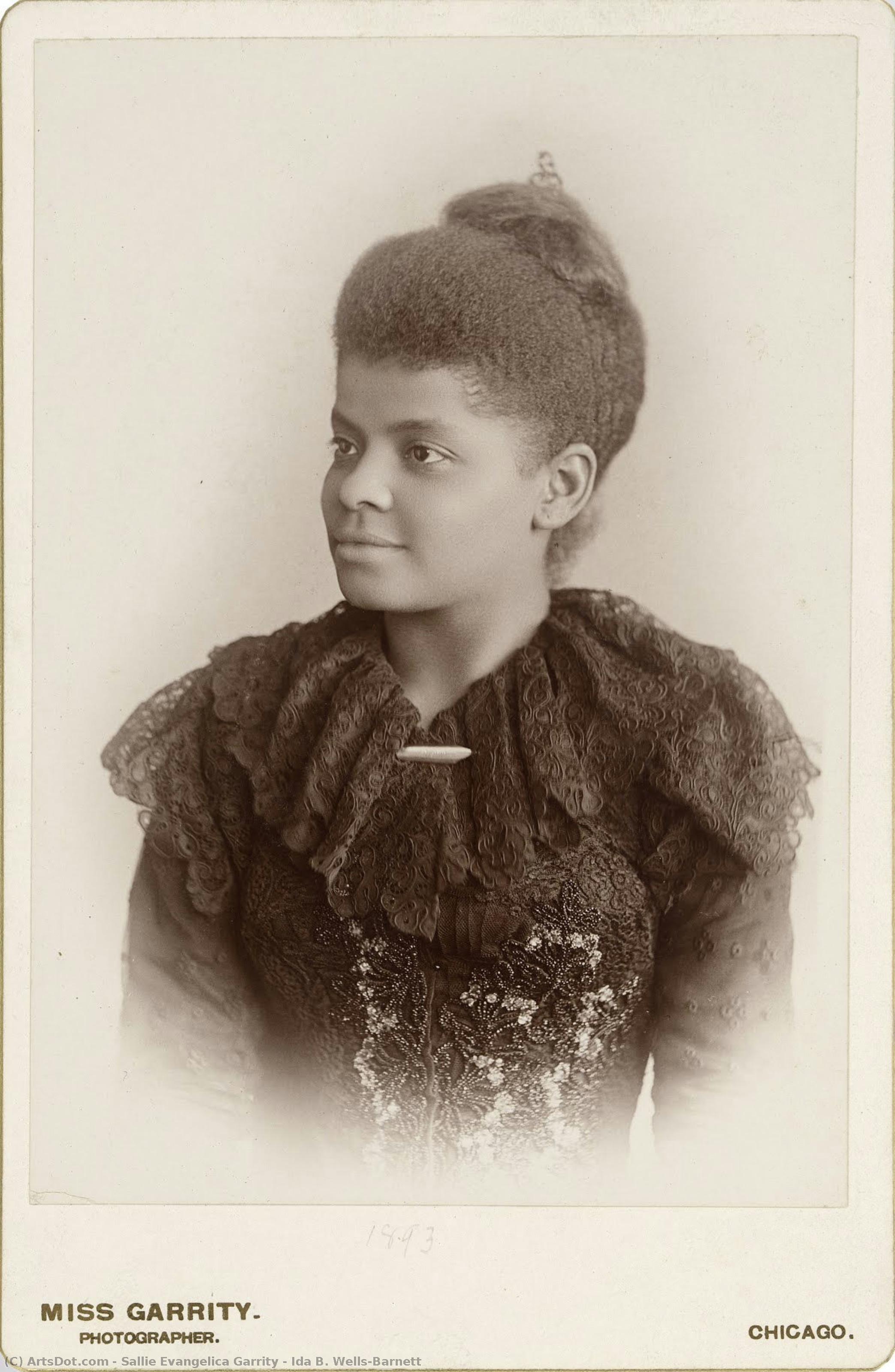
Ida B. Wells-Barnett
 Oil On Paper
 1893
1893- 19th Century
 9.0 x 13.0 cm
 National Portrait Gallery
 Pročitaj više
Kupite digitalnu sliku visoke rezolucije i poboljšanog kvaliteta, koja je znatno superiornija od onoga što vidite u online prikazu.
Svaka datoteka je pedantno pripremljena od strane naših stručnjaka koristeći napredne alate i profesionalnu ručnu retušu. Osiguravamo da svaka slika ima izuzetnu oštrinu, preciznu reprodukciju boja i fine detalje.
Konačna datoteka se dostavlja putem e-pošte u roku od 72 sata, optimizovana za neposrednu upotrebu u profesionalnim, izdavačkim i štamparskim okruženjima. To je isti kvalitet kojem veruju vrhunski studiji dizajna, izdavači i galerije.
Digitalna slika
Preuzmite datoteku visoke rezolucije za ličnu upotrebu, štampanje i kreativne projekte. ( Pređi na štampu Kupi ručno naslikanu sliku)
Uključeno uz svaku porudžbinu digitalne slike
Profesionalna digitalna isporuka, zagarantovana
Kada odaberete ArtsDot.com, ne dobijate samo sliku – vi primate profesionalno unapređeno digitalno umetničko delo, izrađeno sa najvećom preciznošću i uz garanciju zadovoljstva. Evo svega što automatski dolazi uz vašu porudžbinu:

Brza dostava putem e-pošte
Vaša digitalna slika visoke rezolucije biće vam poslata putem e-pošte u roku od 72 sata od poručivanja – spremna za trenutnu upotrebu.

Digitalna datoteka unapređena veštačkom inteligencijom
Vaše umetničko delo je profesionalno optimizovano korišćenjem naprednih AI alata i ručne obrade, čime se osiguravaju maksimalni detalji, oštrina i preciznost boja.

Besplatna ponovna isporuka doživotno
Slučajno ste obrisali ili izgubili svoju datoteku? Ne brinite – poslaćemo vam je ponovo u bilo kom trenutku, potpuno besplatno.

Bez troškova uvoza – zauvek
Uživajte u svojim umetničkim delima trenutno, bez carine, dažbina ili troškova dostave – digitalni download je uvek bez poreza.

Garancija vernosti boja
Uz pomoć profesionalnih alata i upravljanja bojama, osiguravamo da vaša digitalna slika što vernije odražava originalne boje.

Garancija zadovoljstva od 100 dana
Ako niste zadovoljni svojom digitalnom slikom, izvršićemo reviziju ili ćemo vam vratiti 100% novca u roku od 100 dana – bez ikakvih pitanja.

100% garancija povrata novca
Niste zadovoljni? Dobijte puni povraćaj novca u roku od 100 dana od prijema digitalne datoteke – bez suvišnih pitanja.

Popusti na velike porudžbine
Kupite 3 slike, uštedite 10% - Kupite 5 slika, uštedite 15% - Kupite 10+ slika, uštedite 20%. Odlično za kreativne projekte, galerije i agencije.
A Portrait of Unyielding Spirit: Ida B. Wells-Barnett
To gaze upon this portrait of Ida B. Wells-Barnett is to encounter not merely a likeness captured in time, but the very embodiment of fierce intellectual courage. Painted by Sallie Evangelica Garrity and dating from 1893, this work transcends the boundaries of simple portraiture. It arrests the viewer with its solemn dignity, presenting a woman whose life story became inextricably linked with the struggle for civil rights and truth in America. The composition itself speaks volumes; the sitter is presented with a poised grace that belies the revolutionary spirit she harbored within. One senses the weight of history resting upon her shoulders, yet also the unwavering strength required to bear it.
Historical Resonance and Artistic Context
The year 1893 places this artwork at a fraught and pivotal moment in American history. Ida B. Wells-Barnett’s life was defined by confronting systemic injustice—from the indignity of segregated railcars to the brutal reality of lynching. This painting, therefore, functions as more than just a commemorative piece; it is a visual testament to burgeoning activism. Garrity, working within the established traditions of portraiture, managed to imbue the depiction with a modern resonance. The black and white quality, characteristic of early photography and portraiture from that era, lends an air of timeless gravitas, suggesting that the issues Wells fought—dignity, justice, and voice—are perennial human concerns.
Technique and Visual Allure
While the original medium is a painting capturing a photographic moment, the execution by Garrity showcases a masterful handling of form. The details in her attire, particularly the bow adorning her hair, suggest careful attention to presentation, perhaps for an important public appearance or sitting. The artist has rendered the texture of the fabric and the subtle contours of the face with palpable skill. For those considering a reproduction for their home or gallery, understanding this technical finesse is key; it allows one to appreciate how Garrity managed to capture both the ephemeral quality of a photograph and the permanence of painted artistry.
Symbolism of Steadfast Presence
The symbolism within this portrait is deeply rooted in resilience. Wells-Barnett’s gaze, if one can perceive it through the canvas, seems directed outward, past the viewer, toward an unseen horizon of justice. Her bearing suggests a mind constantly at work—a mind that would later produce groundbreaking investigative treatises like Southern Horrors. The portrait thus becomes a symbol of intellectual fortitude; it is the visual representation of speaking truth to power when the cost was immense. It invites contemplation on the enduring power of narrative and documented evidence.
A Piece for Contemplation
To own this piece is to curate more than just decoration; it is to acquire a conversation starter, a quiet monument to bravery. Whether placed in a study where deep thought occurs or a drawing-room meant for thoughtful gathering, the presence of this portrait anchors a space with profound meaning. It serves as an elegant reminder that art can be a powerful vehicle not only for beauty but also for bearing witness to history’s most challenging moments.
Srodna umetnička dela



Biografija umetnika
Gustav Klimt: A Rebel of Form and Emotion
Born in Vienna in 1862, Gustav Klimt emerged as a pivotal figure in the late 19th-century art world, a time of rapid change and burgeoning artistic experimentation. His life, tragically cut short at the age of 56 in 1918, was marked by both immense success and profound personal struggles – experiences that inextricably shaped his distinctive style and enduring legacy. Klimt’s work wasn't merely decorative; it was a bold assertion of individual expression, a rejection of academic constraints, and a deeply felt exploration of the human psyche.
Klimt’s early artistic training provided him with a solid foundation in classical techniques, studying architecture at the Vienna School of Arts and Crafts. However, he quickly recognized the limitations of this traditional approach, yearning for a means to convey his own unique vision. Initially, Klimt embraced a more conventional style, producing portraits and historical scenes that demonstrated technical skill but lacked a discernible personal voice. It was only after encountering the works of Japanese prints – particularly those by Hiroshige and Hokusai – that he began to develop the aesthetic principles that would define his mature work: rich color palettes, intricate patterns, and a fascination with symbolism.
The 1880s witnessed Klimt’s artistic evolution. He experimented with various styles, including Symbolism and Art Nouveau, but it was his involvement in the Secession movement – a group of artists who broke away from the conservative Vienna Academy of Fine Arts in 1897 – that truly unleashed his creative potential. The Secession aimed to establish an independent artistic space, rejecting academic norms and embracing innovation. Klimt became one of its leading figures, alongside artists like Egon Schiele and Richard Wagner. This movement provided him with a platform to develop his signature style: opulent gold backgrounds, stylized female figures adorned in elaborate costumes, and recurring motifs such as circles, spirals, and geometric patterns.
The Portraiture of Adele Bloch-Bauer
Perhaps Klimt’s most iconic work is *Portrait of Adele Bloch-Bauer* (1907), a monumental painting that exemplifies his artistic achievements. Commissioned by the wealthy textile merchant Adele Bloch-Bauer, the portrait transcends mere likeness; it becomes a complex exploration of female beauty, power, and mystery. Klimt employed a lavish use of gold leaf, creating a shimmering surface that reflects both the sitter’s wealth and her enigmatic aura. The stylized background, filled with intricate patterns and symbolic elements, further enhances the painting's visual richness and psychological depth.
The portrait is not simply a representation of Adele Bloch-Bauer; it’s an embodiment of Klimt’s artistic vision. He deliberately distorted her features, creating a mask-like quality that suggests both vulnerability and strength. The use of gold symbolizes wealth, divinity, and the eternal nature of beauty – themes central to Klimt's work. The painting has been studied extensively for its symbolism, with interpretations ranging from representations of fertility to reflections on the role of women in society.
Love, Loss, and Artistic Transformation
Klimt’s personal life was marked by tragedy and profound emotional upheaval. The deaths of his father and brother Ernst in 1891 deeply affected him, triggering a period of intense introspection and artistic transformation. These losses fueled a shift away from the more overtly decorative aspects of his earlier work towards a greater emphasis on psychological depth and symbolic representation. His relationship with Emilie Flöge, his sister-in-law, provided a source of solace and inspiration, influencing several of his later paintings.
The influence of these personal experiences is evident in works such as *Judith I* (1901), which depicts the biblical heroine Judith slaying Holofernes with a hauntingly beautiful and unsettling intensity. The painting’s stark contrasts, dramatic lighting, and symbolic imagery convey a sense of both triumph and despair – reflecting Klimt's own emotional state at the time.
Legacy and Influence
Despite his relatively short career, Gustav Klimt left an indelible mark on the art world. His innovative use of color, pattern, and symbolism paved the way for subsequent generations of artists, including the Expressionists and Surrealists. His work continues to captivate audiences with its sensual beauty, psychological complexity, and profound emotional resonance.
Klimt’s influence extends beyond painting; his distinctive style has been widely imitated in fashion, design, and popular culture. The shimmering gold backgrounds of his paintings have become synonymous with luxury and sophistication, while his stylized female figures continue to inspire artists and designers today. Gustav Klimt remains one of the most recognizable and beloved figures in art history – a testament to the enduring power of his artistic vision.

sallie evangelica garrity
1862 - 1907