 Pregledaj u prostoru
 Pošalji
 Podeli
 Detalji o delu

 Преузми
 Slični predmeti
 Rendgenski snimak
 Slajdovi
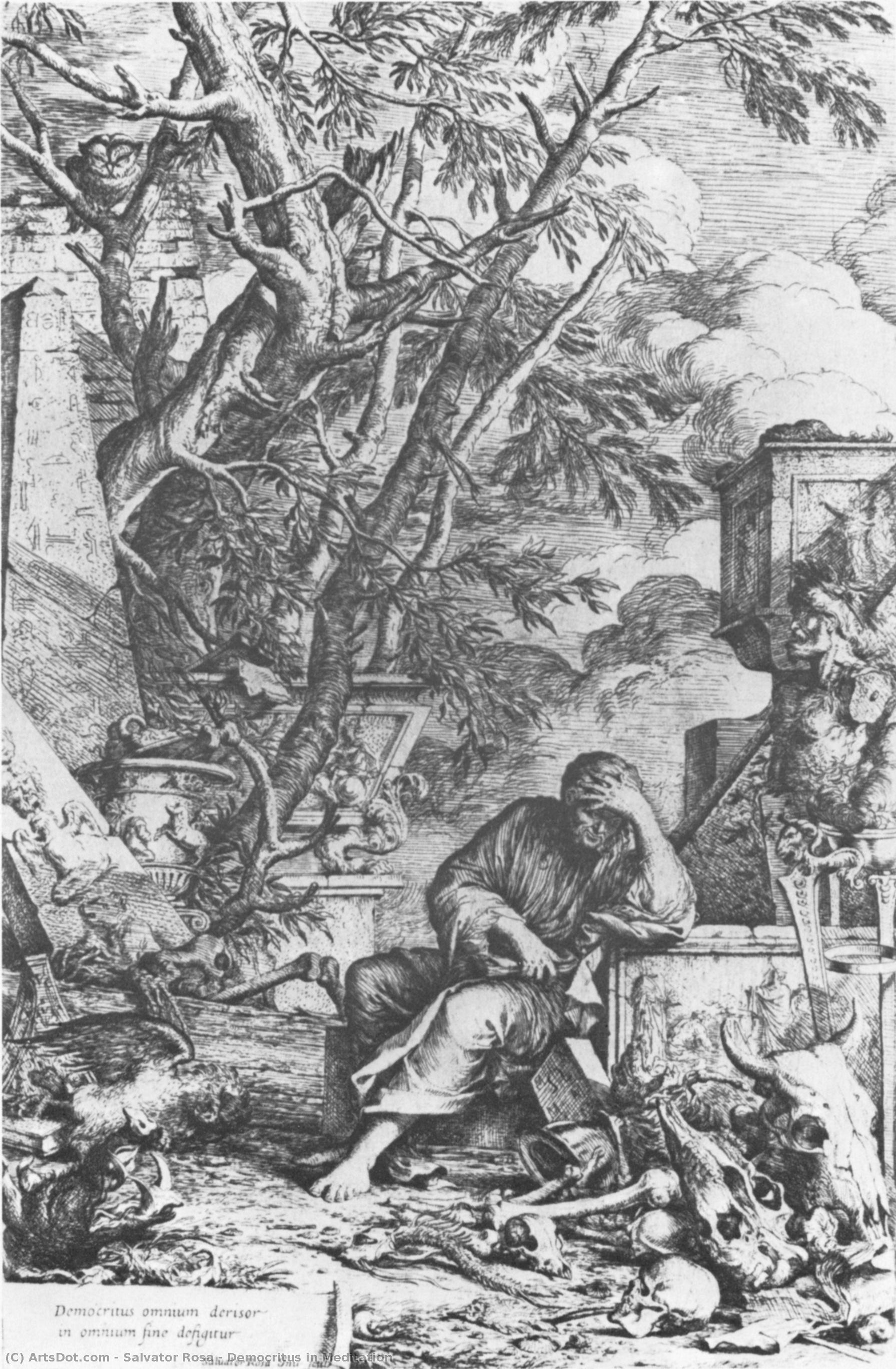
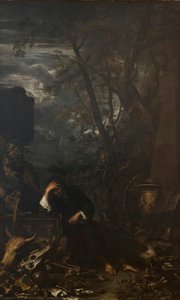
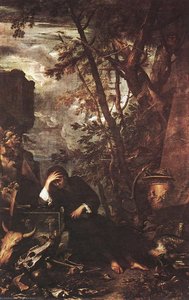
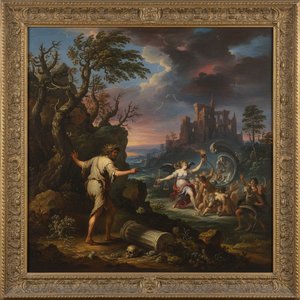
Democritus in Meditation


 Pročitaj više
Giclee štampa / Umetnički otisak
Giclée štampa ili print na platnu muzejskog kvaliteta uz brzu proizvodnju i fleksibilne opcije završne obrade. ( Kupi ručno naslikanu sliku Kupi digitalnu sliku)




P118B $10

P118H $10

P118W $10

P438Z $10

P508JH $12

P508YH $12

P805H $10

P805Z $10

P919BZ $10

P919G $10

P919XJ $10

P959ZH $10

P968JZ $12

W106C $8

W218G $10

W218JH $8

W218Y $10

W307PJ $10

W316G $10

W316PJ $8

W316Y $10

W398PJ $8

W4111J $10

W500HY $15

W500JH $15

W692G $12

W849H $8

W940BG $15

W953PJ $8




Izaberite jednu od naših unapred definisanih veličina koje odgovaraju originalnim proporcijama umetničkog dela.

Možete uneti sopstvene dimenzije kako biste umetničko delo prilagodili specifičnom okviru ili prostoru. Ako odabrani format ne odgovara proporcijama originalne slike, mi ćemo ili iscrtati deo dela ili proširiti sliku pomoću ogledane ivice ili jednobojnog popunjavanja. Digitalni prikaz će vam biti poslat na odobrenje pre početka proizvodnje.
Imajte na umu da pregled na ekranu ne odražava stvarno iscrtavanje ili proširivanje. Samo će prikaz (mockup) precizno pokazati finalnu kompoziciju.
Iako su prilagođene dimenzije dostupne, preporučujemo da odaberete dimenziju sa unapred definisane liste kako biste očuvali originalne proporcije.
Dostava širom sveta () za 2 nedelje umesto uobičajenih 4/5 nedelja. (7 септембар)

Besplatna ekspresna dostava širom sveta

Visokokvalitetno laneno platno

Kompletno osiguranje transporta

Garancija povraćaja carine i uvoznih dažbina

Garancija vernosti boja

Politika povraćaja u roku od 100 dana (isključivo u slučaju nedostataka)

Garancija povrata novca od 100%

Popust pri grupnoj kupovini
 Opcija sa staklom dostupna je samo za dimenzije manje od 110 cm

Democritus in Meditation
Giclee štampa / Umetnički otisak
Dimenzije reprodukcije
-


Konačna cena
$ 62
Democritus in Meditation
Salvator Rosa’s “Democritus in Meditation” stands as a haunting testament to Baroque artistry—a dramatic landscape infused with philosophical contemplation and steeped in the anxieties of its time. Executed around 1662, this etching with drypoint captures a pivotal moment from Greek mythology: Prometheus, chained to a rock and tormented by Zeus’s eagle, wrestles with existential questions about mortality and the futility of human ambition. Rosa's masterful technique—characterized by meticulous hatching and cross-hatching—creates an atmosphere of palpable unease and profound sorrow, mirroring Democritus’s internal struggle. The composition is deliberately unsettling. Rosa abandons the idealized vistas favored by artists like Claude Lorrain, opting instead for a desolate Caucasus landscape dominated by jagged rocks and gnarled trees. This stark environment serves as a visual metaphor for Prometheus's predicament—a prisoner of circumstance, facing inescapable suffering. The artist’s use of light is equally significant; it casts long shadows across the scene, emphasizing the figure’s isolation and amplifying the drama of the torment. Rosa skillfully employs perspective to deepen the sense of depth and create an immersive experience for the viewer. Rosa's stylistic choices reflect a broader intellectual movement—the burgeoning interest in Stoicism among European artists and thinkers. The Stoics believed that happiness lay not in avoiding suffering but in accepting it with fortitude and recognizing its inevitable role in the cosmic order. Rosa’s depiction of Prometheus embodies this philosophical stance, portraying him as a man confronting death without despair, gazing calmly upon the symbols of mortality surrounding him. The inclusion of skulls and bones—a common motif in Baroque art—further underscores the theme of decay and reminds us of the transient nature of human existence. Beyond its aesthetic qualities, “Democritus in Meditation” speaks to deeper anxieties about humanity’s place in the universe. Rosa's etching is not merely a depiction of myth; it’s an exploration of fundamental questions concerning life, death, and reason. The artist’s deliberate inversion of traditional artistic conventions—transforming the laughing Democritus into the weeping Heraclitus—demonstrates his rebellious spirit and underscores his desire to challenge conventional notions of beauty and morality. Rosa's work continues to resonate with audiences today because it confronts us with uncomfortable truths about our own mortality and invites us to contemplate the meaning of existence. Rosa’s etching technique involved transferring a drawing onto a copper plate, which was then etched using acid—a process that required considerable skill and patience. The drypoint method created fine lines that retained ink even after printing, resulting in an image with exceptional tonal richness and textural detail. This meticulous craftsmanship is evident throughout the print, from the carefully rendered rocks to the expressive contours of Prometheus’s body. Rosa's dedication to capturing the essence of his subject matter—both visually and intellectually—solidifies his position as one of the most influential artists of the Baroque period. The etching was acquired by Margaret Delmer in 1985 and is currently housed at the Art Gallery of NSW, where it remains on display for public viewing. It exemplifies Rosa’s masterful blend of landscape painting and philosophical reflection—a legacy that continues to inspire admiration and scholarly interest.Srodna umetnička dela

Biografija umetnika
**Почетак живота и образовање**
Салватор Роза, италијански барокни сликар, песник и графичар, рођен је у Аренели, код Напуља, 20. јуна или 21. јула 1615. године. Његова мајка, Ђулија Грека Роза, била је из породице грчких досељеника са Сицилије. Иако је отац желео да постане адвокат или свештеник, Салватор је од раног узраста показивао склоност према уметности. Његов бунтарски дух се манифестовао и у томе што је избегавао конвенционални пут карејере, посвећујући се страсти за сликањем уместо професија које су му били предвиђене. Рани период његовог живота био је обележен самосталним учењем и упорном потрагом за сопственим стилом, често у супротности са очекивањима друштва.**Уметничка каријера и карактеристике рада**
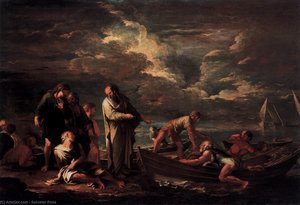
Салватор Роза је био познат по свом неконвенционалном и екстравагантном стилу, који га је издвојио од савременика. Активно је радио у Напуљу, Риму и Фиренци, а на његов рад су утицали реализам Рибере и класицизам Пусена. Међутим, он се трудио да не буде везан за ниједан посебан стил или покрет, развијајући свој јединствени израз. Његови пејзажи су често мрачни и драматични, испуњени бурима, рушевинама и дивљим природним сценама које одражавају његов романтичарски дух и филозофска размишљања. Радови попут "Пирогора излази из Подземног света" (Kimbell Art Museum, Форт Ворт, Сједињене Државе) показују његову способност да споји философске теме са уметничким елементима на импресиван начин. "Крштење евнуха" (Chrysler Museum of Art, Норфолк, Сједињене Државе) демонстрира његов таленат за уношење драме и интензитета чак и у мале библијске приче. Његова техника је била карактеристична по смелој употреби светла и сенке, као и динамичним композицијама које су често укључивале фигуре у акцији.**Утицаји и наслеђе**
Салватор Роза је имао значајан утицај на развој барокне уметности, посебно у области пејзажа. Његов рад је инспирисао касније уметнике, попут Луке Ђордана, који су наставили да померају границе уметничког израза. Розин бунтарски дух и његова способност да споји филозофију са уметношћу оставили су трајан утисак на генерације уметника. Његов рад је био претеча романтизма, а његови пејзажи су често интерпретирани као симболи човекове борбе против природе и судбине. Розин утицај се може видети и у делима многих других сликара који су тежили да изразе своје емоције и идеје кроз драматичне и импресивне сцене.**Важна дела и достигнућа**
Поред већ поменутих "Пирогора излази из Подземног света" и "Крштења евнуха", Салватор Роза је створио многа друга значајна дела. Међу њима су и "Призор залива Салерно", који одликује реалистичан приказ природе, као и студија за "Генија Розе", која показује његову мајсторску употребу цртежа. Роза је био плодан графичар, а његови отисци су били веома популарни у своје време. Његова способност да споји различите жанрове – сликање, поезију и графику – учинила га је изузетно свестраним и оригиналним уметником.**Историјски значај и закључак**
Салватор Роза је остао запамћен као један од најзначајнијих представника барокне уметности, познат по свом бунтарском духу, неконвенционалном стилу и филозофским размишљањима. Његов рад је био претеча романтизма, а његови пејзажи су често интерпретирани као симболи човекове борбе против природе и судбине. Као сликар, песник и графичар, Салватор Роза остаје загонетна фигура чији рад наставља да инспирише нове генерације уметника и љубитеља уметности. Музеј Kimbell Art Museum и Chrysler Museum of Art су само неки од музеја који чувају његова ремек-дела, сведочећи о трајној вредности његовог опуса.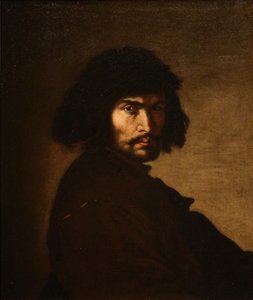
Сальватор Роза
1615 - 1673 , Италија
Osnovne informacije
- Artistic Movement Or Style: Barokna umetnost
- Artists Or Movements Influenced By This Artist: ['Luca Giordano']
- Artists Who Influenced This Artist: ['José de Ribera']
- Date Of Birth: 20. jun 1615.
- Date Of Death: 1673.
- Full Name: Salvator Rosa
- Nationality: Italijan
- Notable Artworks:
- Pitagora izlazi iz pakla
- Krštenje eunoha
- Place Of Birth (City And Country): Arenella, Italija
Povezani članci
Salvator Rosa: A Baroque Rebel's Vision of Landscape, Allegory & the Human Condition
Explore the captivating world of Salvator Rosa, a rebellious Baroque master. Discover his dramatic landscapes, allegorical paintings & lasting influence on Romanticism. Hand-painted reproductions available at ArtsDot.
Engraving's Golden Age: 10 Masterpieces That Redefined Art | ArtsDot
Journey through art history with our Top 10 Legendary Engravings! Explore masterpieces by Dürer, Rembrandt & Goya. Discover the stories behind these iconic prints and find museum-quality reproductions for your home at ArtsDot.com.
Engraving: A Historical Survey of Technique, Artistic Expression & Enduring Legacy
Explore the rich history of engraving with ArtsDot. Discover techniques, iconic artists like Dürer & Callot, collecting tips, and expert guidance for preserving your art investment. Learn about intaglio printing & more!
The Intricate World of Engraving: A Historical Survey of Technique, Artistic Expression & Enduring Legacy
Explore the rich history of engraving with ArtsDot. Discover techniques, iconic artists like Dürer & Callot, collecting tips, and expert guidance for preserving your art investment. Learn about intaglio printing & more!

Барокна драма: Уношење величине и емоција у савремене ентеријере
Откријте барокну драму и унесите величину у ваш ентеријер! ArtsDot нуди ручно насликане репродукције, персонализоване портрете и стручне консултације за љубитеље класичне уметности. Потражите савршено дело већ данас!