

 Pregledaj u prostoru
 Pošalji
 Podeli
 Detalji o delu

 Преузми
 Slični predmeti
 Rendgenski snimak
 Slajdovi
 Statistika
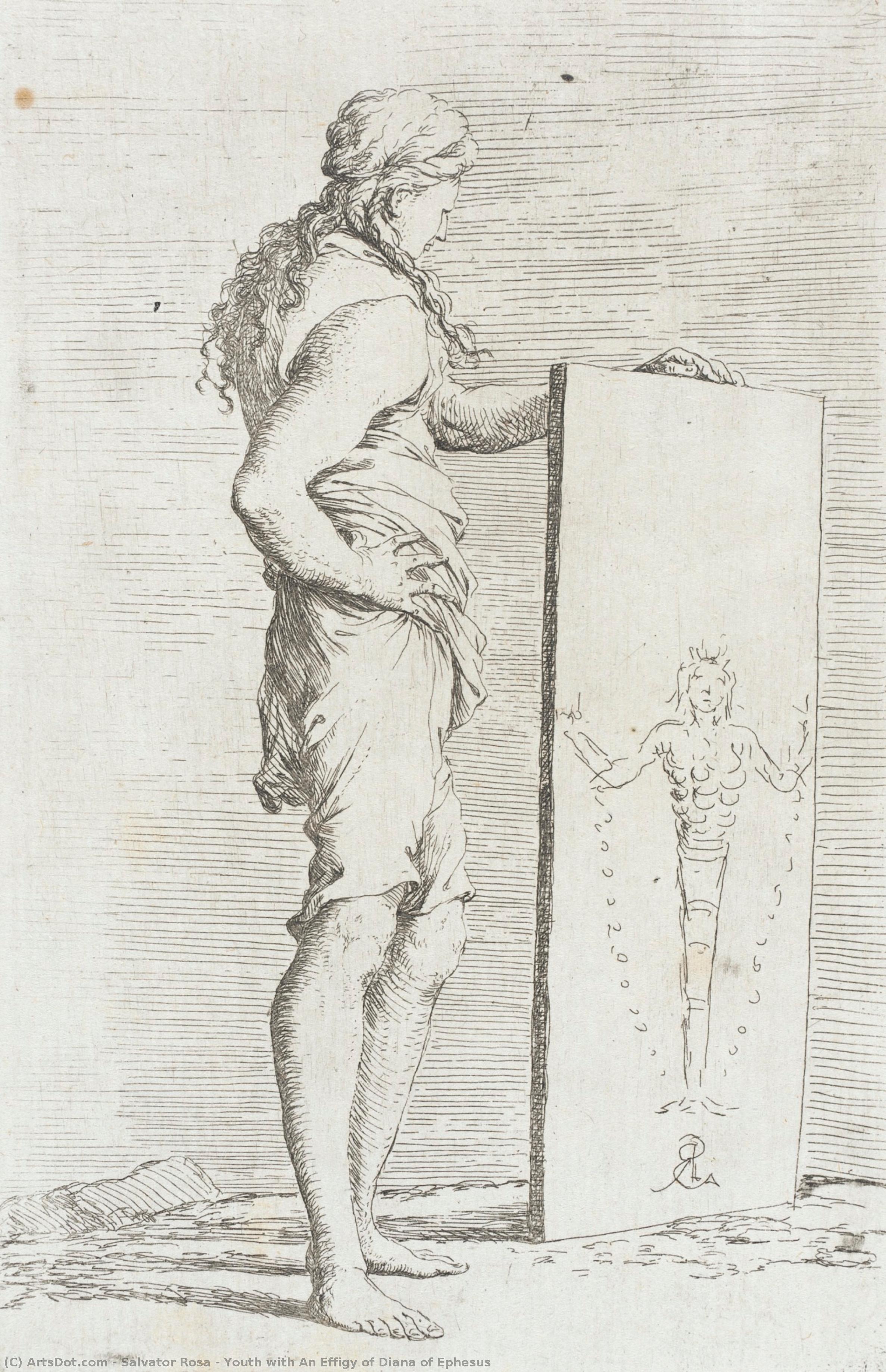
Youth with An Effigy of Diana of Ephesus


 Pročitaj više
Kupite digitalnu sliku visoke rezolucije i poboljšanog kvaliteta, koja je znatno superiornija od onoga što vidite u online prikazu.
Svaka datoteka je pedantno pripremljena od strane naših stručnjaka koristeći napredne alate i profesionalnu ručnu retušu. Osiguravamo da svaka slika ima izuzetnu oštrinu, preciznu reprodukciju boja i fine detalje.
Konačna datoteka se dostavlja putem e-pošte u roku od 72 sata, optimizovana za neposrednu upotrebu u profesionalnim, izdavačkim i štamparskim okruženjima. To je isti kvalitet kojem veruju vrhunski studiji dizajna, izdavači i galerije.
Digitalna slika
Preuzmite datoteku visoke rezolucije za ličnu upotrebu, štampanje i kreativne projekte. ( Pređi na štampu Kupi ručno naslikanu sliku)
Uključeno uz svaku porudžbinu digitalne slike
Profesionalna digitalna isporuka, zagarantovana
Kada odaberete ArtsDot.com, ne dobijate samo sliku – vi primate profesionalno unapređeno digitalno umetničko delo, izrađeno sa najvećom preciznošću i uz garanciju zadovoljstva. Evo svega što automatski dolazi uz vašu porudžbinu:

Brza dostava putem e-pošte
Vaša digitalna slika visoke rezolucije biće vam poslata putem e-pošte u roku od 72 sata od poručivanja – spremna za trenutnu upotrebu.

Digitalna datoteka unapređena veštačkom inteligencijom
Vaše umetničko delo je profesionalno optimizovano korišćenjem naprednih AI alata i ručne obrade, čime se osiguravaju maksimalni detalji, oštrina i preciznost boja.

Besplatna ponovna isporuka doživotno
Slučajno ste obrisali ili izgubili svoju datoteku? Ne brinite – poslaćemo vam je ponovo u bilo kom trenutku, potpuno besplatno.

Bez troškova uvoza – zauvek
Uživajte u svojim umetničkim delima trenutno, bez carine, dažbina ili troškova dostave – digitalni download je uvek bez poreza.

Garancija vernosti boja
Uz pomoć profesionalnih alata i upravljanja bojama, osiguravamo da vaša digitalna slika što vernije odražava originalne boje.

Garancija zadovoljstva od 100 dana
Ako niste zadovoljni svojom digitalnom slikom, izvršićemo reviziju ili ćemo vam vratiti 100% novca u roku od 100 dana – bez ikakvih pitanja.

100% garancija povrata novca
Niste zadovoljni? Dobijte puni povraćaj novca u roku od 100 dana od prijema digitalne datoteke – bez suvišnih pitanja.

Popusti na velike porudžbine
Kupite 3 slike, uštedite 10% - Kupite 5 slika, uštedite 15% - Kupite 10+ slika, uštedite 20%. Odlično za kreativne projekte, galerije i agencije.
Salvator Rosa’s “Youth with an Effigy of Diana of Ephesus”: A Baroque Meditation on Myth and Mortality
Salvator Rosa's "Youth with an Effigy of Diana of Ephesus," painted in 1657, is not merely a portrait; it’s a carefully constructed tableau brimming with symbolic weight and the quiet intensity characteristic of the late Baroque period. The painting immediately draws the eye to its central figure – a young man, rendered in exquisite detail against a subtly textured background – who stands poised before an intricately sculpted representation of Diana, the Roman goddess of the hunt, wilderness, and the moon. This isn’t a scene of heroic action or dramatic narrative; instead, it's a moment of contemplative observation, inviting us to ponder the relationship between youth, mythology, and perhaps even mortality itself.
Rosa masterfully employs the techniques honed during his extensive training in Naples and Rome. The composition is dominated by strong vertical lines, mirroring the rectangular panel upon which Diana’s effigy rests. This deliberate structure lends a sense of formality and gravitas to the scene. Hatching and cross-hatching are used with remarkable precision to create subtle gradations of light and shadow, imbuing the figures with a palpable three-dimensionality. The artist's use of line is particularly noteworthy; it’s not simply delineating forms but actively shaping the viewer’s perception, guiding their gaze across the canvas.
The Goddess and Her Symbolism
Diana, depicted here in a strikingly realistic style—a departure from the idealized representations common in earlier classical art—is far more than just a mythological figure. She embodies fertility, protection, and the untamed forces of nature. The multiple breasts adorning her sculpted form are a potent symbol of abundance and nourishment, directly referencing Diana’s role as the protector of women and children. Her gaze is averted, suggesting introspection or perhaps a quiet sadness—a common theme in Rosa's work, often reflecting on the transience of beauty and life.
The choice of Diana herself carries significant weight within the context of 17th-century Italy. The goddess was deeply intertwined with Roman religious practices, particularly those associated with the Aventine Hill in Rome, a site considered sacred to her. Rosa’s depiction subtly echoes this ancient connection, grounding the scene in a rich tapestry of historical and mythological references. The inclusion of the effigy on a rectangular panel further reinforces this connection to classical art and tradition.
A Portrait of Contemplation
The young man before Diana is equally enigmatic. He’s dressed in the attire of a Roman youth, suggesting a connection to the ideals of civic virtue and military prowess—values highly prized during the Baroque era. However, his posture – slightly turned away from the viewer, with a thoughtful expression – hints at a deeper introspection. He isn't actively engaging with Diana; rather, he’s observing her, perhaps contemplating her role in the cycle of life and death, or reflecting on his own place within the grand scheme of things.
Rosa skillfully uses light to heighten this sense of contemplation. A strong directional light source illuminates the youth's face and upper body, casting subtle shadows that define his form and create a sense of depth. This dramatic lighting is characteristic of Baroque painting, designed to evoke emotion and draw the viewer’s attention to key elements within the composition.
Historical Context and Artistic Legacy
"Youth with an Effigy of Diana of Ephesus" was created during a period of significant artistic and political upheaval in Italy. The Counter-Reformation had just concluded, and the Catholic Church was actively seeking to reassert its authority through art and architecture. Rosa’s work reflects this dynamic—a blend of classical influences, religious symbolism, and personal expression. His willingness to depict human figures with unflinching realism, coupled with his masterful use of technique, established him as one of the most important artists of the Baroque period.
Reproductions of this captivating artwork offer a remarkable opportunity to bring Rosa’s profound meditations on myth, mortality, and the human condition into your own space. The painting's rich textures, dramatic lighting, and evocative symbolism will undoubtedly add depth and intrigue to any interior design scheme, serving as a timeless reminder of the enduring power of art.
Srodna umetnička dela
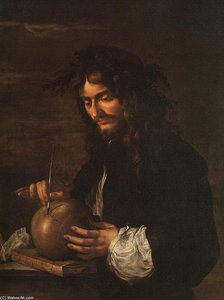
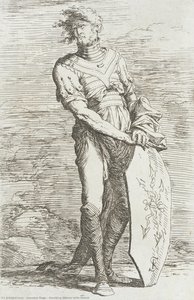
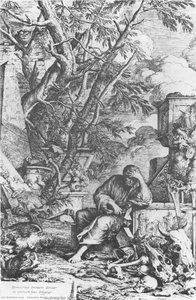
Biografija umetnika
**Почетак живота и образовање**
Салватор Роза, италијански барокни сликар, песник и графичар, рођен је у Аренели, код Напуља, 20. јуна или 21. јула 1615. године. Његова мајка, Ђулија Грека Роза, била је из породице грчких досељеника са Сицилије. Иако је отац желео да постане адвокат или свештеник, Салватор је од раног узраста показивао склоност према уметности. Његов бунтарски дух се манифестовао и у томе што је избегавао конвенционални пут карејере, посвећујући се страсти за сликањем уместо професија које су му били предвиђене. Рани период његовог живота био је обележен самосталним учењем и упорном потрагом за сопственим стилом, често у супротности са очекивањима друштва.**Уметничка каријера и карактеристике рада**
Салватор Роза је био познат по свом неконвенционалном и екстравагантном стилу, који га је издвојио од савременика. Активно је радио у Напуљу, Риму и Фиренци, а на његов рад су утицали реализам Рибере и класицизам Пусена. Међутим, он се трудио да не буде везан за ниједан посебан стил или покрет, развијајући свој јединствени израз. Његови пејзажи су често мрачни и драматични, испуњени бурима, рушевинама и дивљим природним сценама које одражавају његов романтичарски дух и филозофска размишљања. Радови попут "Пирогора излази из Подземног света" (Kimbell Art Museum, Форт Ворт, Сједињене Државе) показују његову способност да споји философске теме са уметничким елементима на импресиван начин. "Крштење евнуха" (Chrysler Museum of Art, Норфолк, Сједињене Државе) демонстрира његов таленат за уношење драме и интензитета чак и у мале библијске приче. Његова техника је била карактеристична по смелој употреби светла и сенке, као и динамичним композицијама које су често укључивале фигуре у акцији.**Утицаји и наслеђе**
Салватор Роза је имао значајан утицај на развој барокне уметности, посебно у области пејзажа. Његов рад је инспирисао касније уметнике, попут Луке Ђордана, који су наставили да померају границе уметничког израза. Розин бунтарски дух и његова способност да споји филозофију са уметношћу оставили су трајан утисак на генерације уметника. Његов рад је био претеча романтизма, а његови пејзажи су често интерпретирани као симболи човекове борбе против природе и судбине. Розин утицај се може видети и у делима многих других сликара који су тежили да изразе своје емоције и идеје кроз драматичне и импресивне сцене.**Важна дела и достигнућа**
Поред већ поменутих "Пирогора излази из Подземног света" и "Крштења евнуха", Салватор Роза је створио многа друга значајна дела. Међу њима су и "Призор залива Салерно", који одликује реалистичан приказ природе, као и студија за "Генија Розе", која показује његову мајсторску употребу цртежа. Роза је био плодан графичар, а његови отисци су били веома популарни у своје време. Његова способност да споји различите жанрове – сликање, поезију и графику – учинила га је изузетно свестраним и оригиналним уметником.**Историјски значај и закључак**
Салватор Роза је остао запамћен као један од најзначајнијих представника барокне уметности, познат по свом бунтарском духу, неконвенционалном стилу и филозофским размишљањима. Његов рад је био претеча романтизма, а његови пејзажи су често интерпретирани као симболи човекове борбе против природе и судбине. Као сликар, песник и графичар, Салватор Роза остаје загонетна фигура чији рад наставља да инспирише нове генерације уметника и љубитеља уметности. Музеј Kimbell Art Museum и Chrysler Museum of Art су само неки од музеја који чувају његова ремек-дела, сведочећи о трајној вредности његовог опуса.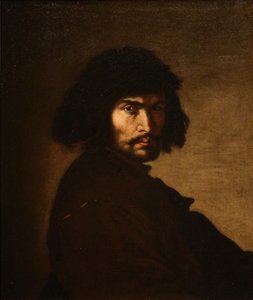
Сальватор Роза
1615 - 1673 , Италија
Kratke činjenice
- Artistic Movement Or Style: Barokna umetnost
- Artists Or Movements Influenced By This Artist: ['Luca Giordano']
- Artists Who Influenced This Artist: ['José de Ribera']
- Date Of Birth: 20. jun 1615.
- Date Of Death: 1673.
- Full Name: Salvator Rosa
- Nationality: Italijan
- Notable Artworks:
- Pitagora izlazi iz pakla
- Krštenje eunoha
- Place Of Birth (City And Country): Arenella, Italija