

 Pregledaj u prostoru
 Pošalji
 Podeli
 Detalji o delu

 Преузми
 Slični predmeti
 Rendgenski snimak
 Slajdovi
 Statistika
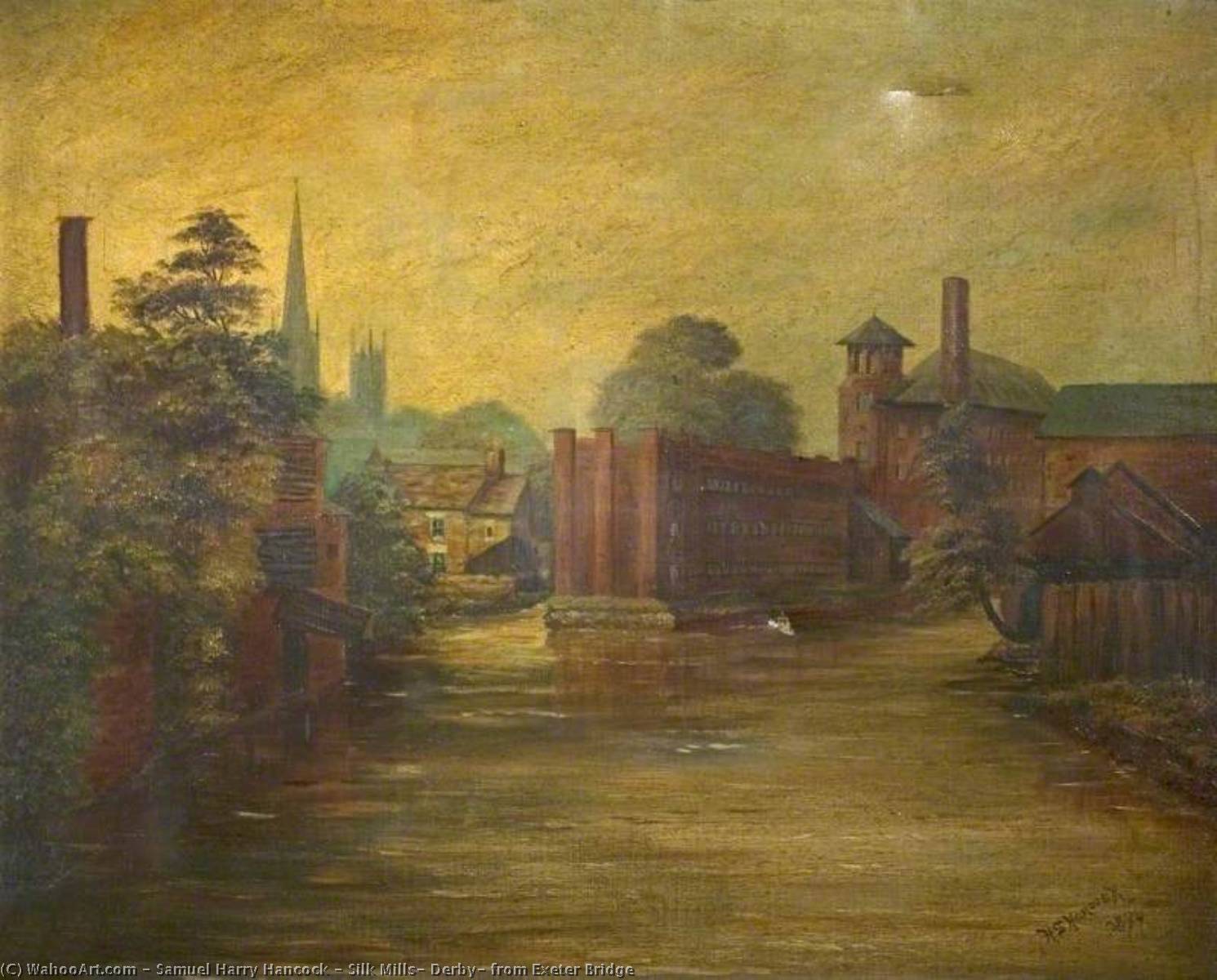
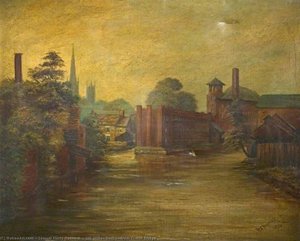
Silk Mills, Derby, from Exeter Bridge
 1896
1896 41.0 x 51.0 cm
 Pročitaj više
Kupite digitalnu sliku visoke rezolucije i poboljšanog kvaliteta, koja je znatno superiornija od onoga što vidite u online prikazu.
Svaka datoteka je pedantno pripremljena od strane naših stručnjaka koristeći napredne alate i profesionalnu ručnu retušu. Osiguravamo da svaka slika ima izuzetnu oštrinu, preciznu reprodukciju boja i fine detalje.
Konačna datoteka se dostavlja putem e-pošte u roku od 72 sata, optimizovana za neposrednu upotrebu u profesionalnim, izdavačkim i štamparskim okruženjima. To je isti kvalitet kojem veruju vrhunski studiji dizajna, izdavači i galerije.
Digitalna slika
Preuzmite datoteku visoke rezolucije za ličnu upotrebu, štampanje i kreativne projekte. ( Pređi na štampu Kupi ručno naslikanu sliku)
Uključeno uz svaku porudžbinu digitalne slike
Profesionalna digitalna isporuka, zagarantovana
Kada odaberete ArtsDot.com, ne dobijate samo sliku – vi primate profesionalno unapređeno digitalno umetničko delo, izrađeno sa najvećom preciznošću i uz garanciju zadovoljstva. Evo svega što automatski dolazi uz vašu porudžbinu:

Brza dostava putem e-pošte
Vaša digitalna slika visoke rezolucije biće vam poslata putem e-pošte u roku od 72 sata od poručivanja – spremna za trenutnu upotrebu.

Digitalna datoteka unapređena veštačkom inteligencijom
Vaše umetničko delo je profesionalno optimizovano korišćenjem naprednih AI alata i ručne obrade, čime se osiguravaju maksimalni detalji, oštrina i preciznost boja.

Besplatna ponovna isporuka doživotno
Slučajno ste obrisali ili izgubili svoju datoteku? Ne brinite – poslaćemo vam je ponovo u bilo kom trenutku, potpuno besplatno.

Bez troškova uvoza – zauvek
Uživajte u svojim umetničkim delima trenutno, bez carine, dažbina ili troškova dostave – digitalni download je uvek bez poreza.

Garancija vernosti boja
Uz pomoć profesionalnih alata i upravljanja bojama, osiguravamo da vaša digitalna slika što vernije odražava originalne boje.

Garancija zadovoljstva od 100 dana
Ako niste zadovoljni svojom digitalnom slikom, izvršićemo reviziju ili ćemo vam vratiti 100% novca u roku od 100 dana – bez ikakvih pitanja.

100% garancija povrata novca
Niste zadovoljni? Dobijte puni povraćaj novca u roku od 100 dana od prijema digitalne datoteke – bez suvišnih pitanja.

Popusti na velike porudžbine
Kupite 3 slike, uštedite 10% - Kupite 5 slika, uštedite 15% - Kupite 10+ slika, uštedite 20%. Odlično za kreativne projekte, galerije i agencije.
Srodna umetnička dela





Biografija umetnika
Samuel Harry Hancock: A Londoner’s Vision of Victorian City Life
Samuel Harry Hancock (1862-1932) wasn't a name that immediately resonates within the grand halls of art history, yet his watercolors offer a remarkably intimate and compelling portrait of late Victorian and Edwardian London. Born in Wahoo, Nebraska – a testament to his family’s pioneering spirit as railroad surveyors – Hancock’s artistic journey began unexpectedly in England, where he established himself as a dedicated observer and recorder of the city's bustling streets, grand architecture, and everyday life. His work isn’t characterized by dramatic landscapes or heroic narratives; instead, it’s a quiet, meticulous study of urban detail, imbued with a keen sense of atmosphere and a subtle appreciation for the mundane.
Hancock’s early years were marked by a restless energy and a fascination with the American West. However, a pivotal decision to relocate to London in 1886 proved transformative. He initially pursued a career as a clerk, but his artistic inclinations soon took precedence. He began sketching prolifically, capturing the city's ever-changing face – from the imposing facades of Cannon Street Station and the crowded thoroughfares of Fleet Street to the quieter corners of residential neighborhoods. His style evolved gradually, moving away from purely representational depictions towards a more nuanced approach that emphasized light, shadow, and texture. Influenced by the Impressionists’ focus on capturing fleeting moments and the meticulous detail of Realist painters like Gustave Courbet, Hancock developed his own distinctive technique – one characterized by loose brushstrokes, atmospheric perspective, and an almost photographic precision in rendering architectural features.
The Art of Observation: Technique and Style
Hancock’s watercolors are remarkable for their technical mastery. He was a diligent student of materials, experimenting with various pigments and paper to achieve the desired effects. His palette tended towards muted tones – browns, grays, blues, and greens – reflecting the often-damp and overcast conditions of London weather. However, he skillfully employed highlights and contrasts to create a sense of depth and luminosity. A key element of his style was his ability to capture the play of light on surfaces—the glint of wet cobblestones, the reflections in shop windows, the subtle variations in color caused by shadows. He often worked *en plein air*, directly from observation, which allowed him to accurately record the nuances of the urban environment.
Beyond technique, Hancock’s work is defined by a remarkable eye for detail. He wasn't interested in grand vistas or sweeping compositions; instead, he focused on capturing the small, often overlooked elements that made up the fabric of London life – a delivery boy hurrying down a street, a group of women gossiping outside a shop, a horse-drawn carriage navigating a crowded intersection. These seemingly insignificant details were rendered with remarkable accuracy and sensitivity, revealing a deep understanding of human behavior and urban dynamics.
London’s Streets: A Chronicle of the City
Hancock's most celebrated subjects were undoubtedly the streets of London. His series of paintings depicting Cannon Street Station, for example, are not merely architectural studies; they are evocative portraits of a city in constant motion. He captured the station’s imposing grandeur, its bustling crowds, and the interplay of light and shadow within its vast interior. Similarly, his watercolors of Fleet Street offer a glimpse into the heart of London's journalistic world – the clatter of typewriters, the hurried pace of reporters, and the smoky atmosphere of newsrooms.
Beyond these iconic locations, Hancock also documented lesser-known corners of the city—residential neighborhoods, markets, and parks. His paintings of these areas reveal a deep appreciation for the beauty of everyday life – the simple pleasures of a stroll through a park, the vibrant colors of a market stall, the warmth of a neighborhood gathering. His work provides a valuable historical record of London’s urban landscape during a period of rapid transformation.
Legacy and Historical Significance
Samuel Harry Hancock's contribution to British watercolor is often understated, yet his meticulous observations and evocative depictions of Victorian London have earned him a place among the most important chroniclers of the city. His work offers a unique perspective on urban life—one that is both detailed and intimate, observant and empathetic. While he may not be as widely recognized as some of his contemporaries, Hancock’s watercolors continue to resonate with viewers today, offering a glimpse into a bygone era and reminding us of the enduring beauty and complexity of London.
His paintings are held in numerous collections, including the Art UK database and the Harry Hancock Foundation. His legacy lives on through his art, which continues to inspire artists and scholars alike.
samuel harry hancock
1862 - 1932
Kratke činjenice
- Artistic Movement Or Style: Watercolor realism
- Artists Or Movements Influenced By This Artist:
- Hudson River School
- Impressionism
- Artists Who Influenced This Artist:
- John Singer Sargent
- William Small
- Date Of Birth: 1862
- Date Of Death: 1932
- Full Name: Samuel Harry Hancock
- Nationality: British-American
- Notable Artworks:
- The Lights of London
- Cannon Street Station
- Place Of Birth: Wahoo, Nebraska