 Pregledaj u prostoru
 Pošalji
 Podeli
 Detalji o delu

 Преузми
 Slični predmeti
 Rendgenski snimak
 Slajdovi
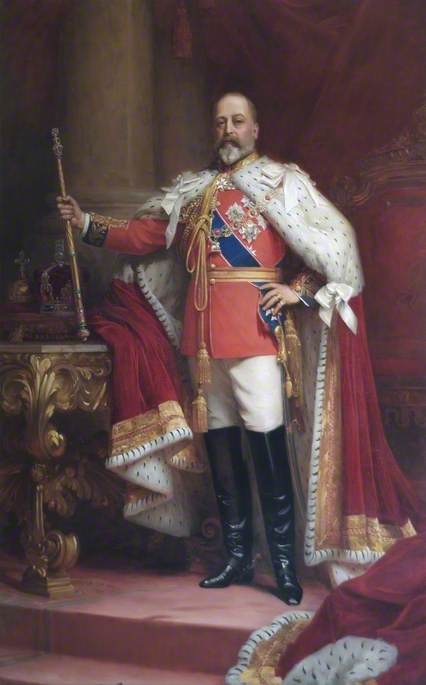
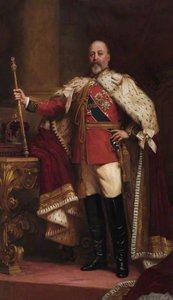
Edward VII (1841–1910)
 Oil On Canvas
- WallArt
- Social Realism
 1901
1901 259.0 x 216.0 cm
 Muzej i arhiv bolnice Svetog Bartolomeja
 Pročitaj više
Giclee štampa / Umetnički otisak
Giclée štampa ili print na platnu muzejskog kvaliteta uz brzu proizvodnju i fleksibilne opcije završne obrade. ( Kupi ručno naslikanu sliku Kupi digitalnu sliku)




P118B $10

P118H $10

P118W $10

P438Z $10

P508JH $12

P508YH $12

P805H $10

P805Z $10

P919BZ $10

P919G $10

P919XJ $10

P959ZH $10

P968JZ $12

W106C $8

W218G $10

W218JH $8

W218Y $10

W307PJ $10

W316G $10

W316PJ $8

W316Y $10

W398PJ $8

W4111J $10

W500HY $15

W500JH $15

W692G $12

W849H $8

W940BG $15

W953PJ $8




Izaberite jednu od naših unapred definisanih veličina koje odgovaraju originalnim proporcijama umetničkog dela.

Možete uneti sopstvene dimenzije kako biste umetničko delo prilagodili specifičnom okviru ili prostoru. Ako odabrani format ne odgovara proporcijama originalne slike, mi ćemo ili iscrtati deo dela ili proširiti sliku pomoću ogledane ivice ili jednobojnog popunjavanja. Digitalni prikaz će vam biti poslat na odobrenje pre početka proizvodnje.
Imajte na umu da pregled na ekranu ne odražava stvarno iscrtavanje ili proširivanje. Samo će prikaz (mockup) precizno pokazati finalnu kompoziciju.
Iako su prilagođene dimenzije dostupne, preporučujemo da odaberete dimenziju sa unapred definisane liste kako biste očuvali originalne proporcije.
Dostava širom sveta () za 2 nedelje umesto uobičajenih 4/5 nedelja. (22 август)

Besplatna ekspresna dostava širom sveta

Visokokvalitetno laneno platno

Kompletno osiguranje transporta

Garancija povraćaja carine i uvoznih dažbina

Garancija vernosti boja

Politika povrata u roku od 60 dana (samo u slučaju nedostataka)

Garancija povrata novca od 100%

Popust pri grupnoj kupovini
 Opcija sa staklom dostupna je samo za dimenzije manje od 110 cm

Edward VII (1841–1910)
Giclee štampa / Umetnički otisak
Dimenzije reprodukcije
-


Konačna cena
$ 62
Opis predmeta
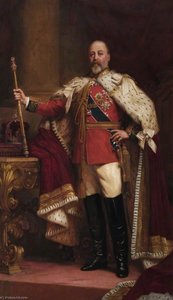
A Regal Portrait: Samuel Luke Fildes’ Masterful Depiction of Edward VII
Samuel Luke Fildes' 1901 portrait of King Edward VII stands as more than just a royal likeness; it is a meticulously crafted tableau of power, tradition, and the quiet dignity of a monarch at the height of his reign. Commissioned during a period of significant imperial expansion and domestic reform, this oil-on-canvas masterpiece by the Victorian artist offers a profound glimpse into the sensibilities of Edward VII’s court and the evolving role of the British monarchy. Fildes, known for his keen observation of social realities alongside his formal portraiture, expertly balances realism with symbolic representation, creating an image that resonates both historically and aesthetically.
The painting immediately commands attention through its carefully orchestrated composition. Centered within a richly detailed setting – a deep crimson curtain hinting at the grandeur of Buckingham Palace – stands Edward VII himself. His posture is one of measured authority, his gaze direct yet not confrontational, suggesting a thoughtful presence rather than overt dominance. The strategic placement of the scepter in his right hand and the crown subtly visible behind him powerfully reinforce his sovereignty, while the table laden with royal regalia—crowns, sceptres, and other ceremonial objects—underscores the weight of his office and the continuity of British tradition.
A Symphony of Color and Texture
Fildes’ masterful use of color is central to the painting's impact. The palette is dominated by deep reds, opulent golds, crisp whites, and grounding blacks – a combination that evokes both regal splendor and understated formality. The vibrant red tunic worn by the King contrasts beautifully with the intricate gold embroidery adorning his attire, while the white fur trim adds a touch of luxurious softness. Beyond color, Fildes demonstrates remarkable technical skill in rendering texture. From the smooth sheen of the scepter to the plushness of the fur and the subtle folds of the curtain, each element is depicted with meticulous detail, inviting the viewer to almost reach out and feel the richness of the scene.
The lighting plays a crucial role in shaping the painting’s mood. A soft, diffused light source from the left illuminates the King's face, highlighting his features and creating subtle shadows that define form and depth. This careful manipulation of light not only enhances the realism of the portrait but also contributes to its overall sense of gravitas and solemnity.
Symbolism and Historical Context
Beyond its aesthetic qualities, the portrait is rich in symbolism. The scepter, a potent emblem of sovereignty, firmly establishes Edward VII’s authority. The crown, prominently displayed, represents his kingship and the enduring legacy of the British monarchy. The inclusion of royal regalia speaks to the continuity of tradition and the importance of ceremony within the realm. Considering the painting's creation in 1901, it reflects a period of significant social and political change in Britain – the dawn of the Edwardian era, marked by imperial expansion, technological advancements, and growing calls for reform.
Further research reveals that this portrait was part of a series commissioned to commemorate the King’s coronation. The meticulous attention to detail and the formal style reflect the prevailing artistic conventions of the time, yet Fildes imbues the image with a remarkable sense of immediacy and human presence. The painting's creation coincided with a period when Victorian values were being re-evaluated, and the monarchy was grappling with its role in a rapidly changing world.
A Timeless Masterpiece – Available as a High-Quality Reproduction
Samuel Luke Fildes’ portrait of Edward VII is a testament to his artistic skill and his ability to capture the essence of a historical figure. Its enduring appeal lies not only in its technical brilliance but also in its evocative portrayal of power, tradition, and human dignity. Today, this iconic image can be experienced anew through meticulously crafted hand-painted reproductions – a perfect addition to any art collection or a striking centerpiece for interior design. The reproduction faithfully captures the painting’s rich colors, intricate details, and profound emotional impact, allowing you to bring this timeless masterpiece into your home.
Srodna umetnička dela

Biografija umetnika
Живот исписан реализмом: Свет Самуела Луке Филдеса
Рођен у бучном лучком граду Ливерпулу 1843. године, Самуел Лука Филдес се испоставио као кључна фигура која је повезивала викторијанску илустрацију и сликарство. Породица му је наговестила живот укорењен у уметности и друштвеној свести; био је унук Мери Филдес, посвећене политичке активисткиње чија ће преданост реформама суптилно проткати његову сопствену уметничку визију. Ране животне искуства обликовала су пут младог Лукеа – детињство проведено у посматрању живописне енергије и скривених тешкоћа поморске Ливерпулске луке, праћено формалним образовањем које је започело у Варингтонској школи за уметност 1860. године. Овај темељни период довео га је у Саут Кенсингтон (касније Краљевски колеџ за уметност) и престижну Краљевску академију, где је склопио трајне везе са колегама уметницима попут Хуберта фон Херкомера и Френка Хола. Међутим, утицај Фредерика Вокера, водећег светла социјално-реалистичког покрета, заправо је запалио уметнички правац Филдеса, усадивши му жељу да представи живот какав *јесте*, а не само онакав какав се чини. Млади уметник је апсорбовао Вокерову посвећеност портретисању свакодневне борбе са искреношћу и емпатијом, принцип који ће дефинисати велики део његовог раног рада.
Од графичког детаља до сликарске нарације
Филдес је прво пронашао свој глас – и публику – кроз илустрацију. 1869. године придружио се особљу The Graphic, пионирског илустрованог листа који је уређивао Вилијам Лусон Томас. Ово није била само посао; то је било уроњење у свет где је уметност служила као моћан алат за друштвени коментар. Посвећеност The Graphic разоткривању друштвених неправди дубоко се резоновала са Филдесом, и он је брзо постао познат по својим непристрасним приказима сиромаштва и несправедљивости. Његов рад током овог периода није био само о документовању тешкоћа; радило се о хуманизацији оних који су често остајали невидљиви друштву. Кључни тренутак дошао је када га је Чарлс Дикенс лично замолио да илуструје незавршени роман Тајна Едвина Друда, након посебно потресног приказа празног столице Дикенса после његове смрти – слике која је заробила националну жалост и успоставила репутацију Филдеса. Ова поруџбина, заједно са илустрацијама за друге водеће периододичне публикације попут The Sunday Magazine, The Cornhill Magazine, и The Gentleman's Magazine, учврстила је његов положај као водећег илустратора свог времена. Дрворез “Без крова над главом”, који описује очајну ситуацију лондонских бескућника, привукао је пажњу Дикенса и постао симбол његове ране посвећености социјалном реализму. Било је то оштар подсетник на стварност са којом се многи суочавају у викторијанској Енглеској, а способност Филдеса да то пренесе са таквом сировом емоцијом издвојила га је.
Прелазак у нови медиј: Прихватање уља и проширење визије
До 1870. године, Филдес је осетио све већу привлачност ка уљним бојама, медију који је омогућио већу нијансу и дубину него илустрација. Овај прелазак је означио преломни тренутак у његовој каријери, јер је почео да се успоставља не само као вешт записник друштвене стварности, већ и као сликара способан да зароби сложеност људских емоција и искуства. Брзо се уздигао у редове енглеског уметничког света, стекавши признање за дела попут The Casual Ward (1874), оштар портрет живота у радном дому; The Widower (1876), дубоко потресан приказ туге и губитка; и The Village Wedding (1883), који је нудио оптимистичнији, али још увек заснован поглед на сеоски живот. Његови уметнички хоризонти су се проширили изван друштвеног коментара како би обухватили сцене венецијанског живота – одражавајући растућу фасцинацију светилом, бојом и атмосфером – и све траженији таленат за портретисање. Постао је посебно познат по портретима који су обележили крунисање краља Едварда VII и краљице Александре, демонстрирајући његову способност да зароби краљевско достојанство и индивидуални карактер. У овом периоду Филдес је мајсторски спојио реализам са рафиниранијом естетиком, показујући своју свестраност као уметник.
Признање, наслеђе и трајан утицај
Уметничка достигнућа Филдеса су током његове каријере наишла на све веће признање. Изабран је за сарадника Краљевске академије (A.R.A.) 1879. године, а за пуноправног члана Краљевске академије (R.A.) 1887. године, учвршћујући свој положај у утврђеном уметничком свету. 1906. године добио је почасно витешко звање од краља Едварда VII, а касније, 1918. године, именован је за Командера Краљевског Викторијанског реда (KCVO) од краља Џорџа V. Осим званичног признања, Филдес је истражио лакшу страну своје уметности, производећи карикатуре под псеудонимом “Елф” за Vanity Fair. Препознат је као вођа неo-венецијанске школе заједно са Хенријем Вудсом, показујући заједничку страст за заробивање јединствене атмосфере и светла Венеције. Његов лични живот био је подједнако испуњен; оженио се Фани Вудс, сестром свог пријатеља Хенрија, 1874. године, а заједно су имали два сина, Филипа и ср Паула Филдеса – овог последњег постао је познати научник. Можда је најимпресивнији пример његовог трајног утицаја инспирација коју је његова илустрација празног столице Дикенса пружила Винсенту ван Гогу, што је довело до стварања Ван Гогове иконичне слике Жута столица. Чак и у каснијим годинама, његов рад је наставио да резонује – посебно када је његово ре
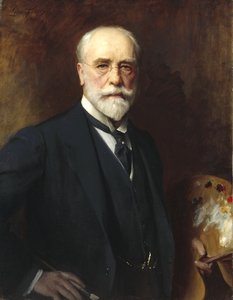
Samuel Ljuk Fildes
1843 - 1927 , Уједињено Краљевство
Osnovne informacije
- Artistic Movement Or Style: Socijalni realizam
- Artists Or Movements Influenced By This Artist: ['Vincent van Gogh']
- Artists Who Influenced This Artist: ['Frederick Walker']
- Date Of Birth: 1843
- Date Of Death: 1927
- Full Name: Samuel Luke Fildes
- Nationality: Britanski
- Notable Artworks:
- The Doctor
- The Casual Ward
- The Widower
- Place Of Birth (City And Country): Liverpool, UK
Povezani članci
Edward Hopper: 25 Remek-dela Američkog Realizma za Vaš Dom | ArtsDot
Istražite 25 ремек-дела Edward Hopper-a! Otkrijte приче иза његових најпознатијих слика, симболизма америчког реализма и уметничке технике. Купите висококвалитетне репродукције на ArtsDot.com.
Samuel Luke Fildes: Capturing Victorian Life Through Narrative & Social Realism
Explore the poignant world of Samuel Luke Fildes, a master of Victorian Social Realism. Discover his iconic paintings like 'The Doctor' and delve into his artistic journey with ArtsDot.
Edward Wilkins Waite: A Victorian Vision of Surrey's Serene Landscapes & Artistic Legacy
Explore the serene landscapes of Edward Wilkins Waite (1854-1924), a prolific Victorian painter celebrated for his depictions of Surrey's countryside. Discover his artistic influences, career highlights & collecting guide.
Samuel Walters: Capturing Victorian Maritime Life with Precision & Artistry
Explore the exquisite maritime paintings of Samuel Walters (1811-1882). Discover his mastery of detail, historical scenes & influence on Victorian art. Learn about collecting his works and find high-quality reproductions at ArtsDot.
Sir Edward Poynter: Aestheticism, Archaeology & Victorian Identity
Explore the captivating world of Sir Edward Poynter, a leading figure of Aestheticism & Victorian art. Discover his archaeological narratives, iconic paintings like 'Day Dream Fine,' and lasting influence on British art history.