

 Pregledaj u prostoru
 Pošalji
 Podeli
 Detalji o delu

 Преузми
 Slični predmeti
 Rendgenski snimak
 Slajdovi
 Statistika
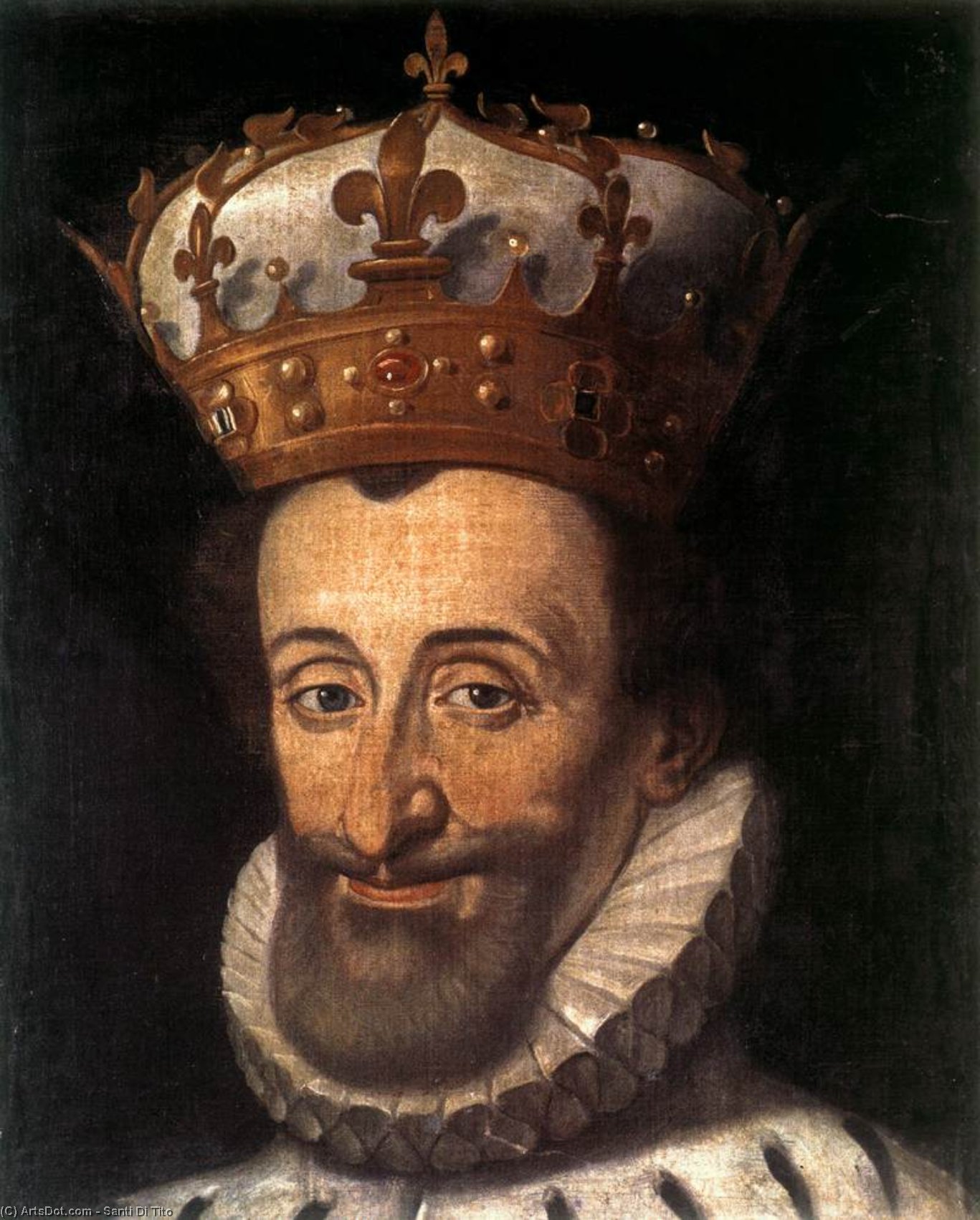
Portrait of Henry IV of France
 Oil On Canvas
- WallArt
- Baroque
 1600
1600- Early Modern
 67.0 x 53.0 cm
 Museo dell'Opificio delle Pietre Dure
 Pročitaj više
Kupite digitalnu sliku visoke rezolucije i poboljšanog kvaliteta, koja je znatno superiornija od onoga što vidite u online prikazu.
Svaka datoteka je pedantno pripremljena od strane naših stručnjaka koristeći napredne alate i profesionalnu ručnu retušu. Osiguravamo da svaka slika ima izuzetnu oštrinu, preciznu reprodukciju boja i fine detalje.
Konačna datoteka se dostavlja putem e-pošte u roku od 72 sata, optimizovana za neposrednu upotrebu u profesionalnim, izdavačkim i štamparskim okruženjima. To je isti kvalitet kojem veruju vrhunski studiji dizajna, izdavači i galerije.
Digitalna slika
Preuzmite datoteku visoke rezolucije za ličnu upotrebu, štampanje i kreativne projekte. ( Pređi na štampu Kupi ručno naslikanu sliku)
Uključeno uz svaku porudžbinu digitalne slike
Profesionalna digitalna isporuka, zagarantovana
Kada odaberete ArtsDot.com, ne dobijate samo sliku – vi primate profesionalno unapređeno digitalno umetničko delo, izrađeno sa najvećom preciznošću i uz garanciju zadovoljstva. Evo svega što automatski dolazi uz vašu porudžbinu:

Brza dostava putem e-pošte
Vaša digitalna slika visoke rezolucije biće vam poslata putem e-pošte u roku od 72 sata od poručivanja – spremna za trenutnu upotrebu.

Digitalna datoteka unapređena veštačkom inteligencijom
Vaše umetničko delo je profesionalno optimizovano korišćenjem naprednih AI alata i ručne obrade, čime se osiguravaju maksimalni detalji, oštrina i preciznost boja.

Besplatna ponovna isporuka doživotno
Slučajno ste obrisali ili izgubili svoju datoteku? Ne brinite – poslaćemo vam je ponovo u bilo kom trenutku, potpuno besplatno.

Bez troškova uvoza – zauvek
Uživajte u svojim umetničkim delima trenutno, bez carine, dažbina ili troškova dostave – digitalni download je uvek bez poreza.

Garancija vernosti boja
Uz pomoć profesionalnih alata i upravljanja bojama, osiguravamo da vaša digitalna slika što vernije odražava originalne boje.

Garancija zadovoljstva od 100 dana
Ako niste zadovoljni svojom digitalnom slikom, izvršićemo reviziju ili ćemo vam vratiti 100% novca u roku od 100 dana – bez ikakvih pitanja.

100% garancija povrata novca
Niste zadovoljni? Dobijte puni povraćaj novca u roku od 100 dana od prijema digitalne datoteke – bez suvišnih pitanja.

Popusti na velike porudžbine
Kupite 3 slike, uštedite 10% - Kupite 5 slika, uštedite 15% - Kupite 10+ slika, uštedite 20%. Odlično za kreativne projekte, galerije i agencije.
A Glimpse into Royal Splendor: Portrait of Henry IV of France
To gaze upon this portrait is to step directly into the opulent courts of early 17th-century France, a moment captured with exquisite detail and undeniable regal authority. Santi di Tito’s depiction of Henry IV is far more than a mere likeness; it is a carefully constructed statement of power, piety, and enduring sovereignty. The subject, adorned with a magnificent gold crown that rests upon his head, presents himself with an almost disarming smile—a gesture that belies the immense weight of the monarchical role he embodies. The meticulous rendering of the white collar around his neck speaks volumes about the period's fashion sensibilities, framing a face that radiates both intelligence and benevolent command.
The Hand of Santi di Tito: Proto-Baroque Mastery
Santi di Tito, a pivotal figure in Florentine art, navigated the transition from Mannerism toward the burgeoning drama of the Baroque. His style, often described as "Raphaelesque," suggests an absorption of classical ideals filtered through a sophisticated lens. In this portrait, one can observe his technical prowess: the delicate handling of light catching the intricate facets of the crown, the subtle gradation of shadow defining the planes of the face, and the rich texture suggested in the fabric beneath the gold. His ability to balance classical structure with emerging emotional depth makes this work a fascinating document of artistic evolution, placing it at the cusp of a dramatic stylistic shift.
Symbolism of Power and Persona
Every element within the composition seems imbued with symbolic meaning. The crown itself is not just an ornament; it is the tangible symbol of his divinely sanctioned rule over France. Yet, it is the subject's expression that draws the viewer in most deeply. That gentle smile suggests a ruler who commands respect through charisma as much as by force. The overall composition achieves a remarkable balance—the figure dominates the frame, asserting his importance, while the background maintains enough depth to prevent the portrait from feeling static. It invites contemplation on the nature of power itself: is it inherent, or must it be continually portrayed?
Bringing Courtly Grandeur Home
For the collector or designer seeking an anchor piece for a grand hall, library, or formal reception room, this reproduction offers unparalleled historical resonance. Owning a work echoing Santi di Tito’s vision allows one to curate an atmosphere of cultured sophistication and enduring taste. The rich narrative embedded in the paint—the confluence of political history, artistic genius, and human portraiture—ensures that this piece will not merely decorate a space, but rather elevate it with intellectual weight and breathtaking beauty.
Srodna umetnička dela








Biografija umetnika
The Architect of Counter-Maniera
In the vibrant, shifting landscape of late 16th-century Italy, few figures played as pivotal a role in redefining the visual language of Florence as Santi di Tito. Born in 1536, this master emerged during a period of profound artistic transition, standing at the crossroads between the highly stylized, artificial elegance of Mannerism and the burgeoning naturalism that would eventually blossom into the Baroque. While his contemporaries often sought refuge in the complex, elongated forms and intellectual puzzles of the Maniera, di Tito embarked on a different journey—one of reform, clarity, and a return to the profound grace of classical tradition.
The early years of his career were marked by significant collaborative endeavors that expanded his horizons far beyond the borders of Tuscany. Between 1558 and 1564, di Tito’s presence was felt in the grand halls of Rome, where he worked alongside talented peers such as Giovanni de’ Vecchi and Niccolò Circignani. Their monumental fresco projects at the Palazzo Salviati and the Sala Grande of the Belvedere served as a crucible for his developing style. It was during this Roman period that he began to absorb the Raphaelesque influences that would become the hallmark of his mature work, moving away from the crowded, ornamental aesthetics of the Zuccari brothers toward a more balanced and legible composition.
A Departure from Tradition
Upon his return to Florence in 1564, Santi di Tito did not merely rejoin the existing artistic community; he sought to transform it. As a member of the prestigious Accademia del Disegno, he became a central figure in a movement often described by historians as Counter-Maniera. This was not simply a rejection of style, but a profound intellectual shift. While his early contributions to Francesco I de’ Medici's Studiolo—such as The Sisters of Pheton and Hercules and Io—still echoed the stylized conventions of Florentine Mannerism, they contained the seeds of his later revolution.
Driven by a desire for greater naturalism and emotional sincerity, di Tito famously distanced himself from the influence of Bronzino. He viewed the prevailing trend of extreme artifice as a barrier to true artistic expression. Instead, he looked backward to the clarity of the High Renaissance and forward toward a more direct, humanistic approach to painting. His work began to emphasize:
- Classical Form: A renewed focus on anatomical accuracy and structural integrity.
- Clarity of Composition: Moving away from overwhelming, overcrowded scenes toward more legible and focused narratives.
- Innovative Color Palettes: The use of light and color to create depth and atmosphere rather than mere decorative effect.
Legacy and Historical Significance
The legacy of Santi di Tito is etched into the very fabric of Italian art history. By championing a style that favored clarity and naturalism, he paved the way for the dramatic innovations of the 17th century. His ability to marry the intellectual rigor of Florentine training with a new, accessible emotionality made him one of the most respected painters of his era. His prolific output, including monumental altarpieces such as The Resurrection for Santa Croce, demonstrated that art could be both profoundly beautiful and deeply communicative.
Ultimately, di Tito stands as a bridge between two worlds. He took the sophisticated, often impenetrable language of the late Renaissance and refined it into something more enduring and human. In doing so, he helped steer the course of Western art, ensuring that the transition from the complex Mannerist era to the emotive Baroque was marked by a profound respect for the classical foundations of beauty.

Santi di Tito
1536 - 1603 , Italy
Kratke činjenice
- Artistic Movement Or Style: Proto-Baroque & Counter-Maniera
- Artists Or Movements Influenced By This Artist:
- Vasari
- Alessandro Allori
- Artists Who Influenced This Artist:
- Titian
- Bronzino
- Date Of Birth: Florence, Italy (1536)
- Date Of Death: 1603
- Full Name: Santi di Tito
- Nationality: Italian
- Notable Artworks:
- Madonna and Child with the Infant Saint John the Baptist
- Vision of St Thomas Aquinas
- Saint Eustahe
- Place Of Birth: Florence