

 Pregledaj u prostoru
 Pošalji
 Podeli
 Detalji o delu

 Преузми
 Slični predmeti
 Rendgenski snimak
 Slajdovi
 Statistika
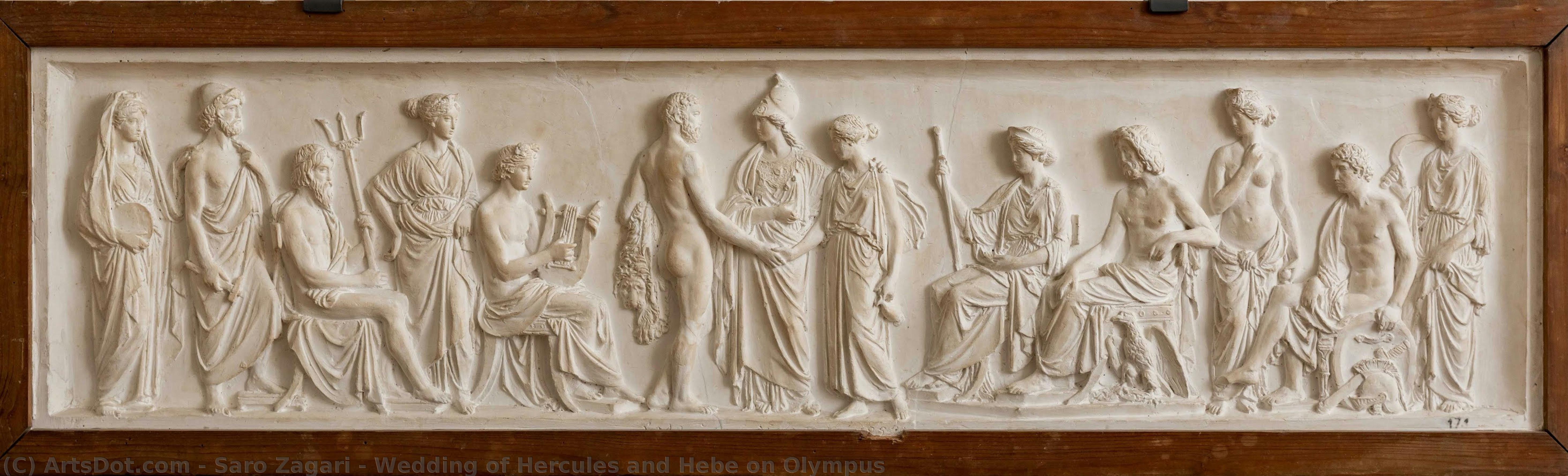
Wedding of Hercules and Hebe on Olympus

 Pročitaj više
Ručno rađena uljana reprodukcija
Ručno oslikano uljanim bojama na platnu u dimenzijama i okviru po vašem izboru, izrađeno po porudžbini od strane naših umetnika. ( Pređi na štampu Pređi na digitalnu sliku)




































Izaberite jednu od naših unapred definisanih veličina koje odgovaraju originalnim proporcijama umetničkog dela.

Можете унети сопствене димензије како бисте прилагодили дело одређеном оквиру или простору. Ако одабрана величина не одговара пропорцијама оригинала, слика ће бити исечена или проширена додатним елементима који се ручно насликавају. Дигитални prikaz ће вам бити послат на одобрење пре почетка производње.
Имајте на уму да преглед на екрану не одражава стварно исецање или проширење. Само приказ (mockup) ће тачно приказати коначну композицију.
Иако су доступне прилагођене величине, препоручујемо да одаберете димензију из дефинисане листе како бисте сачували оригиналне пропорције.
Nakon narudžbine, tim ArtsDot.com će klijentu putem e-pošte poslati uputstva i dostaviti prikaz predloženog rešenja
Isporuka širom sveta () za 3/4 nedelje umesto uobičajenih 5 nedelja. (9 септембар). Bez kompromisa po pitanju kvaliteta.

Besplatna ekspresna dostava širom sveta

Visokokvalitetno laneno platno

Kompletno osiguranje transporta

Garancija povraćaja carine i uvoznih dažbina

Garancija vernosti boja

Politika povraćaja u roku od 100 dana (isključivo u slučaju nedostataka)

Garancija povrata novca od 100%

Popust pri grupnoj kupovini
 Opcija sa staklom dostupna je samo za dimenzije manje od 110 cm

Wedding of Hercules and Hebe on Olympus
Tehnika reprodukcije
Dimenzije reprodukcije
-


Konačna cena
$ 263
Srodna umetnička dela









Biografija umetnika
Early Life and Artistic Formation
Saro Zagari, born in Rimini, Italy, in 1821, emerged from a landscape steeped in artistic tradition yet poised on the cusp of significant change. The early 19th century witnessed the waning influence of Neoclassicism alongside the burgeoning Romantic movement, creating a dynamic environment for aspiring sculptors. Zagari’s initial training under Pietro Tenerani proved pivotal. Tenerani, a prominent figure in Italian sculpture known for his refined neoclassical style, instilled in Zagari a deep appreciation for classical forms and ideals—a foundation that would characterize much of his later work. This apprenticeship wasn't merely technical; it was an immersion into a worldview where beauty resided in harmony, proportion, and the emulation of ancient masters.
A Sculptor of Pious Subjects and Monumental Ambition
Zagari quickly distinguished himself as a sculptor particularly adept at rendering pious subjects. His chaste neoclassical style lent itself beautifully to religious themes, allowing him to create works that evoked reverence and spiritual contemplation. However, his ambition extended beyond smaller devotional pieces. He sought—and achieved—commissions for large-scale public monuments, establishing himself as a significant figure in the Italian art scene. The most notable of these was undoubtedly the tomb of Pope Pius VIII within St. Peter’s Basilica in Rome. This colossal undertaking demanded not only exceptional sculptural skill but also an understanding of architectural context and the symbolic weight associated with papal commemoration.
Key Works and Technical Mastery
Beyond the imposing tomb of Pius VIII, Zagari's oeuvre encompassed a diverse range of sculptures that showcased his technical prowess. His statue of St. Alfonso de Liguori for the Vatican stands as another testament to his ability to imbue marble with life and emotion. The figure exudes a sense of serenity and devotion, reflecting the saint’s reputation for piety and compassion. He wasn't limited to religious commissions; a public statue of Simón Bolívar in Plaza de Bolivar, Bogotá, demonstrates his versatility and willingness to engage with secular subjects. This work, commissioned during a period of heightened national consciousness in Colombia, highlights Zagari’s ability to adapt his style to different cultural contexts.
Restoration Work and the Preservation of Antiquity
Zagari's contributions weren’t solely limited to creating new sculptures; he also played a crucial role in preserving Italy’s artistic heritage through restoration work. Under Pope Gregory XVI, he undertook the meticulous task of restoring the Lateran Sophocles statue—a project that required not only skilled craftsmanship but also a deep understanding of ancient techniques and materials. This commitment to conservation underscores his respect for the past and his dedication to ensuring the longevity of classical art. It reveals him as more than just a sculptor; he was a guardian of artistic memory.
Legacy and Influence
Throughout his career, Zagari nurtured a studio that fostered the development of numerous pupils, including Fedele Caggiano and Ambrogio Zuffi, who would carry forward his neoclassical ideals. His burial in the Church of Santa Maria degli Angeli alle Terme Diocleziane—a space itself steeped in historical significance—serves as a fitting tribute to a life dedicated to art. While perhaps not as widely celebrated today as some of his contemporaries, Saro Zagari’s sculptures remain powerful examples of 19th-century Italian Neoclassicism. His ability to blend technical mastery with emotional depth and his commitment to both creation and preservation solidify his place in the history of Italian sculpture.
saro zagari
1821 - 1897 , Italy
Osnovne informacije
- Artistic Movement Or Style: Neoclassical sculpture
- Artists Who Influenced This Artist: ['Pietro Tenerani']
- Date Of Birth: 1821
- Date Of Death: 1897
- Full Name: Saro Zagari
- Nationality: Italian
- Notable Artworks:
- Tomb of Pope Pius VIII
- St Alfonso de Liguori statue
- Simon Bolivar statue
- Place Of Birth: Rimini, Italy