

 Pregledaj u prostoru
 Pošalji
 Podeli
 Detalji o delu

 Преузми
 Slični predmeti
 Rendgenski snimak
 Slajdovi
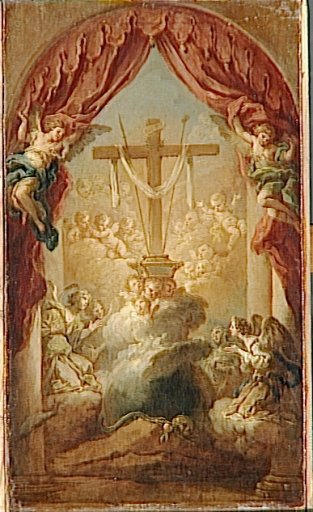
Esquisse pour les sépulchres


 Pročitaj više
Ručno rađena uljana reprodukcija
Ručno oslikano uljanim bojama na platnu u dimenzijama i okviru po vašem izboru, izrađeno po porudžbini od strane naših umetnika. ( Kupi print Kupi digitalnu sliku)




P118B $10

P118H $10

P118W $10

P438Z $10

P508JH $12

P508YH $12

P805H $10

P805Z $10

P919BZ $10

P919G $10

P919XJ $10

P959ZH $10

P968JZ $12

W106C $8

W218G $10

W218JH $8

W218Y $10

W307PJ $10

W316G $10

W316PJ $8

W316Y $10

W398PJ $8

W4111J $10

W500HY $15

W500JH $15

W692G $12

W849H $8

W940BG $15

W953PJ $8




Izaberite jednu od naših unapred definisanih veličina koje odgovaraju originalnim proporcijama umetničkog dela.

Можете унети сопствене димензије како бисте прилагодили дело одређеном оквиру или простору. Ако одабрана величина не одговара пропорцијама оригинала, слика ће бити исечена или проширена додатним елементима који се ручно насликавају. Дигитални prikaz ће вам бити послат на одобрење пре почетка производње.
Имајте на уму да преглед на екрану не одражава стварно исецање или проширење. Само приказ (mockup) ће тачно приказати коначну композицију.
Иако су доступне прилагођене величине, препоручујемо да одаберете димензију из дефинисане листе како бисте сачували оригиналне пропорције.
Nakon narudžbine, tim ArtsDot.com će klijentu putem e-pošte poslati uputstva i dostaviti prikaz predloženog rešenja
Isporuka širom sveta () za 3/4 nedelje umesto uobičajenih 5 nedelja. (21 август). Bez kompromisa po pitanju kvaliteta.

Besplatna ekspresna dostava širom sveta

Visokokvalitetno laneno platno

Kompletno osiguranje transporta

Garancija povraćaja carine i uvoznih dažbina

Garancija vernosti boja

Politika povrata u roku od 60 dana (samo u slučaju nedostataka)

Garancija povrata novca od 100%

Popust pri grupnoj kupovini
 Opcija sa staklom dostupna je samo za dimenzije manje od 110 cm

Esquisse pour les sépulchres
Tehnika reprodukcije
Dimenzije reprodukcije
-


Konačna cena
$ 438
Opis umetničkog dela
A Sketch for Sepulchers: Conca’s Baroque Vision of Mortality
Sebastiano Conca's "Esquisse pour les sépulchres" – a preliminary study for funerary monuments – offers a captivating glimpse into the artist’s meticulous process and profound engagement with themes of death, faith, and the passage of time. Born in Gaeta in 1680, Conca emerged from the fertile artistic environment of Naples, deeply influenced by the masterful techniques of Francesco Solimena, a leading figure of Neapolitan Baroque painting. This formative period instilled within him an understanding of dramatic composition, dynamic movement, and rich color palettes – elements that would become cornerstones of his distinctive style. The sketch itself isn’t merely a preparatory drawing; it's a fully realized miniature world brimming with symbolic weight and technical brilliance, hinting at the grandeur of the final work it intended to inform.
The composition immediately draws the eye towards a central arched structure, reminiscent of a niche or doorway, within which a prominent cross dominates. This vertical axis anchors the scene, drawing the viewer’s gaze upwards toward a celestial realm suggested by the arrangement of angels flanking the archway. Below the cross, a carefully orchestrated group of figures – likely representing mourners or perhaps symbolic representations of souls – cluster around a draped form, its details obscured yet undeniably evocative of mortality. The overall effect is one of restrained drama, characteristic of Conca’s approach to depicting religious subjects. The loose, expressive lines and washes of diluted paint—likely watercolor or oil—suggest an immediacy and spontaneity that belies the sketch's status as a foundational study.
Color, Line, and Light: A Baroque Draftsmanship
Conca’s palette is deliberately muted, dominated by earthy tones – ochre, brown, and reddish-pink – creating a sense of solemnity and gravitas. The limited use of vibrant colors reinforces the sketch's preliminary nature, emphasizing its role as a study for a more fully realized painting. The artist skillfully employs washes to build depth and volume, particularly in the rendering of the angels’ wings and halos, which appear almost luminous against the darker background. Lines are loose and expressive, capturing movement and gesture with remarkable fluidity. The archway itself provides a strong vertical element, contrasting with the flowing lines of the figures below. Circular shapes—a recurring motif in Baroque art—are prominently featured in the depiction of angels’ wings and halos, adding to the composition's dynamic energy.
Symbolism and Spiritual Depth
“Esquisse pour les sépulchres” is rich with religious symbolism. The cross, of course, represents Christ’s sacrifice and offers a pathway to salvation. The angels, positioned as guides and messengers, embody divine presence and offer solace in the face of death. The draped form below the cross likely symbolizes mortality itself – a poignant reminder of human vulnerability and the inevitability of passing. The overall scene speaks to the Baroque fascination with both earthly suffering and spiritual transcendence, inviting contemplation on themes of faith, hope, and the afterlife. Conca’s ability to distill these complex ideas into a single, evocative sketch is a testament to his artistic skill and profound understanding of religious iconography.
A Window into an Artist's Process
This sketch offers a rare opportunity to witness Sebastiano Conca at work – a master craftsman meticulously planning a monumental composition. The unfinished quality of the drawing—the visible brushstrokes, the areas of diluted paint—reveals the artist’s process and invites us to imagine the final painting taking shape. The piece exemplifies the Baroque tradition of preparatory studies, which were often considered as important as the finished artwork itself. Conca's "Esquisse pour les sépulchres" is not simply a sketch; it’s a miniature masterpiece in its own right, offering a compelling glimpse into the mind and hand of one of Italy’s most celebrated Baroque painters.
Srodna umetnička dela

Povezani članci
Celestial Messengers: Angels in Painting – A Historical & Artistic Exploration
Explore the captivating history of angels in painting! Discover symbolism, iconic Renaissance & Byzantine masterpieces, and renowned artists. Expert insights for art lovers & collectors at ArtsDot.
Celestial Messengers: A Comprehensive Exploration of Angelic Representation in Art History
Explore the captivating history of angels in art! Discover symbolism, iconic Renaissance masterpieces & renowned artists. Expert insights for art lovers & collectors at ArtsDot.

The Dramatic Flourish: Exploring the Baroque Movement's Enduring Legacy in Art History
Explore the dramatic world of Baroque art! Discover iconic artists like Caravaggio & Rubens, defining techniques, and its lasting impact on art history. Expert insights for collectors & enthusiasts at ArtsDot.

Barok Majstor dela: Top 10 Umjetničkih Remeka za Vaš Dom
Otkrijte 10 remek dela koja su definisala baroknu umetnost! Karavagio, Bernini i više – istražite priče iza ovih ikoničnih slika. Inspiracija za vaš dom? Pogledajte kolekciju na ArtsDot.com!

The Visceral Stage: Exploring Dramatic Narratives & Emotional Intensity in Baroque Art
Explore the dramatic world of Baroque art! Discover iconic masters like Caravaggio & Rembrandt, their techniques, and the movement's lasting impact. Expert insights for collectors & enthusiasts at ArtsDot.

