 Pregledaj u prostoru
 Pošalji
 Podeli
 Detalji o delu

 Преузми
 Slični predmeti
 Rendgenski snimak
 Slajdovi
 Statistika
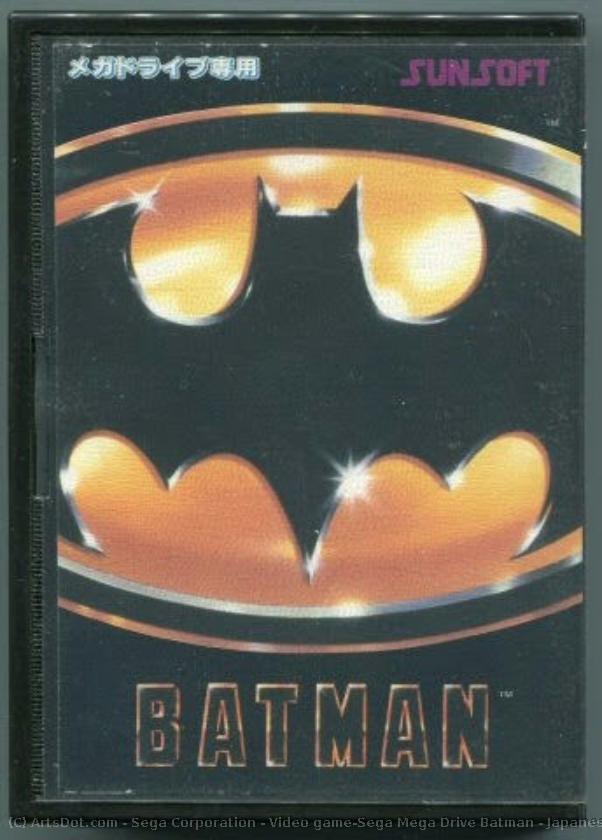
Video game:Sega Mega Drive Batman - Japanese Edition


 Pročitaj više
Kupite digitalnu sliku visoke rezolucije i poboljšanog kvaliteta, koja je znatno superiornija od onoga što vidite u online prikazu.
Svaka datoteka je pedantno pripremljena od strane naših stručnjaka koristeći napredne alate i profesionalnu ručnu retušu. Osiguravamo da svaka slika ima izuzetnu oštrinu, preciznu reprodukciju boja i fine detalje.
Konačna datoteka se dostavlja putem e-pošte u roku od 72 sata, optimizovana za neposrednu upotrebu u profesionalnim, izdavačkim i štamparskim okruženjima. To je isti kvalitet kojem veruju vrhunski studiji dizajna, izdavači i galerije.
Digitalna slika
Preuzmite datoteku visoke rezolucije za ličnu upotrebu, štampanje i kreativne projekte. ( Pređi na štampu Kupi ručno naslikanu sliku)
Uključeno uz svaku porudžbinu digitalne slike
Profesionalna digitalna isporuka, zagarantovana
Kada odaberete ArtsDot.com, ne dobijate samo sliku – vi primate profesionalno unapređeno digitalno umetničko delo, izrađeno sa najvećom preciznošću i uz garanciju zadovoljstva. Evo svega što automatski dolazi uz vašu porudžbinu:

Brza dostava putem e-pošte
Vaša digitalna slika visoke rezolucije biće vam poslata putem e-pošte u roku od 72 sata od poručivanja – spremna za trenutnu upotrebu.

Digitalna datoteka unapređena veštačkom inteligencijom
Vaše umetničko delo je profesionalno optimizovano korišćenjem naprednih AI alata i ručne obrade, čime se osiguravaju maksimalni detalji, oštrina i preciznost boja.

Besplatna ponovna isporuka doživotno
Slučajno ste obrisali ili izgubili svoju datoteku? Ne brinite – poslaćemo vam je ponovo u bilo kom trenutku, potpuno besplatno.

Bez troškova uvoza – zauvek
Uživajte u svojim umetničkim delima trenutno, bez carine, dažbina ili troškova dostave – digitalni download je uvek bez poreza.

Garancija vernosti boja
Uz pomoć profesionalnih alata i upravljanja bojama, osiguravamo da vaša digitalna slika što vernije odražava originalne boje.

Garancija zadovoljstva od 100 dana
Ako niste zadovoljni svojom digitalnom slikom, izvršićemo reviziju ili ćemo vam vratiti 100% novca u roku od 100 dana – bez ikakvih pitanja.

100% garancija povrata novca
Niste zadovoljni? Dobijte puni povraćaj novca u roku od 100 dana od prijema digitalne datoteke – bez suvišnih pitanja.

Popusti na velike porudžbine
Kupite 3 slike, uštedite 10% - Kupite 5 slika, uštedite 15% - Kupite 10+ slika, uštedite 20%. Odlično za kreativne projekte, galerije i agencije.
Srodna umetnička dela





Biografija umetnika
The Enduring Legacy of Sega Corporation: A Collective Vision
Sega Corporation, more than a single artist, represents a vibrant collective—a Japanese video game company born from the post-war desire for entertainment and evolving into a global icon. Its story isn’t one of individual brushstrokes but rather a tapestry woven with the contributions of countless designers, programmers, musicians, and artists who shaped the landscape of arcade gaming and home console experiences. Founded in 1960 as Nihon Goraku Bussan by Martin Bromley and Richard Stewart, the company initially focused on importing coin-operated amusement machines to American military bases in Japan. This early exposure to Western entertainment sensibilities would subtly influence its future direction. The acquisition of Service Games of Japan shortly after solidified its position within the burgeoning arcade industry, but it was the 1965 rebranding as Sega Enterprises Ltd., following a merger with Rosen Enterprises, that truly signaled the company’s ambition—a commitment to creating original gaming experiences.From Arcades to Consoles: A Revolution in Play
The mid-1960s saw Sega begin its journey into game development itself, most notably with *Periscope*, a pioneering coin-operated submarine simulator. This marked the beginning of a relentless pursuit of innovation that would define the company for decades. However, it was the 1980s that truly cemented Sega’s place in gaming history. Recognizing the potential of home consoles, Sega launched the SG-1000 and later the Master System, attempting to challenge Nintendo's growing dominance. While these early ventures faced stiff competition, they laid the groundwork for a more significant breakthrough: the Mega Drive (known as Genesis in North America). The arrival of *Sonic the Hedgehog* in 1991 was nothing short of revolutionary. Sonic wasn’t merely a character; he was an attitude—a symbol of speed, rebellion, and cool that directly contrasted with Nintendo's established mascot, Mario. This bold move ignited a console war that captivated a generation, briefly establishing Sega as the market leader in North America. The artistic design of *Sonic*, spearheaded by Naoto Ohshima, Yuji Naka, and Hirokazu Yasuhara, was crucial to its success—a vibrant aesthetic that embraced bright colors, fluid animation, and a sense of kinetic energy.A Spectrum of Creative Talent
The strength of Sega lay not just in *Sonic* but in the diversity of its creative teams. Artists like Greg Martin, responsible for the iconic Western *Sonic* cover art, crafted images that captured the spirit of the games and became synonymous with the brand. Boris Vallejo and Julie Belle brought their signature fantasy style to numerous titles, lending a sense of epic scale and visual richness. Within Japan, Hiroaki Shioya’s painterly covers offered a distinct aesthetic sensibility. The company fostered an environment where different artistic visions could flourish, resulting in a remarkably varied catalog. Beyond the visual arts, composers like Masato Nakamura created unforgettable soundtracks that became integral to the gaming experience. Sega's internal teams, such as Ryu Ga Gotoku Studio (known for the *Yakuza* series) and Sonic Team, continue to push boundaries today. The influence of these artists extends beyond their immediate work; they inspired a generation of game developers and illustrators.Challenges, Transformations, and Enduring Influence
The late 1990s proved challenging for Sega. Commercial failures like the 32X and Saturn, coupled with the rise of Sony’s PlayStation, led to the difficult decision to exit the console market in 2001. This wasn't an end but a transformation. Sega reinvented itself as a third-party developer and publisher, focusing on creating high-quality games for other platforms. The acquisition by Sammy Corporation in 2004 further stabilized the company, leading to renewed success with franchises like *Yakuza*, *Total War* (through Creative Assembly), and *Persona* (through Atlus). Today, Sega is a multifaceted entertainment powerhouse, encompassing video game development, arcade operations, animation studios (TMS Entertainment and Marza Animation Planet), and even toy manufacturing. The company’s legacy isn't simply about the games it created but about its willingness to take risks, embrace innovation, and foster a culture of creativity. Sega continues to shape the gaming landscape, proving that a collective vision can endure—and evolve—through decades of change.Major Achievements & Historical Significance
- Pioneering Arcade Gaming: Sega’s early success in arcades established it as a major player in the entertainment industry, laying the foundation for its future ventures.
- The Sonic Revolution: *Sonic the Hedgehog* redefined platforming and challenged Nintendo's dominance, sparking a console war that captivated a generation.
- Diverse Artistic Styles: Sega fostered an environment where different artistic visions could flourish, resulting in a remarkably varied catalog of games.
- Innovation in Gameplay: From the fast-paced action of *Sonic* to the strategic depth of *Total War*, Sega consistently pushed boundaries in gameplay design.
- Enduring Franchises: The continued success of franchises like *Yakuza*, *Persona*, and *Super Monkey Ball* demonstrates Sega’s ability to adapt and thrive in a constantly evolving market.