

 Pregledaj u prostoru
 Pošalji
 Podeli
 Detalji o delu

 Преузми
 Slični predmeti
 Rendgenski snimak
 Slajdovi
 Statistika
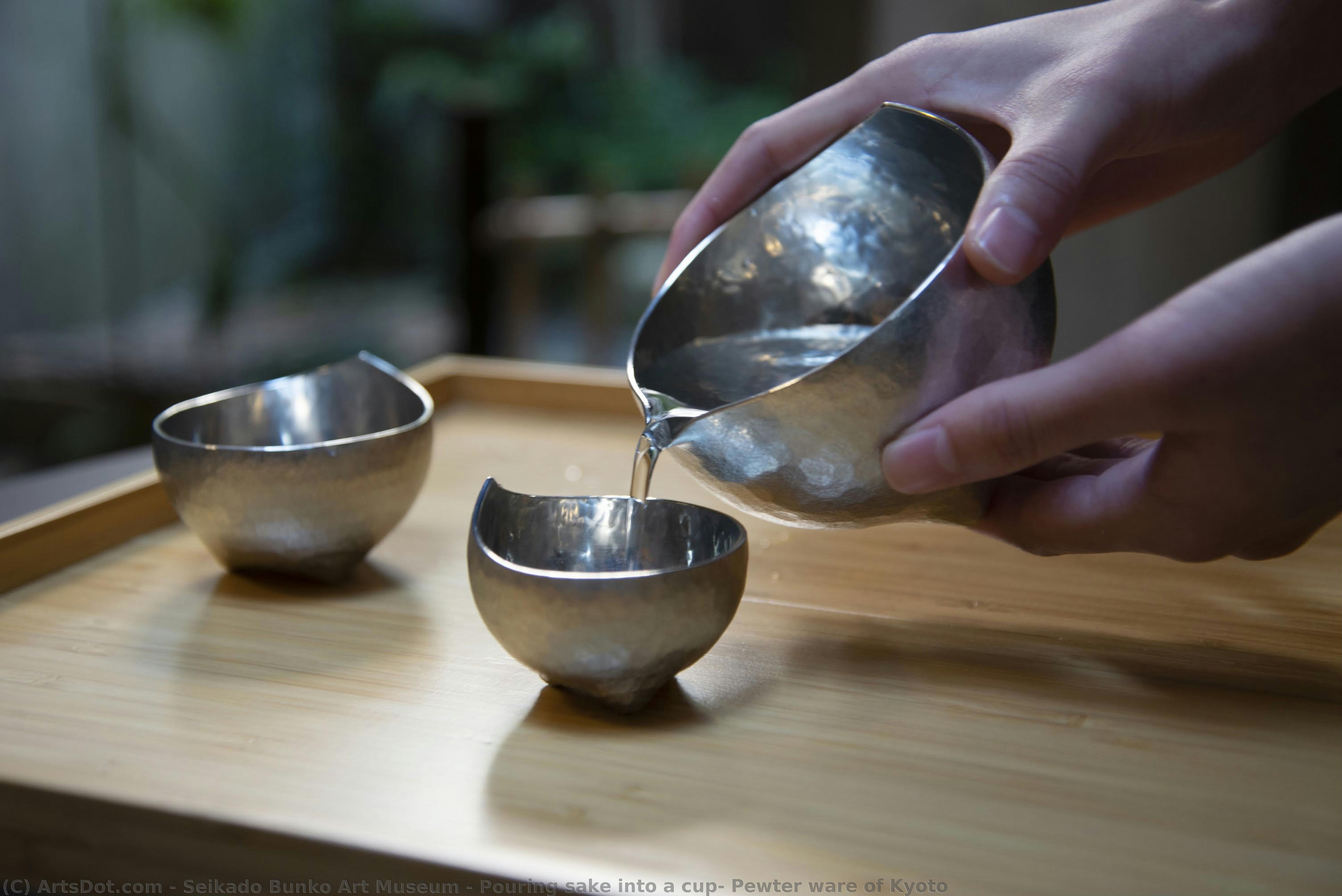
Pouring sake into a cup, Pewter ware of Kyoto

 Pročitaj više
Ručno rađena uljana reprodukcija
Ručno oslikano uljanim bojama na platnu u dimenzijama i okviru po vašem izboru, izrađeno po porudžbini od strane naših umetnika. ( Pređi na štampu Pređi na digitalnu sliku)




































Izaberite jednu od naših unapred definisanih veličina koje odgovaraju originalnim proporcijama umetničkog dela.

Можете унети сопствене димензије како бисте прилагодили дело одређеном оквиру или простору. Ако одабрана величина не одговара пропорцијама оригинала, слика ће бити исечена или проширена додатним елементима који се ручно насликавају. Дигитални prikaz ће вам бити послат на одобрење пре почетка производње.
Имајте на уму да преглед на екрану не одражава стварно исецање или проширење. Само приказ (mockup) ће тачно приказати коначну композицију.
Иако су доступне прилагођене величине, препоручујемо да одаберете димензију из дефинисане листе како бисте сачували оригиналне пропорције.
Nakon narudžbine, tim ArtsDot.com će klijentu putem e-pošte poslati uputstva i dostaviti prikaz predloženog rešenja
Isporuka širom sveta () za 3/4 nedelje umesto uobičajenih 5 nedelja. (10 септембар). Bez kompromisa po pitanju kvaliteta.

Besplatna ekspresna dostava širom sveta

Visokokvalitetno laneno platno

Kompletno osiguranje transporta

Garancija povraćaja carine i uvoznih dažbina

Garancija vernosti boja

Politika povraćaja u roku od 100 dana (isključivo u slučaju nedostataka)

Garancija povrata novca od 100%

Popust pri grupnoj kupovini
 Opcija sa staklom dostupna je samo za dimenzije manje od 110 cm

Pouring sake into a cup, Pewter ware of Kyoto
Tehnika reprodukcije
Dimenzije reprodukcije
-


Konačna cena
$ 263
Srodna umetnička dela









Biografija umetnika
The Alchemy of Tradition: From Kyoto Pewter to Imperial Legacy
In the heart of Kyoto, where the echoes of ancient craftsmanship still resonate through the streets, a story began in 1838. It was not merely the birth of a business, but the inception of a lineage dedicated to the sublime mastery of metal. The Seikado name became synonymous with the delicate, enduring beauty of pewter craft, breathing life into objects that served the most sacred of rituals. Through the meticulous manipulation of metal, the artisans of the Seikado family forged more than just tea ceremony utensils and swords; they forged a connection to the very soul of Japanese aesthetics, where every curve and texture whispered of a profound respect for material and tradition.This era of craftsmanship established a foundation of excellence that would eventually transcend the boundaries of metalwork. The precision required for pewter artistry—a medium that demands both strength and extreme sensitivity—prepared the family for a much larger undertaking: the preservation of an entire civilization's artistic breath.
Guardians of the East: The Iwasaki Vision
As the Meiji era swept across Japan, bringing with it a tidal wave of Western influence, the focus of the Seikado legacy expanded from the forge to the library. Baron Yanosuke Iwasaki, driven by a fervent desire to protect Japan’s cultural identity, began a monumental quest to gather the scattered fragments of East Asian heritage. Alongside his son, Koyata Iwasaki, the collection grew into a vast treasury of human achievement. They did not merely collect; they rescued. Their mission was to prevent precious Chinese and Japanese books, ceramics, and calligraphic masterpieces from being lost to the currents of global trade or the indifference of a modernizing nation. This era of curation transformed a family of craftsmen into the stewards of an empire of art, encompassing:- Exquisite Ceramics: Including the legendary Yōhen Tenmoku bowls that capture the iridescent light of a celestial sky.
- Classical Literature: A staggering archive of over 200,000 texts that bridge the gap between ancient wisdom and modern understanding.
- Martial and Ritual Arts: From the sharp elegance of swords to the serene utility of tea ceremony implements.
A Sanctuary in the Heart of Tokyo
Today, the Seikado Bunko Art Museum stands as a living testament to this enduring passion. Though its roots remain deeply embedded in the soil of Kyoto, its presence now graces the historic Meiji Seimei Kan in Tokyo’s Marunouchi district. To walk through its galleries is to step into a realm where time slows, and the brilliance of the past becomes tangible. One cannot help but be mesmerized by the Inaba Tenmoku, a bowl of such rare beauty that it remains one of only three known specimens in existence, its surface dancing with deep blue radiance and mysterious spots.In every corner of the museum, from the delicate lacquerware to the ancient wood sculptures, there is a profound sense of continuity. The museum serves as more than a repository; it is a bridge across centuries, ensuring that the mastery of the Seikado lineage and the treasures they protected continue to inspire the world.

seikado bunko art museum
1838 - , Japan
Osnovne informacije
- Artistic Movement Or Style: Pewter craft, East Asian art
- Date Of Birth: 1838
- Full Name: Seikado Bunko Art Museum
- Nationality: Japanese
- Notable Artworks:
- Tea container with chinese poem
- Sake implements
- Tea containers
- Place Of Birth: Kyoto, Japan