

 Pregledaj u prostoru
 Pošalji
 Podeli
 Detalji o delu

 Преузми
 Slični predmeti
 Rendgenski snimak
 Slajdovi
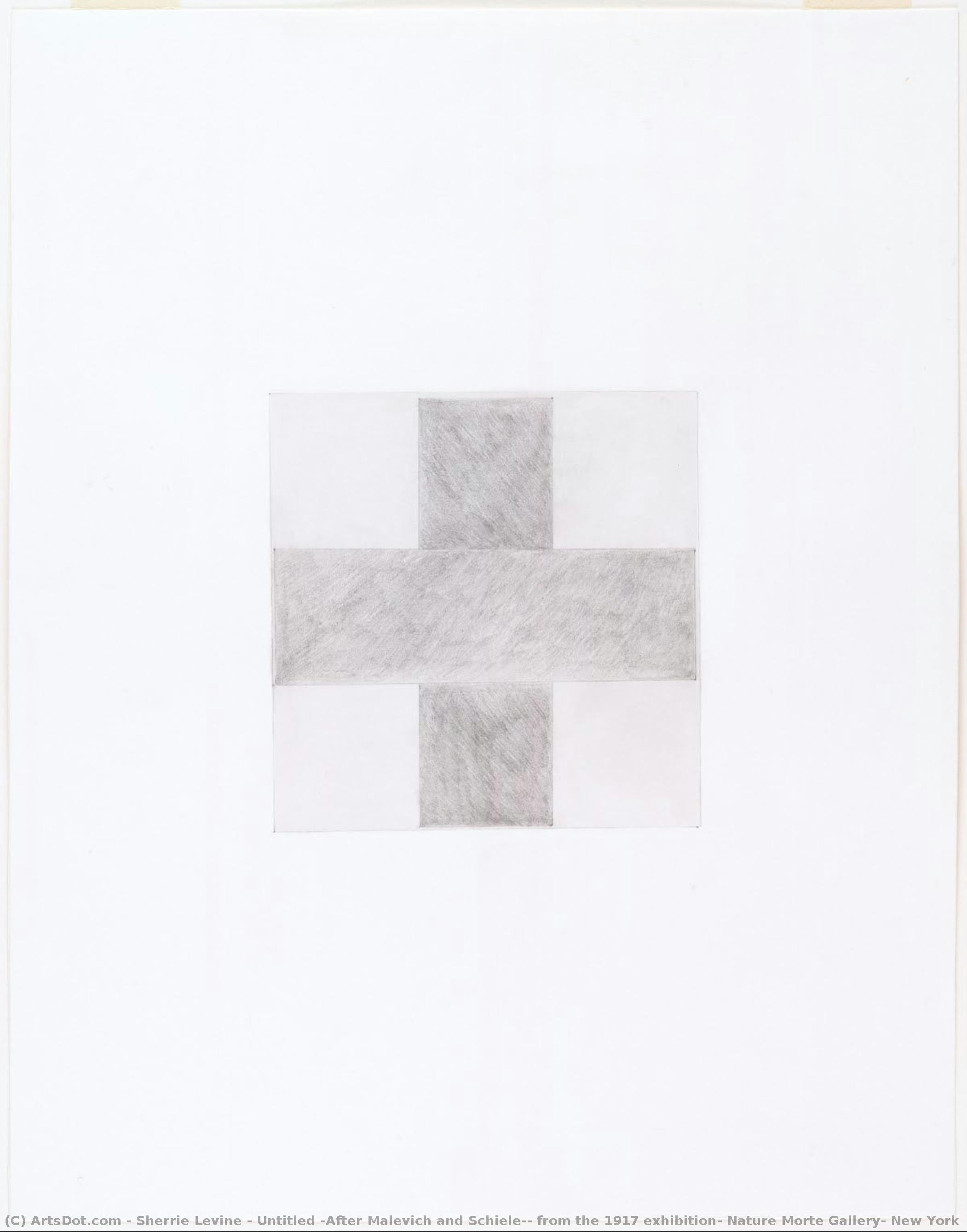
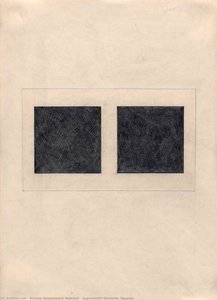
Untitled (After Malevich and Schiele), from the 1917 exhibition, Nature Morte Gallery, New York


 Pročitaj više
Ručno rađena uljana reprodukcija
Ručno oslikano uljanim bojama na platnu u dimenzijama i okviru po vašem izboru, izrađeno po porudžbini od strane naših umetnika. ( Kupi print Kupi digitalnu sliku)




P118B $10

P118H $10

P118W $10

P438Z $10

P508JH $12

P508YH $12

P805H $10

P805Z $10

P919BZ $10

P919G $10

P919XJ $10

P959ZH $10

P968JZ $12

W106C $8

W218G $10

W218JH $8

W218Y $10

W307PJ $10

W316G $10

W316PJ $8

W316Y $10

W398PJ $8

W4111J $10

W500HY $15

W500JH $15

W692G $12

W849H $8

W940BG $15

W953PJ $8




Izaberite jednu od naših unapred definisanih veličina koje odgovaraju originalnim proporcijama umetničkog dela.

Можете унети сопствене димензије како бисте прилагодили дело одређеном оквиру или простору. Ако одабрана величина не одговара пропорцијама оригинала, слика ће бити исечена или проширена додатним елементима који се ручно насликавају. Дигитални prikaz ће вам бити послат на одобрење пре почетка производње.
Имајте на уму да преглед на екрану не одражава стварно исецање или проширење. Само приказ (mockup) ће тачно приказати коначну композицију.
Иако су доступне прилагођене величине, препоручујемо да одаберете димензију из дефинисане листе како бисте сачували оригиналне пропорције.
Nakon narudžbine, tim ArtsDot.com će klijentu putem e-pošte poslati uputstva i dostaviti prikaz predloženog rešenja
Isporuka širom sveta () za 3/4 nedelje umesto uobičajenih 5 nedelja. (24 август). Bez kompromisa po pitanju kvaliteta.

Besplatna ekspresna dostava širom sveta

Visokokvalitetno laneno platno

Kompletno osiguranje transporta

Garancija povraćaja carine i uvoznih dažbina

Garancija vernosti boja

Politika povrata u roku od 60 dana (samo u slučaju nedostataka)

Garancija povrata novca od 100%

Popust pri grupnoj kupovini
 Opcija sa staklom dostupna je samo za dimenzije manje od 110 cm

Untitled (After Malevich and Schiele), from the 1917 exhibition, Nature Morte Gallery, New York
Tehnika reprodukcije
Dimenzije reprodukcije
-


Konačna cena
$ 263
Opis umetničkog dela
Sherrie Levine’s Minimalist Echoes of Modern Masters
Sherrie Levine's “Untitled (After Malevich and Schiele),” created in 1984, stands as a deceptively simple yet profoundly resonant artwork—a testament to the enduring influence of early modernist pioneers like Kazimir Malevich and Oskar Schiele. Presented by Nature Morte Gallery in New York, this monochrome drawing transcends mere visual representation; it’s an intellectual dialogue with artistic history, skillfully executed in graphite on paper.
At its core lies a geometric abstraction: a square containing a central plus sign (+). The execution is remarkably restrained—a deliberate rejection of elaborate ornamentation and expressive gesture. Shades of gray dominate the palette, fostering a contemplative atmosphere that prioritizes form and structure over chromatic considerations. This stylistic choice aligns seamlessly with abstract expressionism and geometric abstraction movements, reflecting a broader trend toward reductive visual language during the 1980s.
The artwork’s genesis resides in the artistic currents of its time—specifically, Malevich's Suprematism and Schiele’s psychologically charged figurative art. Malevich championed pure geometric forms as vehicles for spiritual contemplation, stripping away representational imagery to focus on fundamental visual elements. Schiele, conversely, explored themes of vulnerability and anxiety through unflinching depictions of human anatomy, capturing raw emotion with unsettling precision.
Levine’s appropriation—the act of reproducing a work by another artist—was itself a radical gesture within postmodern art discourse. By reworking Schiele's image, she questioned the notion of originality, prompting viewers to consider how artistic ideas circulate and transform across generations. The resulting drawing isn’t merely a copy; it’s an interpretation imbued with Levine’s own sensibility, subtly reshaping the original artwork’s impact.
“Untitled (After Malevich & Schiele)” invites contemplation on themes of repetition, influence, and artistic legacy. Its quiet elegance speaks to a desire for clarity and precision—a characteristic that resonates powerfully in today's visual landscape. Viewing this piece evokes a sense of understated beauty and intellectual curiosity, encouraging viewers to engage with the complexities of art history and its continuing relevance.
- Dimensions: 27 x 35 cm
- Medium: Graphite on Paper
- Gallery Location: Nature Morte Gallery, New York
Srodna umetnička dela
Biografija umetnika
The Architect of Appropriation: The Life and Legacy of Sherrie Levine
Sherrie Levine stands as a pivotal figure in contemporary art, recognized for her pioneering exploration of appropriation—a practice that fundamentally challenged notions of originality and authorship within the postmodern landscape. Born in 1947 in Hazleton, Pennsylvania, Levine’s formative years were shaped by experiences rooted in the American Midwest, notably spending her childhood and adolescence in the suburbs of St. Louis, Missouri. Early exposure to art fostered a lifelong fascination with visual culture, beginning with visits to the St. Louis Art Museum where she observed her mother—a passionate painter—introducing her to the transformative power of artistic expression at just eight years old. This familial influence extended beyond mere observation; Levine’s mother instilled in her a love for art house films and cinematic storytelling, shaping an aesthetic sensibility that would later inform her profound engagement with the layers of visual history.
Levine pursued formal education with rigorous dedication, earning her B.A. from the University of Wisconsin–Madison in 1969. Her academic pursuits solidified her understanding of art history and critical theory, preparing her for a career dedicated to conceptual exploration. Continuing her studies at UW-Madison, she earned an M.F.A. in 1973, honing her artistic skills and refining her approach to visual communication. It was during this period that Levine began to develop her signature style—a deliberate act of appropriation—drawing inspiration from the groundbreaking works of modernist masters such as Walker Evans, Edgar Degas, Marcel Duchamp, and Constantin Brancusi. By re-presenting existing images, she sought to interrogate the very essence of what it means to create in an age of infinite reproduction.
Challenging the Canon through Rephotography and Drawing
The late 1970s witnessed a surge of appropriation art within New York’s East Village scene, fueled by a desire to interrogate established artistic conventions. Alongside contemporaries like Louise Lawler and Barbara Kruger, Levine pushed the boundaries of creativity, establishing herself as a prominent voice in a movement that questioned the sanctity of the "original" masterpiece. Her work often utilizes rephotography—the act of photographing existing photographs—to create a dialogue between the past and the present. This technique allows her to strip away the traditional aura of the artist's hand, instead focusing on the way images circulate, persist, and transform through time.
Beyond her photographic interventions, Levine has explored the starkness of minimalist drawing to echo the movements of early modernism. Her 1984 work, Untitled (After Malevich and Schiele), serves as a profound example of this technique. In this piece, she utilizes minimalist graphite to create a geometric abstraction that references the pioneering spirits of Kazimir Malevich and Egon Schiele. Through these drawings, Levine does not merely copy; she inhabits the visual language of her predecessors, using stark lines and shadows to embody a bold challenge to artistic originality. This work showcases her ability to engage deeply with the history of art while simultaneously deconstructing its most fundamental myths.
Historical Significance and the Postmodern Dialogue
The enduring significance of Sherrie Levine lies in her ability to transform the act of looking into an act of critical critique. Her career has been a continuous investigation into the politics of representation, gender, and the ownership of imagery. By reclaiming the works of male masters, she has performed a feminist intervention, subtly shifting the gaze and questioning the patriarchal structures inherent in the art historical canon.
Her contributions can be summarized through several key artistic pillars:
- The Reconceptualization of Authorship: Levine’s practice forces the viewer to confront the blurred lines between the creator and the curator, making the act of selection a primary creative force.
- Engagement with Modernist Legacies: Through her appropriation of figures like Walker Evans and Malevich, she keeps the dialogue of modernism alive while simultaneously critiquing its foundations.
- The Power of the Image in Flux: Her work highlights how meaning is not fixed within an object but is instead generated through the context, repetition, and re-presentation of visual culture.
Today, Levine remains a vital presence in the art world, her work continuing to resonate within the ongoing debates regarding digital reproduction, intellectual property, and the ever-evolving nature of the image in the contemporary era.
Sherrie Levine
1947 - , United States of America
Osnovne informacije
- Artistic Movement Or Style: Appropriation Art
- Artists Or Movements Influenced By This Artist:
- Louise Lawler
- Mike Bidlo
- Artists Who Influenced This Artist:
- Walker Evans
- Marcel Duchamp
- Date Of Birth: 1947
- Full Name: Sherrie Levine
- Nationality: American
- Notable Artworks:
- Untitled (After Walker Evans)
- Untitled (After Malevich & Schiele)
- Place Of Birth: Hazleton, United States
Povezani članci

Top 10 dela geometrijske apstrakcije koje morate videti | ArtsDot.com
Istražite 10 remek-dela geometrijske apstrakcije – Mondrian, Malevič i Kandinski. Otkrijte priče iza ovih ikoničnih slika i pronađite inspiraciju za dekoraciju enterijera sa ArtsDot.com! Reprodukcije vrhunskog kvaliteta.
Beyond Form & Color: Geometric Abstraction's Evolution in 20th/21st Century Art
Explore the evolution of geometric abstraction from Cubism to contemporary art. Discover key artists like Malevich & Mondrian, investment insights, and expert collecting advice at ArtsDot.
Beyond Form & Color: Geometric Abstraction's Enduring Legacy in Art History
Explore the captivating world of geometric abstraction! Discover its origins, key artists like Malevich & Mondrian, and why this movement remains highly valued by art collectors today. Expert insights at ArtsDot.
Kandinsky's Masterpieces: 25 Paintings That Define Abstract Art | ArtsDot
Journey through Wassily Kandinsky's 25 most iconic abstract paintings. Explore his revolutionary use of color, form & spiritual expressionism. Find museum-quality Kandinsky reproductions and elevate your home decor with ArtsDot.com. Discover all masterpieces on ArtsDot.com!
Beyond Form: Exploring the Philosophical Foundations of Geometric Abstraction
Explore the philosophical roots & artistic evolution of geometric abstraction with ArtsDot. Discover Mondrian, Malevich, De Stijl & more. Expert insights for collectors and art enthusiasts.

