

 Pošalji
 Podeli
 Detalji o delu

 Преузми
 Slični predmeti
 Slajdovi
 Statistika
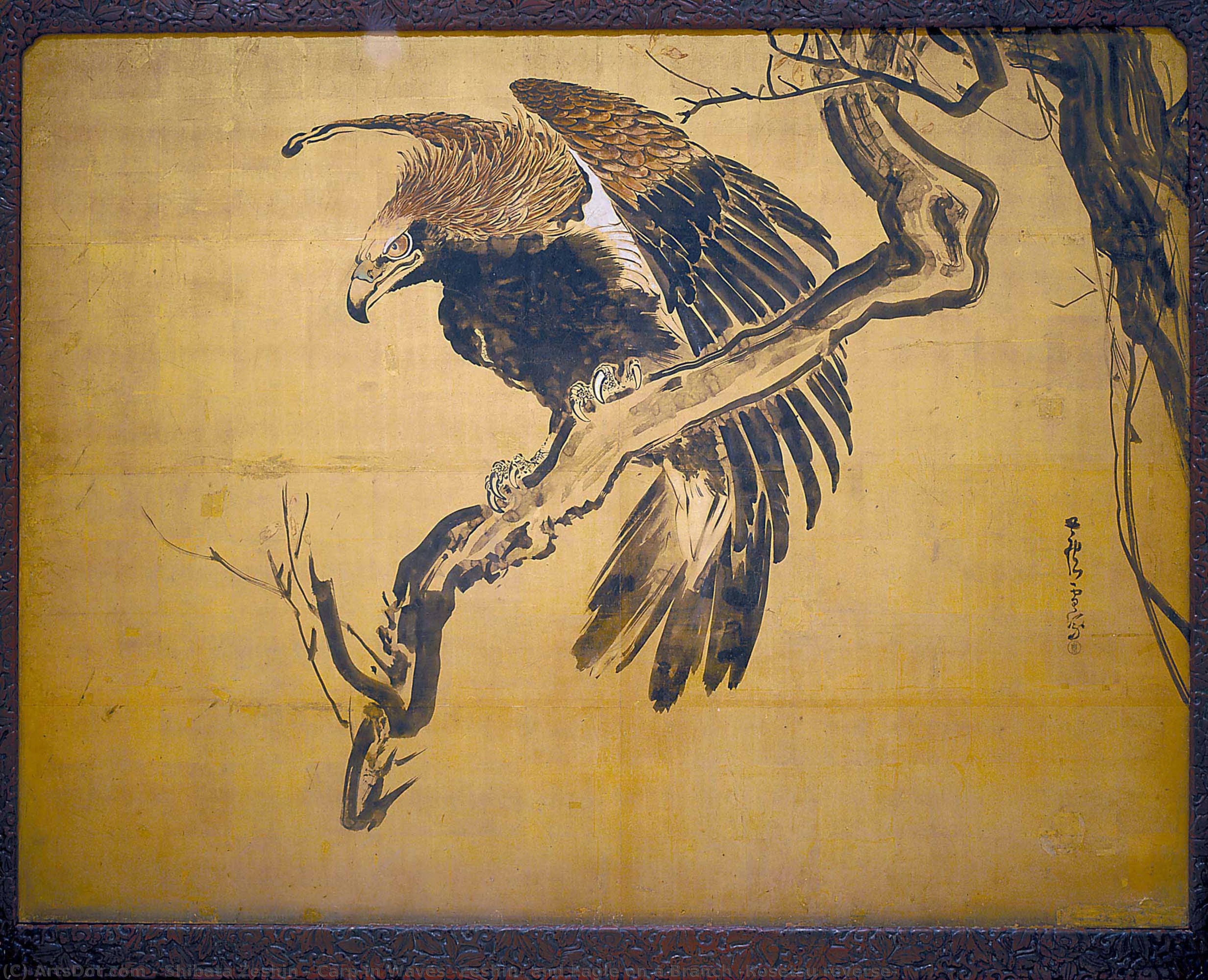
Carp in Waves (Zeshin) and Eagle on a Branch (Rosetsu reverse)


 Pročitaj više
Kupite digitalnu sliku visoke rezolucije i poboljšanog kvaliteta, koja je znatno superiornija od onoga što vidite u online prikazu.
Svaka datoteka je pedantno pripremljena od strane naših stručnjaka koristeći napredne alate i profesionalnu ručnu retušu. Osiguravamo da svaka slika ima izuzetnu oštrinu, preciznu reprodukciju boja i fine detalje.
Konačna datoteka se dostavlja putem e-pošte u roku od 72 sata, optimizovana za neposrednu upotrebu u profesionalnim, izdavačkim i štamparskim okruženjima. To je isti kvalitet kojem veruju vrhunski studiji dizajna, izdavači i galerije.
Digitalna slika
Preuzmite datoteku visoke rezolucije za ličnu upotrebu, štampanje i kreativne projekte. ( Pređi na štampu Kupi ručno naslikanu sliku)
Uključeno uz svaku porudžbinu digitalne slike
Profesionalna digitalna isporuka, zagarantovana
Kada odaberete ArtsDot.com, ne dobijate samo sliku – vi primate profesionalno unapređeno digitalno umetničko delo, izrađeno sa najvećom preciznošću i uz garanciju zadovoljstva. Evo svega što automatski dolazi uz vašu porudžbinu:

Brza dostava putem e-pošte
Vaša digitalna slika visoke rezolucije biće vam poslata putem e-pošte u roku od 72 sata od poručivanja – spremna za trenutnu upotrebu.

Digitalna datoteka unapređena veštačkom inteligencijom
Vaše umetničko delo je profesionalno optimizovano korišćenjem naprednih AI alata i ručne obrade, čime se osiguravaju maksimalni detalji, oštrina i preciznost boja.

Besplatna ponovna isporuka doživotno
Slučajno ste obrisali ili izgubili svoju datoteku? Ne brinite – poslaćemo vam je ponovo u bilo kom trenutku, potpuno besplatno.

Bez troškova uvoza – zauvek
Uživajte u svojim umetničkim delima trenutno, bez carine, dažbina ili troškova dostave – digitalni download je uvek bez poreza.

Garancija vernosti boja
Uz pomoć profesionalnih alata i upravljanja bojama, osiguravamo da vaša digitalna slika što vernije odražava originalne boje.

Garancija zadovoljstva od 100 dana
Ako niste zadovoljni svojom digitalnom slikom, izvršićemo reviziju ili ćemo vam vratiti 100% novca u roku od 100 dana – bez ikakvih pitanja.

100% garancija povrata novca
Niste zadovoljni? Dobijte puni povraćaj novca u roku od 100 dana od prijema digitalne datoteke – bez suvišnih pitanja.

Popusti na velike porudžbine
Kupite 3 slike, uštedite 10% - Kupite 5 slika, uštedite 15% - Kupite 10+ slika, uštedite 20%. Odlično za kreativne projekte, galerije i agencije.
A Symphony of Nature and Craftsmanship
In the delicate dance between movement and stillness, Carp in Waves (Zeshin) and Eagle on a Branch (Rosetsu reverse) emerges as a breathtaking testament to the heights of Japanese artistry. This exquisite composition invites the viewer into a world where the raw power of nature is captured with unparalleled grace. At first glance, one is struck by the dramatic presence of an eagle, its wings unfurled in a moment of sudden, majestic motion. The bird’s sharp talons and formidable silhouette suggest a predator poised for flight, yet it remains anchored to a weathered branch, creating a tension that is both thrilling and serene. This duality—the explosive energy of life paired with the quietude of the natural landscape—is what makes this piece an enduring masterpiece for any discerning collector.
The visual splendor of the work is elevated by its masterful use of maki-e and gold leaf, techniques that lend a luminous, ethereal quality to the scene. The background, shimmering with gilded light, does more than merely provide a setting; it creates an atmosphere of divine radiance, as if the trees and sky are bathed in the eternal glow of a celestial dawn. This rich, vibrant application of gold allows the painting to transform any interior space, acting as a focal point that captures and reflects ambient light, bringing a sense of luxury and warmth to a room. For the interior designer, such a piece offers a profound opportunity to introduce texture and depth, bridging the gap between traditional heritage and contemporary elegance.
The Legacy of Shibata Zeshin
To understand the soul of this artwork, one must look to the hands that shaped it. The inclusion of Shibata Zeshin’s signature marks a connection to one of the most innovative figures of the Edo and Meiji eras. Zeshin was not merely a painter but a master lacquerer, a distinction that allowed him to manipulate materials with a precision rarely seen in his contemporaries. His ability to blend the meticulous discipline of woodworking and lacquerwork with the fluid, expressive strokes of ukiyo-e painting results in a texture that feels almost tactile. When viewing a reproduction of this work, one can sense the weight of history and the deliberate, rhythmic application of pigment that defines Zeshin’s singular vision.
The symbolism embedded within the imagery offers layers of meaning for those who look closer. The carp, navigating through turbulent waves, has long been a symbol of perseverance, strength, and the ability to overcome great obstacles. When paired with the eagle, a creature representing courage and far-reaching vision, the artwork becomes a meditation on resilience and the soaring spirit of the human experience. It is this profound emotional resonance—the ability to evoke feelings of triumph and tranquility simultaneously—that makes this piece an incomparable choice for those seeking art that inspires contemplation and provides a sense of enduring strength within the home.
Srodna umetnička dela




Biografija umetnika
A Singular Vision: Shibata Zeshin (1807-1891)
Shibata Zeshin stands apart in the annals of Japanese art history—a figure simultaneously lauded as a revolutionary innovator and dismissed as stubbornly traditional. Born in Edo (modern Tokyo) in 1807, he descended from a lineage steeped in craftsmanship; his grandfather was a shrine carpenter, and his father, Ichigoro Shibata, possessed considerable skill as an ukiyo-e painter, having studied under Katsukawa Shunshō—a formative influence that instilled within him the values of meticulous observation and artistic discipline. This early exposure to both woodworking and painting would prove instrumental in shaping Zeshin’s distinctive oeuvre.- Early Apprenticeship & Suzuki Nanrei:
- The Pursuit of Mastery: Studying Under Nanrei
- Zeshin's Artistic Persona: “This Is True” – The Significance of His Name
Innovation Amidst Tradition: Zeshin’s Distinctive Style
Zeshin’s artistic style is characterized by a remarkable blend of meticulous realism and subtle expressive nuance. While adhering to established conventions of Sumi-e painting—particularly the depiction of landscapes and animals—he pushed boundaries through his masterful use of *maki-e*, a technique involving applying metallic pigments onto lacquer surfaces. This innovative approach allowed him to imbue his works with shimmering luminescence and textural depth, elevating them beyond mere representation into embodiments of spiritual contemplation. His paintings frequently explored themes of Buddhist serenity and harmony, reflecting the prevailing intellectual currents of the Meiji era.- Landscapes & Tigers: Capturing Nature’s Essence
- Maki-e Technique: Light & Texture in Japanese Lacquer Art
Legacy & Recognition: Zeshin’s Enduring Influence
Despite criticisms leveled against his perceived conservatism within Japan, Shibata Zeshin achieved considerable acclaim in the West, particularly in England and the United States. His works were exhibited internationally, garnering admiration for their aesthetic beauty and technical virtuosity—a testament to his artistic genius and a reflection of the burgeoning interest in Japanese art during the late nineteenth century. Today, Zeshin’s paintings continue to captivate audiences worldwide, serving as enduring symbols of Japan's artistic tradition and demonstrating the transformative power of blending meticulous observation with innovative technique. His legacy persists as an exemplar of artistic integrity and unwavering devotion to craft—a singular vision that resonates across time and culture.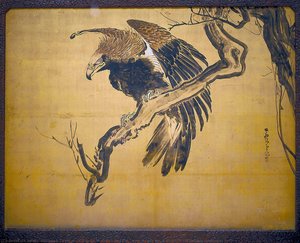
Shibata Zeshin
1807 - 1891
Kratke činjenice
- Artistic Movement Or Style: Sumi-e; Maki-e
- Artists Or Movements Influenced By This Artist: ['Japanese lacquer art']
- Artists Who Influenced This Artist:
- Suzuki Nanrei
- Katsukawa Shunshō
- Date Of Birth: March 15, 1807
- Date Of Death: July 13, 1891
- Full Name: Shibata Zeshin
- Nationality: Japanese
- Notable Artworks:
- Flowers (pink & white) and Leaves, Clappers
- Waterfall and Monkeys
- Garden Scene
- Place Of Birth: Tokyo, Japan