

 Pregledaj u prostoru
 Pošalji
 Podeli
 Detalji o delu

 Преузми
 Slični predmeti
 Rendgenski snimak
 Slajdovi
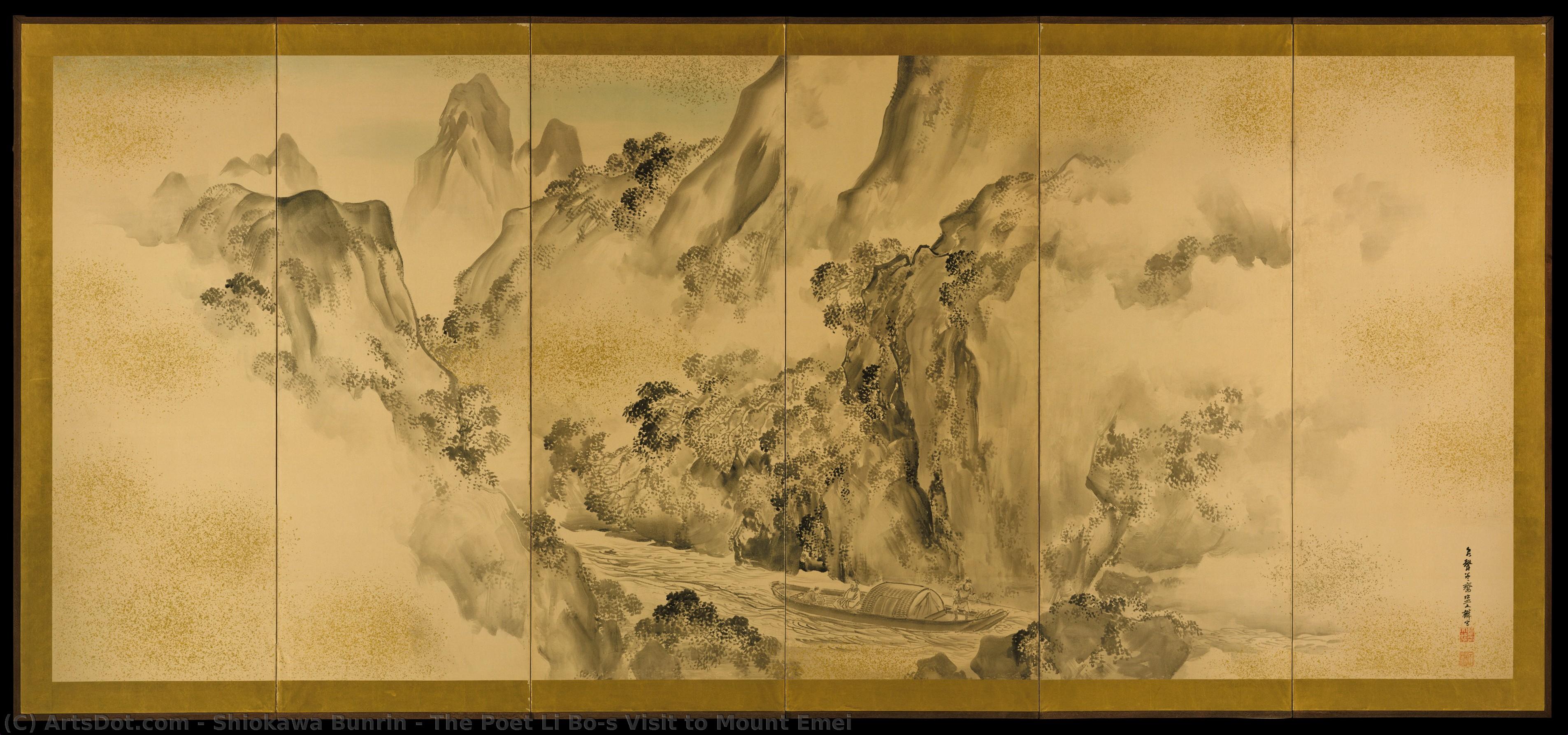
The Poet Li Bo's Visit to Mount Emei
 1875
1875 151.0 x 352.0 cm
 Pročitaj više
Ručno rađena uljana reprodukcija
Ručno oslikano uljanim bojama na platnu u dimenzijama i okviru po vašem izboru, izrađeno po porudžbini od strane naših umetnika. ( Kupi print Kupi digitalnu sliku)




































Izaberite jednu od naših unapred definisanih veličina koje odgovaraju originalnim proporcijama umetničkog dela.

Можете унети сопствене димензије како бисте прилагодили дело одређеном оквиру или простору. Ако одабрана величина не одговара пропорцијама оригинала, слика ће бити исечена или проширена додатним елементима који се ручно насликавају. Дигитални prikaz ће вам бити послат на одобрење пре почетка производње.
Имајте на уму да преглед на екрану не одражава стварно исецање или проширење. Само приказ (mockup) ће тачно приказати коначну композицију.
Иако су доступне прилагођене величине, препоручујемо да одаберете димензију из дефинисане листе како бисте сачували оригиналне пропорције.
Nakon narudžbine, tim ArtsDot.com će klijentu putem e-pošte poslati uputstva i dostaviti prikaz predloženog rešenja
Isporuka širom sveta () za 3/4 nedelje umesto uobičajenih 5 nedelja. (26 август). Bez kompromisa po pitanju kvaliteta.

Besplatna ekspresna dostava širom sveta

Visokokvalitetno laneno platno

Kompletno osiguranje transporta

Garancija povraćaja carine i uvoznih dažbina

Garancija vernosti boja

Politika povrata u roku od 60 dana (samo u slučaju nedostataka)

Garancija povrata novca od 100%

Popust pri grupnoj kupovini
 Opcija sa staklom dostupna je samo za dimenzije manje od 110 cm

The Poet Li Bo's Visit to Mount Emei
Tehnika reprodukcije
Dimenzije reprodukcije
-


Konačna cena
$ 263
Opis umetničkog dela
Srodna umetnička dela

Biografija umetnika
A Life Rooted in Tradition: The World of Shiokawa Bunrin
Shiokawa Bunrin, also known as Shion, emerged from the rich artistic landscape of Kyoto in 1808, a period steeped in samurai culture and refined aesthetic sensibilities. Born into a family with ties to the warrior class, his early life took an unexpected turn following his father’s passing. He sought refuge and guidance with relatives in Fushimi, where he embarked on a journey that would define him as one of Japan's most celebrated landscape painters. This relocation wasn’t merely a change of scenery; it was the genesis of a profound artistic awakening. At fourteen, Bunrin began his formal studies under Toryō, a local artist who laid the foundation for his future mastery. However, it was his subsequent tutelage with Okamoto Toyohiko of the prestigious Shijō school that truly shaped his style and trajectory.The Shijō School and Early Patronage
Okamoto Toyohiko’s influence proved pivotal in Bunrin's development. The Shijō school, renowned for its elegant depictions of nature and poetic interpretations of classical themes, provided a framework for Bunrin to hone his skills. He absorbed the nuances of ink wash painting, learning to capture the essence of landscapes with subtle gradations and evocative brushwork. This period wasn’t solely dedicated to artistic refinement; it also marked the beginning of Bunrin's professional life as a painter in attendance to the esteemed Yasui family. Patronage from Kyoto nobility became a defining characteristic of his career, allowing him the freedom to explore his creative vision while catering to the tastes of discerning collectors. This delicate balance between artistic expression and societal expectations would remain a constant throughout his life. The support he received enabled him to delve deeper into the study of both traditional Japanese styles and emerging Western techniques, foreshadowing the unique synthesis that would become his hallmark.A Synthesis of Styles: Nanga, Western Influences & Personal Vision
Bunrin’s artistic journey wasn't confined to a single path. While deeply rooted in the Shijō school tradition, he actively sought knowledge from diverse sources. He immersed himself in *nanga* style painting – literati painting emphasizing scholarly pursuits and personal expression – and surprisingly, also explored Western painting methods. This willingness to embrace new ideas set him apart from many of his contemporaries. During a period of increasing isolation for Japan, Bunrin’s curiosity about foreign artistic approaches was remarkable. He absorbed elements like perspective, atmospheric rendering, and the use of light, skillfully integrating them into his own distinct style. His landscapes began to exhibit a depth and realism previously unseen in traditional Japanese painting, while retaining the poetic sensibility that defined his earlier works. This fusion wasn't merely technical; it reflected Bunrin’s broader intellectual curiosity and desire to push the boundaries of artistic convention.Landscapes of Serenity: Themes & Techniques
Shiokawa Bunrin is best known for his serene landscapes, often featuring plum blossoms – a symbol of resilience and renewal – and scenes imbued with poetic atmosphere. His paintings are not simply representations of nature; they are invitations to contemplation. He masterfully employed the *suzuri* technique, utilizing ink wash painting to create subtle gradations of tone and texture. The flowing water in his river landscapes, for example, is rendered with remarkable fluidity, capturing both its physical movement and its symbolic association with the passage of time. Willow trees frequently appear in his compositions, representing grace, flexibility, and mourning – adding layers of meaning to his already evocative scenes. His triptychs, like “River Landscape with Fireflies” (1874), exemplify his ability to create immersive experiences that transport viewers to tranquil realms. The fireflies themselves are not merely decorative elements; they symbolize fleeting beauty and the ephemeral nature of life.Legacy & Historical Significance
Shiokawa Bunrin’s influence extended far beyond his own lifetime. He played a crucial role in shaping the Kyoto style of painting during the early Meiji era, mentoring a generation of artists including Kishi Chikudō, Morikawa Sobun, and Takeuchi Seihō. His willingness to embrace Western techniques while remaining true to Japanese aesthetic principles paved the way for new artistic possibilities. He was instrumental in establishing the Kyoto Exhibition, providing a platform for local artists to showcase their work and connect with a wider audience. Furthermore, he actively participated in the formation of an art cooperative, enabling artists to sell their creations directly to the public – a revolutionary concept at the time. His contributions weren’t limited to artistic creation; he also served as a judge for painting sections, further solidifying his position as a leading figure in the Kyoto art world. Bunrin's death in 1877 marked the end of an era, but his legacy continues to inspire artists and captivate audiences with its timeless beauty and profound serenity. His works stand as testaments to the power of artistic synthesis, cultural preservation, and the enduring allure of Japanese landscape painting.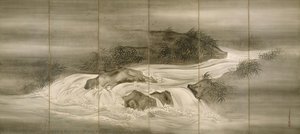
shiokawa bunrin
1808 - 1877 , Japan
Osnovne informacije
- Artistic Movement Or Style: Shijō School, Nanga
- Artists Or Movements Influenced By This Artist:
- Kishi Chikudō
- Morikawa Sobun
- Takeuchi Seihō
- Artists Who Influenced This Artist: ['Okamoto Toyohiko']
- Date Of Birth: 1808
- Date Of Death: 1877
- Full Name: Shiokawa Bunrin
- Nationality: Japanese
- Notable Artworks:
- River Landscape with Fireflies
- Summer and Winter Landscapes
- The Poet Li Bo's Visit to Mount Emei
- Place Of Birth: Kyoto, Japan

