

 Pregledaj u prostoru
 Pošalji
 Podeli
 Detalji o delu

 Преузми
 Slični predmeti
 Rendgenski snimak
 Slajdovi
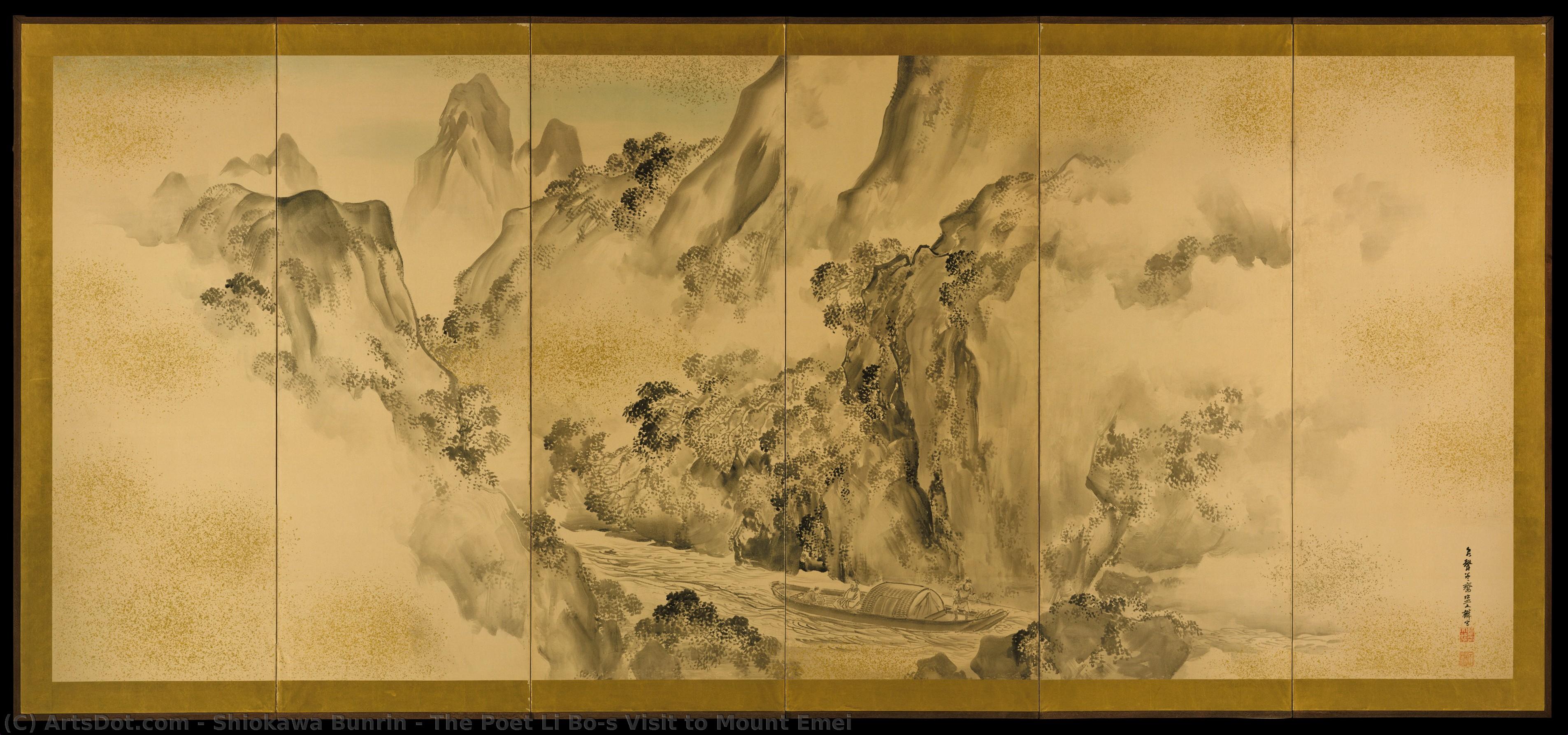
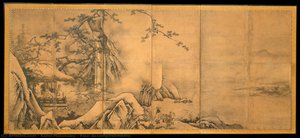
The Poet Li Bo's Visit to Mount Emei
 1875
1875 151.0 x 352.0 cm
 Pročitaj više
Kupite digitalnu sliku visoke rezolucije i poboljšanog kvaliteta, koja je znatno superiornija od onoga što vidite u online prikazu.
Svaka datoteka je pedantno pripremljena od strane naših stručnjaka koristeći napredne alate i profesionalnu ručnu retušu. Osiguravamo da svaka slika ima izuzetnu oštrinu, preciznu reprodukciju boja i fine detalje.
Konačna datoteka se dostavlja putem e-pošte u roku od 72 sata, optimizovana za neposrednu upotrebu u profesionalnim, izdavačkim i štamparskim okruženjima. To je isti kvalitet kojem veruju vrhunski studiji dizajna, izdavači i galerije.
Digitalna slika
Preuzmite datoteku visoke rezolucije za ličnu upotrebu, štampanje i kreativne projekte. ( Kupi print Kupi ručno naslikanu sliku)
Uključeno uz svaku porudžbinu digitalne slike
Profesionalna digitalna isporuka, zagarantovana
Kada odaberete ArtsDot.com, ne dobijate samo sliku – vi primate profesionalno unapređeno digitalno umetničko delo, izrađeno sa najvećom preciznošću i uz garanciju zadovoljstva. Evo svega što automatski dolazi uz vašu porudžbinu:

Brza dostava putem e-pošte
Vaša digitalna slika visoke rezolucije biće vam poslata putem e-pošte u roku od 72 sata od poručivanja – spremna za trenutnu upotrebu.

Digitalna datoteka unapređena veštačkom inteligencijom
Vaše umetničko delo je profesionalno optimizovano korišćenjem naprednih AI alata i ručne obrade, čime se osiguravaju maksimalni detalji, oštrina i preciznost boja.

Besplatna ponovna isporuka doživotno
Slučajno ste obrisali ili izgubili svoju datoteku? Ne brinite – poslaćemo vam je ponovo u bilo kom trenutku, potpuno besplatno.

Bez troškova uvoza – zauvek
Uživajte u svojim umetničkim delima trenutno, bez carine, dažbina ili troškova dostave – digitalni download je uvek bez poreza.

Garancija vernosti boja
Uz pomoć profesionalnih alata i upravljanja bojama, osiguravamo da vaša digitalna slika što vernije odražava originalne boje.

Garancija zadovoljstva u roku od 60 dana
Ako niste zadovoljni svojom digitalnom slikom, revidirat ćemo je ili vratiti 100% novca u roku od 60 dana – bez ikakvih pitanja.

100% garancija povrata novca
Niste zadovoljni? Obezbedite pun povrat novca u roku od 60 dana od trenutka kada ste primili svoju digitalnu datoteku – bez suvišnih pitanja.

Popusti na velike porudžbine
Kupite 3 slike, uštedite 10% - Kupite 5 slika, uštedite 15% - Kupite 10+ slika, uštedite 20%. Odlično za kreativne projekte, galerije i agencije.
Opis kolekcionarskog dela
Srodna umetnička dela



Biografija umetnika
A Life Rooted in Tradition: The World of Shiokawa Bunrin
Shiokawa Bunrin, also known as Shion, emerged from the rich artistic landscape of Kyoto in 1808, a period steeped in samurai culture and refined aesthetic sensibilities. Born into a family with ties to the warrior class, his early life took an unexpected turn following his father’s passing. He sought refuge and guidance with relatives in Fushimi, where he embarked on a journey that would define him as one of Japan's most celebrated landscape painters. This relocation wasn’t merely a change of scenery; it was the genesis of a profound artistic awakening. At fourteen, Bunrin began his formal studies under Toryō, a local artist who laid the foundation for his future mastery. However, it was his subsequent tutelage with Okamoto Toyohiko of the prestigious Shijō school that truly shaped his style and trajectory.The Shijō School and Early Patronage
Okamoto Toyohiko’s influence proved pivotal in Bunrin's development. The Shijō school, renowned for its elegant depictions of nature and poetic interpretations of classical themes, provided a framework for Bunrin to hone his skills. He absorbed the nuances of ink wash painting, learning to capture the essence of landscapes with subtle gradations and evocative brushwork. This period wasn’t solely dedicated to artistic refinement; it also marked the beginning of Bunrin's professional life as a painter in attendance to the esteemed Yasui family. Patronage from Kyoto nobility became a defining characteristic of his career, allowing him the freedom to explore his creative vision while catering to the tastes of discerning collectors. This delicate balance between artistic expression and societal expectations would remain a constant throughout his life. The support he received enabled him to delve deeper into the study of both traditional Japanese styles and emerging Western techniques, foreshadowing the unique synthesis that would become his hallmark.A Synthesis of Styles: Nanga, Western Influences & Personal Vision
Bunrin’s artistic journey wasn't confined to a single path. While deeply rooted in the Shijō school tradition, he actively sought knowledge from diverse sources. He immersed himself in *nanga* style painting – literati painting emphasizing scholarly pursuits and personal expression – and surprisingly, also explored Western painting methods. This willingness to embrace new ideas set him apart from many of his contemporaries. During a period of increasing isolation for Japan, Bunrin’s curiosity about foreign artistic approaches was remarkable. He absorbed elements like perspective, atmospheric rendering, and the use of light, skillfully integrating them into his own distinct style. His landscapes began to exhibit a depth and realism previously unseen in traditional Japanese painting, while retaining the poetic sensibility that defined his earlier works. This fusion wasn't merely technical; it reflected Bunrin’s broader intellectual curiosity and desire to push the boundaries of artistic convention.Landscapes of Serenity: Themes & Techniques
Shiokawa Bunrin is best known for his serene landscapes, often featuring plum blossoms – a symbol of resilience and renewal – and scenes imbued with poetic atmosphere. His paintings are not simply representations of nature; they are invitations to contemplation. He masterfully employed the *suzuri* technique, utilizing ink wash painting to create subtle gradations of tone and texture. The flowing water in his river landscapes, for example, is rendered with remarkable fluidity, capturing both its physical movement and its symbolic association with the passage of time. Willow trees frequently appear in his compositions, representing grace, flexibility, and mourning – adding layers of meaning to his already evocative scenes. His triptychs, like “River Landscape with Fireflies” (1874), exemplify his ability to create immersive experiences that transport viewers to tranquil realms. The fireflies themselves are not merely decorative elements; they symbolize fleeting beauty and the ephemeral nature of life.Legacy & Historical Significance
Shiokawa Bunrin’s influence extended far beyond his own lifetime. He played a crucial role in shaping the Kyoto style of painting during the early Meiji era, mentoring a generation of artists including Kishi Chikudō, Morikawa Sobun, and Takeuchi Seihō. His willingness to embrace Western techniques while remaining true to Japanese aesthetic principles paved the way for new artistic possibilities. He was instrumental in establishing the Kyoto Exhibition, providing a platform for local artists to showcase their work and connect with a wider audience. Furthermore, he actively participated in the formation of an art cooperative, enabling artists to sell their creations directly to the public – a revolutionary concept at the time. His contributions weren’t limited to artistic creation; he also served as a judge for painting sections, further solidifying his position as a leading figure in the Kyoto art world. Bunrin's death in 1877 marked the end of an era, but his legacy continues to inspire artists and captivate audiences with its timeless beauty and profound serenity. His works stand as testaments to the power of artistic synthesis, cultural preservation, and the enduring allure of Japanese landscape painting.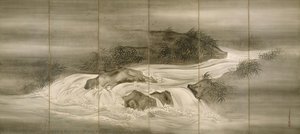
shiokawa bunrin
1808 - 1877 , Japan
Kratke činjenice
- Artistic Movement Or Style: Shijō School, Nanga
- Artists Or Movements Influenced By This Artist:
- Kishi Chikudō
- Morikawa Sobun
- Takeuchi Seihō
- Artists Who Influenced This Artist: ['Okamoto Toyohiko']
- Date Of Birth: 1808
- Date Of Death: 1877
- Full Name: Shiokawa Bunrin
- Nationality: Japanese
- Notable Artworks:
- River Landscape with Fireflies
- Summer and Winter Landscapes
- The Poet Li Bo's Visit to Mount Emei
- Place Of Birth: Kyoto, Japan

