

 Pregledaj u prostoru
 Pošalji
 Podeli
 Detalji o delu

 Преузми
 Slični predmeti
 Rendgenski snimak
 Slajdovi
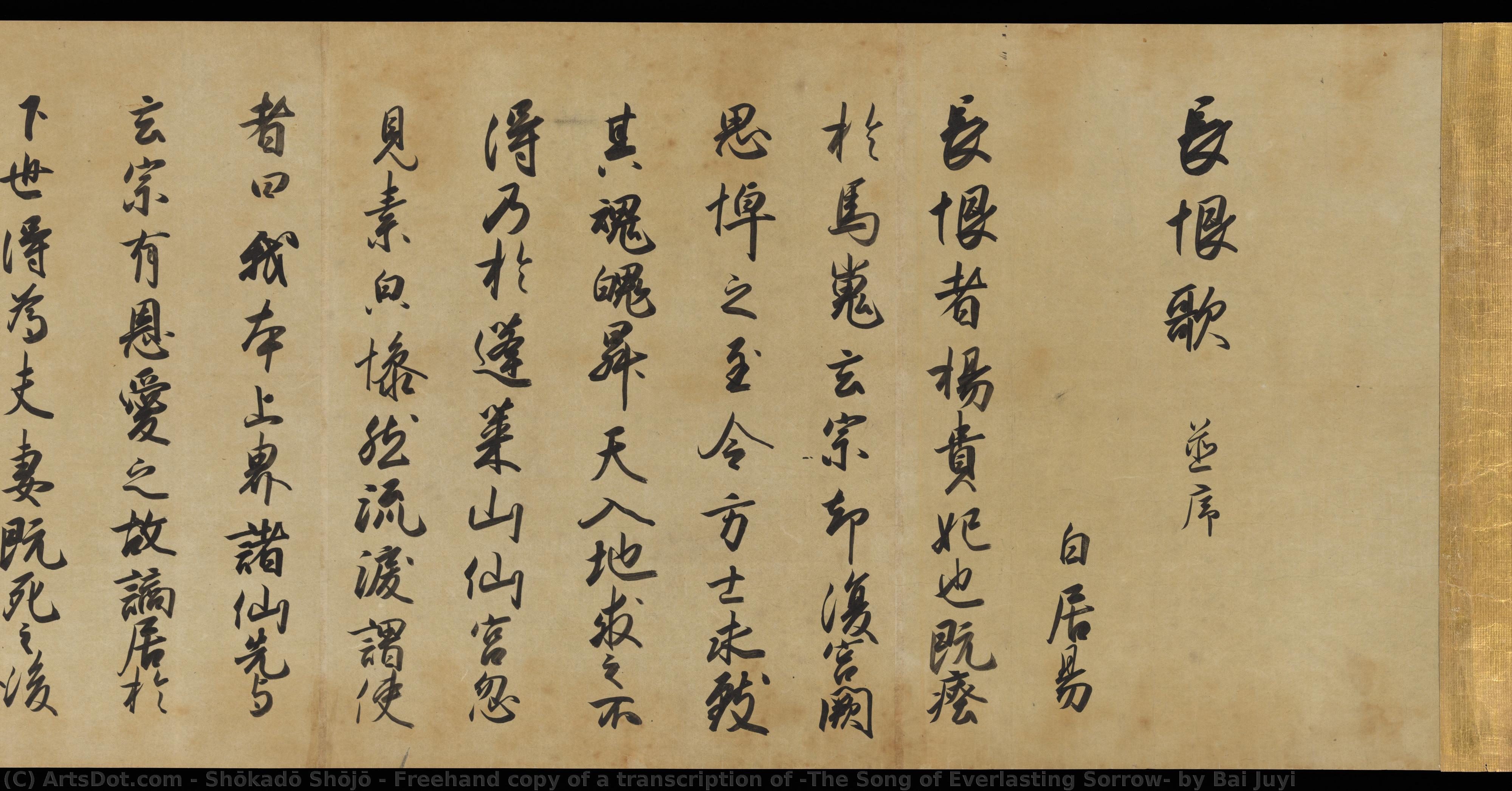
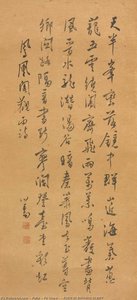
Freehand copy of a transcription of “The Song of Everlasting Sorrow” by Bai Juyi
 1614
1614 35.0 x 785.0 cm
 Pročitaj više
Kupite digitalnu sliku visoke rezolucije i poboljšanog kvaliteta, koja je znatno superiornija od onoga što vidite u online prikazu.
Svaka datoteka je pedantno pripremljena od strane naših stručnjaka koristeći napredne alate i profesionalnu ručnu retušu. Osiguravamo da svaka slika ima izuzetnu oštrinu, preciznu reprodukciju boja i fine detalje.
Konačna datoteka se dostavlja putem e-pošte u roku od 72 sata, optimizovana za neposrednu upotrebu u profesionalnim, izdavačkim i štamparskim okruženjima. To je isti kvalitet kojem veruju vrhunski studiji dizajna, izdavači i galerije.
Digitalna slika
Preuzmite datoteku visoke rezolucije za ličnu upotrebu, štampanje i kreativne projekte. ( Kupi print Kupi ručno naslikanu sliku)
Uključeno uz svaku porudžbinu digitalne slike
Profesionalna digitalna isporuka, zagarantovana
Kada odaberete ArtsDot.com, ne dobijate samo sliku – vi primate profesionalno unapređeno digitalno umetničko delo, izrađeno sa najvećom preciznošću i uz garanciju zadovoljstva. Evo svega što automatski dolazi uz vašu porudžbinu:

Brza dostava putem e-pošte
Vaša digitalna slika visoke rezolucije biće vam poslata putem e-pošte u roku od 72 sata od poručivanja – spremna za trenutnu upotrebu.

Digitalna datoteka unapređena veštačkom inteligencijom
Vaše umetničko delo je profesionalno optimizovano korišćenjem naprednih AI alata i ručne obrade, čime se osiguravaju maksimalni detalji, oštrina i preciznost boja.

Besplatna ponovna isporuka doživotno
Slučajno ste obrisali ili izgubili svoju datoteku? Ne brinite – poslaćemo vam je ponovo u bilo kom trenutku, potpuno besplatno.

Bez troškova uvoza – zauvek
Uživajte u svojim umetničkim delima trenutno, bez carine, dažbina ili troškova dostave – digitalni download je uvek bez poreza.

Garancija vernosti boja
Uz pomoć profesionalnih alata i upravljanja bojama, osiguravamo da vaša digitalna slika što vernije odražava originalne boje.

Garancija zadovoljstva u roku od 100 dana
Ako niste zadovoljni svojom digitalnom slikom, revidirat ćemo je ili vratiti 100% novca u roku od 100 dana – bez ikakvih pitanja.

100% garancija povrata novca
Niste zadovoljni? Obezbedite pun povrat novca u roku od 100 dana od trenutka kada ste primili svoju digitalnu datoteku – bez suvišnih pitanja.

Popusti na velike porudžbine
Kupite 3 slike, uštedite 10% - Kupite 5 slika, uštedite 15% - Kupite 10+ slika, uštedite 20%. Odlično za kreativne projekte, galerije i agencije.
Srodna umetnička dela


Biografija umetnika
early life and spiritual pursuits
shōjō shōkadō, a prominent figure in japan's edo period, was born in 1584 in the yamato province. his life took a significant turn when he entered the hachiman shrine on otoko-yama (yawata) near kyoto, where he received his buddhist name, shōjō. this marked the beginning of his spiritual journey as a buddhist monk.artistic pursuits and mastery
shōjō's artistic talents extended to painting, calligraphy, and mastery of the tea ceremony. he is notably recognized as one of the 'three brushes of the kan'ei period' (寛永三筆, kan'ei sanpitsu), a testament to his exceptional skill in the art world.artistic style and influences
shōjō's painting style was characterized by the use of monochromatic ink, influenced by the works of mu-ch’i fa-ch’ang and yin-t’o-lo, a 13th-century chinese monk-artist. his adherence to traditional japanese painting styles, such as yamato-e, further solidified his reputation as a versatile artist.notable works and legacy
though specific paintings by shōjō are not widely documented, his influence on the development of japanese art is undeniable. as part of the kanō school style art movement, his work contributed to the evolution of a distinctly japanese aesthetic.- explore shōjō shōkadō's profile on ArtsDot
- discover the ukiyo-e art movement, which influenced many japanese artists, including those from the kanō school.
- learn more about the new medievialism art movement, a contemporary movement inspired by medieval artistic techniques.
conclusion
shōjō shōkadō's legacy, though shrouded in mystery, remains an integral part of japan's rich cultural heritage. his contributions to the world of art and spirituality continue to inspire artists and scholars alike. important dates: - born: 1584, yamato province, japan - died: 1639 museum collections: though specific works by shōjō are not listed here, explore his profile on ArtsDot for more information on his artistic contributions.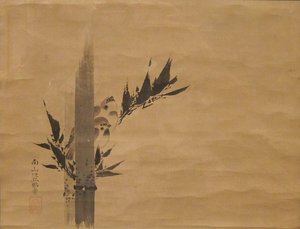
shōjō shōkadō
1584 - 1639 , Japan
Kratke činjenice
- Artistic Movement Or Style: Dutch Golden Age painting
- Artists Or Movements Influenced By This Artist: ['Later artists in Leiden']
- Artists Who Influenced This Artist:
- Jacques de Gheyn II
- Cornelius van der Voort
- Date Of Birth: 1584
- Date Of Death: 1657
- Full Name: David Bailly
- Nationality: Dutch
- Notable Artworks:
- Boy with a Basket of Fruit
- The Musicians
- Self-portraits
- Place Of Birth: Leiden, Netherlands