

 Pregledaj u prostoru
 Pošalji
 Podeli
 Detalji o delu

 Преузми
 Slični predmeti
 Rendgenski snimak
 Slajdovi
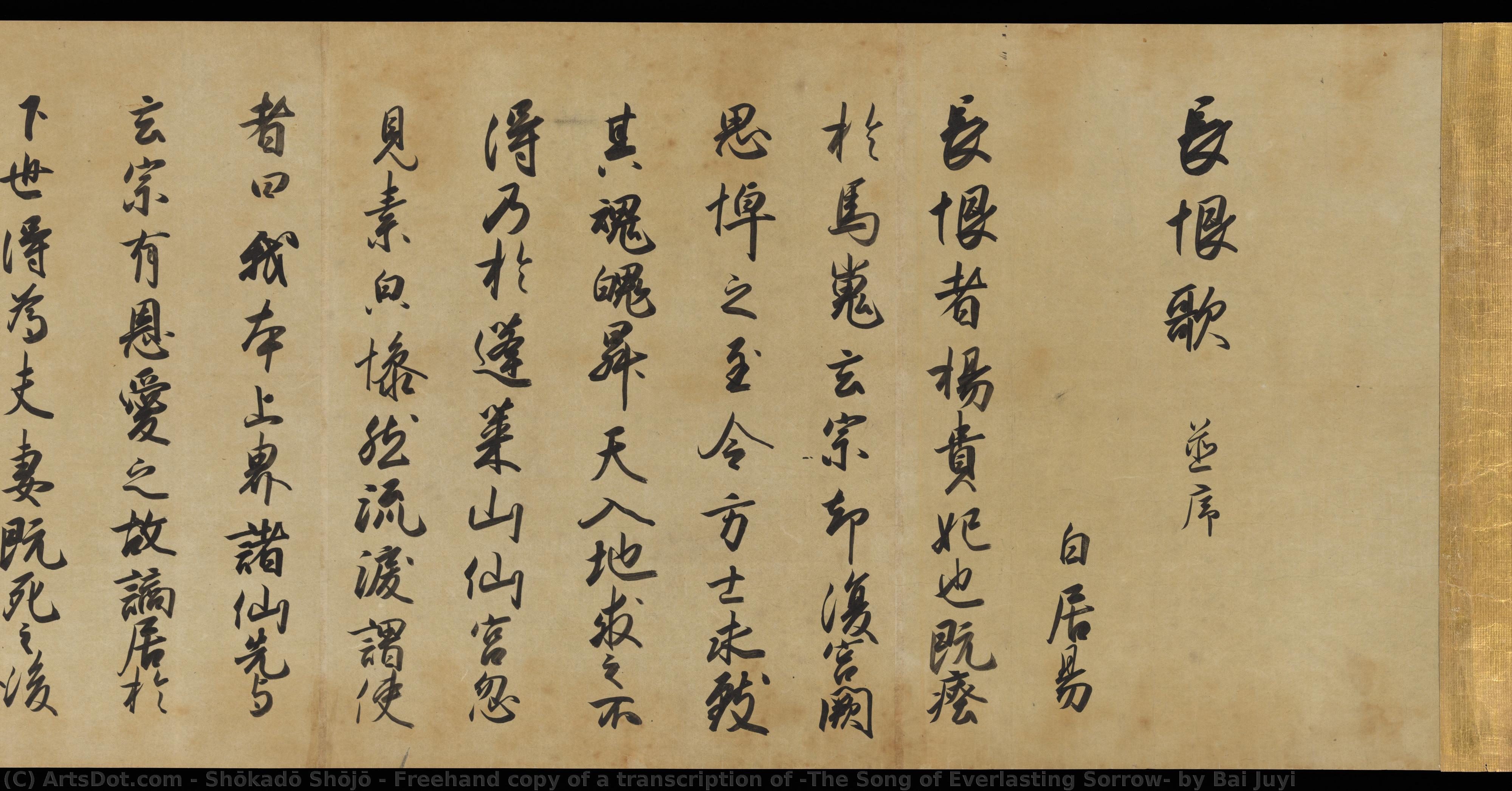
Freehand copy of a transcription of “The Song of Everlasting Sorrow” by Bai Juyi
 1614
1614 35.0 x 785.0 cm
 Pročitaj više
Giclee štampa / Umetnički otisak
Giclée štampa ili print na platnu muzejskog kvaliteta uz brzu proizvodnju i fleksibilne opcije završne obrade. ( Kupi ručno naslikanu sliku Kupi digitalnu sliku)




































Izaberite jednu od naših unapred definisanih veličina koje odgovaraju originalnim proporcijama umetničkog dela.

Možete uneti sopstvene dimenzije kako biste umetničko delo prilagodili specifičnom okviru ili prostoru. Ako odabrani format ne odgovara proporcijama originalne slike, mi ćemo ili iscrtati deo dela ili proširiti sliku pomoću ogledane ivice ili jednobojnog popunjavanja. Digitalni prikaz će vam biti poslat na odobrenje pre početka proizvodnje.
Imajte na umu da pregled na ekranu ne odražava stvarno iscrtavanje ili proširivanje. Samo će prikaz (mockup) precizno pokazati finalnu kompoziciju.
Iako su prilagođene dimenzije dostupne, preporučujemo da odaberete dimenziju sa unapred definisane liste kako biste očuvali originalne proporcije.
Dostava širom sveta () za 2 nedelje umesto uobičajenih 4/5 nedelja. (6 септембар)

Besplatna ekspresna dostava širom sveta

Visokokvalitetno laneno platno

Kompletno osiguranje transporta

Garancija povraćaja carine i uvoznih dažbina

Garancija vernosti boja

Politika povrata u roku od 100 dana (samo u slučaju nedostataka)

Garancija povrata novca od 100%

Popust pri grupnoj kupovini
 Opcija sa staklom dostupna je samo za dimenzije manje od 110 cm

Freehand copy of a transcription of “The Song of Everlasting Sorrow” by Bai Juyi
Giclee štampa / Umetnički otisak
Dimenzije reprodukcije
-


Konačna cena
$ 62
Srodna umetnička dela




Biografija umetnika
early life and spiritual pursuits
shōjō shōkadō, a prominent figure in japan's edo period, was born in 1584 in the yamato province. his life took a significant turn when he entered the hachiman shrine on otoko-yama (yawata) near kyoto, where he received his buddhist name, shōjō. this marked the beginning of his spiritual journey as a buddhist monk.artistic pursuits and mastery
shōjō's artistic talents extended to painting, calligraphy, and mastery of the tea ceremony. he is notably recognized as one of the 'three brushes of the kan'ei period' (寛永三筆, kan'ei sanpitsu), a testament to his exceptional skill in the art world.artistic style and influences
shōjō's painting style was characterized by the use of monochromatic ink, influenced by the works of mu-ch’i fa-ch’ang and yin-t’o-lo, a 13th-century chinese monk-artist. his adherence to traditional japanese painting styles, such as yamato-e, further solidified his reputation as a versatile artist.notable works and legacy
though specific paintings by shōjō are not widely documented, his influence on the development of japanese art is undeniable. as part of the kanō school style art movement, his work contributed to the evolution of a distinctly japanese aesthetic.- explore shōjō shōkadō's profile on ArtsDot
- discover the ukiyo-e art movement, which influenced many japanese artists, including those from the kanō school.
- learn more about the new medievialism art movement, a contemporary movement inspired by medieval artistic techniques.
conclusion
shōjō shōkadō's legacy, though shrouded in mystery, remains an integral part of japan's rich cultural heritage. his contributions to the world of art and spirituality continue to inspire artists and scholars alike. important dates: - born: 1584, yamato province, japan - died: 1639 museum collections: though specific works by shōjō are not listed here, explore his profile on ArtsDot for more information on his artistic contributions.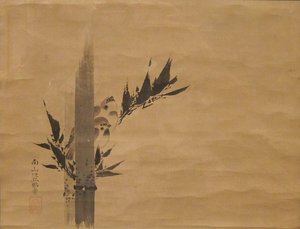
shōjō shōkadō
1584 - 1639 , Japan
Osnovne informacije
- Artistic Movement Or Style: Dutch Golden Age painting
- Artists Or Movements Influenced By This Artist: ['Later artists in Leiden']
- Artists Who Influenced This Artist:
- Jacques de Gheyn II
- Cornelius van der Voort
- Date Of Birth: 1584
- Date Of Death: 1657
- Full Name: David Bailly
- Nationality: Dutch
- Notable Artworks:
- Boy with a Basket of Fruit
- The Musicians
- Self-portraits
- Place Of Birth: Leiden, Netherlands