

 Pregledaj u prostoru
 Pošalji
 Podeli
 Detalji o delu

 Преузми
 Slični predmeti
 Rendgenski snimak
 Slajdovi
 Statistika
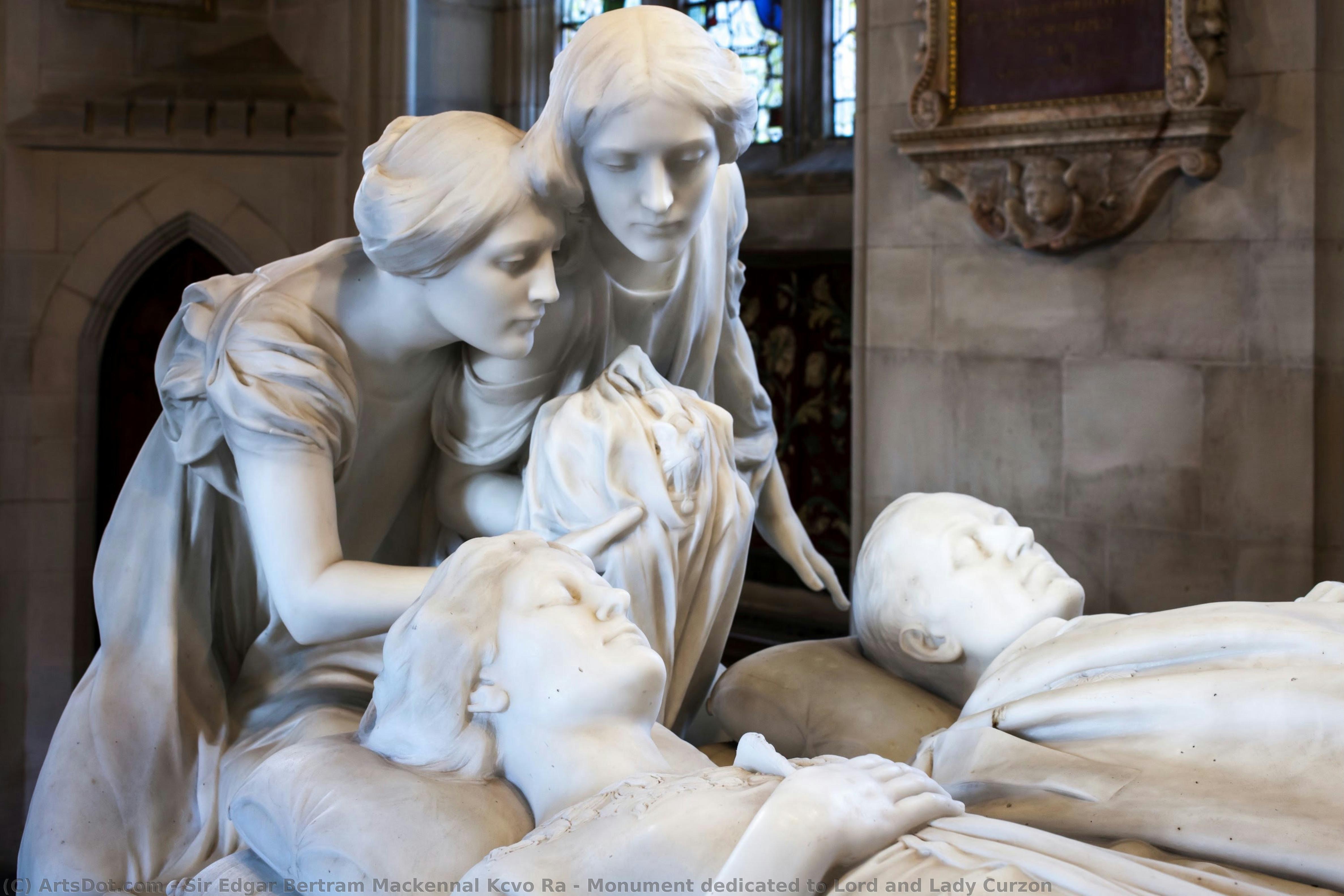
Monument dedicated to Lord and Lady Curzon


 Pročitaj više
Giclee štampa / Umetnički otisak
Giclée štampa ili print na platnu muzejskog kvaliteta uz brzu proizvodnju i fleksibilne opcije završne obrade. ( Kupi ručno naslikanu sliku Pređi na digitalnu sliku)




































Izaberite jednu od naših unapred definisanih veličina koje odgovaraju originalnim proporcijama umetničkog dela.

Možete uneti sopstvene dimenzije kako biste umetničko delo prilagodili specifičnom okviru ili prostoru. Ako odabrani format ne odgovara proporcijama originalne slike, mi ćemo ili iscrtati deo dela ili proširiti sliku pomoću ogledane ivice ili jednobojnog popunjavanja. Digitalni prikaz će vam biti poslat na odobrenje pre početka proizvodnje.
Imajte na umu da pregled na ekranu ne odražava stvarno iscrtavanje ili proširivanje. Samo će prikaz (mockup) precizno pokazati finalnu kompoziciju.
Iako su prilagođene dimenzije dostupne, preporučujemo da odaberete dimenziju sa unapred definisane liste kako biste očuvali originalne proporcije.
Dostava širom sveta () za 2 nedelje umesto uobičajenih 4/5 nedelja. (8 септембар)

Besplatna ekspresna dostava širom sveta

Visokokvalitetno laneno platno

Kompletno osiguranje transporta

Garancija povraćaja carine i uvoznih dažbina

Garancija vernosti boja

Politika povraćaja u roku od 100 dana (isključivo u slučaju nedostataka)

Garancija povrata novca od 100%

Popust pri grupnoj kupovini
 Opcija sa staklom dostupna je samo za dimenzije manje od 110 cm

Monument dedicated to Lord and Lady Curzon
Giclee štampa / Umetnički otisak
Dimenzije reprodukcije
-


Konačna cena
$ 62
Srodna umetnička dela







Biografija umetnika
Early Life and Training
Sir Edgar Bertram Mackennal (1863-1931) was born in Melbourne, Australia, the second son of John Simpson Mackennal (1832-1901), a Scottish immigrant and architectural sculptor, and Annabella Hyde. His father instilled in him an early passion for sculpture, recognizing his innate talent and providing him with invaluable training from a young age. Bertram’s formative years were spent studying under his father's guidance, absorbing the principles of craftsmanship and artistic vision that would define his future career. He continued his education at Melbourne School of Art, honing his skills in modeling and design before embarking on a transformative journey to London in 1882. There, he enrolled at the National Gallery Schools, immersing himself in the burgeoning British sculptural tradition and encountering influential mentors who shaped his artistic sensibilities.London Years and Artistic Development
Upon arriving in London, Mackennal joined forces with fellow students Charles Douglas Richardson and Tom Roberts, establishing a studio that fostered intellectual exchange and collaborative experimentation. This formative period exposed him to the avant-garde currents of Impressionism and Symbolism, profoundly impacting his artistic style. He actively participated in exhibitions at the Royal Academy, showcasing his evolving repertoire of works—from monumental sculptures like St George’s Chapel, Windsor – a joint commission with Sir Edwin Lutyens – to smaller, more intimate pieces exploring themes of mythology and human emotion. His dedication to mastering technique and capturing nuanced expressions solidified his reputation as one of Britain's leading sculptors.Notable Sculptures and Commissions
Mackennal’s prolific output spanned a remarkable range of projects—memorial tombs, monumental sculptures celebrating royal figures (including George V), decorative reliefs for public buildings, and numerous portraits capturing the likenesses of prominent individuals. His most celebrated achievements include the design of the coinage featuring George V – a testament to his meticulous craftsmanship and artistic vision – and the creation of ‘Circe,’ a striking depiction of mythological figure inspired by Gustave Moreau’s paintings, which garnered honorable mention at the Paris Salon. These commissions underscored Mackennal's ability to translate conceptual ideas into tangible forms, leaving an indelible mark on the landscape of British sculpture.Recognition and Legacy
Mackennal was awarded an Associate Membership of the Royal Academy in 1909 and a Knight Commander Order of the Victorian Crown (KCVO) in 1921, recognizing his distinguished contributions to art and scholarship. He remained active until his death in London in 1931, continuing to pursue artistic endeavors and mentor younger sculptors. His influence extended beyond his own lifetime, shaping the aesthetic sensibilities of subsequent generations and establishing him as a pivotal figure in the British Sculpture Movement—a movement characterized by its embrace of expressive realism and exploration of psychological depth.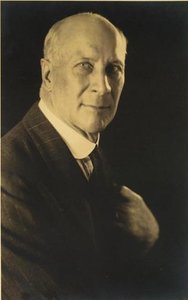
sir edgar bertram mackennal kcvo ra
1863 - 1931 , Australia
Osnovne informacije
- Artistic Movement Or Style: Early Sculpture Movement
- Artists Or Movements Influenced By This Artist: ['Rodin']
- Artists Who Influenced This Artist:
- Charles Douglas Richardson
- Tom Roberts
- Date Of Birth: June 12, 1863
- Date Of Death: October 10, 1931
- Full Name: Sir Edgar Bertram Mackennal KCVO RA
- Nationality: Australian
- Notable Artworks:
- The Dancer
- Daphne
- Circe
- Place Of Birth: Melbourne, Australia