

 Pregledaj u prostoru
 Pošalji
 Podeli
 Detalji o delu

 Преузми
 Slični predmeti
 Rendgenski snimak
 Slajdovi
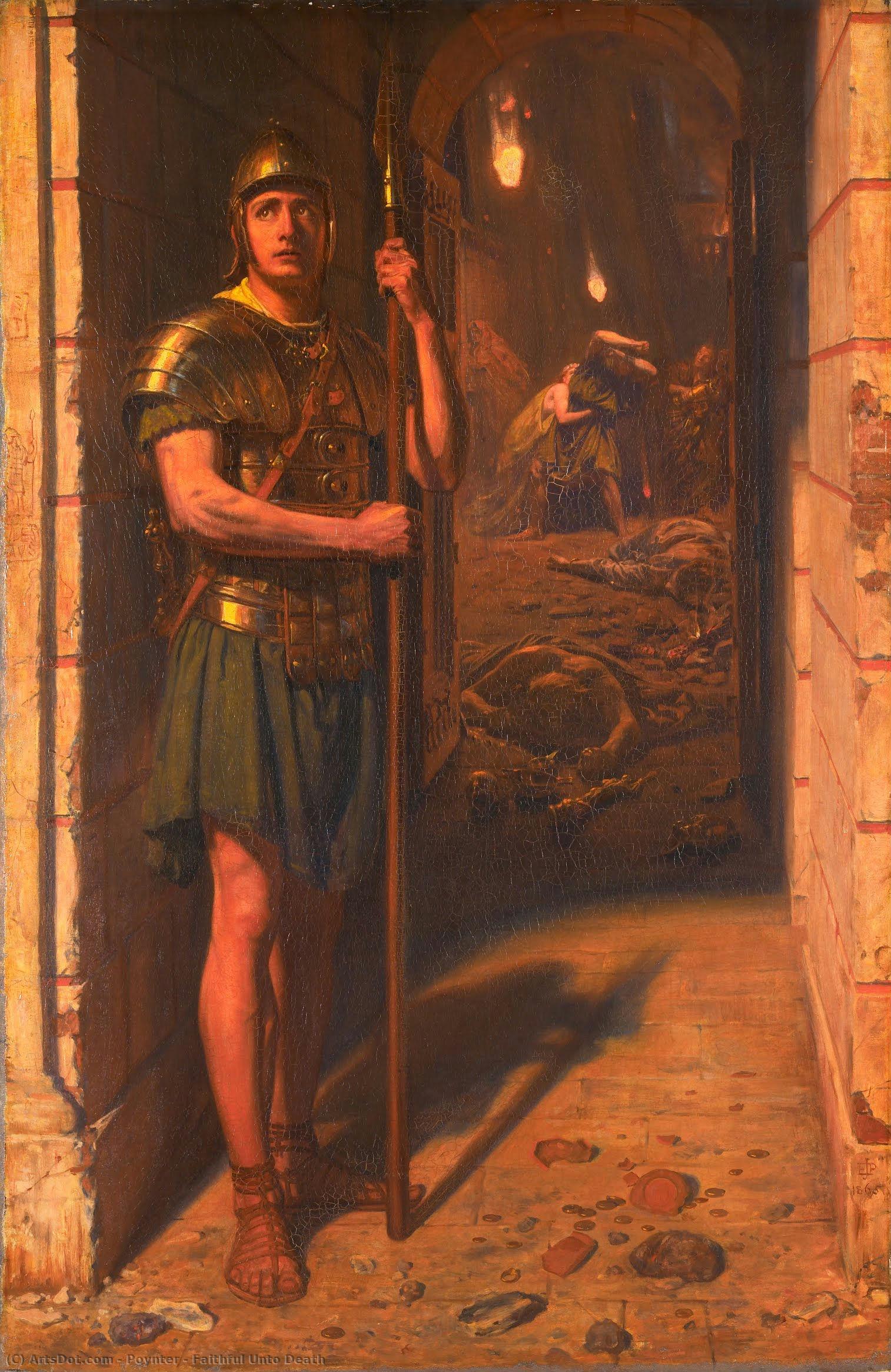
Faithful Unto Death
 Oil On Canvas
- WallArt
- Victorian Realism
 1865
1865- 19th Century
 755.0 x 1150.0 cm
 Walker Art Gallery
 Pročitaj više
Ručno rađena uljana reprodukcija
Ručno oslikano uljanim bojama na platnu u dimenzijama i okviru po vašem izboru, izrađeno po porudžbini od strane naših umetnika. ( Kupi print Kupi digitalnu sliku)




P118B $10

P118H $10

P118W $10

P438Z $10

P508JH $12

P508YH $12

P805H $10

P805Z $10

P919BZ $10

P919G $10

P919XJ $10

P959ZH $10

P968JZ $12

W106C $8

W218G $10

W218JH $8

W218Y $10

W307PJ $10

W316G $10

W316PJ $8

W316Y $10

W398PJ $8

W4111J $10

W500HY $15

W500JH $15

W692G $12

W849H $8

W940BG $15

W953PJ $8




Izaberite jednu od naših unapred definisanih veličina koje odgovaraju originalnim proporcijama umetničkog dela.

Можете унети сопствене димензије како бисте прилагодили дело одређеном оквиру или простору. Ако одабрана величина не одговара пропорцијама оригинала, слика ће бити исечена или проширена додатним елементима који се ручно насликавају. Дигитални prikaz ће вам бити послат на одобрење пре почетка производње.
Имајте на уму да преглед на екрану не одражава стварно исецање или проширење. Само приказ (mockup) ће тачно приказати коначну композицију.
Иако су доступне прилагођене величине, препоручујемо да одаберете димензију из дефинисане листе како бисте сачували оригиналне пропорције.
Nakon narudžbine, tim ArtsDot.com će klijentu putem e-pošte poslati uputstva i dostaviti prikaz predloženog rešenja
Isporuka širom sveta () za 3/4 nedelje umesto uobičajenih 5 nedelja. (3 септембар). Bez kompromisa po pitanju kvaliteta.

Besplatna ekspresna dostava širom sveta

Visokokvalitetno laneno platno

Kompletno osiguranje transporta

Garancija povraćaja carine i uvoznih dažbina

Garancija vernosti boja

Politika povrata u roku od 60 dana (samo u slučaju nedostataka)

Garancija povrata novca od 100%

Popust pri grupnoj kupovini
 Opcija sa staklom dostupna je samo za dimenzije manje od 110 cm

Faithful Unto Death
Tehnika reprodukcije
Dimenzije reprodukcije
-


Konačna cena
$ 288
Faithful Unto Death: A Pompeian Echo
Sir Edward Poynter’s “Faithful Unto Death” is more than just a depiction of a Roman soldier; it's a potent distillation of Victorian ideals – duty, obedience, and sacrifice – rendered with breathtaking technical skill. Painted in 1865, the artwork emerged from the burgeoning field of archaeological discovery at Pompeii, offering a tangible link to antiquity that deeply resonated with the era’s fascination with classical history and imperial power. The scene, meticulously crafted, captures a moment frozen in time: a lone sentry, bathed in the stark glare of Vesuvius' eruption, stands as a silent testament to unwavering commitment amidst unimaginable chaos. It’s a painting that demands attention, not just for its dramatic composition but for the profound questions it raises about human nature and our relationship with authority.
A Masterclass in Dramatic Lighting
Poynter's command of light is arguably the work’s most striking feature. The artist employs a theatrical spotlight, focusing intensely on the soldier within the arched doorway, creating an almost sculptural effect. This deliberate contrast between illumination and shadow isn’t merely aesthetic; it serves to amplify the sense of isolation and stoicism of the figure. The fiery glow of the eruption, rendered with meticulous detail in oranges, yellows, and reds, casts an eerie light upon the fleeing figures behind him, emphasizing their desperate struggle for survival. This masterful manipulation of light elevates the scene beyond a simple historical illustration, transforming it into a powerful emotional experience.
Symbolism and Historical Context
- Duty and Obedience: The soldier’s unwavering posture embodies the Victorian obsession with duty and obedience to authority – values deeply intertwined with Britain's imperial ambitions.
- Humanity vs. Nature: The painting starkly contrasts the disciplined figure of the soldier with the overwhelming force of nature, highlighting humanity’s vulnerability in the face of catastrophic events.
- Pompeii as a Mirror: The scene at Pompeii served as a potent metaphor for Britain's own imperial endeavors – a nation striving to maintain order and control amidst turbulent global affairs.
Technique and Composition
Executed in oil on canvas, “Faithful Unto Death” showcases Poynter’s exceptional skill as a painter. The composition is carefully balanced, with the soldier positioned prominently on the left to draw the viewer's eye towards the dramatic eruption in the distance. Strong vertical lines emphasize the architecture and the soldier’s rigid stance, while curved lines within the archway and swirling smoke create dynamic movement. The meticulous attention to detail – from the texture of the soldier’s armor to the debris scattered across the foreground – contributes to the painting's remarkable realism. Poynter’s smooth, blended brushwork further enhances this effect, creating a sense of volume and depth that draws the viewer into the heart of the scene.
A Timeless Masterpiece
"Faithful Unto Death" remains a powerful and evocative work of art, offering a glimpse into Victorian sensibilities and a profound meditation on themes of duty, sacrifice, and humanity’s relationship with both nature and authority. Its dramatic lighting, meticulous detail, and historical significance make it a truly exceptional piece – one that continues to captivate audiences today. A hand-painted reproduction offers an unparalleled opportunity to experience the full impact of Poynter's vision.
Srodna umetnička dela



Biografija umetnika
early life and education
sir edward john poynter, 1st baronet gcvo, pra, a prominent english painter, designer, and draughtsman, was born in paris, france, in 1836. his parents returned to britain soon after his birth, and he was educated at brighton college.artistic career and notable works
poynter's artistic career is marked by his large historical paintings, includingpresidency of the royal academy
poynter served as president of the royal academy from 1896 to 1918. this period saw a significant impact on the british art scene, with poynter's influence extending beyond his own works.honors and legacy
poynter was knighted in 1894 and made a baronet in 1896. his legacy continues to be celebrated through his artworks, which can be found in various museums, including the museum of the order of st john (united kingdom), featured on https://ArtsDot.com.key artworks and their significance
- israel in egypt (1867; guildhall art gallery, london): a prime example of poynter's historical painting style.
- st george and the dragon (1868; tate britain, london): demonstrates poynter's skill in capturing mythological themes.
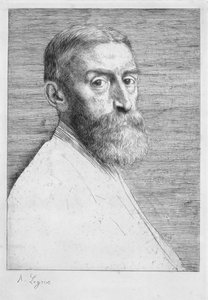
sir edward john poynter, 1st baronet gcvo, pra
1836 - 1919 , France
Osnovne informacije
- Artistic Movement Or Style: Victorian Painting
- Artists Or Movements Influenced By This Artist: ['Pre-Raphaelites']
- Artists Who Influenced This Artist:
- William Holman Hunt
- John Everett Millais
- Date Of Birth: March 20, 1836
- Date Of Death: July 26, 1919
- Full Name: Sir Edward John Poynter, 1st Baronet
- Nationality: English
- Notable Artworks:
- Israel in Egypt
- St George and the Dragon
- The Visit of the Queen of Sheba
- Place Of Birth: Paris, France
Povezani članci
Edward Hopper: 25 Remek-dela Američkog Realizma za Vaš Dom | ArtsDot
Istražite 25 ремек-дела Edward Hopper-a! Otkrijte приче иза његових најпознатијих слика, симболизма америчког реализма и уметничке технике. Купите висококвалитетне репродукције на ArtsDot.com.
Sir Edward Poynter: Aestheticism, Archaeology & Victorian Identity
Explore the captivating world of Sir Edward Poynter, a leading figure of Aestheticism & Victorian art. Discover his archaeological narratives, iconic paintings like 'Day Dream Fine,' and lasting influence on British art history.
Edward Wilkins Waite: A Victorian Vision of Surrey's Serene Landscapes & Artistic Legacy
Explore the serene landscapes of Edward Wilkins Waite (1854-1924), a prolific Victorian painter celebrated for his depictions of Surrey's countryside. Discover his artistic influences, career highlights & collecting guide.
Edward Morland Lewis: A Rising Star of Victorian Narrative Realism
Explore the captivating works of Edward Morland Lewis, a key figure in Victorian genre painting. Discover his realistic depictions of everyday life, artistic influences, and current market value with ArtsDot.
Edward Lear: A Life Beyond Nonsense – Landscape, Illustration & the Poetics of Isolation
Explore the life of Edward Lear beyond his nonsense poems. Discover his stunning landscape paintings, travel illustrations & the poignant themes of isolation in this expert art history analysis.

