

 Pregledaj u prostoru
 Pošalji
 Podeli
 Detalji o delu

 Преузми
 Slični predmeti
 Rendgenski snimak
 Slajdovi
 Statistika
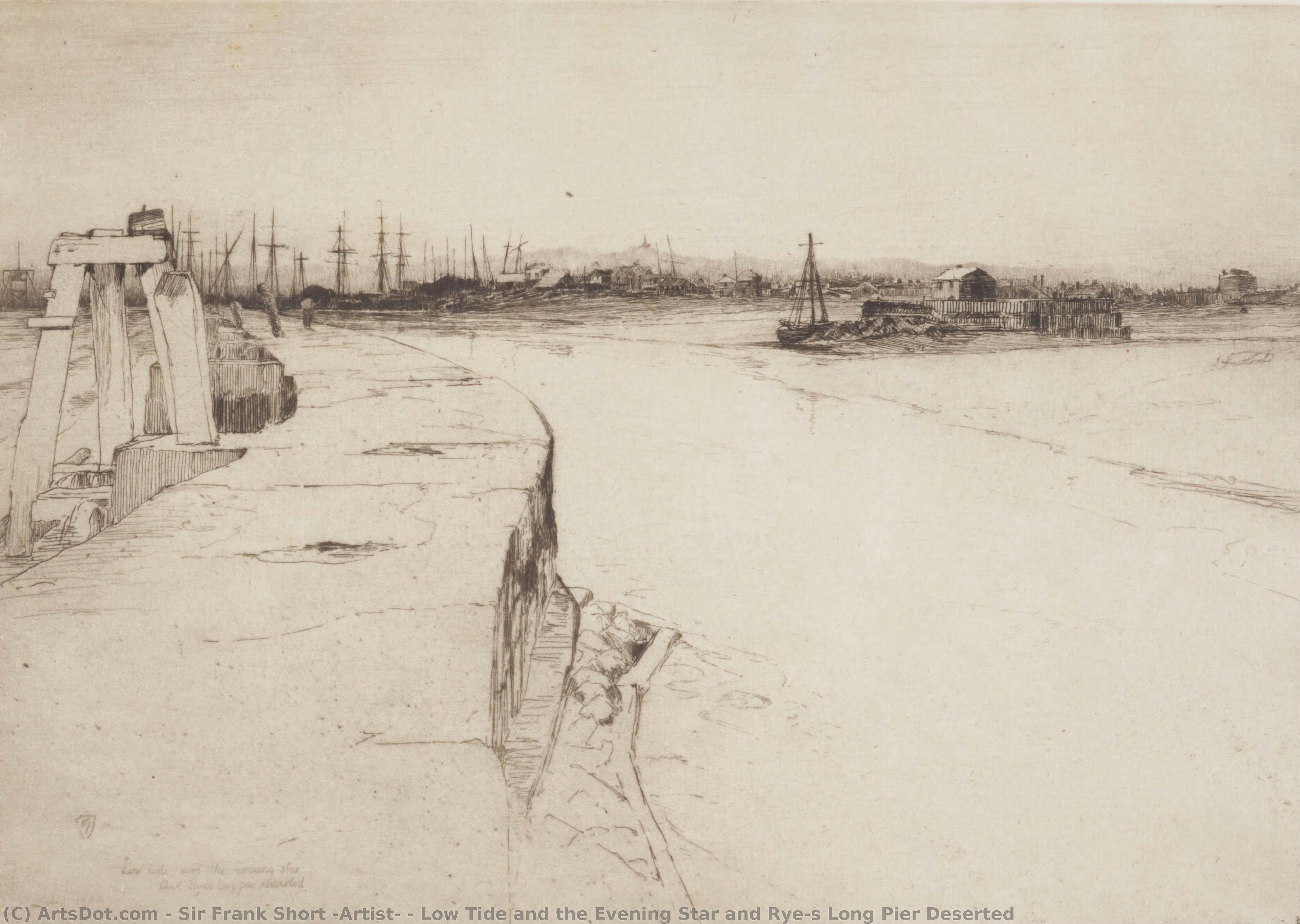
Low Tide and the Evening Star and Rye’s Long Pier Deserted


 Pročitaj više
Ručno rađena uljana reprodukcija
Ručno oslikano uljanim bojama na platnu u dimenzijama i okviru po vašem izboru, izrađeno po porudžbini od strane naših umetnika. ( Pređi na štampu Pređi na digitalnu sliku)




































Izaberite jednu od naših unapred definisanih veličina koje odgovaraju originalnim proporcijama umetničkog dela.

Можете унети сопствене димензије како бисте прилагодили дело одређеном оквиру или простору. Ако одабрана величина не одговара пропорцијама оригинала, слика ће бити исечена или проширена додатним елементима који се ручно насликавају. Дигитални prikaz ће вам бити послат на одобрење пре почетка производње.
Имајте на уму да преглед на екрану не одражава стварно исецање или проширење. Само приказ (mockup) ће тачно приказати коначну композицију.
Иако су доступне прилагођене величине, препоручујемо да одаберете димензију из дефинисане листе како бисте сачували оригиналне пропорције.
Nakon narudžbine, tim ArtsDot.com će klijentu putem e-pošte poslati uputstva i dostaviti prikaz predloženog rešenja
Isporuka širom sveta () za 3/4 nedelje umesto uobičajenih 5 nedelja. (9 септембар). Bez kompromisa po pitanju kvaliteta.

Besplatna ekspresna dostava širom sveta

Visokokvalitetno laneno platno

Kompletno osiguranje transporta

Garancija povraćaja carine i uvoznih dažbina

Garancija vernosti boja

Politika povraćaja u roku od 100 dana (isključivo u slučaju nedostataka)

Garancija povrata novca od 100%

Popust pri grupnoj kupovini
 Opcija sa staklom dostupna je samo za dimenzije manje od 110 cm

Low Tide and the Evening Star and Rye’s Long Pier Deserted
Tehnika reprodukcije
Dimenzije reprodukcije
-


Konačna cena
$ 263
Srodna umetnička dela






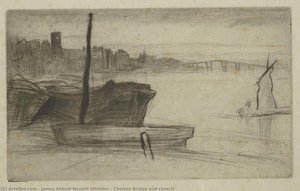
Biografija umetnika
Stanhope Alexander Forbes: A Cornish Visionary of the Late Victorian Era
Born in Dublin, Ireland, on November 18, 1857, Stanhope Alexander Forbes’s artistic journey was a testament to perseverance and a deep connection with the natural world. His early life, marked by movement between England and Ireland, laid the foundation for his distinctive style – a blend of Impressionism, Realism, and a distinctly Cornish sensibility. Forbes wasn't simply an artist; he was a keen observer of human experience and a passionate advocate for the working class, themes that consistently informed his work.
Forbes’s formal artistic training began at Dulwich College, where his talent for drawing was nurtured by his art master, John Charles Lewis Sparkes. This early mentorship proved crucial, instilling in him an appreciation for observation and a commitment to capturing the essence of his subjects. Following his studies, he spent two formative years in Paris, immersing himself in the vibrant artistic atmosphere of the French capital and studying under Leon Bonnat at his renowned atelier. This period exposed him to the tenets of Impressionism, influencing his use of light and color, though he never fully abandoned a more grounded realism.
However, Forbes’s true heart lay in Cornwall, specifically the fishing village of Newlyn. In 1884, he relocated there, establishing himself as a central figure within a burgeoning artistic community alongside artists like George Trevelyan and Frank O'Neil. This move proved transformative, providing him with unparalleled access to the lives and landscapes that would dominate his oeuvre. The rugged coastline, the weathered faces of the fishermen, and the simple routines of rural life became recurring motifs in his paintings – subjects he approached with both empathy and a keen eye for detail.
- Key Subjects: Forbes’s work is characterized by its focus on Cornish fishing communities, portraits of local figures, and evocative depictions of the coastal landscape.
- Technique: He employed a layered approach, building up his paintings with numerous thin glazes of color to achieve a luminous effect. His brushwork was often loose and expressive, capturing the movement of light and water.
- Influence: Forbes’s work reflects the influence of Impressionism, particularly in his use of color and light, but he also drew inspiration from Realist painters like Millet and Courbet, evident in his compassionate portrayal of working-class subjects.
The Cornish Landscape and its People
Forbes's paintings are inextricably linked to the landscape of Cornwall. He didn’t simply depict the coastline; he captured its spirit – its wildness, its beauty, and its inherent drama. The ever-changing light on the sea, the dramatic cliffs, and the shifting weather patterns were constant sources of inspiration. His canvases often feature scenes of fishermen returning from the sea, their boats bobbing against the rocks, or families gathered around humble cottages, bathed in the golden light of sunset.
Crucially, Forbes’s portrayal of these subjects wasn't romanticized. He depicted the lives of the Cornish people with honesty and respect, capturing their dignity and resilience. He frequently painted portraits of local fishermen, often depicting them at work or engaged in everyday activities, revealing a deep understanding of their struggles and triumphs. His ability to convey both the physical hardship and the quiet beauty of their existence is what makes his work so profoundly moving.
Notable Works:- The Fishermen’s Landing (1892)
- Cornish Children (1893)
- The Fisherman's Wife (1896)
A Champion of the Working Class
Beyond his artistic skill, Forbes was a committed social observer. His work frequently addressed the plight of the working class, particularly in Cornwall, where poverty and hardship were widespread. He wasn’t interested in simply depicting these subjects; he sought to give them voice through his art, raising awareness about their struggles and celebrating their resilience.
Forbes's empathy for the marginalized is evident in his numerous portraits of fishermen and other working-class individuals. He captured their weathered faces, their calloused hands, and their quiet dignity with remarkable sensitivity. His paintings weren’t intended to be sentimental; rather, they were a testament to the strength and perseverance of ordinary people facing extraordinary challenges.
Forbes's commitment to social realism was further reflected in his involvement with the New English Art Club, founded in 1886, which aimed to promote art that engaged with contemporary social issues.Legacy and Historical Significance
Stanhope Alexander Forbes’s artistic legacy is firmly rooted in Cornwall. He played a pivotal role in establishing Newlyn as an important center for British painting, attracting both local artists and visitors from across the country. His work helped to elevate the status of Cornish art on the national stage, challenging traditional notions of beauty and subject matter.
Forbes’s paintings continue to resonate with viewers today because they offer a rare glimpse into a bygone era – a time when artists were deeply engaged with the lives and landscapes of ordinary people. His honest portrayal of the Cornish working class, combined with his masterful use of color and light, makes him one of the most significant figures in late Victorian British art.
He died on March 2, 1947, leaving behind a rich body of work that serves as a poignant reminder of the power of art to illuminate social realities and capture the beauty of the human spirit. His paintings remain treasured examples of Cornish art and a testament to his enduring vision.
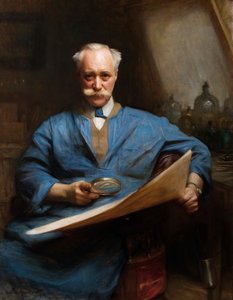
sir frank short (artist)
1857 - 1945 , United Kingdom
Osnovne informacije
- Artistic Movement Or Style: Romanticism
- Artists Or Movements Influenced By This Artist: ['None listed']
- Artists Who Influenced This Artist: ['Alexander Sergeyevich Stroganov']
- Date Of Birth: March 30, 1776
- Date Of Death: May 16, 1857
- Full Name: Vasily Andreevich Tropinin
- Nationality: Russian
- Notable Artworks:
- The Lace Maker
- The Gold-Embroideress
- Place Of Birth: Korpovo, Novgorod Governorate