

 Pregledaj u prostoru
 Pošalji
 Podeli
 Detalji o delu

 Преузми
 Slični predmeti
 Rendgenski snimak
 Slajdovi
 Statistika
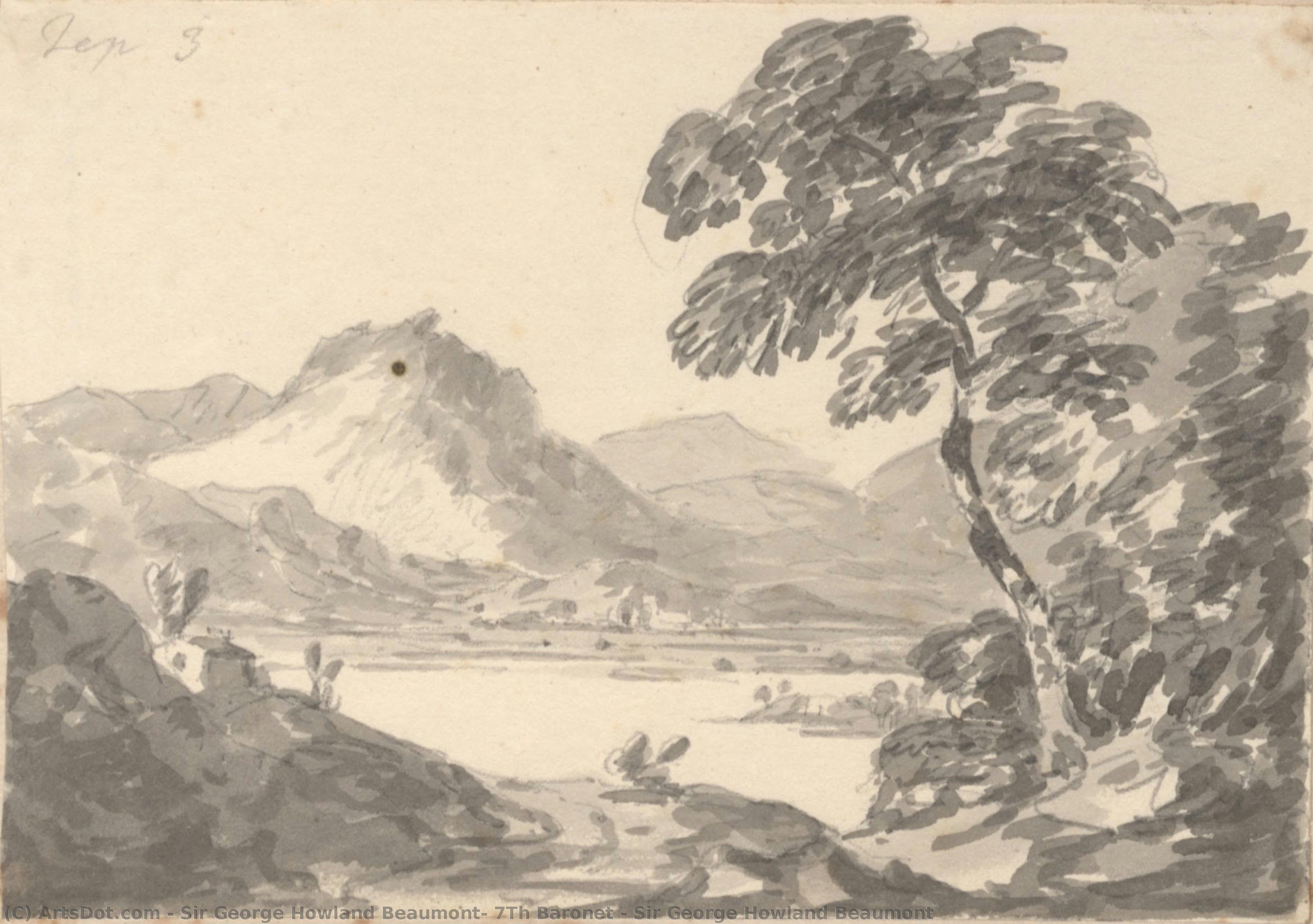
Sir George Howland Beaumont
 13.0 x 19.0 cm
 Wordsworth Grasmere
 Pročitaj više
Kupite digitalnu sliku visoke rezolucije i poboljšanog kvaliteta, koja je znatno superiornija od onoga što vidite u online prikazu.
Svaka datoteka je pedantno pripremljena od strane naših stručnjaka koristeći napredne alate i profesionalnu ručnu retušu. Osiguravamo da svaka slika ima izuzetnu oštrinu, preciznu reprodukciju boja i fine detalje.
Konačna datoteka se dostavlja putem e-pošte u roku od 72 sata, optimizovana za neposrednu upotrebu u profesionalnim, izdavačkim i štamparskim okruženjima. To je isti kvalitet kojem veruju vrhunski studiji dizajna, izdavači i galerije.
Digitalna slika
Preuzmite datoteku visoke rezolucije za ličnu upotrebu, štampanje i kreativne projekte. ( Pređi na štampu Kupi ručno naslikanu sliku)
Uključeno uz svaku porudžbinu digitalne slike
Profesionalna digitalna isporuka, zagarantovana
Kada odaberete ArtsDot.com, ne dobijate samo sliku – vi primate profesionalno unapređeno digitalno umetničko delo, izrađeno sa najvećom preciznošću i uz garanciju zadovoljstva. Evo svega što automatski dolazi uz vašu porudžbinu:

Brza dostava putem e-pošte
Vaša digitalna slika visoke rezolucije biće vam poslata putem e-pošte u roku od 72 sata od poručivanja – spremna za trenutnu upotrebu.

Digitalna datoteka unapređena veštačkom inteligencijom
Vaše umetničko delo je profesionalno optimizovano korišćenjem naprednih AI alata i ručne obrade, čime se osiguravaju maksimalni detalji, oštrina i preciznost boja.

Besplatna ponovna isporuka doživotno
Slučajno ste obrisali ili izgubili svoju datoteku? Ne brinite – poslaćemo vam je ponovo u bilo kom trenutku, potpuno besplatno.

Bez troškova uvoza – zauvek
Uživajte u svojim umetničkim delima trenutno, bez carine, dažbina ili troškova dostave – digitalni download je uvek bez poreza.

Garancija vernosti boja
Uz pomoć profesionalnih alata i upravljanja bojama, osiguravamo da vaša digitalna slika što vernije odražava originalne boje.

Garancija zadovoljstva od 100 dana
Ako niste zadovoljni svojom digitalnom slikom, izvršićemo reviziju ili ćemo vam vratiti 100% novca u roku od 100 dana – bez ikakvih pitanja.

100% garancija povrata novca
Niste zadovoljni? Dobijte puni povraćaj novca u roku od 100 dana od prijema digitalne datoteke – bez suvišnih pitanja.

Popusti na velike porudžbine
Kupite 3 slike, uštedite 10% - Kupite 5 slika, uštedite 15% - Kupite 10+ slika, uštedite 20%. Odlično za kreativne projekte, galerije i agencije.
Srodna umetnička dela









Biografija umetnika
Sir George Howland Beaumont: Patron of Pictures, Pioneer of the National Gallery
Sir George Howland Beaumont (1753-1827) wasn’t merely an amateur painter; he was a pivotal figure in shaping British art history and establishing one of its most beloved institutions. Born into landed gentry in Leicestershire, his life unfolded as a fascinating blend of aristocratic privilege, artistic passion, and a profound commitment to preserving and promoting the beauty of Old Master paintings. His story is inextricably linked with the creation of the National Gallery, where he played a crucial role through a generous bequest that fundamentally altered the course of British art collecting.
Beaumont’s early life was steeped in tradition. Educated at Eton College, he received instruction in drawing from Alexander Cozens, a landscape painter known for his innovative use of watercolor techniques. This initial training laid the groundwork for his lifelong fascination with capturing the nuances of light and atmosphere – though his own artistic output, primarily landscapes, often reflected the influence of his admired predecessors rather than forging a radically new style. However, Beaumont’s true calling lay not in creating art himself, but in acquiring it. His inheritance provided him with the means to embark on an ambitious collecting project, driven by a deep appreciation for the masterpieces of the past.
Beaumont's Grand Tour of 1782, undertaken with his wife Margaret, proved transformative. It exposed him to the vast and diverse world of European art, igniting a passion for the Old Masters – artists like Claude Lorrain, Rembrandt, Poussin, and Rubens. He began assembling a remarkable collection, initially focusing on works by British artists he knew personally, but quickly expanding to include treasures from across Europe. His dedication was fueled not just by aesthetic pleasure, but also by a desire to build a legacy of artistic excellence. His most prized possession, Claude’s *Landscape with Hagar and the Angel*, remained his constant companion throughout his life, a testament to its enduring beauty.
The Collector's Vision: Building a Legacy
Beaumont’s collecting strategy wasn’t simply about acquiring beautiful objects; it was about assembling a cohesive narrative of artistic history. He meticulously researched the provenance and significance of each painting, demonstrating a keen understanding of art historical context. He actively engaged with the artistic community, fostering relationships with leading artists like William Wordsworth, Robert Southey, and Thomas Cole – figures who shared his appreciation for the sublime beauty of the English landscape. These connections extended beyond mere friendship; Beaumont often provided financial support to emerging artists, recognizing their potential and contributing to the development of British art.
His influence wasn’t confined to the artistic realm. Beaumont was a prominent figure in London society, known for his refined taste, witty conversation, and generous patronage of cultural institutions. He served as a trustee of the British Institution, an ambitious project aimed at creating a museum dedicated to showcasing contemporary art – a precursor to the National Gallery. This commitment to fostering artistic appreciation extended beyond private collections; he actively promoted the study and understanding of art through lectures and publications.
The Beaumont Gift: Founding the National Gallery
Beaumont’s most enduring legacy lies in his pivotal role in establishing the National Gallery. In 1823, he offered a substantial portion of his collection to the nation – sixteen paintings representing a diverse range of styles and periods – on the condition that the government provide a suitable building for their display. This audacious proposal proved decisive. The British government seized upon Beaumont’s offer, purchasing the Angerstein Collection (the foundation of the gallery) and initiating the construction of Trafalgar Square as its home.
Beaumont's gift was not merely a donation; it was an act of profound faith in the power of art to enrich society. His willingness to relinquish his prized possessions for the benefit of the public demonstrated a remarkable generosity and foresight. The National Gallery, born from his vision, quickly became one of the world’s leading museums, attracting visitors from across the globe and solidifying its place as a cornerstone of British cultural heritage.
A Landscape Painter and His Circle
While Beaumont is primarily remembered for his role as a collector and benefactor, he was also an accomplished landscape painter in his own right. His works, often characterized by their atmospheric quality and meticulous attention to detail, reflect the influence of artists like Cozens and Wilson. He frequently depicted scenes from the Lake District and North Wales, capturing the dramatic beauty of these regions with a keen eye for light and color. His paintings were exhibited at the Royal Academy between 1794 and 1825, earning him recognition within the artistic community.
Beaumont’s circle extended beyond fellow artists; he cultivated friendships with leading writers and intellectuals of his time, including William Wordsworth and Samuel Taylor Coleridge. His home in Coleorton Hall served as a gathering place for these figures, fostering intellectual exchange and contributing to the vibrant cultural atmosphere of early 19th-century England. His patronage helped launch the careers of several young artists, most notably John Constable, whose painting *The Haystacks* was directly inspired by Beaumont’s collection.
Legacy and Historical Significance
Sir George Howland Beaumont remains a fascinating figure in British art history – a testament to the transformative power of patronage. His vision extended far beyond the acquisition of beautiful objects; he sought to create a national museum that would make art accessible to all, fostering appreciation and understanding across society. His legacy is inextricably linked with the founding of the National Gallery, an institution that continues to inspire and delight audiences today. Beaumont’s story serves as a reminder that art collecting can be not just a personal pursuit, but a powerful force for cultural enrichment and national pride.
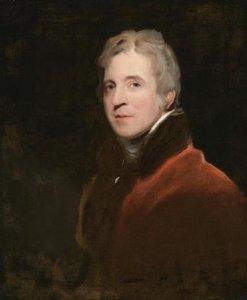
sir george howland beaumont, 7th baronet
1753 - 1827 , United Kingdom
Kratke činjenice
- Artistic Movement Or Style: Landscape painting
- Artists Or Movements Influenced By This Artist:
- William Wordsworth
- John Constable
- Artists Who Influenced This Artist:
- Alexander Cozens
- Richard Wilson
- Date Of Birth: 6 Nov 1753
- Date Of Death: 7 Feb 1827
- Full Name: Sir George Howland Beaumont, 7th Baronet
- Nationality: British
- Notable Artworks:
- Peele Castle in a Storm
- Hagar and the Angel
- Place Of Birth: Great Dunmow, Essex