 Pregledaj u prostoru
 Pošalji
 Podeli
 Detalji o delu

 Преузми
 Slični predmeti
 Rendgenski snimak
 Slajdovi
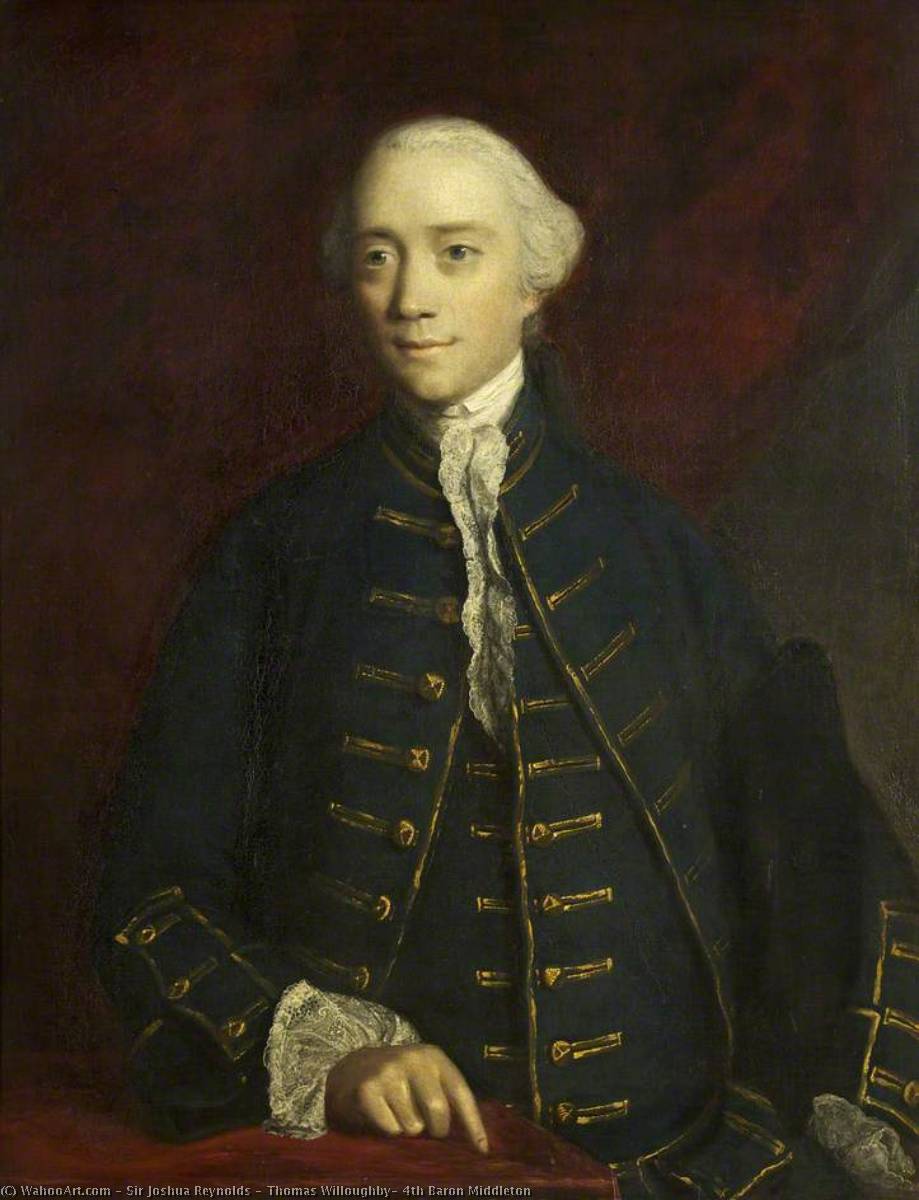
Thomas Willoughby, 4th Baron Middleton


 Pročitaj više
Ručno rađena uljana reprodukcija
Ručno oslikano uljanim bojama na platnu u dimenzijama i okviru po vašem izboru, izrađeno po porudžbini od strane naših umetnika. ( Kupi print Kupi digitalnu sliku)




P118B $10

P118H $10

P118W $10

P438Z $10

P508JH $12

P508YH $12

P805H $10

P805Z $10

P919BZ $10

P919G $10

P919XJ $10

P959ZH $10

P968JZ $12

W106C $8

W218G $10

W218JH $8

W218Y $10

W307PJ $10

W316G $10

W316PJ $8

W316Y $10

W398PJ $8

W4111J $10

W500HY $15

W500JH $15

W692G $12

W849H $8

W940BG $15

W953PJ $8




Izaberite jednu od naših unapred definisanih veličina koje odgovaraju originalnim proporcijama umetničkog dela.

Можете унети сопствене димензије како бисте прилагодили дело одређеном оквиру или простору. Ако одабрана величина не одговара пропорцијама оригинала, слика ће бити исечена или проширена додатним елементима који се ручно насликавају. Дигитални prikaz ће вам бити послат на одобрење пре почетка производње.
Имајте на уму да преглед на екрану не одражава стварно исецање или проширење. Само приказ (mockup) ће тачно приказати коначну композицију.
Иако су доступне прилагођене величине, препоручујемо да одаберете димензију из дефинисане листе како бисте сачували оригиналне пропорције.
Nakon narudžbine, tim ArtsDot.com će klijentu putem e-pošte poslati uputstva i dostaviti prikaz predloženog rešenja
Isporuka širom sveta () za 3/4 nedelje umesto uobičajenih 5 nedelja. (4 септембар). Bez kompromisa po pitanju kvaliteta.

Besplatna ekspresna dostava širom sveta

Visokokvalitetno laneno platno

Kompletno osiguranje transporta

Garancija povraćaja carine i uvoznih dažbina

Garancija vernosti boja

Politika povrata u roku od 60 dana (samo u slučaju nedostataka)

Garancija povrata novca od 100%

Popust pri grupnoj kupovini
 Opcija sa staklom dostupna je samo za dimenzije manje od 110 cm

Thomas Willoughby, 4th Baron Middleton
Tehnika reprodukcije
Dimenzije reprodukcije
-


Konačna cena
$ 263
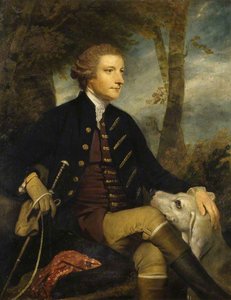
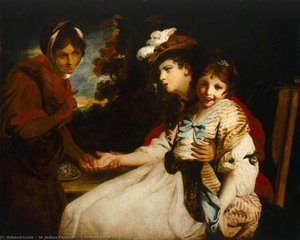
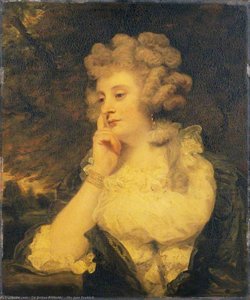
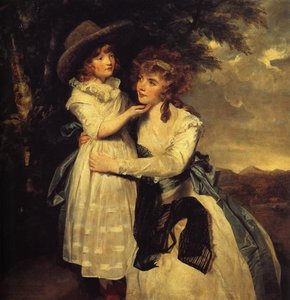
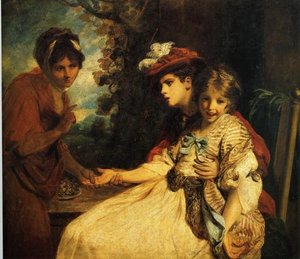
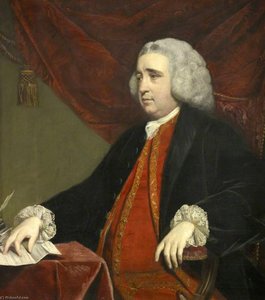
Thomas Willoughby, 4th Baron Middleton: A Portrait of Regency Dignity
Sir Joshua Reynolds’s “Thomas Willoughby, 4th Baron Middleton,” painted in 1761, is more than just a likeness; it's a meticulously crafted tableau of Georgian society and the carefully constructed persona of a landed gentleman. The painting captures a man at the height of his social standing – a figure radiating quiet authority and understated elegance within the opulent confines of his estate. Willoughby himself, a prominent member of Parliament and a key player in the political landscape of the time, is presented not as a warrior or a revolutionary, but as a symbol of stability, tradition, and refined taste—qualities highly valued during the reign of George III.
Reynolds’s masterful technique immediately draws the eye. The composition is remarkably balanced, with Willoughby occupying a central position within a richly appointed interior. The deep crimson curtains, meticulously rendered in velvet texture, create a sense of luxurious depth and hint at the vastness of his home. Note the subtle play of light across the fabrics and the polished surfaces – Reynolds’s use of chiaroscuro (the dramatic contrast between light and dark) not only models the forms but also imbues the scene with an atmosphere of quiet contemplation. The artist's attention to detail is breathtaking, from the intricate folds of Willoughby’s coat to the delicate embroidery on his waistcoat, each element contributing to a portrait that speaks volumes about wealth and status.
The Grand Style and its Patronage
This painting exemplifies Reynolds’s “Grand Style,” a technique he developed in the 1760s. Unlike earlier portraiture which often prioritized immediate likeness, the Grand Style aimed for an idealized representation of the sitter—a carefully constructed image designed to project an aura of nobility and virtue. Willoughby is not simply depicted as he was on any given day; he’s presented as the embodiment of his social role, a man worthy of admiration and respect. Reynolds skillfully employs classical motifs – the restrained pose, the dignified expression, the carefully chosen attire—to elevate Willoughby beyond the mundane and transform him into an emblem of Georgian ideals.
The commission itself speaks volumes about the power of portraiture in this era. Patrons like the Baron Middleton sought to solidify their position within society through visual representation. A flattering portrait wasn’t merely decoration; it was a strategic investment, reinforcing family lineage, demonstrating wealth and influence, and securing a place in history. Reynolds understood this dynamic perfectly, skillfully manipulating his brush to create an image that would serve both the sitter's ambitions and the patron's desire for social recognition.
Symbolism of Dress and Setting
The details within the painting are laden with symbolic meaning. Willoughby’s blue coat, a color associated with loyalty and trustworthiness, underscores his commitment to his position and responsibilities. The gold buttons on his chest—a subtle but significant detail—represent wealth and authority. The red curtains, traditionally associated with royalty and power, subtly elevate Willoughby's status, suggesting a connection to the highest echelons of society. Even the arrangement of objects within the room – the books, the writing desk, the musical instruments – speaks to Willoughby’s intellectual pursuits and refined tastes.
The setting itself is crucial. The interior, though somewhat generic in its design, evokes a sense of spaciousness and comfort—a reflection of the Baron's considerable wealth. It’s a space designed for contemplation and social interaction, a microcosm of Georgian society where power, prestige, and refinement were paramount. The painting doesn’t offer a glimpse into Willoughby’s private life; instead, it presents a carefully curated image of public persona—a man embodying the virtues expected of his station.
A Legacy of Elegance
"Thomas Willoughby, 4th Baron Middleton" remains a captivating example of Reynolds's artistic prowess and his profound understanding of the social dynamics of his time. It’s a portrait that transcends mere representation, offering a window into the world of Georgian aristocracy—a world defined by tradition, decorum, and an unwavering commitment to projecting an image of impeccable dignity. Today, this painting continues to resonate with viewers, inviting us to contemplate the complexities of power, status, and the enduring allure of idealized beauty.
Srodna umetnička dela
Biografija umetnika
Sir Joshua Reynolds (1723 - 1792): Leading British portrait painter of the 18th century & first Royal Academy President
Born in 1723 in the quaint Devonshire town of Plympton, Sir Joshua Reynolds emerged as a pivotal figure during a period of immense cultural transformation in Britain. His father, Reverend Samuel Reynolds, instilled in him a love for learning and intellectual pursuits, initially steering young Joshua towards a scholarly path. However, an undeniable artistic inclination soon surfaced, leading to his apprenticeship with Thomas Hudson in London at the age of seventeen. This formative experience provided Reynolds with a solid foundation in portraiture—a genre that would define his illustrious career. Hudson’s studio was a bustling hub of fashionable society, exposing Reynolds to the demands and expectations of aristocratic patrons, shaping not only his technique but also his understanding of the social landscape he would come to depict so masterfully. It wasn't merely about capturing likeness; it was about constructing an image that reflected status, taste, and aspiration.Early Life and Artistic Formation
Reynolds attended the Plympton grammar school of which his father, a clergyman, was master. The young Reynolds became well read in the writings of classical antiquity and throughout his life was to be much interested in literature, counting many of the finest British authors of the 18th century among his closest friends. Reynolds early aspired to become an artist, and in 1740 he was apprenticed for four years in London to Thomas Hudson, a conventional portraitist and the pupil and son-in-law of Jonathan Richardson. In 1743 he returned to Devon and began painting at Plymouth naval portraits that reveal his inexperience. Returning to London for two years in 1744, he began to acquire a knowledge of the old masters and an independent style marked by bold brushwork and the use of impasto, a thick surface texture of paint, such as in his portrait of Captain the Honourable John Hamilton (1746). This early exposure to Hudson’s workshop profoundly influenced Reynolds' artistic sensibilities—a connection that would endure throughout his career.The Influence of Raphael and Michelangelo: Embracing the ‘Grand Style’
Reynolds didn’t simply replicate what he learned from Hudson. He embarked on a journey of artistic exploration, fueled by a deep admiration for the Old Masters—particularly Raphael, Michelangelo, and Titian. A pivotal moment in his development was a sojourn to Rome in 1750, where he immersed himself in classical art and absorbed the principles of the ‘Grand Style’ – an approach that prioritized idealized beauty, dramatic composition, and historical or mythological allusions. Artists like Raphael and Michelangelo served as beacons of artistic excellence, inspiring Reynolds to elevate British painting beyond mere representation—to imbue it with a sense of dignity and intellectual weight previously unseen. He believed that portraits should not just record physical appearances but also reveal the sitter's character and social standing. This ambition led him to incorporate elements of history painting into his work, often depicting his subjects in elaborate costumes or staged settings reminiscent of classical narratives.Rome and Artistic Innovation: Establishing a Distinctive Technique
Reynolds’ meticulous study of Roman sculpture and painting solidified his conviction that British art needed to emulate the grandeur and sophistication of its continental counterparts. He experimented tirelessly with pigments and glazes, striving to achieve luminous effects and subtle tonal gradations—techniques he had observed firsthand in Rome. His distinctive brushwork—characterized by bold strokes and textured surfaces—became a hallmark of his style, distinguishing him from many of his contemporaries. The influence of Rembrandt van Rijn and Anthony van Dyck was also palpable in Reynolds’ oeuvre, demonstrating his mastery of chiaroscuro—the dramatic interplay of light and shadow—a technique perfected by the Dutch Baroque masters. He sought to capture not just what he saw but what he *felt*, conveying emotion and psychological complexity through carefully crafted visual narratives.A Legacy of Patronage and Artistic Leadership
Reynolds’s success as a portrait painter brought him considerable acclaim and attracted the patronage of wealthy aristocrats—including William Cavendish, Duke of Devonshire, who commissioned numerous portraits showcasing Reynolds' skill in capturing aristocratic grandeur. He was elected the first president of the Royal Academy of Arts in 1768—a position he held until his death in 1792—transforming British art into a respected profession and establishing an institution dedicated to fostering artistic talent and promoting national identity. Reynolds tirelessly advocated for the importance of art education and championed the recognition of artists as professionals deserving of respect and patronage. His annual Discourses – lectures delivered to Academy students – became seminal texts on artistic theory and practice, outlining his vision for a distinctly British school of painting. He regarded history painting, which typically represents mythological or religious subjects, as the noblest work of the painter, but the popularity of his portraits resulted in him producing comparatively few works of this type. Reynolds’s enduring legacy rests not only on his artistic achievements but also on his transformative role in shaping the cultural landscape of Britain—a testament to his unwavering belief in the power of art to inspire and elevate humanity. His paintings continue to captivate audiences with their elegance, psychological depth, and historical significance—a reminder that true artistry transcends time itself.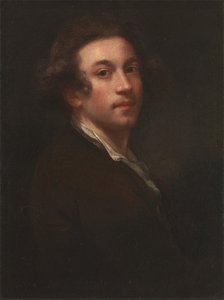
Џорџ Хајмс Ројс
1723 - 1792 , Уједињено Краљевство
Osnovne informacije
- Artistic Movement Or Style: Grand Stil
- Artists Or Movements Influenced By This Artist: ['Thomas Gainsborough']
- Artists Who Influenced This Artist: ['Thomas Hudson']
- Date Of Birth: 1723
- Full Name: Sir Joshua Reynolds
- Nationality: Britanski umetnik
- Notable Artworks:
- Peter Darnell Muilman...
- Mr and Mrs William Lindow
- Portrait of John Hayes...
- Place Of Birth: Plymouth, UK
Povezani članci
Sir Joshua Reynolds' Masterpieces: 25 Portraits of Power & Refinement | ArtsDot
Explore 25 captivating portraits by Sir Joshua Reynolds, a master of British art. Discover stories behind his iconic paintings, elegant style & historical influence. Find museum-quality reproductions and elevate your home decor on ArtsDot.com.
Sir Joshua Reynolds: Shaping British Art Through Grand Style & Societal Portraiture
Explore the life & work of Sir Joshua Reynolds, a master of British portraiture and founder of the Royal Academy. Discover his 'Grand Style,' techniques, and lasting influence on art history. Learn more at ArtsDot.
18th Century Masters: 10 Artworks That Define an Era | ArtsDot
Journey through 18th century art! Explore 10 iconic paintings – from Rococo elegance to Neoclassical grandeur. Discover Fragonard, David & more. Find museum-quality reproductions and elevate your home decor on ArtsDot.com.
Reflecting Nobility & Nuance: 18th-Century Portraiture as a Window into Societal Values
Explore the world of 18th-century portraiture with ArtsDot. Discover symbolism, artistic innovation & societal values reflected in masterpieces by Reynolds, Hogarth & more. Expert insights for collectors.
Reflections of an Age: Social Commentary & Artistic Representation in 18th-Century Society
Explore the social commentary & artistic representation of 18th-century society. Discover Rococo masterpieces, portraiture's power, and shifting historical perspectives. Expert insights for art lovers.