

 Pregledaj u prostoru
 Pošalji
 Podeli
 Detalji o delu

 Преузми
 Slični predmeti
 Rendgenski snimak
 Slajdovi
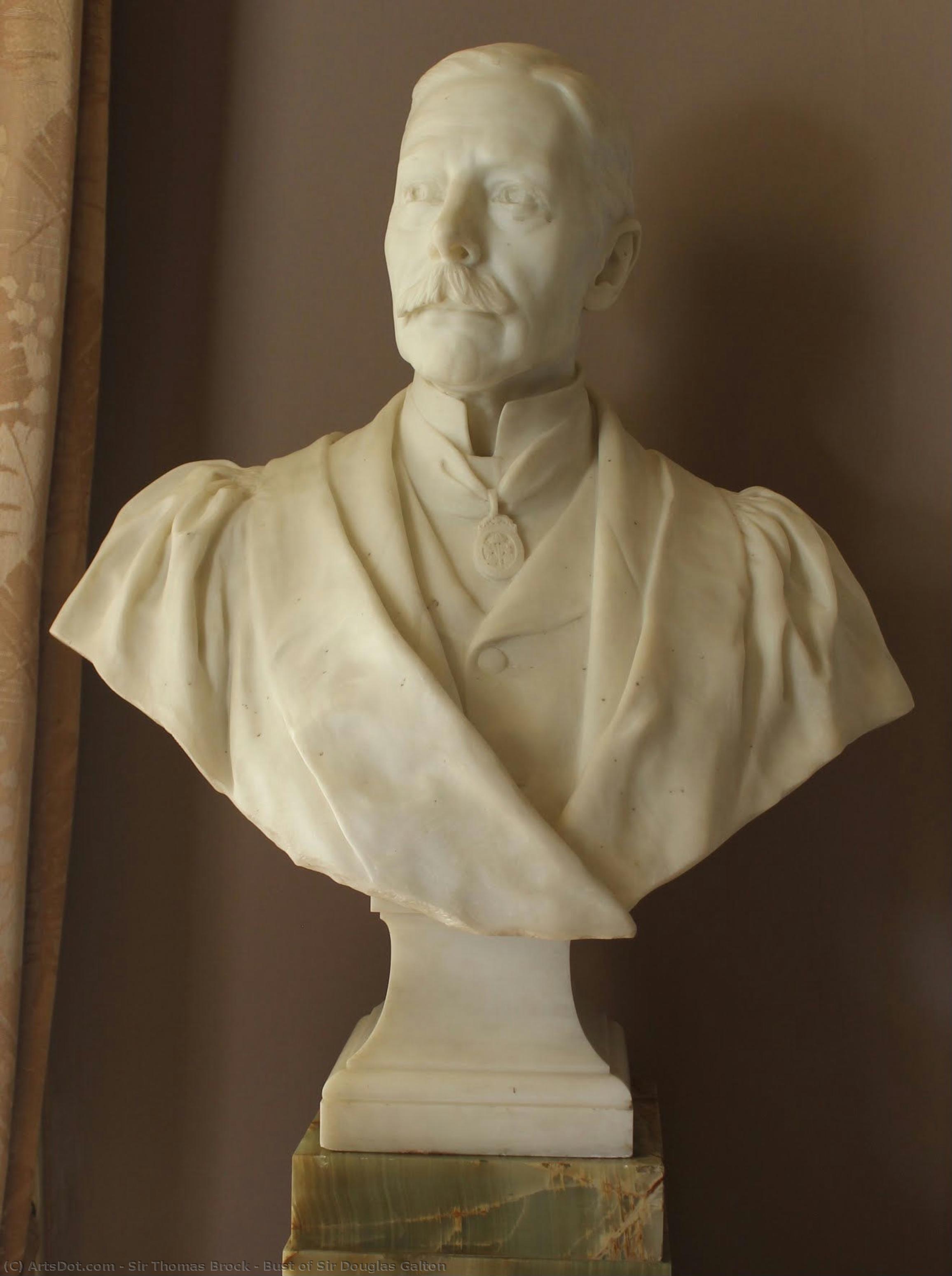
Bust of Sir Douglas Galton


 Pročitaj više
Kupite digitalnu sliku visoke rezolucije i poboljšanog kvaliteta, koja je znatno superiornija od onoga što vidite u online prikazu.
Svaka datoteka je pedantno pripremljena od strane naših stručnjaka koristeći napredne alate i profesionalnu ručnu retušu. Osiguravamo da svaka slika ima izuzetnu oštrinu, preciznu reprodukciju boja i fine detalje.
Konačna datoteka se dostavlja putem e-pošte u roku od 72 sata, optimizovana za neposrednu upotrebu u profesionalnim, izdavačkim i štamparskim okruženjima. To je isti kvalitet kojem veruju vrhunski studiji dizajna, izdavači i galerije.
Digitalna slika
Preuzmite datoteku visoke rezolucije za ličnu upotrebu, štampanje i kreativne projekte. ( Kupi print Kupi ručno naslikanu sliku)
Uključeno uz svaku porudžbinu digitalne slike
Profesionalna digitalna isporuka, zagarantovana
Kada odaberete ArtsDot.com, ne dobijate samo sliku – vi primate profesionalno unapređeno digitalno umetničko delo, izrađeno sa najvećom preciznošću i uz garanciju zadovoljstva. Evo svega što automatski dolazi uz vašu porudžbinu:

Brza dostava putem e-pošte
Vaša digitalna slika visoke rezolucije biće vam poslata putem e-pošte u roku od 72 sata od poručivanja – spremna za trenutnu upotrebu.

Digitalna datoteka unapređena veštačkom inteligencijom
Vaše umetničko delo je profesionalno optimizovano korišćenjem naprednih AI alata i ručne obrade, čime se osiguravaju maksimalni detalji, oštrina i preciznost boja.

Besplatna ponovna isporuka doživotno
Slučajno ste obrisali ili izgubili svoju datoteku? Ne brinite – poslaćemo vam je ponovo u bilo kom trenutku, potpuno besplatno.

Bez troškova uvoza – zauvek
Uživajte u svojim umetničkim delima trenutno, bez carine, dažbina ili troškova dostave – digitalni download je uvek bez poreza.

Garancija vernosti boja
Uz pomoć profesionalnih alata i upravljanja bojama, osiguravamo da vaša digitalna slika što vernije odražava originalne boje.

Garancija zadovoljstva od 100 dana
Ako niste zadovoljni svojom digitalnom slikom, izvršićemo reviziju ili ćemo vam vratiti 100% novca u roku od 100 dana – bez ikakvih pitanja.

100% garancija povrata novca
Niste zadovoljni? Dobijte puni povraćaj novca u roku od 100 dana od prijema digitalne datoteke – bez suvišnih pitanja.

Popusti na velike porudžbine
Kupite 3 slike, uštedite 10% - Kupite 5 slika, uštedite 15% - Kupite 10+ slika, uštedite 20%. Odlično za kreativne projekte, galerije i agencije.
Srodna umetnička dela










Biografija umetnika
Sir Thomas Brock: Sculptor of Majesty and Movement
Sir Thomas Brock (1847-1922) stands as a towering figure in late Victorian and early 20th-century British sculpture, renowned not merely for his technical skill but for the monumental scale and deeply human qualities he imbued into his public works. Born in Worcester, England, to a painter and decorator, Brock’s artistic journey began with a foundational apprenticeship at the Worcester Royal Porcelain Works, a training that instilled within him an appreciation for form, texture, and meticulous craftsmanship. This early experience proved crucial as he later enrolled in the prestigious Government School of Design and subsequently the Royal Academy Schools, where his talent was recognized with a gold medal in 1869 – a testament to his burgeoning ability to capture both realism and emotional resonance.
Brock’s artistic development was profoundly shaped by his association with John Henry Foley, a leading sculptor of the time. Foley's emphasis on naturalism and a sympathetic portrayal of subjects—a philosophy deeply rooted in classical ideals—proved instrumental in guiding Brock’s own approach to sculpture. Following Foley’s untimely death in 1874, Brock skillfully completed several significant commissions, including monuments to Daniel O’Connell in Dublin and the imposing bronze equestrian statue of Lord Canning for Kolkata – achievements that firmly established his reputation as a master sculptor capable of tackling ambitious projects on an international stage.
The Albert Memorial and Beyond
Perhaps Brock's most enduring legacy is undoubtedly the Victoria Memorial, a breathtaking monument erected in front of Buckingham Palace to honor Queen Victoria. This colossal undertaking, completed in 1911, showcased Brock’s extraordinary ability to synthesize classical forms with Victorian grandeur. The sheer scale of the memorial—a complex arrangement of columns, statues, and allegorical figures—demanded not only technical mastery but also a profound understanding of monumental design. Legend has it that King George V was so moved by the quality of the work that he knighted Brock on the spot, solidifying his place among the highest ranks of British artists.
However, Brock’s contributions extended far beyond this single masterpiece. He also redesigned Queen Victoria's effigy for British coinage, a task demanding both artistic sensitivity and an understanding of public image. His work on the massive bronze equestrian statue of Edward, the Black Prince, in City Square, Leeds, further demonstrated his ability to capture historical figures with compelling immediacy. The completion of Prince Albert’s statue on the Albert Memorial, initially undertaken by Foley, marked a pivotal moment in Brock's career, catapulting him into the ranks of established sculptors and securing his position as a leading figure in the New Sculpture movement.
New Sculpture and Artistic Influences
Brock’s artistic trajectory is inextricably linked to the “New Sculpture” movement that flourished during the late Victorian era. This movement, spearheaded by figures like Frederic Leighton, sought to revitalize British sculpture by drawing inspiration from Renaissance and Baroque models—a deliberate departure from the more rigid academic traditions of the past. Brock embraced this shift, incorporating a greater sense of dynamism, emotional depth, and naturalism into his work. His sculptures are characterized by their graceful poses, expressive faces, and meticulous attention to detail – qualities that reflect both his classical training and his engagement with contemporary artistic trends.
Leighton’s influence is particularly evident in Brock's portraiture, which demonstrates a remarkable ability to capture the personality and character of his subjects. Brock’s portraits—busts, statues, and sepulchral monuments—are not merely representations of likeness but rather nuanced explorations of human emotion and experience. His work on figures such as Sir Richard Owen and Henry Philpott, bishop of Worcester, exemplifies this commitment to psychological realism.
A Legacy in Stone and Bronze
Sir Thomas Brock’s impact on the landscape of British sculpture is undeniable. From the grand scale of the Victoria Memorial to the intimate detail of his portrait busts, his work continues to captivate audiences with its beauty, power, and enduring relevance. His contributions extended beyond monumental commissions; he designed medals and coinage, reflecting a versatility that cemented his position as one of the most prolific and respected sculptors of his time. Brock’s legacy is preserved not only in the monuments he created but also in the influence he exerted on subsequent generations of artists, ensuring that his vision continues to inspire and enrich the world of sculpture today.
Sir Thomas Brock
1847 - 1922 , United Kingdom
Kratke činjenice
- Artistic Movement Or Style: New Sculpture
- Artists Or Movements Influenced By This Artist: ['New Sculpture movement']
- Artists Who Influenced This Artist:
- John Henry Foley
- Frederic Leighton
- Date Of Birth: March 1847
- Date Of Death: August 1922
- Full Name: Sir Thomas Brock
- Nationality: English
- Notable Artworks:
- Victoria Memorial
- Edward Black Prince
- Prince Albert
- Place Of Birth: Worcester, UK