

 Pošalji
 Podeli
 Detalji o delu

 Преузми
 Slični predmeti
 Slajdovi
 Statistika
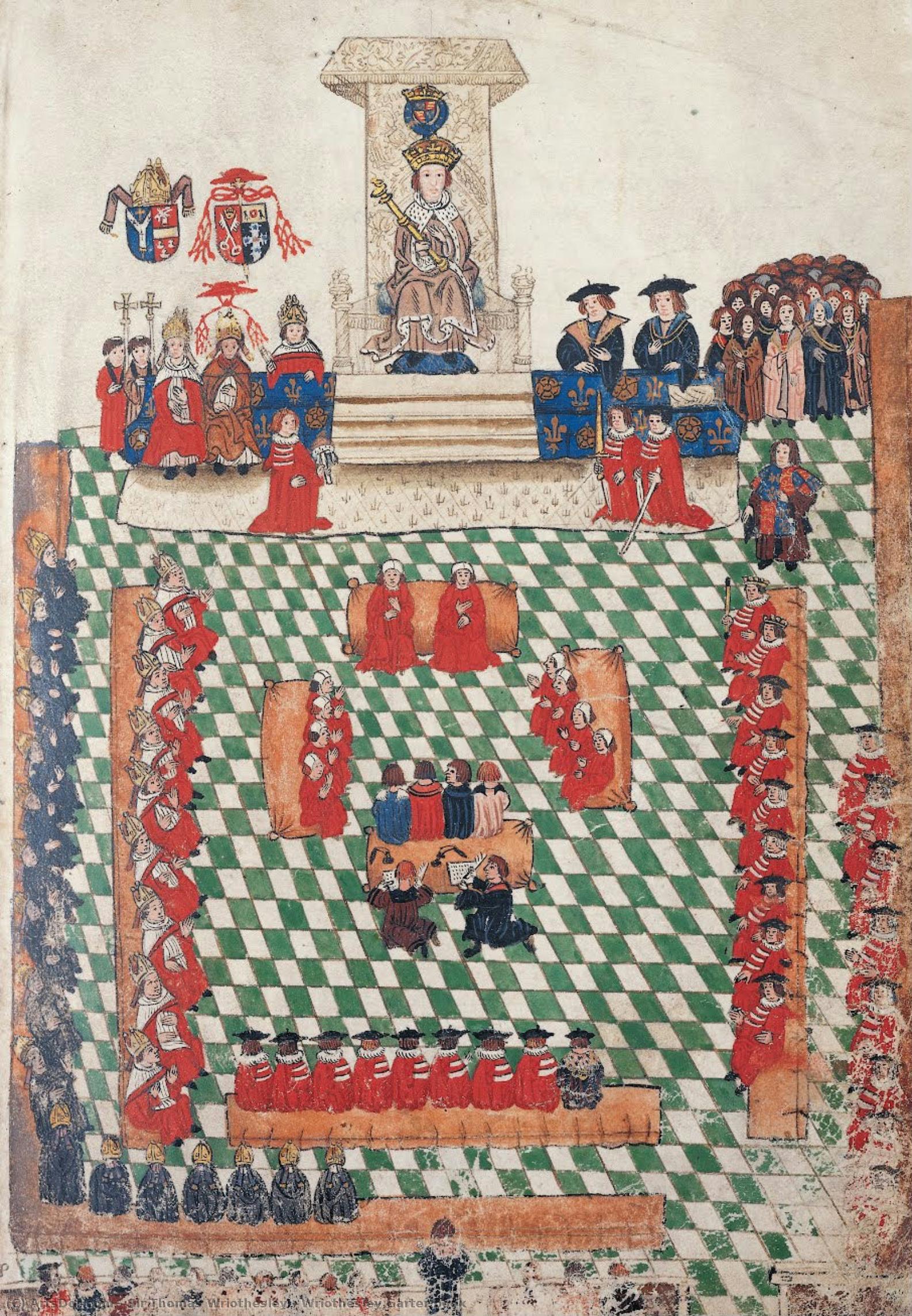
Wriothesley Garter book
 Gold Leaf
- Sculpture
- Renaissance Humanism
 1530
1530- Renaissance
 30.0 x 5.0 cm
 Royal Collection
 Pročitaj više
Kupite digitalnu sliku visoke rezolucije i poboljšanog kvaliteta, koja je znatno superiornija od onoga što vidite u online prikazu.
Svaka datoteka je pedantno pripremljena od strane naših stručnjaka koristeći napredne alate i profesionalnu ručnu retušu. Osiguravamo da svaka slika ima izuzetnu oštrinu, preciznu reprodukciju boja i fine detalje.
Konačna datoteka se dostavlja putem e-pošte u roku od 72 sata, optimizovana za neposrednu upotrebu u profesionalnim, izdavačkim i štamparskim okruženjima. To je isti kvalitet kojem veruju vrhunski studiji dizajna, izdavači i galerije.
Digitalna slika
Preuzmite datoteku visoke rezolucije za ličnu upotrebu, štampanje i kreativne projekte. ( Pređi na štampu Kupi ručno naslikanu sliku)
Uključeno uz svaku porudžbinu digitalne slike
Profesionalna digitalna isporuka, zagarantovana
Kada odaberete ArtsDot.com, ne dobijate samo sliku – vi primate profesionalno unapređeno digitalno umetničko delo, izrađeno sa najvećom preciznošću i uz garanciju zadovoljstva. Evo svega što automatski dolazi uz vašu porudžbinu:

Brza dostava putem e-pošte
Vaša digitalna slika visoke rezolucije biće vam poslata putem e-pošte u roku od 72 sata od poručivanja – spremna za trenutnu upotrebu.

Digitalna datoteka unapređena veštačkom inteligencijom
Vaše umetničko delo je profesionalno optimizovano korišćenjem naprednih AI alata i ručne obrade, čime se osiguravaju maksimalni detalji, oštrina i preciznost boja.

Besplatna ponovna isporuka doživotno
Slučajno ste obrisali ili izgubili svoju datoteku? Ne brinite – poslaćemo vam je ponovo u bilo kom trenutku, potpuno besplatno.

Bez troškova uvoza – zauvek
Uživajte u svojim umetničkim delima trenutno, bez carine, dažbina ili troškova dostave – digitalni download je uvek bez poreza.

Garancija vernosti boja
Uz pomoć profesionalnih alata i upravljanja bojama, osiguravamo da vaša digitalna slika što vernije odražava originalne boje.

Garancija zadovoljstva od 100 dana
Ako niste zadovoljni svojom digitalnom slikom, izvršićemo reviziju ili ćemo vam vratiti 100% novca u roku od 100 dana – bez ikakvih pitanja.

100% garancija povrata novca
Niste zadovoljni? Dobijte puni povraćaj novca u roku od 100 dana od prijema digitalne datoteke – bez suvišnih pitanja.

Popusti na velike porudžbine
Kupite 3 slike, uštedite 10% - Kupite 5 slika, uštedite 15% - Kupite 10+ slika, uštedite 20%. Odlično za kreativne projekte, galerije i agencije.
The Wriothesley Garter Book: A Window Into Tudor Ceremony
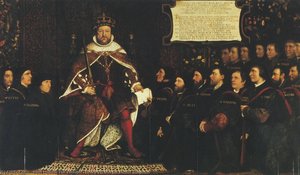
This extraordinary manuscript, RCIN 1047414 housed in the Royal Collection Trust, transcends mere documentation; it’s a vibrant snapshot of Elizabethan England – specifically, the momentous opening of Parliament on April 15th, 1523. More than just an artistic achievement, it represents a pivotal moment in British history and offers unparalleled insight into the opulent rituals that defined Henry VIII's reign.- Subject Matter: The scene depicted is meticulously detailed, capturing the grandeur of Blackfriars Palace where King Henry VIII was enthroned amidst a procession of dignitaries. It’s not simply a portrait of royalty; it’s an elaborate tableau vivant illustrating the complex interplay of power and symbolism within the Tudor court.
- Style: The painting embodies the High Renaissance influence prevalent at the time, characterized by balanced compositions and careful attention to perspective—a deliberate choice reflecting the humanist ideals championed during Henry VIII's era.
- Technique: Executed in vibrant bodycolour pigments overlaid with shimmering gold leaf, the artist employed a masterful blend of fresco technique and meticulous brushwork. This painstaking process ensured that every element – from the regal robes to the ornate heraldic banners – was rendered with exceptional accuracy and luminosity.
A Symbol of Tudor Power and Prestige
The Garter Book’s significance extends far beyond its aesthetic qualities. It served as a tangible representation of Henry VIII's authority, showcasing the Order of the Garter—a prestigious chivalric order established by Edward III in 1348—and symbolizing the king’s dominion over both spiritual and temporal realms. The depiction of the royal family at the centre underscores their central role in shaping national identity and governance. Furthermore, the inclusion of prominent figures like Cardinal Wolsey and Archbishop Warham highlights the influence of religious advisors on policy decisions during this transformative period.- Heraldry: The intricate heraldic emblems adorning the walls—the Garter King of Arms himself prominently displayed—demonstrate the importance of lineage and tradition within Tudor society.
- Clothing: The richly embroidered robes worn by the participants convey status and wealth, reflecting the economic prosperity enjoyed during Henry VIII’s reign and highlighting the visual language of power.
Beyond Decoration: Historical Context and Artistic Legacy
The manuscript's history reveals fascinating connections to later figures like John Churchill, Duke of Marlborough—whose portrait was commissioned in 1702 as a symbol of military triumph—demonstrating the enduring influence of Tudor art on subsequent artistic endeavors. The meticulous documentation of events and individuals underscores the artist’s commitment to preserving historical record while simultaneously elevating it into an aesthetically compelling experience. Its inclusion in the Royal Collection Trust ensures that this remarkable piece continues to inspire admiration for its artistry and illuminate the complexities of Elizabethan England.A Timeless Reflection on Royalty and Ceremony
Ultimately, The Wriothesley Garter Book stands as a testament to the artistic brilliance of its time—a beautifully crafted visual record capturing not only the political landscape but also the spirit of an era defined by ambition, patronage, and unwavering belief in royal authority. Its enduring appeal lies in its ability to transport viewers back to Blackfriars Palace on that fateful April day, allowing them to witness firsthand the splendor and symbolism of Tudor England.Srodna umetnička dela
Biografija umetnika
Sir Thomas Wriothesley: A Tudor Statesman & Patron
Early Life and Education
- Born on December 21, 1505, in London, Sir Thomas Wriothesley was the son of William Wriothesley, York Herald, and Agnes Drayton.
- He received his early education at St Paul's School, London, demonstrating a strong aptitude for learning.
- Wriothesley continued his studies at Trinity Hall, Cambridge, where he focused on law under the tutelage of Stephen Gardiner. This legal foundation would prove crucial to his future career.
Rise to Power & Service to Henry VIII
- Wriothesley’s ascent began under the patronage of Thomas Cromwell, a powerful figure in King Henry VIII's court. He became closely associated with Cromwell and served as a loyal instrument during the English Reformation.
- He held several key positions, including Clerk of the Signet (1524-1534) and Secretary to the Privy Council (1540), steadily gaining influence within the Tudor government.
- As a reward for his service, Wriothesley was granted extensive lands between Southampton and Winchester, confiscated from the dissolved abbeys of Beaulieu and Titchfield.
Key Positions & Political Influence
- Wriothesley’s career reached its zenith with appointments to some of the most important offices in England:
- Lord Chancellor (1543-1547): He oversaw the legal system and administration of justice.
- Lord High Admiral (1542-1550): He commanded the English fleet, a vital role during a period of naval expansion.
Artistic Legacy & Patronage
- Although not an artist himself, Wriothesley’s legacy is visible through his patronage of the arts and architecture.
- Sudeley Castle in the Cotswolds stands as a prime example of his architectural interests. The castle boasts an impressive collection of artworks, including pieces by renowned artists like Paul Nash and Leonardo da Vinci (though ownership history is complex).
- He commissioned works that reflected his status and contributed to the cultural landscape of Tudor England.
Controversies & Later Life
- Wriothesley’s later years were marked by controversy, particularly regarding his involvement in the persecution of Calvinists and other Protestants during a period of religious upheaval.
- He also played a role in the downfall of Anne Boleyn, contributing to her eventual execution – a decision that remains debated by historians.
- Sir Thomas Wriothesley died on July 30, 1550, leaving behind a complex legacy as a powerful and influential figure in Tudor England.
Historical Significance
- Wriothesley was a pivotal figure in the English Reformation, navigating the turbulent religious landscape of his time.
- His administrative skills and political acumen were instrumental in consolidating royal power under Henry VIII.
- As a patron of the arts, he contributed to the flourishing cultural scene of the Tudor period, leaving a lasting mark on England’s artistic heritage.
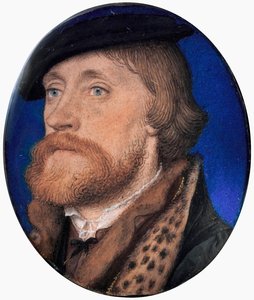
sir thomas wriothesley
1505 - 1550 , United Kingdom
Kratke činjenice
- Birth Date: December 21, 1505
- Birth Place: London, United Kingdom
- Death Date: July 30, 1550
- Influenced By: Thomas Cromwell
- Movement: Tudor period
- Name: Sir Thomas Wriothesley
- Nationality: English
- Notable Works: Wriothesley Garter book