 Pregledaj u prostoru
 Pošalji
 Podeli
 Detalji o delu

 Преузми
 Slični predmeti
 Rendgenski snimak
 Slajdovi
 Statistika
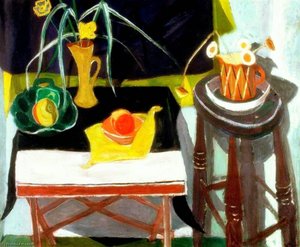
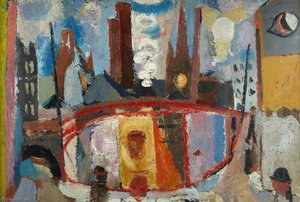
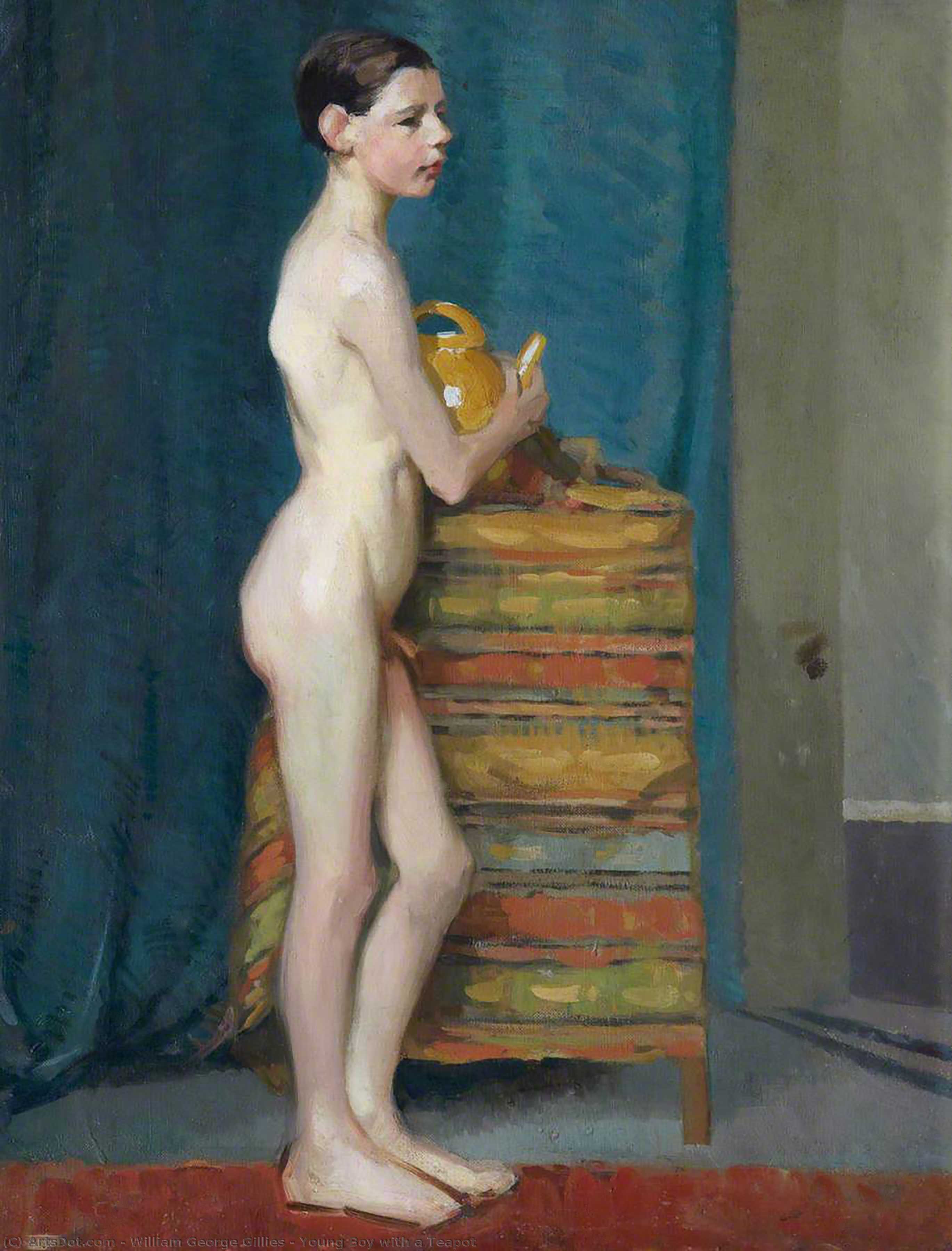
Young Boy with a Teapot
 Oil On Canvas
- WallArt
- Cubist influences
 1922
1922 66.0 x 51.0 cm
 Royal Scottish Academy of Art - Architecture
 Pročitaj više
Ručno rađena uljana reprodukcija
Ručno oslikano uljanim bojama na platnu u dimenzijama i okviru po vašem izboru, izrađeno po porudžbini od strane naših umetnika. ( Pređi na štampu Pređi na digitalnu sliku)




P118B $10

P118H $10

P118W $10

P438Z $10

P508JH $12

P508YH $12

P805H $10

P805Z $10

P919BZ $10

P919G $10

P919XJ $10

P959ZH $10

P968JZ $12

W106C $8

W218G $10

W218JH $8

W218Y $10

W307PJ $10

W316G $10

W316PJ $8

W316Y $10

W398PJ $8

W4111J $10

W500HY $15

W500JH $15

W692G $12

W849H $8

W940BG $15

W953PJ $8




Izaberite jednu od naših unapred definisanih veličina koje odgovaraju originalnim proporcijama umetničkog dela.

Можете унети сопствене димензије како бисте прилагодили дело одређеном оквиру или простору. Ако одабрана величина не одговара пропорцијама оригинала, слика ће бити исечена или проширена додатним елементима који се ручно насликавају. Дигитални prikaz ће вам бити послат на одобрење пре почетка производње.
Имајте на уму да преглед на екрану не одражава стварно исецање или проширење. Само приказ (mockup) ће тачно приказати коначну композицију.
Иако су доступне прилагођене величине, препоручујемо да одаберете димензију из дефинисане листе како бисте сачували оригиналне пропорције.
Nakon narudžbine, tim ArtsDot.com će klijentu putem e-pošte poslati uputstva i dostaviti prikaz predloženog rešenja
Isporuka širom sveta () za 3/4 nedelje umesto uobičajenih 5 nedelja. (13 септембар). Bez kompromisa po pitanju kvaliteta.

Besplatna ekspresna dostava širom sveta

Visokokvalitetno laneno platno

Kompletno osiguranje transporta

Garancija povraćaja carine i uvoznih dažbina

Garancija vernosti boja

Politika povraćaja u roku od 100 dana (isključivo u slučaju nedostataka)

Garancija povrata novca od 100%

Popust pri grupnoj kupovini
 Opcija sa staklom dostupna je samo za dimenzije manje od 110 cm

Young Boy with a Teapot
Tehnika reprodukcije
Dimenzije reprodukcije
-


Konačna cena
$ 263
A Portrait of Quietude: Young Boy with a Teapot by William George Gillies
William George Gillies’ “Young Boy with a Teapot” is not merely a depiction of a child; it's a carefully constructed tableau of domesticity, imbued with a poignant sense of stillness and observation. Painted in 1922, during a period of significant artistic experimentation in Scotland – a time marked by the echoes of Cubism and the burgeoning influence of Paul Klee – this work stands as a testament to Gillies’ ability to distill complex emotion into deceptively simple forms. The painting immediately draws the viewer in with its muted palette, dominated by earthy browns, ochres, and subtle greens, creating an atmosphere of gentle twilight. The boy, positioned slightly off-center, is rendered with remarkable detail – the delicate curve of his cheekbone, the slight furrow of his brow, the way his gaze drifts just beyond the viewer’s line. He isn't actively engaged; he seems lost in a private reverie, a silent witness to the scene unfolding before him.
The Language of Stillness: Style and Technique
Gillies’ style here is characterized by a masterful blend of observation and suggestion. He employs a technique reminiscent of Cézanne – particularly in the careful arrangement of objects within the shallow space – yet infuses it with a distinctly personal touch. The teapot, a vibrant yellow against the muted background, becomes a focal point, not just as an object but as a symbol of warmth and domestic comfort. Gillies’ brushwork is loose and expressive, avoiding sharp outlines in favor of soft transitions and hazy forms. This contributes to the painting's dreamlike quality, blurring the boundaries between reality and memory. The use of light is particularly noteworthy; it’s diffused and indirect, casting long shadows that deepen the sense of quietude and create a feeling of intimacy within the room.
Roots in the Scottish Landscape: Historical Context
To understand “Young Boy with a Teapot,” one must consider Gillies' place within the broader artistic landscape of 1920s Scotland. Following his studies in Paris and Italy, where he embraced Cubist influences, Gillies returned to Edinburgh and established himself as a key figure in the 1922 Group – a collective of artists who sought to forge a distinctly Scottish modernism. This group was deeply influenced by the landscape and traditions of their homeland, yet they were also eager to engage with contemporary European movements. Gillies’ work reflects this duality; it retains a strong connection to the natural world while simultaneously exploring new formal possibilities. The painting's creation coincided with a period of social and political upheaval in Europe, marked by anxieties about modernity and the rapid pace of change – themes that subtly resonate within the quiet contemplation of the boy and his teapot.
Symbolism and Emotional Resonance
Beyond its formal qualities, “Young Boy with a Teapot” is rich in symbolic meaning. The boy himself represents innocence and vulnerability, while the teapot embodies domesticity, comfort, and perhaps even nostalgia. The empty chair suggests absence or solitude – a subtle hint of melancholy that permeates the entire scene. Some art historians have interpreted the painting as an exploration of childhood memory, capturing a fleeting moment of contemplation from a bygone era. The overall effect is profoundly moving; it evokes a sense of quiet beauty and invites the viewer to pause and reflect on the simple pleasures of life. It’s a reminder that even in moments of stillness, there can be a wealth of emotion and meaning.
This reproduction offers an exceptional opportunity to bring Gillies' evocative vision into your home or office. The meticulous detail and vibrant colors faithfully capture the essence of the original painting, making it a stunning addition to any collection.
Srodna umetnička dela
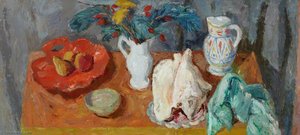
Biografija umetnika
Сэр Вилијам Джордж Гилијс: Живот у шотландској umetnosti
Рани живот и образовање
- Рођен: Хедингтон, Ист Лотиан, Уједињено Краљевство, 1898. године.
- Гилијс је прво уписан на Единбургску колеџ артиса, али су му студије прекинуте службом у Првом светском рату са Краљевским инжењерима.
- Након рата, вратио се да заврши своје образовање на Единбургској колеџ артиса, дипломиравши и након тога поставајући посвећени учитељи тамо премањише 40 година.
Уметнички развој и утицаји
- Гилијсов пут кроз уметност започео је истракивањем кубизма након студија код Андре Лотоа у Паризу (1923) и путовања до Италије (1924).
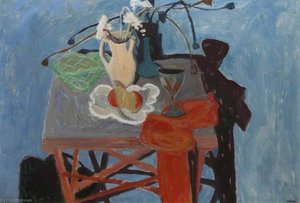
- Рани дела, као што је „Две касе, тањир и воће“ (1933), демонстрирају овај утицај, приказујући композицију инспирисану Сезанманом са умеренм палетом боја Брака и Пикаса.
- Кључни тренутак дошао је 1934. године када је наишао на дела Павла Клеа, што га је инспирисало да усвоји маштаљивије коришћење боја и дечје квалитете у својим композицијама.
- Постепено се одступао од строгг кубизма, развивајући карактеристичан стил корењен у шотландским пейзажним и наменасним традицијама.
Група 1922 и дух сарадње
- Године 1922, Гилијс је задругао „Групу 1922“ са колегом уметницима укључујући Вилијама Крозијера, Вилијама Гајслера и Вилијама МакТагарта.
- Ово изложбено друштво пружило је платформу за појављивање шотландских уметника да покажу свој рад у Ној галерији у Единбургу током деценије.
- Група је подстакла осећај заједнице и иновације у шотландској уметничкој сцени.
Теме и предмет
- Пейзажи: Гилијс је познат по својим приказима Лотиана, Фајфа и Бордер региона Шотландске. Улопио је суштину ових пейзажа осетљивим оком.
- Наменаси: Композиције наменаса биле су још један значајан фокус, често са приказом керамике стварајене од стране његове младије сестре, Еме Смит Гилијс, чија прерано смрт 1936. године дубоко га је погодила.
- Портрети: Иако је експериментисао са портретирањем раније у својој каријери, пейзажи и наменаси постали су његови главни предмети.
Главни достигнући и признање
- Гилијс је радио као директор Единбургске колеџ артиса од 1959. до пензионисања 1966. године.
- Његов плодан излаз и посвећеност учењу имали су дубоки утицај на генерације шотландских живописца.
- Изет је електиран као Краљски академичар (RA), што је значило велико признање у свету уметности.
Историчко значење и наслеђе
- Сэр Вилијам Джордж Гилијс сматра се једним од најважнијих живописца Шотландске 20. века.
- Његов рад мост је између ране модерности и јасно шотландског уметничког идентитета.
- Наслеђе: Његов утицај се протеже изван његових слика, обликујући правцем шотландске уметности кроз своје учење и менторство.
- Умро 1973. године, оставивши за собом богато тело дела које се доцне да слави због своје лепоте, осетљивости и вечног значаја.
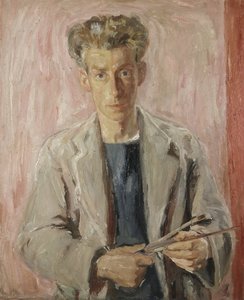
Sir William George Gillies
1898 - 1973 , Ujedinjeno Kraljevstvo
Osnovne informacije
- Birth Date: 1898.
- Birth Place: Haddington, Ujedinjeno Kraljevstvo
- Death Date: 1973.
- Influenced By:
- André Lhote
- Cézanne
- Braque
- Picasso
- Paul Klee
- Movement:
- Kubizam
- Škotski koloristi
- Name: Sir William George Gillies
- Nationality: Škotska
- Notable Works:
- Mali dečak sa čajnikom
- Mediteranski pejzaž sa oblačno nebesom
- Natura – žuta džbanca i pleteni ćebe
- Poreklo Mlečnog puta (nakon Jacopa Tintoretto)
Povezani članci

25 Remek-dela Žorža Seurea: Putovanje kroz Svet Tačizma i Impresionističke Revolucije
Istražite 25 remek-dela Žorža Seurea i uronite u svet tačizma i impresionističke revolucije. Otkrijte priče iza slika, tehnike i inspiraciju ovog francuskog umetnika. Reprodukcije vrhunskog kvaliteta dostupne na ArtsDot.com!
Penry Williams: Evoking Welsh Nostalgia Through Impressionistic Landscapes
Explore the captivating world of Penry Williams (1802-1885), a Welsh artist renowned for his evocative Impressionistic landscapes and scenes of Italy. Discover his life, style & legacy with ArtsDot.
Sir William George Gillies: A Scottish Colourist's Journey Through Landscape & Abstraction
Explore the captivating world of Sir William George Gillies, a leading Scottish Colourist. Discover his journey from Cubism to iconic landscapes & still lifes. Expert insights for collectors and art enthusiasts.

Georges Braque: 25 Remek-dela Kubizma za Inspirisanje Vašeg Doma | ArtsDot
Istražite 25 remek-dela Georges Braquea, pionira kubizma. Otkrijte priče iza slika, tehnike i inspiraciju za dizajn enterijera. Reprodukcije vrhunskog kvaliteta dostupne na ArtsDot.com! Pronađite savršeno umetničko delo online.
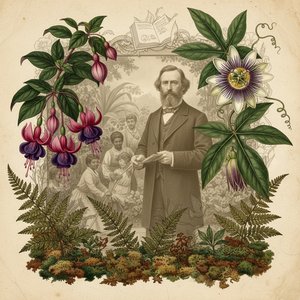
William Salter: A Life Immersed in Colour – Victorian Botanical Art & Social Vision
Explore the life & art of William Salter (1804-1875), a Victorian master renowned for his botanical illustrations and striking portraits. Discover his social vision & legacy at ArtsDot.