

 Pošalji
 Podeli
 Detalji o delu

 Преузми
 Slični predmeti
 Slajdovi
 Statistika
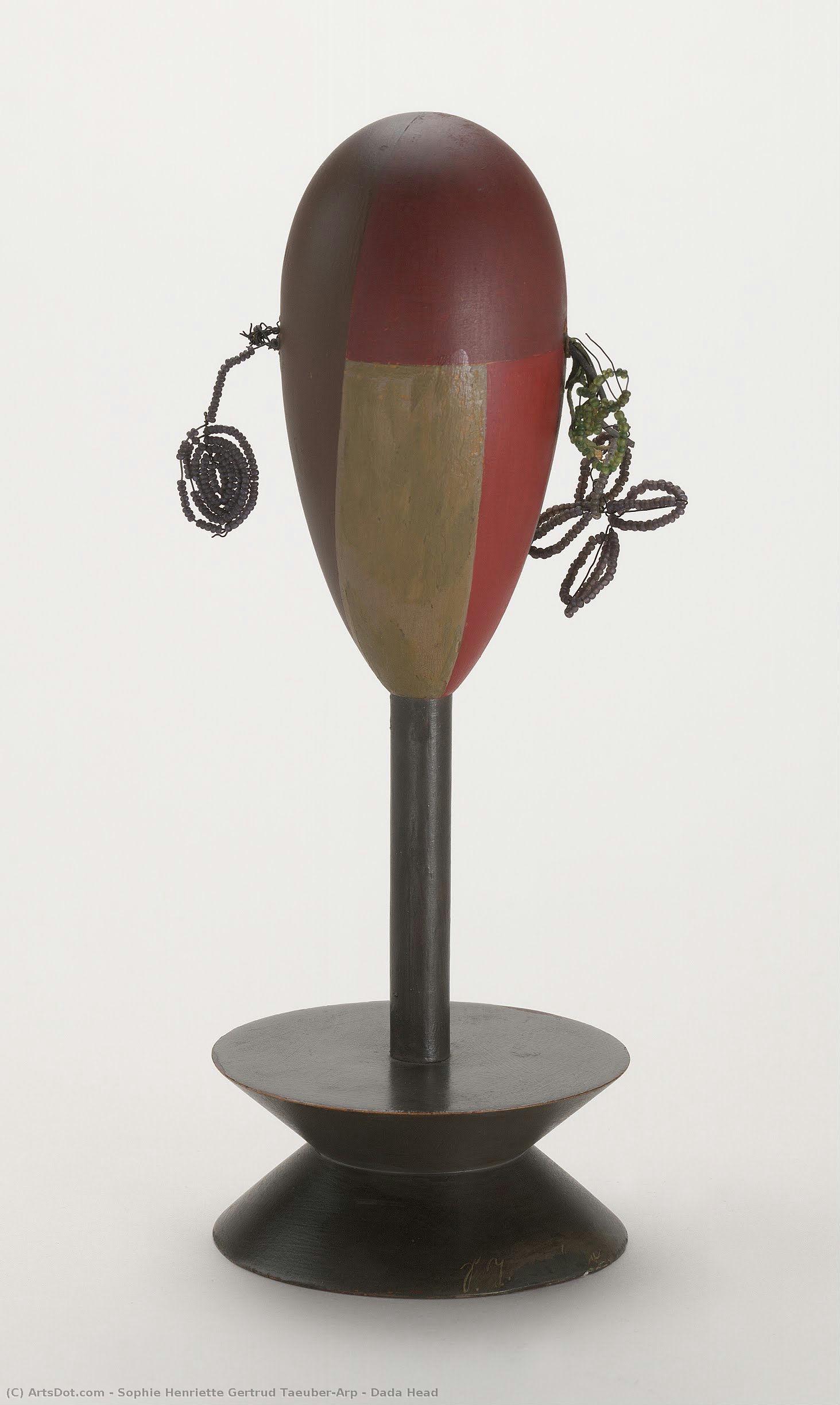
Dada Head


 Pročitaj više
Kupite digitalnu sliku visoke rezolucije i poboljšanog kvaliteta, koja je znatno superiornija od onoga što vidite u online prikazu.
Svaka datoteka je pedantno pripremljena od strane naših stručnjaka koristeći napredne alate i profesionalnu ručnu retušu. Osiguravamo da svaka slika ima izuzetnu oštrinu, preciznu reprodukciju boja i fine detalje.
Konačna datoteka se dostavlja putem e-pošte u roku od 72 sata, optimizovana za neposrednu upotrebu u profesionalnim, izdavačkim i štamparskim okruženjima. To je isti kvalitet kojem veruju vrhunski studiji dizajna, izdavači i galerije.
Digitalna slika
Preuzmite datoteku visoke rezolucije za ličnu upotrebu, štampanje i kreativne projekte. ( Pređi na štampu Kupi ručno naslikanu sliku)
Uključeno uz svaku porudžbinu digitalne slike
Profesionalna digitalna isporuka, zagarantovana
Kada odaberete ArtsDot.com, ne dobijate samo sliku – vi primate profesionalno unapređeno digitalno umetničko delo, izrađeno sa najvećom preciznošću i uz garanciju zadovoljstva. Evo svega što automatski dolazi uz vašu porudžbinu:

Brza dostava putem e-pošte
Vaša digitalna slika visoke rezolucije biće vam poslata putem e-pošte u roku od 72 sata od poručivanja – spremna za trenutnu upotrebu.

Digitalna datoteka unapređena veštačkom inteligencijom
Vaše umetničko delo je profesionalno optimizovano korišćenjem naprednih AI alata i ručne obrade, čime se osiguravaju maksimalni detalji, oštrina i preciznost boja.

Besplatna ponovna isporuka doživotno
Slučajno ste obrisali ili izgubili svoju datoteku? Ne brinite – poslaćemo vam je ponovo u bilo kom trenutku, potpuno besplatno.

Bez troškova uvoza – zauvek
Uživajte u svojim umetničkim delima trenutno, bez carine, dažbina ili troškova dostave – digitalni download je uvek bez poreza.

Garancija vernosti boja
Uz pomoć profesionalnih alata i upravljanja bojama, osiguravamo da vaša digitalna slika što vernije odražava originalne boje.

Garancija zadovoljstva od 100 dana
Ako niste zadovoljni svojom digitalnom slikom, izvršićemo reviziju ili ćemo vam vratiti 100% novca u roku od 100 dana – bez ikakvih pitanja.

100% garancija povrata novca
Niste zadovoljni? Dobijte puni povraćaj novca u roku od 100 dana od prijema digitalne datoteke – bez suvišnih pitanja.

Popusti na velike porudžbine
Kupite 3 slike, uštedite 10% - Kupite 5 slika, uštedite 15% - Kupite 10+ slika, uštedite 20%. Odlično za kreativne projekte, galerije i agencije.
Sophie Taeuber-Arp’s Dada Head: A Fragment of Ritual in Geometric Precision
Sophie Taeuber-Arp’s *Dada Head*, created in 1920, stands as a cornerstone of both Dada and Constructivism—movements that fundamentally questioned artistic conventions during the turbulent years following World War I. More than just a sculpture; it's an embodiment of chance, intuition, and meticulous craftsmanship interwoven into a deceptively simple geometric form.
- Subject Matter & Symbolism: The head itself is deliberately ambiguous, resembling a stylized figure or mannequin rather than a portrait. Its positioning on a circular wooden base evokes imagery of ritualistic practices—particularly those found in African tribal art—suggesting an exploration of primal forms and symbolic representation beyond rational thought. Taeuber-Arp’s intention was to disrupt traditional notions of beauty and identity, mirroring the Dada ethos of rejecting bourgeois values.
- Style & Technique: Taeuber-Arp's distinctive style blends organic shapes with geometric precision—a hallmark of Constructivism. She achieved this through layering paint onto a wooden surface, creating textured areas and sharp edges. The technique involved careful consideration of material and form, reflecting her belief in the transformative power of art.
- Historical Context: Dada emerged as a reaction to the horrors of World War I, rejecting logic and embracing absurdity as tools for critique. Taeuber-Arp’s involvement with the movement aligns her work with broader artistic debates about confronting societal anxieties and challenging established aesthetic standards. The sculpture was conceived during a period marked by significant social upheaval.
- Material & Composition: Constructed from painted wood and adorned with glass beads and textile elements—primarily tassels—the head’s materiality speaks to the influence of craft traditions alongside modernist experimentation. The circular base provides stability and reinforces the vertical orientation of the sculpture, emphasizing its formal structure.
Lighting plays a crucial role in highlighting the textures and colors of *Dada Head*, creating an atmosphere that is both contemplative and visually stimulating. Perspective is relatively flattened, characteristic of representational folk art—a deliberate choice that prioritizes visual impact over realistic depiction. The color palette utilizes vibrant reds, greens, and blacks, contributing to an overall sense of dynamism and expressive intensity.
Considered alongside Taeuber-Arp’s other works – notably *Study for a Marionette (Portrait of H.A.)* – *Dada Head* exemplifies her unwavering commitment to exploring the intersection between chance and control, intuition and intellect. It remains an enduring testament to the transformative potential of art as a vehicle for confronting societal anxieties and redefining aesthetic boundaries.
Srodna umetnička dela




Biografija umetnika
The Architect of Abstraction: The Life and Legacy of Sophie Taeuber-Arp
In the turbulent landscape of early 20th-century modernism, few figures possessed the multidisciplinary vision of Sophie Henriette Gertrud Taeuber-Arp. Born in 1889 in the serene Swiss town of Davos, her journey would eventually lead her to the very heart of the avant-garde revolution. She was not merely a painter or a sculptor; she was a weaver of worlds, an artist who dissolved the boundaries between fine art and functional design. Her life’s work stands as a testament to the power of geometric precision married to the spontaneous energy of the human spirit, creating a visual language that remains strikingly contemporary.
Taeuber-Arp’s artistic foundation was built upon a rigorous dedication to craft. Her early education at the Gewerbeschule in St. Gallen provided her with a profound understanding of textiles and design, a skill set that would later become a cornerstone of her abstract vocabulary. This technical mastery was further refined through her studies at influential German art schools, most notably the Bauhaus. It was here that she absorbed the revolutionary principles of modernism—the idea that art should be integrated into the fabric of daily life. Her marriage to the renowned artist Jean Arp in 1922 did more than unite two souls; it forged a creative partnership that would propel her into the epicenter of the Dada movement.
A Rebellion in Form: Dada and the Geometric Spirit
When the shadows of World War I descended upon Europe, Taeuber-Arp found herself part of the radical Dadaist circle in Cologne. While many associated Dada with chaos and nihilism, Sophie brought a unique structural discipline to its rebellion. She embraced the movement's anti-rationalist ethos, yet she infused it with a meticulous sense of composition. Her iconic “Dada Head” serves as a breathtaking example of this duality; by utilizing assemblage techniques involving geometric shapes and textile fragments, she rejected traditional sculptural norms in favor of a new, fragmented reality that mirrored the fractured world around her.
As her career progressed, her work transitioned from the provocative spontaneity of Dada toward the structured elegance of Constructivism and Concrete Art. This evolution is beautifully captured in her various masterpieces:
- Schematic Composition (1933): A vibrant oil on board that demonstrates her ability to use color and geometry to create a sense of playful, rhythmic movement.
- Composition of Circles and Overlapping Angles (1930): An iconic exploration of how geometric precision can evoke organic, fluid energy within a Constructivist framework.
- Shells and Flowers (1938): A delicate paper cut that showcases her mastery of minimalism, using radial design and stark contrast to find beauty in the simplest of forms.
The Enduring Resonance of a Visionary
The historical significance of Sophie Taeuber-Arp lies in her refusal to be confined by medium or label. She moved seamlessly between the tactile world of textile design, the structural demands of furniture creation, and the ethereal realms of dance and painting. Her ability to blend organic forms with mathematical precision allowed her to bridge the gap between the natural world and the industrial age. She did not just observe the changing tides of modernism; she helped direct them.
Though her life was tragically cut short in 1943, her influence continues to ripple through the history of abstract art. Today, we recognize her as a pioneer who saw the potential for profound beauty in the grid, the circle, and the line. Her legacy is found in every modern design that seeks harmony between function and aesthetic, reminding us that true innovation often requires the courage to break old forms to build entirely new ones.

sophie henriette gertrud taeuber-arp
1889 - 1943 , Switzerland
Kratke činjenice
- Artistic Movement Or Style: Dada, Constructivism & Concrete Art
- Artists Or Movements Influenced By This Artist: ['Vienna Exhibition']
- Artists Who Influenced This Artist: ['Jean Arp']
- Date Of Birth: 19 January 1889
- Date Of Death: 13 January 1943
- Full Name: Sophie Henriette Gertrud Taeuber-Arp
- Nationality: Swiss
- Notable Artworks:
- Dada Head
- Plate (folio 24)
- Sophie Taeuber-Arp
- Place Of Birth: Davos, Switzerland