- Početna strana

- Reprodukcija uljane slike
- Stanisław Józef Wiśniowski, Stanisław Wiśniowski (1897–1940), Stanisław Wiśniowski (1897–1914)

 Pregledaj u prostoru
 Pošalji
 Podeli
 Detalji o delu

 Преузми
 Slični predmeti
 Rendgenski snimak
 Slajdovi
 Statistika
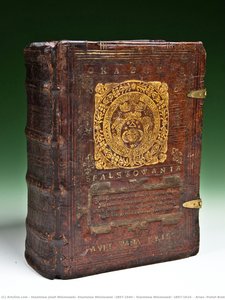
Arian (Polish Brethren) Explanation of Jesus Christ


 Pročitaj više
Ručno rađena uljana reprodukcija
Ručno oslikano uljanim bojama na platnu u dimenzijama i okviru po vašem izboru, izrađeno po porudžbini od strane naših umetnika. ( Pređi na štampu Pređi na digitalnu sliku)




































Izaberite jednu od naših unapred definisanih veličina koje odgovaraju originalnim proporcijama umetničkog dela.

Можете унети сопствене димензије како бисте прилагодили дело одређеном оквиру или простору. Ако одабрана величина не одговара пропорцијама оригинала, слика ће бити исечена или проширена додатним елементима који се ручно насликавају. Дигитални prikaz ће вам бити послат на одобрење пре почетка производње.
Имајте на уму да преглед на екрану не одражава стварно исецање или проширење. Само приказ (mockup) ће тачно приказати коначну композицију.
Иако су доступне прилагођене величине, препоручујемо да одаберете димензију из дефинисане листе како бисте сачували оригиналне пропорције.
Nakon narudžbine, tim ArtsDot.com će klijentu putem e-pošte poslati uputstva i dostaviti prikaz predloženog rešenja
Isporuka širom sveta () za 3/4 nedelje umesto uobičajenih 5 nedelja. (16 септембар). Bez kompromisa po pitanju kvaliteta.

Besplatna ekspresna dostava širom sveta

Visokokvalitetno laneno platno

Kompletno osiguranje transporta

Garancija povraćaja carine i uvoznih dažbina

Garancija vernosti boja

Politika povraćaja u roku od 100 dana (isključivo u slučaju nedostataka)

Garancija povrata novca od 100%

Popust pri grupnoj kupovini
 Opcija sa staklom dostupna je samo za dimenzije manje od 110 cm

Arian (Polish Brethren) Explanation of Jesus Christ
Tehnika reprodukcije
Dimenzije reprodukcije
-


Konačna cena
$ 263
Srodna umetnička dela









Biografija umetnika
The Enigmatic World of Stanisław Wiśniowski
Stanisław Wiśniowski, a name resonating with quiet intensity in the annals of Polish art, presents a fascinating study in artistic evolution and resilience. Born in 1897, his life unfolded against a backdrop of immense political and social upheaval – from the waning days of the Austro-Hungarian Empire through both World Wars and into the nascent years of Communist Poland. While biographical details remain somewhat fragmented, obscured by the turbulence of the times, what *does* emerge is a portrait of an artist deeply connected to his homeland, profoundly influenced by its folklore and landscapes, yet striving for a distinctly modern visual language. His early life was steeped in the traditions of rural Poland; this formative period would become a recurring motif throughout his oeuvre, not as simple pastoral depictions but as symbolic explorations of national identity and collective memory. The Wiśniowski family possessed modest means, fostering an environment where resourcefulness and observation were valued – qualities that undoubtedly shaped Stanisław’s artistic approach. He received formal training at the Kraków Academy of Fine Arts, a prestigious institution known for its emphasis on realism and historical painting, but quickly gravitated towards more experimental forms, absorbing influences from Symbolism and early Expressionism.From Folklore to Modernity: Artistic Development
Wiśniowski's initial works demonstrate a clear fascination with Polish folk art – particularly the vibrant colors and stylized figures of traditional woodcuts and painted furniture. However, he wasn’t interested in mere replication; instead, he sought to distill the *essence* of this aesthetic, stripping it down to its core elements and reassembling them within a contemporary framework. This period saw him experimenting with flattened perspectives, bold outlines, and a deliberately naive quality that belied a sophisticated understanding of composition and color theory.- Early Influences: Polish folk art, Symbolism, Expressionism.
- Key Characteristics (early period): Flattened perspectives, bold outlines, naive style, vibrant colors.
- Recurring Themes: Rural life, peasant figures, national identity, folklore motifs.
Major Achievements and Artistic Style
While Wiśniowski never achieved widespread international recognition during his lifetime, he became a respected figure within Polish artistic circles. His most significant achievement lies in the creation of a uniquely personal style that managed to reconcile seemingly disparate influences. He developed a distinctive visual vocabulary characterized by:- Stylistic Features: Fragmented forms, dynamic compositions, symbolic use of color, psychological intensity.
- Dominant Palette: Earth tones juxtaposed with vibrant blues and reds; often employing a limited but impactful range of colors.
- Key Subjects: Landscapes imbued with emotional resonance, portraits reflecting the inner lives of his subjects, allegorical scenes exploring themes of loss and resilience.