

 Pregledaj u prostoru
 Pošalji
 Podeli
 Detalji o delu

 Преузми
 Slični predmeti
 Rendgenski snimak
 Slajdovi
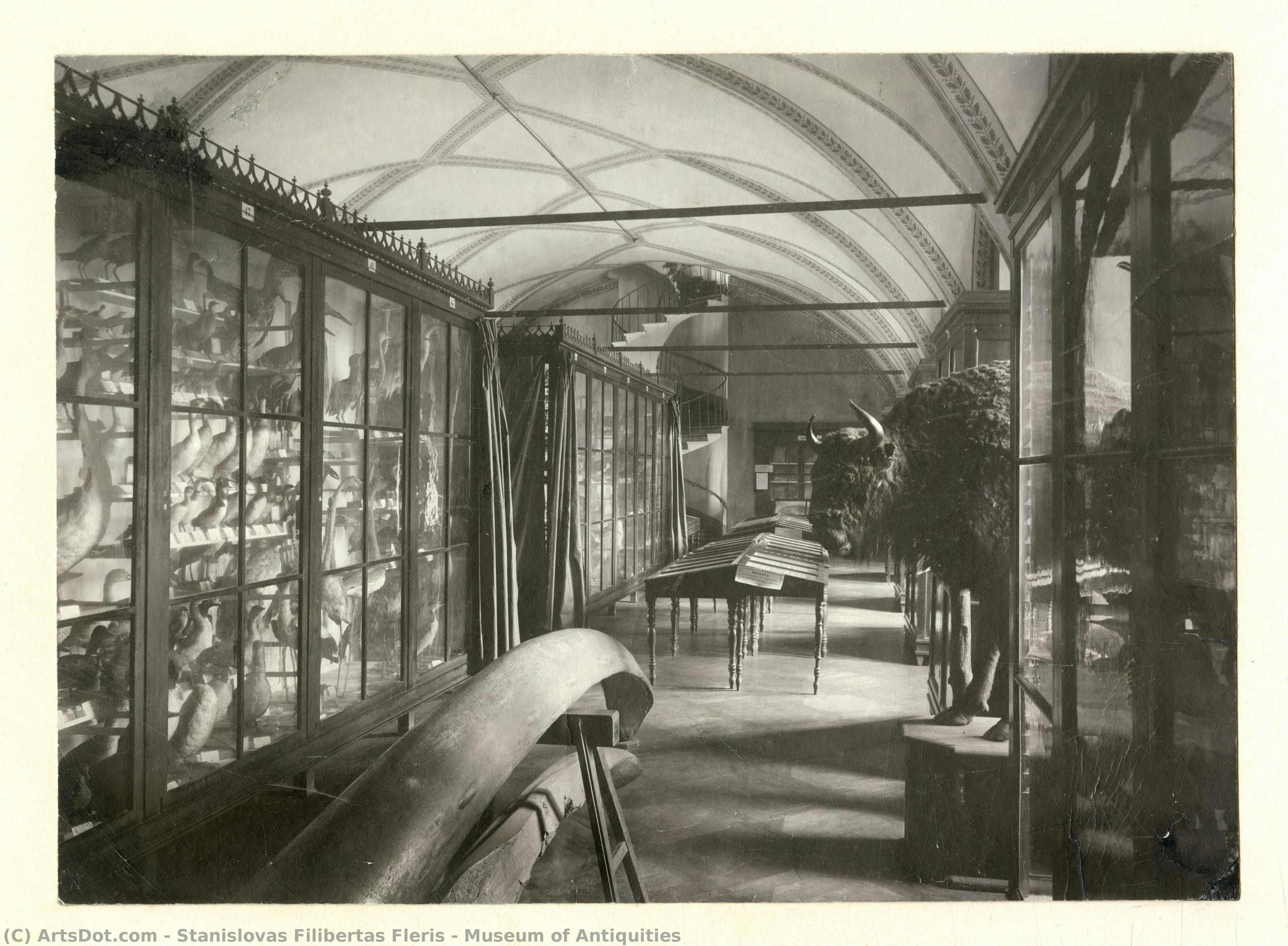
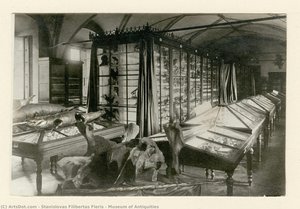
Museum of Antiquities


 Pročitaj više
Giclee štampa / Umetnički otisak
Giclée štampa ili print na platnu muzejskog kvaliteta uz brzu proizvodnju i fleksibilne opcije završne obrade. ( Kupi ručno naslikanu sliku Kupi digitalnu sliku)




































Izaberite jednu od naših unapred definisanih veličina koje odgovaraju originalnim proporcijama umetničkog dela.

Možete uneti sopstvene dimenzije kako biste umetničko delo prilagodili specifičnom okviru ili prostoru. Ako odabrani format ne odgovara proporcijama originalne slike, mi ćemo ili iscrtati deo dela ili proširiti sliku pomoću ogledane ivice ili jednobojnog popunjavanja. Digitalni prikaz će vam biti poslat na odobrenje pre početka proizvodnje.
Imajte na umu da pregled na ekranu ne odražava stvarno iscrtavanje ili proširivanje. Samo će prikaz (mockup) precizno pokazati finalnu kompoziciju.
Iako su prilagođene dimenzije dostupne, preporučujemo da odaberete dimenziju sa unapred definisane liste kako biste očuvali originalne proporcije.
Dostava širom sveta () za 2 nedelje umesto uobičajenih 4/5 nedelja. (1 септембар)

Besplatna ekspresna dostava širom sveta

Visokokvalitetno laneno platno

Kompletno osiguranje transporta

Garancija povraćaja carine i uvoznih dažbina

Garancija vernosti boja

Politika povrata u roku od 60 dana (samo u slučaju nedostataka)

Garancija povrata novca od 100%

Popust pri grupnoj kupovini
 Opcija sa staklom dostupna je samo za dimenzije manje od 110 cm

Museum of Antiquities
Giclee štampa / Umetnički otisak
Dimenzije reprodukcije
-


Konačna cena
$ 62
Srodna umetnička dela




Biografija umetnika
A Visionary of Light and Lens: The Life of Stanislovas Filibertas Fleris
In the twilight of the nineteenth century, as the borders of Eastern Europe pulsed with cultural transformation, a singular talent emerged from the landscapes near Vilnius to capture the very soul of a changing era. Stanislovas Filibertas Fleris, known also by his Polish name Stanisław Filibert Fleury, was far more than a mere chronicler of scenery; he was a pioneer who bridged the gap between the traditional fine arts and the burgeoning magic of modern technology. Born in 1858, Fleris possessed an innate ability to perceive the world through two distinct yet harmonious lenses: the delicate, expressive brushstroke of a painter and the precise, capturing eye of a photographer. His journey began with formal training at the Vilnius drawing school between 1874 and 1878, where he mastered the foundational elements of composition and light that would later define his multifaceted career.
The essence of Fleris’s artistry lay in his profound connection to his homeland. His early works, rooted in meticulous pen drawings and watercolors, served as a love letter to the architectural grandeur and natural serenity of Vilnius. As he matured, his style began to absorb the rhythmic elegance of the Art Nouveau movement, characterized by organic motifs and flowing lines that lent a lyrical, almost dreamlike quality to his landscapes. Yet, even as he embraced these decorative flourishes, he remained anchored in a deep realism. This duality allowed him to document the historical weight of Vilnius's vistas while simultaneously infusing them with a modern, stylistic vitality that resonated with the artistic sensibilities of Europe.
The Convergence of Painting and Photography
Perhaps the most remarkable chapter of Fleris’s life was his role as a pioneer of stereoscopic photography. Recognizing the transformative potential of the camera, he sought formal instruction from Alexander Strauss, a move that would forever alter his creative trajectory. By 1884, he had established his own photo studio in Vilnius, which he would eventually lead as owner for decades. Through this medium, Fleris did not merely take pictures; he constructed immersive experiences. His work with stereoscopic images—which provided a sense of three-dimensional depth—allowed viewers to step into the streets, markets, and fairs of Vilnius as if they were walking through them personally.
His photographic repertoire was incredibly diverse, ranging from the intimate to the monumental:
- Urban Chronicles: He captured the bustling energy of St. Casimir's Fair in Lukiškės Square and the quiet dignity of architectural monuments.
- Scientific and Cultural Documentation: Fleris utilized his lens to document scientific specimens, including taxidermy exhibits at the Museum of Antiquities, and even illustrated historical books.
- Portraiture: His ability to capture human character is evidenced by his portraits of notable figures, including the legendary Lithuanian painter Mikalojus Konstantinas Čiurlionis.
- Artistic Experimentation: In a beautiful display of his multidisciplinary nature, he often applied watercolor washes directly onto his photographs, blurring the boundary between mechanical reproduction and fine art.
Legacy of a Multidisciplinary Master
Beyond the canvas and the darkroom, Fleris was an entrepreneur and a contributor to the industrial fabric of his time. In 1904, he founded Lithuania's first zinc company, demonstrating a technical curiosity that extended into the realm of manufacturing and lithography. This spirit of innovation—the drive to create something new from raw materials—was present in everything he touched, from his "live paintings" used for hall decorations to his production of the first zinc printing plates in the region.
As a member of the Vilnius Art Society from 1908, Fleris helped foster a community of creators, ensuring that the artistic pulse of the city remained strong through numerous exhibitions. Though he passed away in Vilnius in 1915, his legacy remains etched in the visual history of Lithuania and Poland. He left behind a dual heritage: a collection of paintings that celebrate the romanticism of the landscape, and a photographic archive that serves as an irreplaceable window into a vanished world. To look upon the work of Stanislovas Filibertas Fleris is to witness the birth of a modern visual language, where the precision of science meets the passion of art.
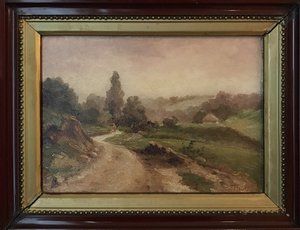
stanislovas filibertas fleris
1858 - 1915 , Lithuania
Osnovne informacije
- Artistic Movement Or Style: Art Nouveau
- Artists Or Movements Influenced By This Artist: ['Lithuanian Art']
- Artists Who Influenced This Artist: ['Alexander Strauss']
- Date Of Birth: August 22, 1858
- Full Name: Stanislavas Filibertas Fleris
- Nationality: Polish
- Notable Artworks: ['Museum of Antiquities']
- Place Of Birth: Near Vilnius, Lithuania

