

 Pregledaj u prostoru
 Pošalji
 Podeli
 Detalji o delu

 Преузми
 Slični predmeti
 Rendgenski snimak
 Slajdovi
 Statistika
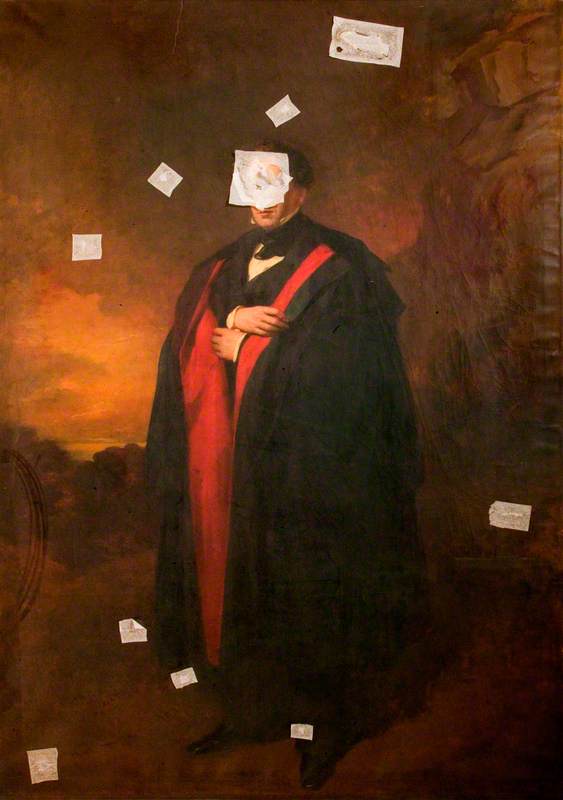
Arthur Hill Trevor (1798–1862), 3rd Viscount Dungannon
 1856
1856 244.0 x 165.0 cm
 Pročitaj više
Giclee štampa / Umetnički otisak
Giclée štampa ili print na platnu muzejskog kvaliteta uz brzu proizvodnju i fleksibilne opcije završne obrade. ( Kupi ručno naslikanu sliku Pređi na digitalnu sliku)




































Izaberite jednu od naših unapred definisanih veličina koje odgovaraju originalnim proporcijama umetničkog dela.

Možete uneti sopstvene dimenzije kako biste umetničko delo prilagodili specifičnom okviru ili prostoru. Ako odabrani format ne odgovara proporcijama originalne slike, mi ćemo ili iscrtati deo dela ili proširiti sliku pomoću ogledane ivice ili jednobojnog popunjavanja. Digitalni prikaz će vam biti poslat na odobrenje pre početka proizvodnje.
Imajte na umu da pregled na ekranu ne odražava stvarno iscrtavanje ili proširivanje. Samo će prikaz (mockup) precizno pokazati finalnu kompoziciju.
Iako su prilagođene dimenzije dostupne, preporučujemo da odaberete dimenziju sa unapred definisane liste kako biste očuvali originalne proporcije.
Dostava širom sveta () za 2 nedelje umesto uobičajenih 4/5 nedelja. (9 септембар)

Besplatna ekspresna dostava širom sveta

Visokokvalitetno laneno platno

Kompletno osiguranje transporta

Garancija povraćaja carine i uvoznih dažbina

Garancija vernosti boja

Politika povraćaja u roku od 100 dana (isključivo u slučaju nedostataka)

Garancija povrata novca od 100%

Popust pri grupnoj kupovini
 Opcija sa staklom dostupna je samo za dimenzije manje od 110 cm

Arthur Hill Trevor (1798–1862), 3rd Viscount Dungannon
Giclee štampa / Umetnički otisak
Dimenzije reprodukcije
-


Konačna cena
$ 62
Srodna umetnička dela










Biografija umetnika
Stephen Catterson Smith: The Portraitist of Victorian Ireland
Stephen Catterson Smith, a name perhaps less familiar than those of his contemporaries, nevertheless stands as a pivotal figure in the artistic landscape of 19th-century Ireland. Born in Skipton, Yorkshire, in 1806, into an artist’s family – his father, Joseph Smith, was a skilled coach painter – Smith's journey led him from the workshops of London to the vibrant and evolving world of Dublin portraiture. His career spanned nearly four decades, during which he cultivated a distinctive style and secured a place as one of Ireland’s most respected artists, particularly renowned for his ability to capture the likenesses of royalty, nobility, and prominent figures of the era.
Smith's early artistic training laid the foundation for his future success. He entered the schools of the Royal Academy in London at the age of sixteen, a significant achievement demonstrating his prodigious talent. He honed his skills in drawing black chalk portraits, a technique he quickly mastered and which would become a hallmark of his work. These preliminary sketches, often published as lithographs by Richard James Lane, gained him early recognition and established his reputation for meticulous detail and accurate representation. This focus on precise draughtsmanship would inform his later, more ambitious portrait commissions.
The Move to Ireland and the Rise to Prominence
A pivotal moment in Smith’s career arrived around 1840 when he accepted several commissions to paint portraits in Ireland. He initially settled in Derry, Northern Ireland, before relocating to Dublin, where he established a permanent studio and quickly ascended to become the leading portrait painter of the day. This move coincided with a period of significant social and political change in Ireland, and Smith’s ability to capture the personalities and status of his subjects proved highly sought after by the Irish elite. He was soon appointed Portrait Painter to the Lord Lieutenant, a prestigious position he held for nearly thirty years, documenting the reigns of numerous viceroys and solidifying his influence within Irish society.
Smith’s style evolved over time, reflecting both the influences of his training in London and the specific demands of his Irish clientele. Initially, his portraits adhered to a more formal, classical approach, reminiscent of Sir Thomas Lawrence, emphasizing regal bearing and dignified presentation. However, as he matured as an artist, he developed a greater sensitivity to capturing individual character and emotion. His portraits of women, in particular, are often praised for their lively charm and subtle psychological insights. He was particularly adept at portraying the nuances of personality, moving beyond mere likeness to convey a sense of inner life.
Royal Patronage and Artistic Achievements
Smith’s career reached its zenith during the reign of Queen Victoria. In 1854, he received a momentous commission – to paint a full-length portrait of the Queen herself for the corporation of Dublin. This monumental work, now housed in the National Gallery of Ireland, stands as a testament to his skill and ambition. Beyond this singular achievement, Smith’s portraits adorned the walls of numerous grand houses throughout Ireland, documenting the lives and achievements of prominent figures including all the Lord Lieutenants of Ireland for three decades. His work was frequently engraved, ensuring its widespread dissemination and solidifying his legacy within the art world.
Furthermore, Smith's election as an associate member of the Royal Hibernian Academy in 1844 and a full member in 1845 underscored his recognition by the artistic community. He was later elected president of the RHA in 1859, demonstrating his leadership role within Irish art. His influence extended beyond portraiture; he served as Director of the National Gallery of Ireland from 1868 until his death in 1872, playing a crucial role in shaping the institution’s collection and programming.
Legacy and Influence
Stephen Catterson Smith's legacy is one of quiet distinction. While he may not be as widely celebrated as some of his contemporaries, his portraits offer invaluable insights into Victorian Ireland – its social hierarchy, political landscape, and artistic sensibilities. His meticulous technique, combined with a keen eye for character, produced works that are both historically significant and aesthetically pleasing. Smith’s influence can still be felt today, not only in the surviving portraits themselves but also in the broader context of Irish art history, where he stands as a key figure in the development of portraiture during a period of profound transformation.
stephen catterson smith
1806 - 1872
Osnovne informacije
- Artistic Movement Or Style: Portraiture
- Artists Or Movements Influenced By This Artist: ['Royal Hibernian Academy']
- Artists Who Influenced This Artist: ['Sir Thomas Lawrence']
- Date Of Birth: March 12, 1806
- Date Of Death: May 30, 1872
- Full Name: Stephen Catterson Smith
- Nationality: English-Irish
- Notable Artworks:
- Queen Victoria portrait
- Major Cust portrait
- Place Of Birth: Skipton, England