

 Pregledaj u prostoru
 Pošalji
 Podeli
 Detalji o delu

 Преузми
 Slični predmeti
 Rendgenski snimak
 Slajdovi
 Statistika
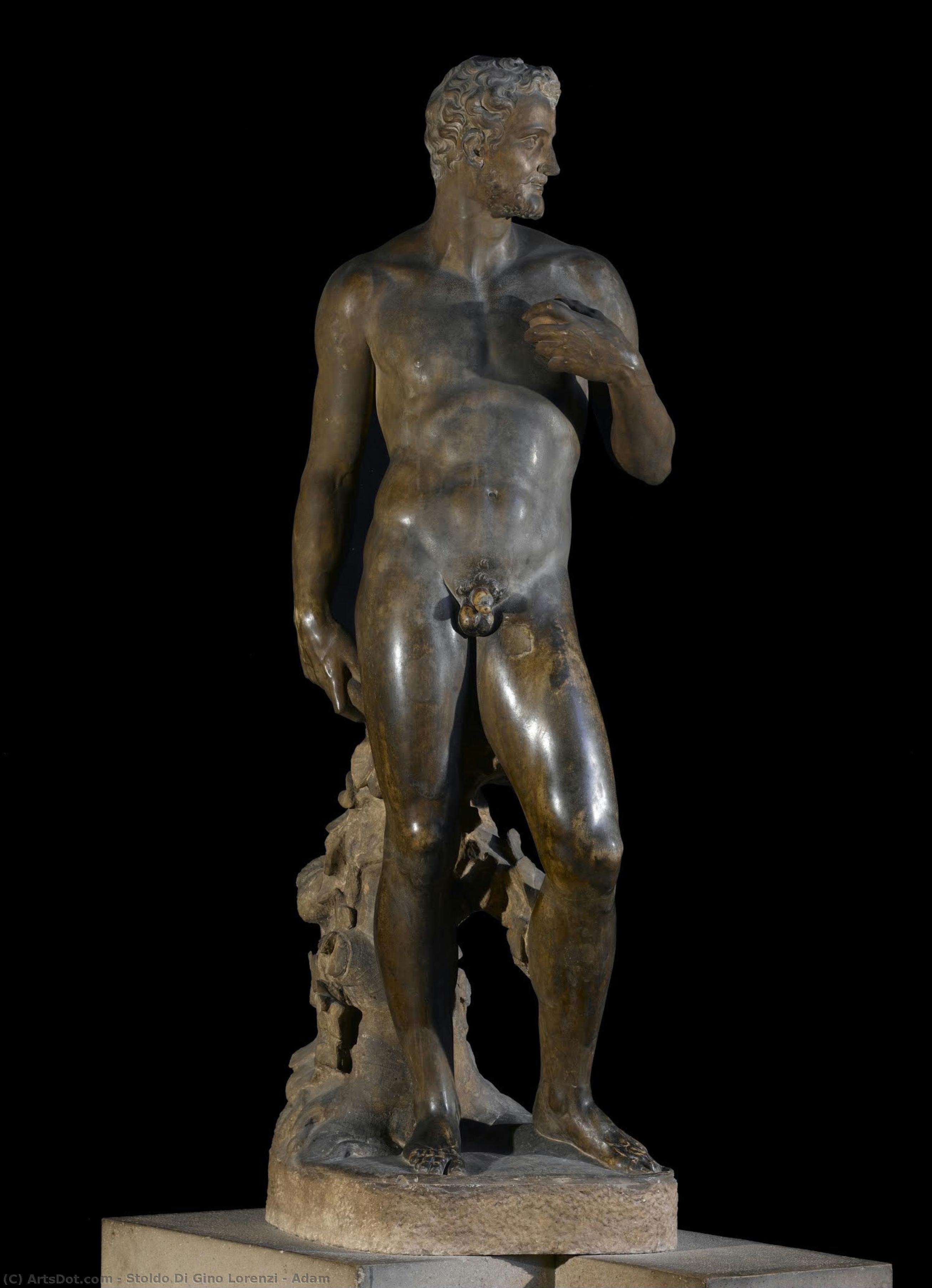
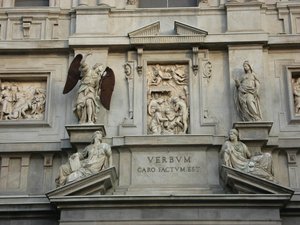
Adam
 1575
1575 175.0 x 56.0 cm
 Sforza Castle
 Pročitaj više
Giclee štampa / Umetnički otisak
Giclée štampa ili print na platnu muzejskog kvaliteta uz brzu proizvodnju i fleksibilne opcije završne obrade. ( Kupi ručno naslikanu sliku Pređi na digitalnu sliku)




































Izaberite jednu od naših unapred definisanih veličina koje odgovaraju originalnim proporcijama umetničkog dela.

Možete uneti sopstvene dimenzije kako biste umetničko delo prilagodili specifičnom okviru ili prostoru. Ako odabrani format ne odgovara proporcijama originalne slike, mi ćemo ili iscrtati deo dela ili proširiti sliku pomoću ogledane ivice ili jednobojnog popunjavanja. Digitalni prikaz će vam biti poslat na odobrenje pre početka proizvodnje.
Imajte na umu da pregled na ekranu ne odražava stvarno iscrtavanje ili proširivanje. Samo će prikaz (mockup) precizno pokazati finalnu kompoziciju.
Iako su prilagođene dimenzije dostupne, preporučujemo da odaberete dimenziju sa unapred definisane liste kako biste očuvali originalne proporcije.
Dostava širom sveta () za 2 nedelje umesto uobičajenih 4/5 nedelja. (8 септембар)

Besplatna ekspresna dostava širom sveta

Visokokvalitetno laneno platno

Kompletno osiguranje transporta

Garancija povraćaja carine i uvoznih dažbina

Garancija vernosti boja

Politika povraćaja u roku od 100 dana (isključivo u slučaju nedostataka)

Garancija povrata novca od 100%

Popust pri grupnoj kupovini
 Opcija sa staklom dostupna je samo za dimenzije manje od 110 cm

Adam
Giclee štampa / Umetnički otisak
Dimenzije reprodukcije
-


Konačna cena
$ 62
Srodna umetnička dela







Biografija umetnika
The Sculptor of Florentine Elegance
In the heart of Tuscany, where the rolling hills of Settignano meet the intellectual fervor of Florence, the life of Stoldo di Gino Lorenzi began to unfold. Born in 1534 into a lineage of skilled stone-carvers known as scalpellini, Lorenzi was destined for a life shaped by the tactile reality of marble and bronze. As the son of Gino Lorenzi, he was immersed from infancy in the traditions of craftsmanship, yet his spirit possessed an ambition that reached far beyond the workshop floor. While his roots were firmly planted in the rugged art of masonry, his early training under the painter Michele Tosini infused his work with a delicate, linear grace that would later become a hallmark of his Mannerist style.
Lorenzi’s artistic evolution was a masterful synthesis of diverse disciplines. Though he initially harbored dreams of becoming a painter, it was through his apprenticeship under the renowned sculptor Niccolò Tribolo that his true vocation emerged. This transition from the brush to the chisel allowed him to marry the fluid, rhythmic compositions of painting with the profound physical presence of sculpture. Influenced by the monumental genius of Giambologna and the structural elegance of Tribolo, Lorenzi developed a technique capable of breathing life into cold metal and stone, capturing the tension, movement, and artifice that defined the late Renaissance.
Mastery in Bronze and Marble
The repertoire of Stoldo di Gino Lorenzi is a testament to his versatility and his ability to navigate the complex demands of both religious and secular patronage. He was particularly celebrated for his mastery of bronze, a medium that allowed him to explore the intricate textures and dramatic silhouettes characteristic of Mannerism. His works often possess an ethereal quality, where the weight of the material seems to vanish beneath the elegance of the form.
Among his most enduring legacies are the monumental contributions he made to the public spaces of Tuscany:
- The Neptune Fountain (Fontana di Nettuno): Located in the breathtaking Boboli Gardens, this work stands as a triumph of sculptural storytelling, showcasing his ability to command large-scale compositions.
- The Annunciation: A profound religious work situated in Santa Maria della Spina, Pisa, which demonstrates his capacity for spiritual intimacy and delicate detail.
- The Studiolo of Francesco I: His participation in this prestigious project at the Palazzo Vecchio allowed him to showcase mythological mastery through pieces such as the bronze Galatea and the exquisite statuette of Amphitrite.
Beyond these grand monuments, Lorenzi’s skill extended to the intimate scale of portraiture and devotional objects. His Bust of Nicolo Piccinino serves as a captivating window into the 16th century, capturing the psychological depth and social prestige of the era through the enduring medium of marble.
A Legacy Carved in History
The influence of Stoldo di Gino Lorenzi extended well beyond the borders of Florence. As his reputation grew, so did his reach, leading him to Milan, where he contributed to the architectural and sculptural splendor of the façade of Santa Maria presso San Celso. This movement of artists between the great centers of Italy helped facilitate the diffusion of the Mannerist style, ensuring that the sophisticated aesthetic of the Florentine court reached a wider European audience.
Lorenzi’s career was not merely a personal journey of skill but a reflection of the broader humanist movement, where the boundaries between different artistic crafts were constantly being blurred. He remains a pivotal figure in the transition from the balanced harmony of the High Renaissance to the more complex, emotive, and stylized world of Mannerism. Though his life ended in Pisa after 1583, the echoes of his chisel remain visible in the gardens, cathedrals, and museums of Italy, preserving a moment in time when sculpture reached new heights of poetic expression.
stoldo di gino lorenzi
1534 - 1583 , Italy
Osnovne informacije
- Artistic Movement Or Style: Mannerist
- Artists Who Influenced This Artist:
- Giambologna
- Niccolò Tribolo
- Date Of Birth: 1534
- Full Name: Stoldo di Gino Lorenzi
- Nationality: Italian
- Notable Artworks:
- Annunciation in Santa Maria della Spina
- Neptune Fountain
- Galatea
- Place Of Birth: Settignano, Italy