

 Pošalji
 Podeli
 Detalji o delu

 Преузми
 Slični predmeti
 Slajdovi
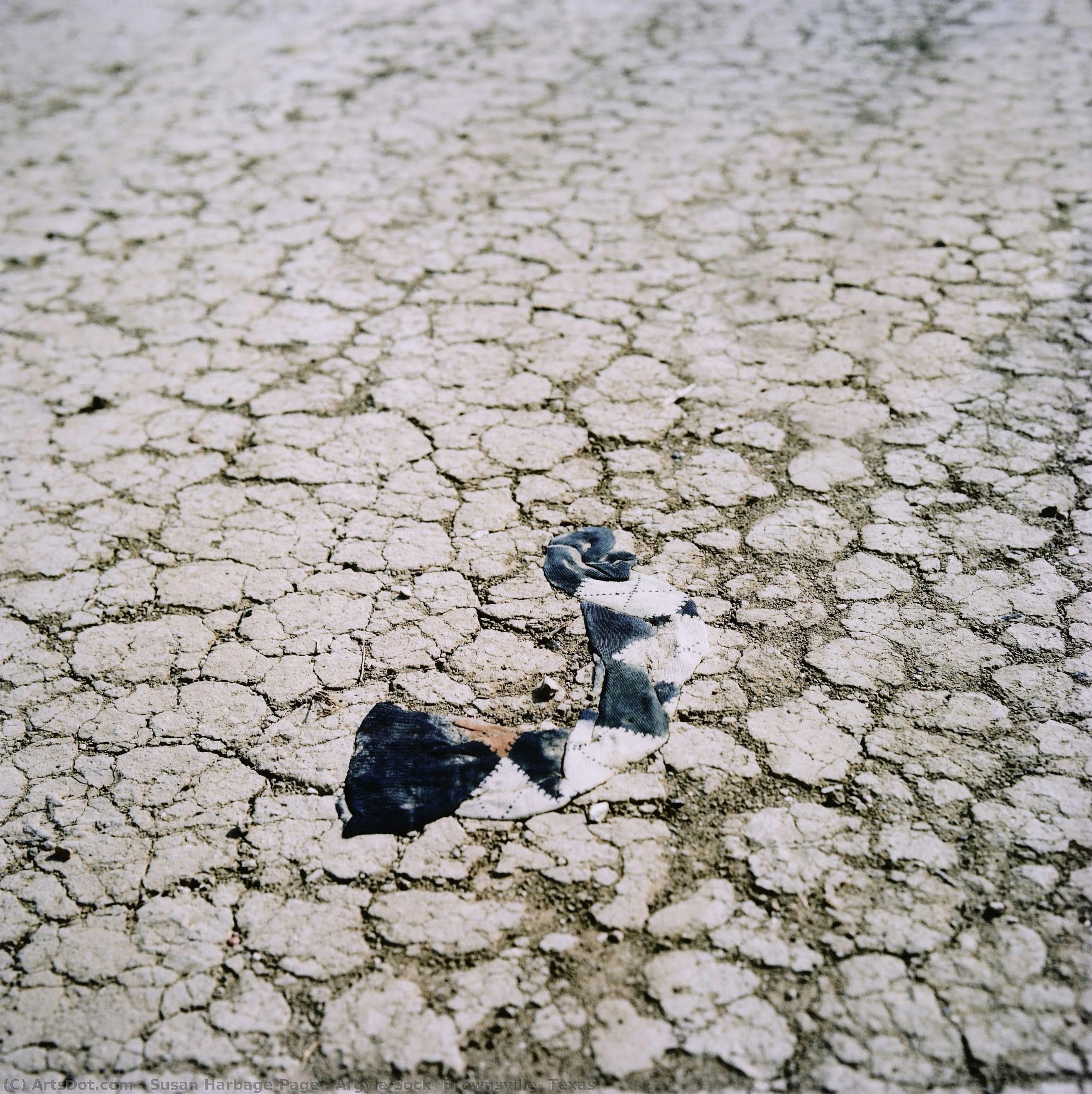
Argyle Sock, Brownsville, Texas
 Digital Photography
- Photo
- Contemporary Realism
 2007
2007 106.0 x 106.0 cm
 Nasher Museum of Art at Duke University
 Pročitaj više
Giclee štampa / Umetnički otisak
Giclée štampa ili print na platnu muzejskog kvaliteta uz brzu proizvodnju i fleksibilne opcije završne obrade. ( Kupi ručno naslikanu sliku Kupi digitalnu sliku)




































Izaberite jednu od naših unapred definisanih veličina koje odgovaraju originalnim proporcijama umetničkog dela.

Možete uneti sopstvene dimenzije kako biste umetničko delo prilagodili specifičnom okviru ili prostoru. Ako odabrani format ne odgovara proporcijama originalne slike, mi ćemo ili iscrtati deo dela ili proširiti sliku pomoću ogledane ivice ili jednobojnog popunjavanja. Digitalni prikaz će vam biti poslat na odobrenje pre početka proizvodnje.
Imajte na umu da pregled na ekranu ne odražava stvarno iscrtavanje ili proširivanje. Samo će prikaz (mockup) precizno pokazati finalnu kompoziciju.
Iako su prilagođene dimenzije dostupne, preporučujemo da odaberete dimenziju sa unapred definisane liste kako biste očuvali originalne proporcije.
Dostava širom sveta () za 2 nedelje umesto uobičajenih 4/5 nedelja. (7 септембар)

Besplatna ekspresna dostava širom sveta

Visokokvalitetno laneno platno

Kompletno osiguranje transporta

Garancija povraćaja carine i uvoznih dažbina

Garancija vernosti boja

Politika povraćaja u roku od 100 dana (isključivo u slučaju nedostataka)

Garancija povrata novca od 100%

Popust pri grupnoj kupovini
 Opcija sa staklom dostupna je samo za dimenzije manje od 110 cm

Argyle Sock, Brownsville, Texas
Giclee štampa / Umetnički otisak
Dimenzije reprodukcije
-


Konačna cena
$ 62
Susan Harbage Page’s “Argyle Sock”: A Chronicle of Absence
“Argyle Sock,” captured in 2007 by Susan Harbage Page, is more than just a photograph of a solitary sock lying on cracked concrete; it's a poignant meditation on displacement, memory, and the lingering traces of human experience. Born in Greenville, Ohio, in 1959, Page’s artistic trajectory has been inextricably linked to her profound understanding of liminal spaces – those zones of transition where boundaries blur and narratives fragment. Her work, born from a childhood spent navigating diverse landscapes and witnessing the complexities of migration, confronts viewers with the unsettling beauty of absence.
- The Subject: The image centers on a worn brown sock, its distinctive argyle pattern subtly visible despite the damage. A hole in the toe suggests wear, perhaps even struggle, while the cracked concrete beneath speaks to the harsh realities of the borderlands – a landscape scarred by human movement and abandonment.
- Technical Approach: Page’s black-and-white photography emphasizes texture and form. The stark contrast between the sock's delicate pattern and the rough surface of the concrete creates a powerful visual tension, drawing attention to the object’s vulnerability within its environment. The composition itself is deliberately simple, focusing solely on this single item, amplifying its symbolic weight.
Historical Context & Borderland Narratives
The photograph emerged from Page's ongoing project documenting discarded belongings left behind by migrants crossing the US-Mexico border. This work operates within a critical historical context – the ongoing struggles of undocumented immigrants seeking refuge and opportunity, often facing immense hardship and loss. The images aren’t simply snapshots; they are fragments of untold stories, testaments to journeys marked by uncertainty and sacrifice. The series reflects a broader trend in contemporary art that seeks to bear witness to marginalized experiences and challenge dominant narratives surrounding immigration.
- Matamoros & Brownsville: The specific location – Brownsville, Texas – is crucial. This border town has long been a focal point of migration, representing both the allure of opportunity and the brutal realities of crossing dangerous terrain.
- Archive & Remembrance: Page’s work functions as a kind of unofficial archive, preserving these fleeting moments and reminding us of those who have passed through, leaving behind only remnants of their lives.
Symbolism & Emotional Resonance
The “Argyle Sock” transcends its literal subject matter to become a potent symbol of loss, hope, and the enduring human need for connection. The sock itself represents vulnerability and fragility – a personal item abandoned in a vast, indifferent landscape. Its placement on the cracked concrete suggests a moment of pause, a brief interruption in a relentless journey. The hole in the toe can be interpreted as a wound, both physical and emotional, representing the pain of separation and displacement. The image evokes a profound sense of melancholy, prompting viewers to contemplate the stories behind the object and the lives it once belonged to.
- Absent Owner: The photograph’s power lies in its deliberate ambiguity. By focusing on the object itself, Page forces us to imagine the person who left it behind – their hopes, fears, and ultimate fate.
- Hope & Remembrance: Despite the sadness, there's also a subtle sense of hope embedded within the image. The sock remains, a tangible reminder of a life lived, a journey undertaken, and a story waiting to be told.
Dimensions & Reproduction – A Timeless Piece
This compelling artwork is available as a hand-painted reproduction measuring 106 x 106 cm. Each reproduction meticulously recreates Page’s original vision, capturing the photograph's stark beauty and emotional depth. The high-quality materials and skilled craftsmanship ensure that this piece will be a lasting addition to any collection or interior space. It serves as a powerful reminder of the human condition – our capacity for both immense suffering and enduring hope.
Srodna umetnička dela

Biografija umetnika
Susan Harbage Page: Mapping Borders, Bearing Witness
Born in Greenville, Ohio, in 1959, Susan Harbage Page’s artistic journey has been profoundly shaped by a lifelong engagement with liminal spaces – the edges of nations, the thresholds between cultures, and the quiet territories within personal experience. From her early childhood spent navigating the diverse landscapes of North Carolina, she developed an acute awareness of displacement, migration, and the complex interplay of identity. This foundational understanding informs her current work, which powerfully interrogates issues of race, gender, immigration, and the very nature of archives – both physical and conceptual.
Page’s formal artistic training provided a robust framework for her explorations. She began with a strong grounding in music, earning Bachelor of Music (B.M.) and Master of Music (M.M.) degrees in saxophone performance from Michigan State University in 1983 and 1984, respectively. This early exposure to the discipline of precision and expression would later translate into her photographic practice. Subsequently, she pursued a Master of Fine Arts (M.F.A.) degree in photography at the San Francisco Art Institute in 2004, honing her technical skills and developing a critical eye for visual storytelling. A significant addition to her artistic toolkit came with a Certificate of Knowledge of the Italian Language from the University for Foreigners in Perugia, Italy, in 1984 – an experience that profoundly impacted her understanding of cultural exchange and the preservation of memory.
The Borderlands Project: An Archaeological Approach
Perhaps the most compelling aspect of Page’s oeuvre is “Objects from the Borderlands: The U.S.–Mexico ‘Anti–Archive,’” a project initiated in 2007 that continues to resonate with its poignant exploration of migration and the human cost of border crossings. This ambitious undertaking involved extensive fieldwork along the Rio Grande River, between Matamoros, Mexico, and Brownsville, Texas – an area marked by intense geopolitical tension and profound social vulnerability. Page’s methodology was deliberately unconventional: she meticulously documented the discarded belongings left behind by migrants attempting to cross into the United States, transforming these seemingly insignificant objects—deflated inner tubes, worn wallets, faded photographs, and fragments of personal identification—into potent symbols of hope, desperation, and loss.
The project isn’t simply a photographic record; it's an intervention in the dominant narratives surrounding immigration. Page’s approach challenges conventional representations by focusing on the intimate details of individual journeys – the remnants of lives left behind. She photographed these objects both in their original context, amidst the harsh landscape, and later in her studio, creating a layered dialogue between the immediate reality of the borderlands and the mediated experience of archival representation. The resulting images are deeply evocative, conveying not just the physical challenges of migration but also the emotional weight carried by those who undertake it.
Beyond the Border: Expanding the Scope
Page’s artistic practice extends beyond the “Borderlands” project, encompassing a diverse range of media and thematic concerns. Her earlier work, such as "Longing: Personal Effects from the Border," explored the complexities of identity through portraits of women in a textile mill in Charlotte, North Carolina, highlighting their labor and experiences. “Postcards from Home,” another significant series, confronted issues of racism by utilizing Klan-style garments to explore the legacy of hate and prejudice. These works demonstrate a consistent commitment to social commentary and a willingness to engage with difficult subjects.
Furthermore, Page’s engagement with sacred objects and communities—documented through residencies in Italy and Israel—reveals an interest in the intersection of spirituality, memory, and cultural heritage. Her Fulbright Scholarship in 1992 provided invaluable insight into the rituals and traditions of cloistered nuns, a formative experience that continues to inform her artistic perspective.
Recognition and Legacy
Susan Harbage Page’s work has garnered significant recognition throughout her career. She is a three-time recipient of the North Carolina Arts Council Visual Artist Fellowship (2010, 2004, 2000), acknowledging her sustained commitment to artistic excellence. Her photographs have been exhibited internationally in countries including Bulgaria, China, England, France, Germany, Italy, Israel, and the United States. Her work is held in public and private collections, reflecting its enduring value and critical engagement with contemporary issues.
Page’s influence extends beyond her individual achievements. As an Assistant Professor in the Department of Women's and Gender Studies at the University of North Carolina at Chapel Hill, she continues to shape the next generation of artists and scholars. Her work serves as a powerful reminder of the importance of bearing witness to marginalized voices and challenging dominant narratives through thoughtful and deeply resonant art.
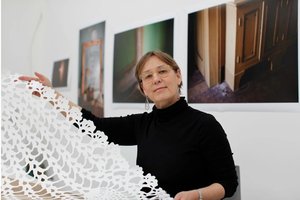
susan harbage-page
1959 - , United States of America
Osnovne informacije
- Artistic Movement Or Style: Photography, Installation
- Artists Or Movements Influenced By This Artist:
- Installation Art
- Documentary Photography
- Artists Who Influenced This Artist:
- Carrie Mae Weems
- Zanele Muholi
- Date Of Birth: 1959
- Full Name: Susan Harbage Page
- Nationality: American
- Notable Artworks:
- Objects from Borderlands
- Recurrence
- Involuntary Memory III
- Place Of Birth: Greenville, USA
Povezani članci

Monochrome Visions: Exploring the Aesthetic & Historical Significance of Black & White Photography
Explore the rich history & artistic power of black and white photography. From early techniques to iconic masters like Ansel Adams, discover why monochrome continues to captivate art lovers today. Expert insights for collectors.

Beyond the Lens: Photography's Enduring Influence on Modern & Contemporary Art
Explore photography's pivotal role in shaping modern & contemporary art. Discover key movements, influential artists like Stieglitz, and expert collecting advice from ArtsDot.

Pictorialism: A Search for Artistic Photography's Soul – Aesthetics, Techniques & Legacy
Explore the captivating world of Pictorialism – a pivotal movement that transformed photography into fine art. Discover key artists like Stieglitz & Käsebier, techniques, and collecting tips from experts.
Witnessing History Through Lens & Light: Documentary Photography's Enduring Legacy
Explore the powerful history of documentary photography – from its origins to contemporary masters like Gordon Parks & W. Eugene Smith. Discover how this art form shapes our understanding of society and witness pivotal moments in time.

Documentary Photography's Defining Moments: 10 Masterpieces for Your Home |
Explore 10 defining documentary photography masterpieces – from Dorothea Lange to Robert Capa. Discover powerful stories, iconic images & timeless art for your home. Museum-quality prints at .