

 Pregledaj u prostoru
 Pošalji
 Podeli
 Detalji o delu

 Преузми
 Slični predmeti
 Rendgenski snimak
 Slajdovi
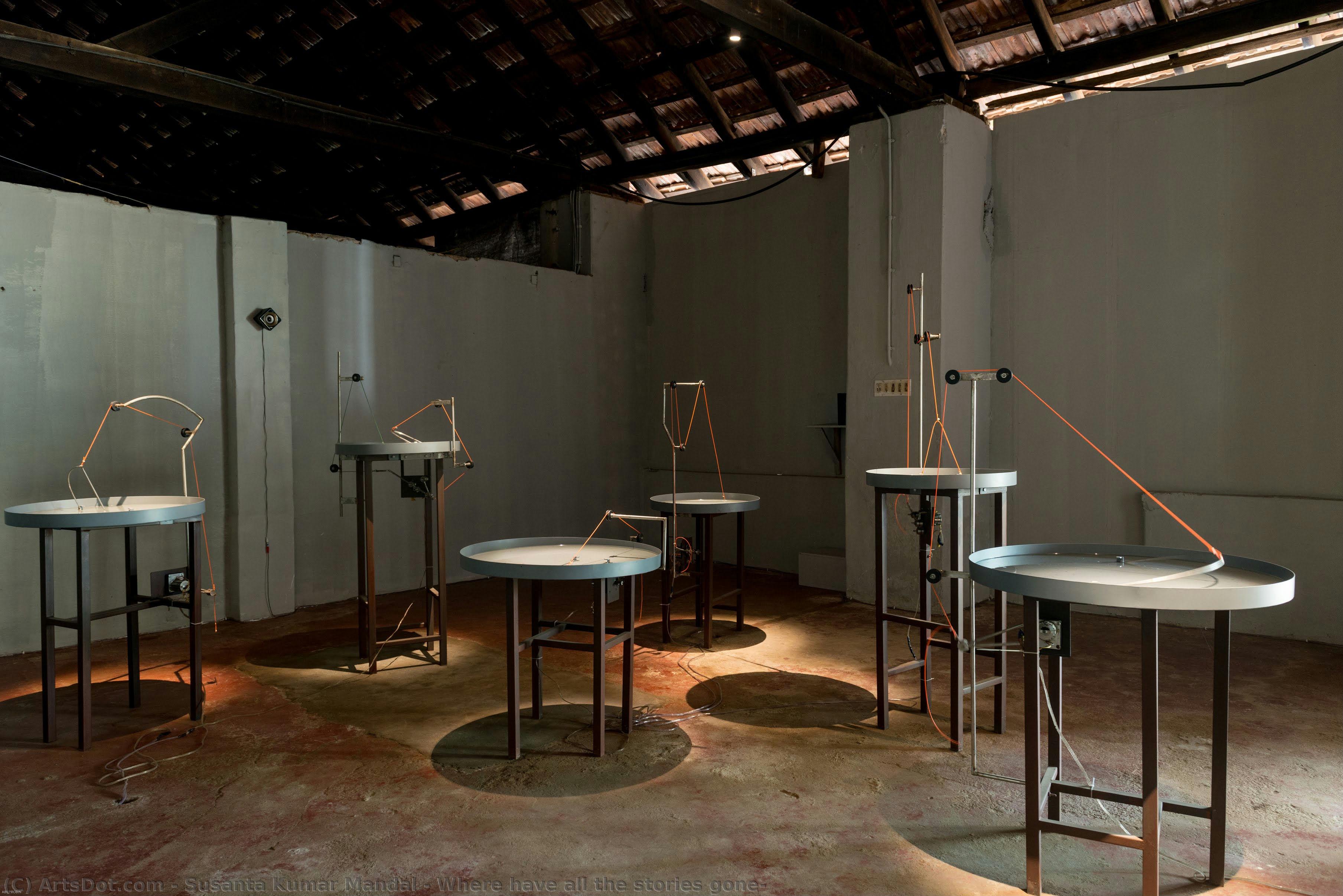
Where have all the stories gone?

 Pročitaj više
Ručno rađena uljana reprodukcija
Ručno oslikano uljanim bojama na platnu u dimenzijama i okviru po vašem izboru, izrađeno po porudžbini od strane naših umetnika. ( Kupi print Kupi digitalnu sliku)




































Izaberite jednu od naših unapred definisanih veličina koje odgovaraju originalnim proporcijama umetničkog dela.

Можете унети сопствене димензије како бисте прилагодили дело одређеном оквиру или простору. Ако одабрана величина не одговара пропорцијама оригинала, слика ће бити исечена или проширена додатним елементима који се ручно насликавају. Дигитални prikaz ће вам бити послат на одобрење пре почетка производње.
Имајте на уму да преглед на екрану не одражава стварно исецање или проширење. Само приказ (mockup) ће тачно приказати коначну композицију.
Иако су доступне прилагођене величине, препоручујемо да одаберете димензију из дефинисане листе како бисте сачували оригиналне пропорције.
Nakon narudžbine, tim ArtsDot.com će klijentu putem e-pošte poslati uputstva i dostaviti prikaz predloženog rešenja
Isporuka širom sveta () za 3/4 nedelje umesto uobičajenih 5 nedelja. (6 септембар). Bez kompromisa po pitanju kvaliteta.

Besplatna ekspresna dostava širom sveta

Visokokvalitetno laneno platno

Kompletno osiguranje transporta

Garancija povraćaja carine i uvoznih dažbina

Garancija vernosti boja

Politika povrata u roku od 100 dana (samo u slučaju nedostataka)

Garancija povrata novca od 100%

Popust pri grupnoj kupovini
 Opcija sa staklom dostupna je samo za dimenzije manje od 110 cm

Where have all the stories gone?
Tehnika reprodukcije
Dimenzije reprodukcije
-


Konačna cena
$ 263
Srodna umetnička dela







Biografija umetnika
Susanta Kumar Mandal: Sculpting Time and Transformation
Born in Kolkata, India, in 1965, Susanta Kumar Mandal is a compelling figure within contemporary Indian art, an artist whose journey has moved from traditional painting to increasingly intricate and thought-provoking conceptual installations. Initially trained as a painter, Mandal’s artistic evolution reflects a deep engagement with the evolving landscape of modern India and its complex relationship with tradition, technology, and the passage of time. His work is now held in prestigious collections including the Kiran Nadar Museum of Art in New Delhi and the Guggenheim Museums and Foundation, testament to his growing international recognition. While early works demonstrated technical skill within painting, it was his embrace of installation art that truly unlocked Mandal’s unique artistic voice—a voice characterized by a delicate balance between industrial materials and ephemeral phenomena.The Language of Steel and Ephemeral Forms
Mandal's signature style revolves around the masterful manipulation of steel and other industrial components to create installations that explore themes of movement, transformation, and the relentless flow of time. He doesn’t simply construct sculptures; he orchestrates environments where light, shadow, and kinetic energy become integral elements of the artwork. These aren't static objects but dynamic systems, often incorporating mechanical mechanisms and spotlights to amplify their performative qualities. A recurring motif in his work is the use of soap bubbles—fragile, fleeting spheres that rise, expand, and inevitably dissolve. This choice isn’t arbitrary; it speaks to a profound understanding of impermanence, mirroring the cyclical nature of life and the ephemeral quality of memory. The juxtaposition of robust steel structures with these delicate bubbles creates a compelling tension – a visual dialogue between permanence and transience, solidity and fluidity. His work draws inspiration from vernacular Indian storytelling traditions, where painted scrolls are brought to life through light and movement, echoing this ancient form of narrative expression in his contemporary installations.Evolution and Influences: From Painting to Conceptual Space
Mandal’s artistic development wasn't a sudden shift but rather a gradual unfolding. His foundation in painting provided him with a strong understanding of composition, color theory, and perspective—skills that he later adapted to the three-dimensional realm of installation art. While specific influences remain somewhat understated by the artist himself, it is evident that he engages with broader currents within contemporary art, particularly those exploring minimalism, kinetic art, and conceptual practices. The use of industrial materials suggests an awareness of post-industrial aesthetics and a critical engagement with the impact of technology on human experience. His participation in residencies at Khoj in New Delhi, Britto in Bangladesh, and Theertha in Colombo further broadened his artistic horizons, exposing him to diverse perspectives and fostering cross-cultural dialogue. As part of the LAYOUT Artists’ Collective since 2011, he is also embedded within a vibrant community of artists pushing boundaries and challenging conventions within the Indian art scene.Key Works and Critical Reception
Several key works exemplify Mandal's artistic vision. Series like "It doesn’t bite" (2007), featuring bubbles moving through coiled steel cages, and “How long does it take to complete a circle?” (2011), with its transparent pipes guiding the ascent of soap films, demonstrate his ability to transform industrial materials into poetic explorations of time and space. His recent series "Where have all the stories gone?" (2014) further develops this concept, creating globe-like soap films that momentarily envelop space before disappearing, leaving behind “tangible imprints in memory.” Critics have lauded Mandal’s work for its intellectual rigor, technical sophistication, and evocative power. They recognize his ability to create installations that are both visually stunning and conceptually profound—works that invite viewers to contemplate the fundamental questions of existence: change, impermanence, and the elusive nature of time itself. His curatorial projects, such as "Erasure" (2021), further demonstrate his engagement with contemporary artistic discourse and his ability to foster dialogue within the art community.A Legacy in Motion
Susanta Kumar Mandal’s contribution to contemporary Indian art lies not only in his striking visual creations but also in his profound exploration of universal themes through a distinctly modern lens. His work transcends cultural boundaries, resonating with audiences worldwide who grapple with the complexities of time, memory, and transformation. By seamlessly blending industrial materials with ephemeral phenomena, he has crafted a unique artistic language that continues to evolve and captivate, solidifying his position as one of India’s most significant contemporary artists. He currently lives and works in New Delhi, continuing to refine his practice and push the boundaries of installation art.
susanta kumar mandal
1965 - , India
Osnovne informacije
- Artistic Movement Or Style: Contemporary Art, Conceptual Art
- Current Status: Living
- Date Of Birth: 1965
- Full Name: Susanta Kumar Mandal
- Nationality: Indian
- Notable Artworks:
- Where have all the stories gone?
- Sacks – 2
- Place Of Birth: Kolkata, India