

 Pregledaj u prostoru
 Pošalji
 Podeli
 Detalji o delu

 Преузми
 Slični predmeti
 Rendgenski snimak
 Slajdovi
B:1/B:2


 Pročitaj više
Kupite digitalnu sliku visoke rezolucije i poboljšanog kvaliteta, koja je znatno superiornija od onoga što vidite u online prikazu.
Svaka datoteka je pedantno pripremljena od strane naših stručnjaka koristeći napredne alate i profesionalnu ručnu retušu. Osiguravamo da svaka slika ima izuzetnu oštrinu, preciznu reprodukciju boja i fine detalje.
Konačna datoteka se dostavlja putem e-pošte u roku od 72 sata, optimizovana za neposrednu upotrebu u profesionalnim, izdavačkim i štamparskim okruženjima. To je isti kvalitet kojem veruju vrhunski studiji dizajna, izdavači i galerije.
Digitalna slika
Preuzmite datoteku visoke rezolucije za ličnu upotrebu, štampanje i kreativne projekte. ( Kupi print Kupi ručno naslikanu sliku)
Uključeno uz svaku porudžbinu digitalne slike
Profesionalna digitalna isporuka, zagarantovana
Kada odaberete ArtsDot.com, ne dobijate samo sliku – vi primate profesionalno unapređeno digitalno umetničko delo, izrađeno sa najvećom preciznošću i uz garanciju zadovoljstva. Evo svega što automatski dolazi uz vašu porudžbinu:

Brza dostava putem e-pošte
Vaša digitalna slika visoke rezolucije biće vam poslata putem e-pošte u roku od 72 sata od poručivanja – spremna za trenutnu upotrebu.

Digitalna datoteka unapređena veštačkom inteligencijom
Vaše umetničko delo je profesionalno optimizovano korišćenjem naprednih AI alata i ručne obrade, čime se osiguravaju maksimalni detalji, oštrina i preciznost boja.

Besplatna ponovna isporuka doživotno
Slučajno ste obrisali ili izgubili svoju datoteku? Ne brinite – poslaćemo vam je ponovo u bilo kom trenutku, potpuno besplatno.

Bez troškova uvoza – zauvek
Uživajte u svojim umetničkim delima trenutno, bez carine, dažbina ili troškova dostave – digitalni download je uvek bez poreza.

Garancija vernosti boja
Uz pomoć profesionalnih alata i upravljanja bojama, osiguravamo da vaša digitalna slika što vernije odražava originalne boje.

Garancija zadovoljstva od 100 dana
Ako niste zadovoljni svojom digitalnom slikom, izvršićemo reviziju ili ćemo vam vratiti 100% novca u roku od 100 dana – bez ikakvih pitanja.

100% garancija povrata novca
Niste zadovoljni? Dobijte puni povraćaj novca u roku od 100 dana od prijema digitalne datoteke – bez suvišnih pitanja.

Popusti na velike porudžbine
Kupite 3 slike, uštedite 10% - Kupite 5 slika, uštedite 15% - Kupite 10+ slika, uštedite 20%. Odlično za kreativne projekte, galerije i agencije.
The Unsettling Grid: Identity and Performance in Yokoo's Vision
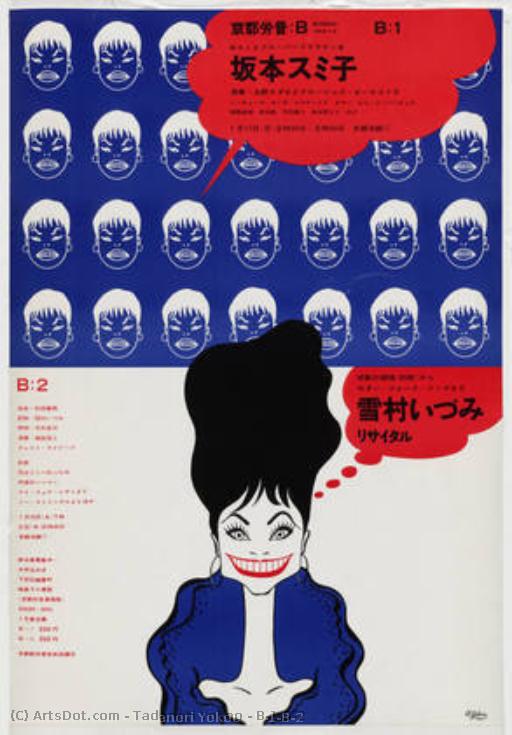
To stand before Tadanori Yokoo’s 1964 poster, B:1/B:2, is to step into a meticulously constructed fever dream—a visual echo chamber of modern anxieties. This piece does not merely hang on a wall; it confronts the viewer with a barrage of stylized gazes, forcing an immediate reckoning with themes of conformity and the manufactured self. Yokoo masterfully employs a dense, almost suffocating grid composed of identical, mask-like faces. These repetitions are more than mere decoration; they function as a potent visual metaphor for the loss of individuality within the overwhelming machinery of mass culture or societal expectation. The initial impact is one of vibrant, yet deeply unsettling, order.
A Symphony of Pop and Surrealism
Stylistically, Yokoo operates at the electrifying intersection of Pop Art's graphic immediacy and Surrealism's dream logic. The palette itself—dominated by deep indigo and cerulean blues, sharply contrasted with stark white—lends the entire composition an artificial, stage-lit quality. The bold, graphic lines defining every feature suggest a technique rooted in screen printing, giving the work a flat yet intensely layered depth. This flatness is crucial; it denies any sense of naturalistic space, trapping the viewer within Yokoo’s constructed reality. While the subject matter references the theatrical—the flamboyant central figure, perhaps a showgirl or actress—the overall effect remains profoundly detached, suggesting that even performance itself can become a rigid, repetitive costume.
Decoding the Central Figure and Symbolism
At the heart of this visual cacophony resides the singular, larger face, an exaggerated caricature embodying both allure and artifice. This figure acts as the focal point against the backdrop of anonymity. The accompanying text, repeating the phrase translating to “Thunder God's shout,” imbues the piece with a sense of overwhelming, almost divine pressure. It suggests that beneath the veneer of conformity—the endless rows of blank stares—there is an underlying force, a sudden, loud pronouncement demanding attention. For the collector or designer, this tension between the controlled grid and the explosive central declaration offers rich symbolic depth for any curated space.
Echoes of Japanese Avant-Garde Culture
Understanding Yokoo requires acknowledging his deep immersion in the avant-garde spirit of post-war Tokyo. His background as a stage designer informs this work’s inherent theatricality; everything feels like set dressing, every face like an actor playing a role. This piece is not just about faces; it is a commentary on the performance required to exist within modern urban life. Reproducing Yokoo allows one to bring into a contemporary interior a piece steeped in intellectual provocation—a vibrant conversation starter that speaks volumes about identity, media saturation, and the beautiful, terrifying nature of being seen.
Srodna umetnička dela
Biografija umetnika
A Psychedelic Pioneer: The Visionary World of Tadanori Yokoo
Tadanori Yokoo stands as one of the most distinctive and electrifying voices in contemporary Japanese art, a master of visual language who seamlessly bridges the gap between ancient tradition and modern provocation. Born on June 27, 1936, in Nishiwaki, Hyōgo Prefecture, Yokoo has spent a prolific career navigating the realms of graphic design, illustration, printmaking, and painting. His work is not merely seen; it is experienced as a sensory deluge, characterized by vibrant, almost hallucinogenic color palettes, intricate collage techniques, and theatrical compositions that demand the viewer's full attention. Through his singular aesthetic, Yokoo has consistently interrogated cultural boundaries, confronting societal anxieties with an uncompromising blend of humor, pathos, and intellectual depth.
The foundations of Yokoo’s artistic journey were laid in the avant-garde spirit of Tokyo’s vibrant theater scene. Before becoming a titan of graphic design, he honed his skills as a stage designer for experimental productions, an experience that instilled in him a profound understanding of visual storytelling and the dynamism of performance art. This early immersion in the theatrical world fostered an appreciation for disruption and the challenging of conventional representation. As his style matured, it began to absorb the surrealist whispers of René Magritte and the bold, commercial energy of American Pop Art, specifically the works of Andy Warhol and Roy Lichtenstein. This synthesis of influences allowed him to develop a technique of visual pastiche, where disparate elements are woven into a cohesive, often jarring, tapestry of meaning.
The Psychedelic Explosion and the Art of Collage
The mid-1960s marked a transformative era for Yokoo, as he emerged as a pivotal figure in Japan’s burgeoning psychedelic movement. His work during this period became synonymous with the era's fascination with altered states of consciousness and visual experimentation. Through his groundbreaking posters for monumental events like the Osaka Exposition and high-profile collaborations with global musical icons such as The Beatles and Carlos Santana, Yokoo captured the zeitgeist of a generation. He mastered the art of collage, skillfully assembling fragmented imagery to create dreamlike landscapes that felt both chaotic and meticulously orchestrated.
This period of intense creativity saw him blending the high-brow aesthetics of fine art with the accessible, punchy language of commercial design. His ability to manipulate symbols—ranging from traditional Japanese motifs to Western pop culture icons—created a sense of cultural vertigo. By layering these elements, Yokoo did more than just create beautiful images; he constructed a complex dialogue between the East and the West, the past and the present. His work often functions as a mirror to the political and social shifts occurring in post-war Japan, using the language of advertising and mass media to critique the very structures that produced them.
Legacy and Historical Significance
Beyond the immediate impact of his psychedelic posters, Tadanori Yokoo’s historical significance lies in his ability to redefine the boundaries of graphic design as a fine art form. He transformed the poster from a mere tool of information into a medium of profound conceptual expression. His legacy is found in the way he navigated the tension between mass production and individual artistic expression, proving that the tools of commercialism could be repurposed to explore deep-seated psychological and cultural truths.
Today, Yokoo remains a living legend, his influence felt across generations of designers and artists who continue to draw inspiration from his fearless approach to color and composition. His body of work serves as a vital archive of the 20th century's shifting cultural landscape, embodying the spirit of postmodernism through its embrace of irony, fragmentation, and the beautiful chaos of the human experience. To study the work of Tadanori Yokoo is to witness the evolution of modern Japanese identity, captured in every bold stroke and meticulously placed fragment of his iconic collages.
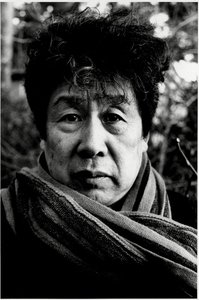
tadanori yokoo
1936 -