

 Pregledaj u prostoru
 Pošalji
 Podeli
 Detalji o delu

 Преузми
 Slični predmeti
 Rendgenski snimak
 Slajdovi
 Statistika
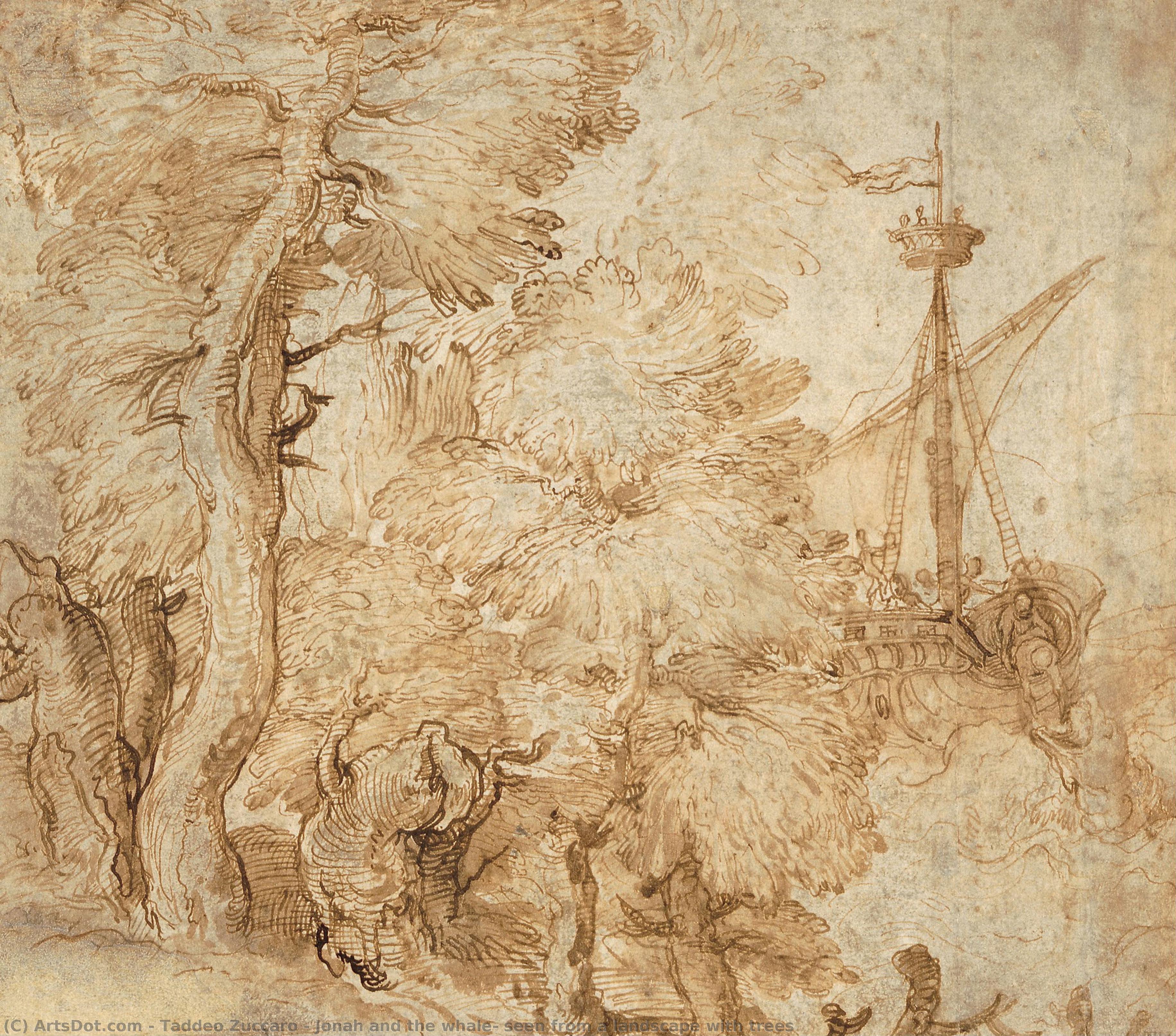
Jonah and the whale, seen from a landscape with trees
 Oil On Canvas
- WallArt
- High Renaissance
 1550
1550- Renaissance
 26.0 x 23.0 cm
 Art Gallery of South Australia
 Pročitaj više
Kupite digitalnu sliku visoke rezolucije i poboljšanog kvaliteta, koja je znatno superiornija od onoga što vidite u online prikazu.
Svaka datoteka je pedantno pripremljena od strane naših stručnjaka koristeći napredne alate i profesionalnu ručnu retušu. Osiguravamo da svaka slika ima izuzetnu oštrinu, preciznu reprodukciju boja i fine detalje.
Konačna datoteka se dostavlja putem e-pošte u roku od 72 sata, optimizovana za neposrednu upotrebu u profesionalnim, izdavačkim i štamparskim okruženjima. To je isti kvalitet kojem veruju vrhunski studiji dizajna, izdavači i galerije.
Digitalna slika
Preuzmite datoteku visoke rezolucije za ličnu upotrebu, štampanje i kreativne projekte. ( Pređi na štampu Kupi ručno naslikanu sliku)
Uključeno uz svaku porudžbinu digitalne slike
Profesionalna digitalna isporuka, zagarantovana
Kada odaberete ArtsDot.com, ne dobijate samo sliku – vi primate profesionalno unapređeno digitalno umetničko delo, izrađeno sa najvećom preciznošću i uz garanciju zadovoljstva. Evo svega što automatski dolazi uz vašu porudžbinu:

Brza dostava putem e-pošte
Vaša digitalna slika visoke rezolucije biće vam poslata putem e-pošte u roku od 72 sata od poručivanja – spremna za trenutnu upotrebu.

Digitalna datoteka unapređena veštačkom inteligencijom
Vaše umetničko delo je profesionalno optimizovano korišćenjem naprednih AI alata i ručne obrade, čime se osiguravaju maksimalni detalji, oštrina i preciznost boja.

Besplatna ponovna isporuka doživotno
Slučajno ste obrisali ili izgubili svoju datoteku? Ne brinite – poslaćemo vam je ponovo u bilo kom trenutku, potpuno besplatno.

Bez troškova uvoza – zauvek
Uživajte u svojim umetničkim delima trenutno, bez carine, dažbina ili troškova dostave – digitalni download je uvek bez poreza.

Garancija vernosti boja
Uz pomoć profesionalnih alata i upravljanja bojama, osiguravamo da vaša digitalna slika što vernije odražava originalne boje.

Garancija zadovoljstva od 100 dana
Ako niste zadovoljni svojom digitalnom slikom, izvršićemo reviziju ili ćemo vam vratiti 100% novca u roku od 100 dana – bez ikakvih pitanja.

100% garancija povrata novca
Niste zadovoljni? Dobijte puni povraćaj novca u roku od 100 dana od prijema digitalne datoteke – bez suvišnih pitanja.

Popusti na velike porudžbine
Kupite 3 slike, uštedite 10% - Kupite 5 slika, uštedite 15% - Kupite 10+ slika, uštedite 20%. Odlično za kreativne projekte, galerije i agencije.
A Journey Through Myth and Majesty: Taddeo Zuccaro's Vision
To gaze upon Taddeo Zuccaro’s Jonah and the Whale, seen from a landscape with trees is to step directly into a vibrant tapestry woven from biblical narrative and exotic wonder. This painting, dating from 1550, transcends mere religious illustration; it is an opulent vision of divine intervention set against the backdrop of a lush, almost unbelievable natural world. Zuccaro masterfully captures that moment suspended between peril and miraculous salvation. The central drama—the man in the boat surrounded by colossal beasts—draws the eye immediately, inviting contemplation on themes of endurance and divine grace.
The Spectacle of the Exotic Landscape
What elevates this piece beyond a simple biblical scene is the breathtaking menagerie that populates the foreground. Here, the artist does not confine himself to familiar pastoral elements. Instead, we are confronted by an assembly of creatures—elephants standing sentinel on the left and right flanks, a graceful giraffe mingling near them, and various birds taking flight or perching amidst the foliage. The inclusion of such exotic fauna speaks volumes about the artistic currents of the High Renaissance, where artists often blended classical mythology with contemporary scientific curiosity to create scenes of heightened drama. The landscape itself, framed by deep, verdant trees, acts as both a portal and a stage, lending an incredible sense of depth that pulls the viewer into its mysterious depths.
Mastery in Composition and Technique
Zuccaro’s technique is characterized by a dynamic energy typical of his period. The composition is anything but static; it pulses with implied movement—the sweep of the animals, the flight of the birds, and the gentle rocking suggested by the boat itself. While the narrative anchors the piece in scripture, the execution showcases an academic brilliance in rendering texture, from the rough bark of the trees to the smooth hide of the elephants. The interplay between the figures and the receding landscape creates a profound sense of spatial illusion, making the 26 x 23 cm format feel expansive and limitless.
Symbolism and Emotional Resonance
At its heart, this work speaks to the universal human experience of being overwhelmed yet ultimately rescued. The story of Jonah is one of divine mercy overcoming earthly confinement. Symbolically, the surrounding animals can be interpreted as representing the totality of creation witnessing a moment of profound spiritual rebirth. For the modern collector or designer, this painting offers more than just decoration; it offers an emotional anchor—a reminder that even when surrounded by chaos or overwhelming circumstances, there is always a guiding force toward light and safety. Reproducing this work allows one to bring that sense of awe-filled, dramatic serenity into any interior space.
Srodna umetnička dela



Biografija umetnika
Titian: A Venetian Master Forged in the Crucible of Renaissance Rome
Born in Pieve di Cadore, a small town nestled in the foothills of the Dolomites in 1529, Tiziano Vecellio – later known simply as Titian – emerged from humble beginnings to become arguably the most influential painter of the High Renaissance. His early life remains somewhat shrouded in mystery, but it’s clear that his formative years were spent absorbing the artistic currents flowing through Venice and, crucially, Rome. The city at this time was a vibrant hub of artistic innovation, fueled by papal patronage and the rediscovery of classical ideals. This confluence of influences would profoundly shape Titian's distinctive style – one characterized by luminous color, dynamic composition, and a masterful understanding of human form. Unlike many artists who trained in monastic workshops, Titian’s education began with his father, Ottavio Vecellio, a drapery merchant and amateur painter. He then spent several years working under the renowned Maestro Bellini in Venice, honing his skills in tempera painting before venturing to Rome around 1546.Early Roman Years: Echoes of Raphael and Michelangelo
Titian’s time in Rome proved transformative. He quickly established himself as a sought-after painter, initially specializing in *vedute* – depictions of cityscapes – and portraits for wealthy patrons. However, his artistic development was profoundly influenced by the giants of the era: Raphael and Michelangelo. The elegant grace and balanced compositions of Raphael’s work, particularly his frescoes in the Vatican, instilled in Titian a deep appreciation for harmony and proportion. Conversely, Michelangelo's powerful musculature, dramatic gestures, and masterful use of light and shadow ignited a passion for dynamism and emotional intensity within Titian’s art. He studied the anatomical precision of Michelangelo’s figures, incorporating this knowledge into his own depictions of the human body with remarkable accuracy and sensuality. This dual influence – Raphael's refinement and Michelangelo's raw power – became a defining characteristic of Titian’s oeuvre.The Venetian School: Color, Light, and Drama
Returning to Venice in 1548, Titian quickly ascended to the pinnacle of the Venetian school of painting. Unlike the more restrained palette of Florentine artists like Leonardo da Vinci, Titian embraced a vibrant, saturated color scheme – utilizing pigments derived from exotic sources brought back from the East. He expertly manipulated light and shadow, creating an illusion of depth and volume that was revolutionary for its time. His paintings are renowned for their atmospheric effects, capturing the shimmering reflections on water, the warmth of sunlight, and the dramatic intensity of theatrical scenes. He wasn’t simply replicating reality; he was transforming it through color and light, imbuing his works with a palpable sense of drama and emotion. The influence of Venetian painting extended beyond Titian himself, shaping the style of generations of artists who followed in his footsteps.Major Works and Patronage
Titian’s career spanned over four decades, during which he produced an astonishingly diverse body of work. He painted portraits for royalty and nobility across Europe – including Charles V, Philip II of Spain, and Pope Paul III – as well as numerous religious scenes, mythological subjects, and decorative frescoes. Some of his most celebrated works include *Venus of Urbino* (1538), a sensual depiction of the goddess that redefined the genre of portraiture; *Assumption of the Virgin* (c. 1516-1518), a monumental altarpiece showcasing his mastery of color and composition; and *Bacchus and Ariadne* (1520-1523), a dynamic and theatrical scene that exemplifies his dramatic flair. His commissions for the Farnese family at Villa Farnese in Caprarola are particularly noteworthy, representing some of the most ambitious and visually stunning decorative cycles of the Renaissance.Legacy and Influence
Titian’s influence on subsequent generations of artists is immeasurable. He established a new standard for color theory, composition, and the depiction of human emotion in painting. Artists such as Veronese, Tintoretto, and El Greco were all profoundly influenced by his work. Even centuries later, Titian's techniques continue to inspire painters today. His legacy extends beyond the realm of art; he was also a respected statesman and diplomat, serving as *predicatore* (chaplain) in Venice for many years. Titian died in Venice in 1576, leaving behind a vast and enduring artistic legacy – a testament to his genius and his pivotal role in shaping the course of Western art history. His paintings remain among the most beloved and admired works of the Renaissance, captivating viewers with their beauty, drama, and timeless appeal.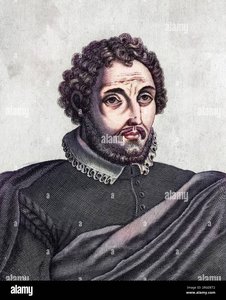
taddeo zuccaro
1529 - 1566 , Italy
Kratke činjenice
- Artistic Movement Or Style: Venetian Renaissance
- Artists Or Movements Influenced By This Artist:
- Guido Reni
- Fontanari School
- Artists Who Influenced This Artist:
- Raphael
- Michelangelo
- Sebastiano del Piombo
- Date Of Birth: September 1529
- Date Of Death: August 1576
- Full Name: Titian Vecellio
- Nationality: Italian
- Notable Artworks:
- Venus of Urbino
- Assumption
- Bacchus and Ariadne
- Place Of Birth: Pieve di Cadore, Venice