

 Pregledaj u prostoru
 Pošalji
 Podeli
 Detalji o delu

 Преузми
 Slični predmeti
 Rendgenski snimak
 Slajdovi
 Statistika
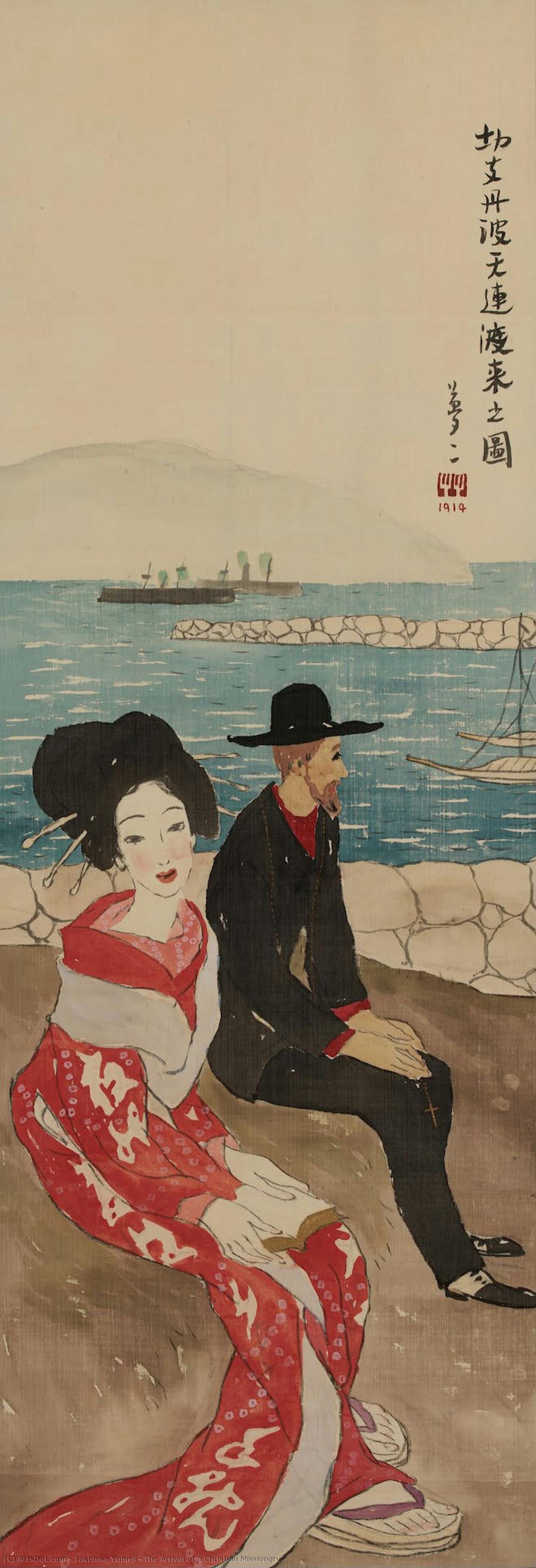
The Arrival of a Christian Missionary


 Pročitaj više
Giclee štampa / Umetnički otisak
Giclée štampa ili print na platnu muzejskog kvaliteta uz brzu proizvodnju i fleksibilne opcije završne obrade. ( Kupi ručno naslikanu sliku Pređi na digitalnu sliku)




































Izaberite jednu od naših unapred definisanih veličina koje odgovaraju originalnim proporcijama umetničkog dela.

Možete uneti sopstvene dimenzije kako biste umetničko delo prilagodili specifičnom okviru ili prostoru. Ako odabrani format ne odgovara proporcijama originalne slike, mi ćemo ili iscrtati deo dela ili proširiti sliku pomoću ogledane ivice ili jednobojnog popunjavanja. Digitalni prikaz će vam biti poslat na odobrenje pre početka proizvodnje.
Imajte na umu da pregled na ekranu ne odražava stvarno iscrtavanje ili proširivanje. Samo će prikaz (mockup) precizno pokazati finalnu kompoziciju.
Iako su prilagođene dimenzije dostupne, preporučujemo da odaberete dimenziju sa unapred definisane liste kako biste očuvali originalne proporcije.
Dostava širom sveta () za 2 nedelje umesto uobičajenih 4/5 nedelja. (8 септембар)

Besplatna ekspresna dostava širom sveta

Visokokvalitetno laneno platno

Kompletno osiguranje transporta

Garancija povraćaja carine i uvoznih dažbina

Garancija vernosti boja

Politika povraćaja u roku od 100 dana (isključivo u slučaju nedostataka)

Garancija povrata novca od 100%

Popust pri grupnoj kupovini
 Opcija sa staklom dostupna je samo za dimenzije manje od 110 cm

The Arrival of a Christian Missionary
Giclee štampa / Umetnički otisak
Dimenzije reprodukcije
-


Konačna cena
$ 62
Srodna umetnička dela










Biografija umetnika
The Ethereal Spirit of Taisho Romanticism
Born amidst the tranquil and scenic landscapes of the Seto Inland Sea in 1884, Takehisa Yumeji emerged as a profound architect of the Japanese soul during the transformative Taisho period. His life and work were inextricably linked to the romanticism of his era, a time characterized by a delicate tension between traditional Japanese values and the burgeoning influences of Western modernity. As both a poet and a painter, Yumeji possessed an uncanny ability to capture the ephemeral—the fleeting glance of a maiden, the soft light of dusk, and the quiet melancholy that resides in the heart of beauty. His artistry was not merely a visual pursuit but a lyrical expression of a nation in transition, weaving together the classical elegance of Nihonga with a modern, emotive sensibility that resonated deeply with the public consciousness.The Grace of the Bijin-ga
Central to Yumeji’s enduring legacy is his mastery of bijin-ga, the art of depicting beautiful women and girls. His illustrations are celebrated for their soft, flowing lines and a certain dreamy, almost nostalgic quality that has become synonymous with his name. These figures often possess an air of wistful longing, their eyes reflecting a depth of emotion that transcends simple portraiture. Through his use of Nihonga techniques, he achieved a delicate balance of color and form, creating characters that felt both timeless and intimately connected to the contemporary spirit of his day. His creative vision was remarkably versatile, allowing his aesthetic to permeate various mediums, including:- Exquisite book covers that transformed literature into visual poetry.
- Serial newspaper illustrations that brought storytelling to the masses.
- Delicate postcards and furoshiki patterns that turned everyday objects into canvases of beauty.
- Intricate designs on patterned washi paper.
A Lasting Impression on Japanese Modernity
The significance of Takehisa Yumeji lies in his ability to democratize art, making it an accessible and cherished part of the cultural fabric. By applying his unique aesthetic to mass-produced items and popular media, he bridged the gap between high art and everyday life. His influence can be felt in the way modern Japanese design continues to embrace a blend of nostalgia and contemporary flair. Though his life was cut short in 1934, the visual language he created—marked by its romanticism, its gentle melancholy, and its profound respect for the beauty found in the subtle details of existence—continues to inspire artists and collectors alike, ensuring that the spirit of Yumeji remains eternally vibrant within the annals of Japanese art history.
takehisa yumeji
1884 - 1934 , Japan
Osnovne informacije
- Artistic Movement Or Style: Nihonga, Taisho Romanticism
- Artists Or Movements Influenced By This Artist: Modern Japanese art
- Date Of Birth: 1884
- Date Of Death: 1934
- Full Name: Takehisa Yumeji
- Nationality: Japanese
- Place Of Birth: Seto Inland Sea, Japan